엘뢰디로웨트에서 가장 멋진 5개의 천연기념물
Éleu-Dit-Leauwette 주변의 최고의 자연 기념물에는 자연 과정과 역사적 사건 모두에 의해 형성된 독특한 풍경이 포함됩니다. 이 지역은 제1차 세계 대전의 중요한 전장과 가까운 지리적 이점을 가지고 있으며, 이는 지형에 지속적인 흔적을 남겼습니다. 이러한 장소는 이 지역의 과거와 지질학적 특징에 대한 통찰력을 제공합니다. 방문객들은 역사적인 포탄 분화구부터 눈에 띄는 슬래그 둔덕까지 다양한 자연 지형을 탐험할 수 있습니다.
Éleu-Dit-Leauwette 주변 최고의 자연 기념물
- 가장 인기 있는 자연 기념물은 유럽에서 가장 높은 석탄 폐기물 언덕으로 높이가 146미터에 달하는 자연 기념물인 Loos-en-Gohelle 슬래그 둔덕…
마지막 업데이트: 10월 8, 2026
비미 능선의 포탄 구덩이
하이라이트 (구간) • 역사적 장소
This is one of the most famous battles for Canadians during the First World War.
Vimy Ridge was a strategic position fortified …
번역자 Google •
팁에 의해

비미 재단 센테너리 공원
하이라이트 (구간) • 역사적 장소
Vimy Foundation Centennial Park offers visitors a unique and reflective space to reflect on the horrors that occurred on these lands during the Great War, contrasting …
번역자 Google •
팁에 의해
이런 장소를 발견하려면 지금 가입하세요
최고의 싱글 트랙, 봉우리 및 다양한 흥미로운 야외 장소에 대한 추천을 받아보세요.
루스-앙-고엘의 테릴
하이라이트 • 자연 기념물
번역자 Google •
팁에 의해

테릴 74 및 74a
하이라이트 • 자연 기념물
번역자 Google •
팁에 의해


무료로 가입하여 엘뢰디로웨트 주변의 더 많은 자연 기념물을 발견하세요.
이미 komoot 계정이 있나요?
오늘 무료 계정으로 시작하세요
다음 모험이 기다리고 있어요.



커뮤니티 팁


Beautiful panoramic view of Lens and the surrounding area. Be careful when you climb onto the spoil heap during a storm, it's a real hair-raiser!
1
0

The Battle of Vimy Ridge (April 9-12, 1917) This is one of the most famous battles for Canadians during the First World War. Vimy Ridge was a strategic position fortified by the Germans since 1914. In April 1917, the four Canadian divisions, united for the first time, attacked to retake it. - 💥 The bombardments that created the shell holes Before the assault For several weeks, Allied artillery (mainly British and Canadian) bombarded the German positions to weaken the defenses, cut the barbed wire, and destroy the enemy trenches. It is estimated that more than a million shells were fired in preparation for the attack. During the attack On April 9, 1917, the Canadian infantry advanced under a creeping barrage, that is, artillery fire that advanced just ahead of the soldiers to protect their advance. Result These intense bombardments literally riddled the ridge with craters. Each shell exploding in the ground dug a hole of varying width (depending on the caliber, often between 1 and 5 meters in diameter). 🏞 After the War Why are the shell holes still there? After 1918, it was decided to preserve certain areas as they were, particularly around the future memorial, to demonstrate the scale of the fighting. The land was therefore not leveled or cultivated, unlike other areas of the front, which reverted to agricultural fields. A Landscape for Remembrance The shell craters, reconstructed trenches, and replanted trees (each tree represents a killed Canadian soldier) create a living memorial park, keeping the scars of the conflict visible for future generations.
0
0
Vimy Foundation Centennial Park Vimy Foundation Centennial Park offers visitors a unique and reflective space to reflect on the horrors that occurred on these lands during the Great War, contrasting with the solemnity and grace of the adjacent Canadian National Memorial. The main attraction of the four-acre park is 100 Vimy Oak trees, grown from acorns collected on the battlefield in 1917, along with the Borden bugle, the Centennial Flagpole, and 360-degree memorial views of the First World War battlefield. One hundred years after the war, the Park ensures that we never forget the sacrifice of all those who served our country. The Vimy Foundation The Vimy Foundation is a national charitable organization whose mission is to preserve and promote Canada's legacy of the First World War, symbolized by the victory at Vimy Ridge in April 1917. This momentous event is widely considered a pivotal moment in our history, Canada's first steps onto the world stage. Through youth education programs, awareness campaigns, and legacy projects, including the new Vimy Visitor and Education Centre and Centennial Park, the Vimy Foundation provides Canadians with opportunities to learn how the First World War transformed our nation. Vimy Oaks The park's oak trees are directly descended from acorns collected on the Vimy Ridge battlefield by a Canadian soldier, Lieutenant Leslie Miller of Scarborough, Ontario, and later planted on his farm in Canada, which he named The Vimy Oaks. A number of these majestic oaks are still alive today in Canada, while virtually none of the Vimy Ridge oaks survived the First World War. The Vimy Oaks Legacy Society, a Canadian non-profit volunteer association, was created to repatriate young Vimy oaks descended from acorns collected after the battle. Volunteers landscaped and planted these repatriated Vimy oaks, which now stand guard in this park adjacent to the Canadian National Vimy Memorial.
0
0

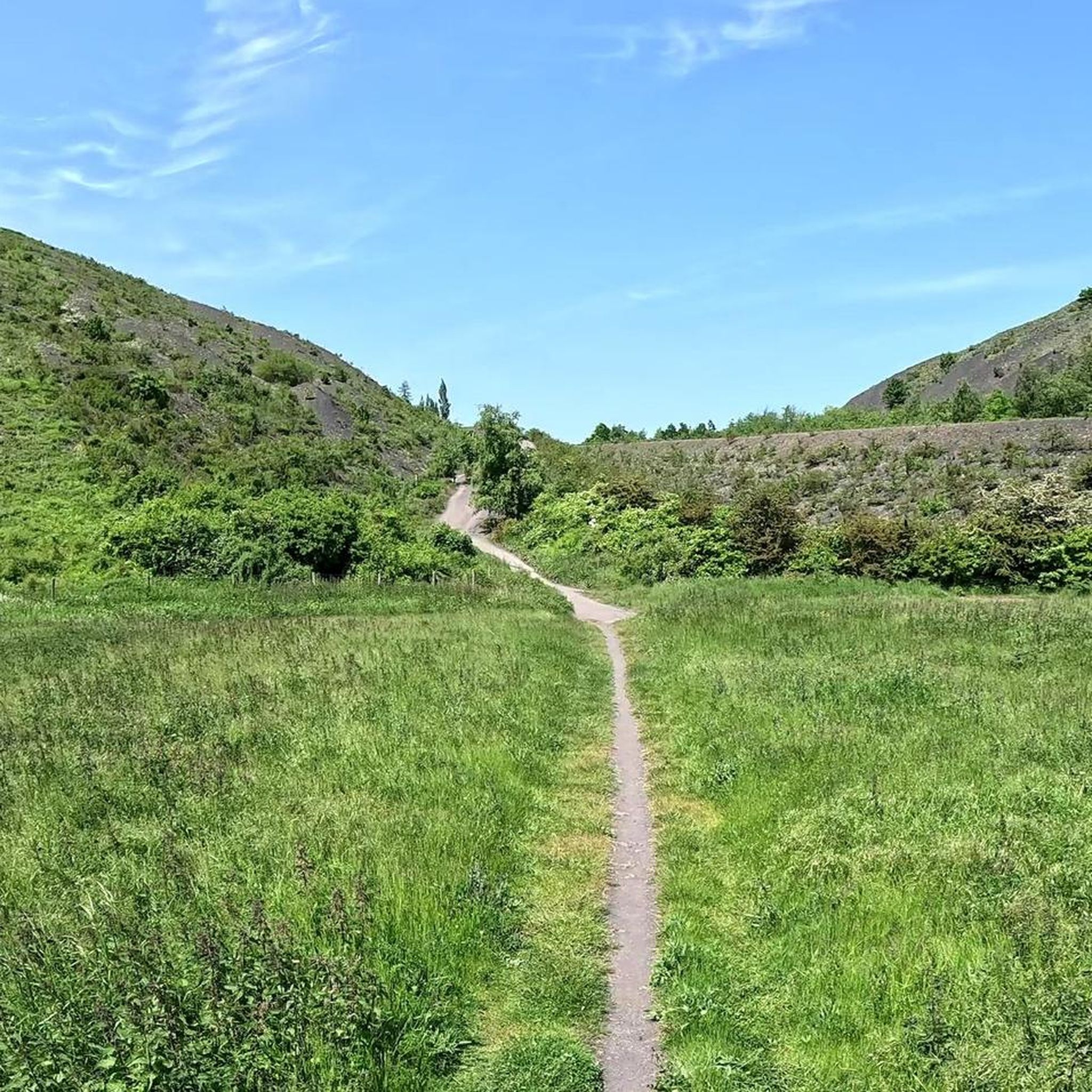
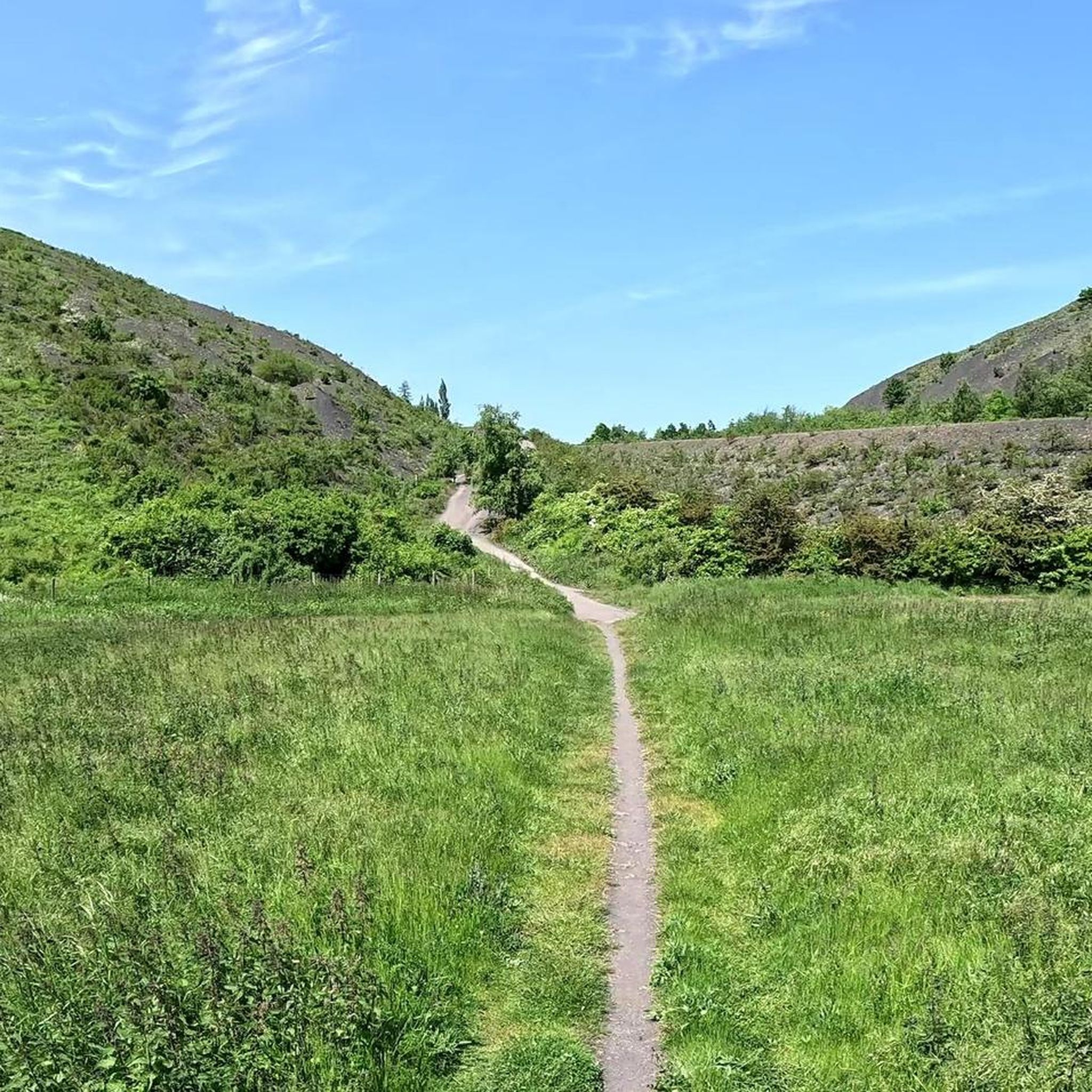
Be careful on a narrow path, in some places a slippery plastic coating covers part of the path
0
0

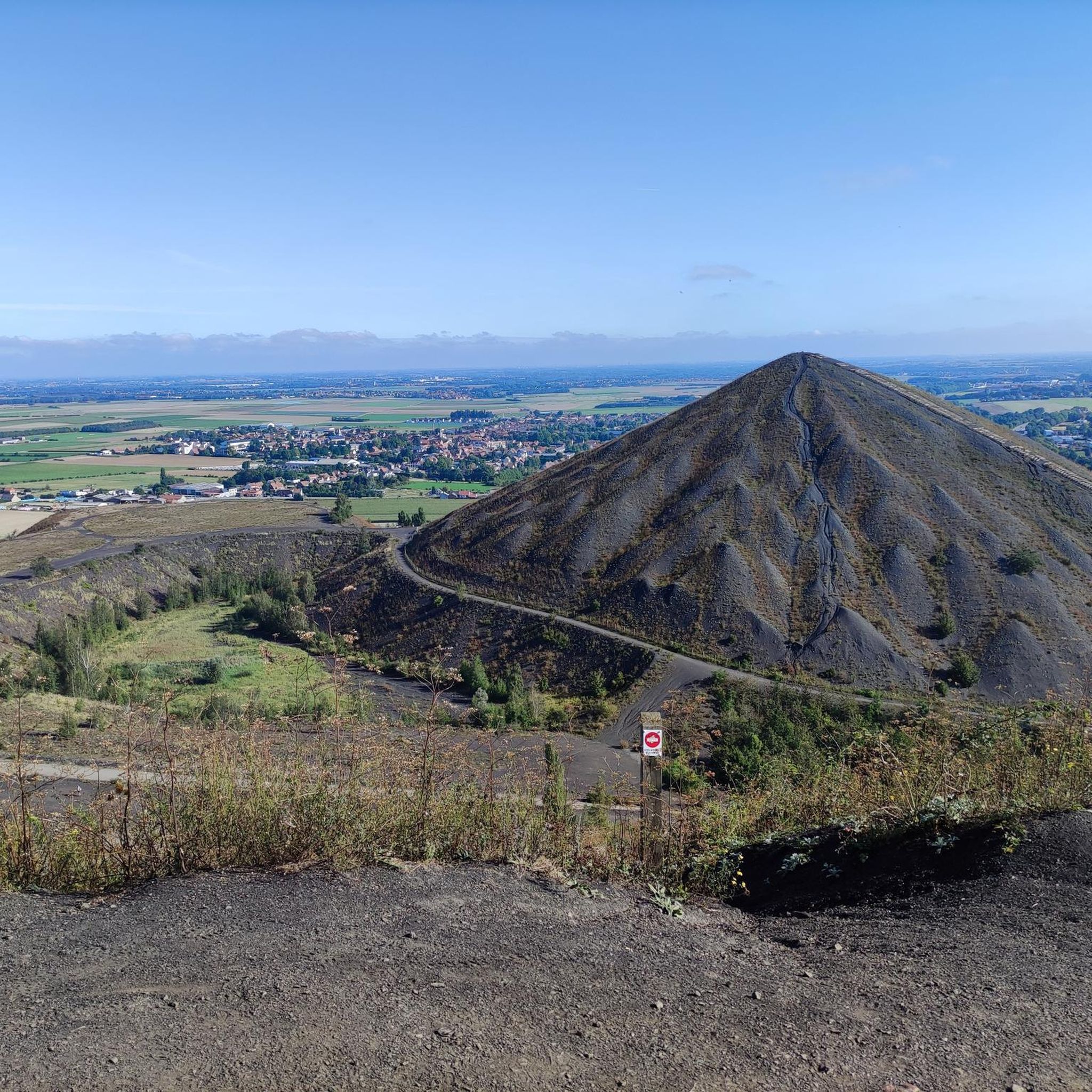
Don't miss the Loos-en-Gohelle slag heap, an astonishing and unusual spectacle. There are five hills made of coal waste, and this one is the highest, reaching 146 meters, the highest in Europe! Hike to the top and admire the views. You can see how nature has transformed the hills with plants, animals and even grapes. Take the opportunity to learn about this UNESCO World Heritage site and discover its rich history and culture at Base 11/19.
4
0

Beautiful slag heap accessible to the most athletic 3 switchbacks without a plateau to reach the top and admire the beautiful view of the Harnesien and the Carvinois and other summits of the slag heaps that surround it.
0
0

Great playground for mountain bikers! Beautiful climbs and single around the slag heaps!
0
0
자주 묻는 질문
Éleu-Dit-Leauwette 주변의 가장 두드러진 자연 명소는 무엇인가요?
Éleu-Dit-Leauwette 주변 지역은 역사적이고 복원된 산업 자연 명소가 독특하게 조화를 이루고 있습니다. 가장 두드러진 명소로는 유럽에서 가장 높은 석탄 폐기물 언덕인 루스-앙-고엘 폐석 더미와 높은 전망을 제공하는 폐석 더미 74 및 74a가 있습니다. 또한, 빔리 능선 포탄 구덩이는 제1차 세계 대전 포격의 상처를 보존하는 가슴 아픈 역사 유적지 역할을 합니다.
이 지역에서 어떤 종류의 자연 지형을 볼 수 있나요?
자연 과정과 역사적 사건 모두에 의해 형성된 풍경을 만나게 될 것입니다. 식물로 뒤덮여 복원된 산업 현장인 독특한 폐석 더미(테릴)와 빔리 능선의 보존된 포탄 구덩이와 같은 독특한 지형을 기대할 수 있습니다. 이러한 장소들은 자연이 인간의 역사와 어떻게 통합되고 복원되는지에 대한 흥미로운 모습을 제공합니다.
Éleu-Dit-Leauwette 주변에 가족 친화적인 자연 명소가 있나요?
네, 여러 장소가 가족에게 적합합니다. 빔리 능선 포탄 구덩이와 인접한 빔리 재단 100주년 공원 모두 가족 친화적인 곳으로 표시되어 있습니다. 이 장소들은 자연 탐험과 함께 역사에 대한 교육 기회를 제공합니다.
이 자연 명소 근처에서 어떤 야외 활동을 할 수 있나요?
이 지역은 다양한 야외 활동에 훌륭합니다. 하이킹, 산악 자전거, 사이클링을 즐길 수 있습니다. 자세한 경로는 Éleu-Dit-Leauwette 주변의 하이킹 가이드, MTB 트레일 가이드, 사이클링 가이드를 탐색해 보세요. 많은 경로는 폐석 더미와 역사 유적지를 포함하여 다양한 지형과 경관을 제공합니다.
이러한 장소 주변에 추천하는 특정 하이킹 트레일이 있나요?
물론입니다. 루스-앙-고엘 폐석 더미와 같이 탁 트인 전망을 제공하는 폐석 더미 정상으로 이어지는 트레일을 찾을 수 있습니다. Éleu-Dit-Leauwette 주변 하이킹 가이드에는 '아비옹 출발 핀숑발레스 테릴 루프'와 '렌스 출발 폐석 더미 74 및 74a – 11/19 광산 루프'와 같은 다양한 난이도의 코스가 포함되어 있습니다.
이 자연 명소들은 어떤 역사적 중요성을 가지고 있나요?
이 지역의 많은 자연 명소는 역사와 깊이 얽혀 있습니다. 빔리 능선 포탄 구덩이는 제1차 세계 대전의 격렬한 포격의 직접적인 결과이며 과거를 강력하게 상기시켜 줍니다. 루스-앙-고엘 폐석 더미와 같은 폐석 더미는 이 지역의 산업 채굴 유산의 잔재이며, 현재 유네스코 세계 문화유산으로 인정받고 있습니다.
방문할 만한 근처에 보호된 자연 보호 구역이 있나요?
Éleu-Dit-Leauwette 자체는 역사적 및 산업적 자연 명소로 더 잘 알려져 있지만, 합리적인 거리에 여러 보호된 지역 자연 보호 구역이 있습니다. 여기에는 마레 드 바뇽빌(약 18km), 브레드 투르비에르(약 30km), 프레 데 노네트(약 31km)가 포함되며, 다양한 생태계와 야생 동물을 제공합니다.
자연 명소를 방문하기 가장 좋은 시기는 언제인가요?
봄과 가을은 일반적으로 온화한 기온과 아름다운 계절 색상으로 탐험하기에 가장 쾌적한 날씨를 제공합니다. 여름도 좋을 수 있지만, 특히 폐석 더미를 오를 때 더운 날씨에 대비해야 합니다. 겨울 방문도 가능하지만, 트레일이 진흙투성이거나 미끄러울 수 있으며 일부 시설은 운영 시간이 단축될 수 있습니다.
이 자연 명소에 개를 데려갈 수 있나요?
이 지역의 많은 야외 자연 장소는 특히 트레일에서 개를 목줄에 매면 동반할 수 있습니다. 그러나 보호 구역이나 역사 공원 내에서는 특정 규정이 장소마다 다를 수 있습니다. 방문 전에 애완동물에 관한 최신 규칙을 확인하기 위해 현지 표지판이나 공식 웹사이트를 확인하는 것이 항상 좋습니다.
폐석 더미(테릴)는 자연 명소로서 어떤 점에서 독특한가요?
폐석 더미는 수십 년에 걸쳐 자연에 의해 복원된 석탄 폐기물로 만들어진 인공 산이기 때문에 독특합니다. 산업 역사와 생태 재생의 흥미로운 조화를 나타냅니다. 루스-앙-고엘 폐석 더미와 같은 장소는 높이와 탁 트인 전망뿐만 아니라 독특한 식물과 동물이 이러한 환경에 적응하고 일부는 포도밭까지 재배하는 생물 다양성으로도 중요합니다.
대중교통이나 자동차로 이 자연 명소에 어떻게 접근할 수 있나요?
접근성은 특정 장소마다 다릅니다. 빔리 능선 주변이나 주요 폐석 더미와 같은 더 큰 장소에는 일반적으로 자동차 주차 시설이 있습니다. 대중교통을 이용하려면 일반적으로 기차나 버스로 근처 마을(렌스 또는 리에뱅 등)에 도착한 후 지역 버스 서비스나 택시를 이용하여 명소 자체에 도착해야 합니다. 지역 교통 웹사이트를 사용하여 미리 경로를 계획하는 것이 좋습니다.
엘뢰디로웨트 주변에서 가장 인기 있는 명소


더 살펴보기
엘뢰디로웨트 주변의 최고의 동굴을 찾기 위해 이 가이드를 확인해보세요:
