카노벨에서 가장 멋진 20개의 천연기념물
천연기념물을 방문하여 카노벨의 아름다운 풍경을 만나보세요. 카노벨에 있는 20
개의 천연기념물과 상세 정보를 살펴본 후에 방문하고 싶은 천연기념물을 다음 모험 계획에 추가해보세요!
마지막 업데이트: 6월 4, 2026

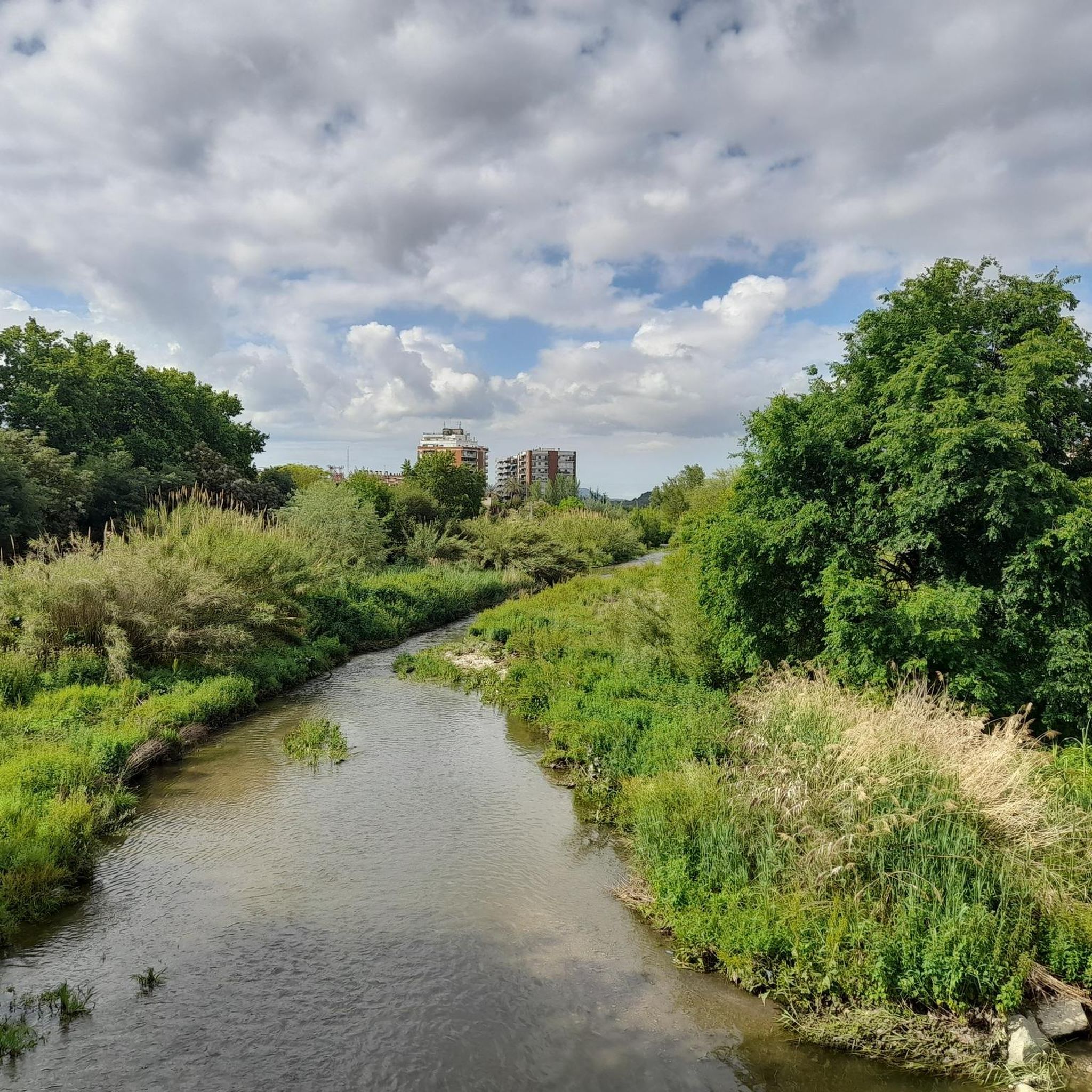
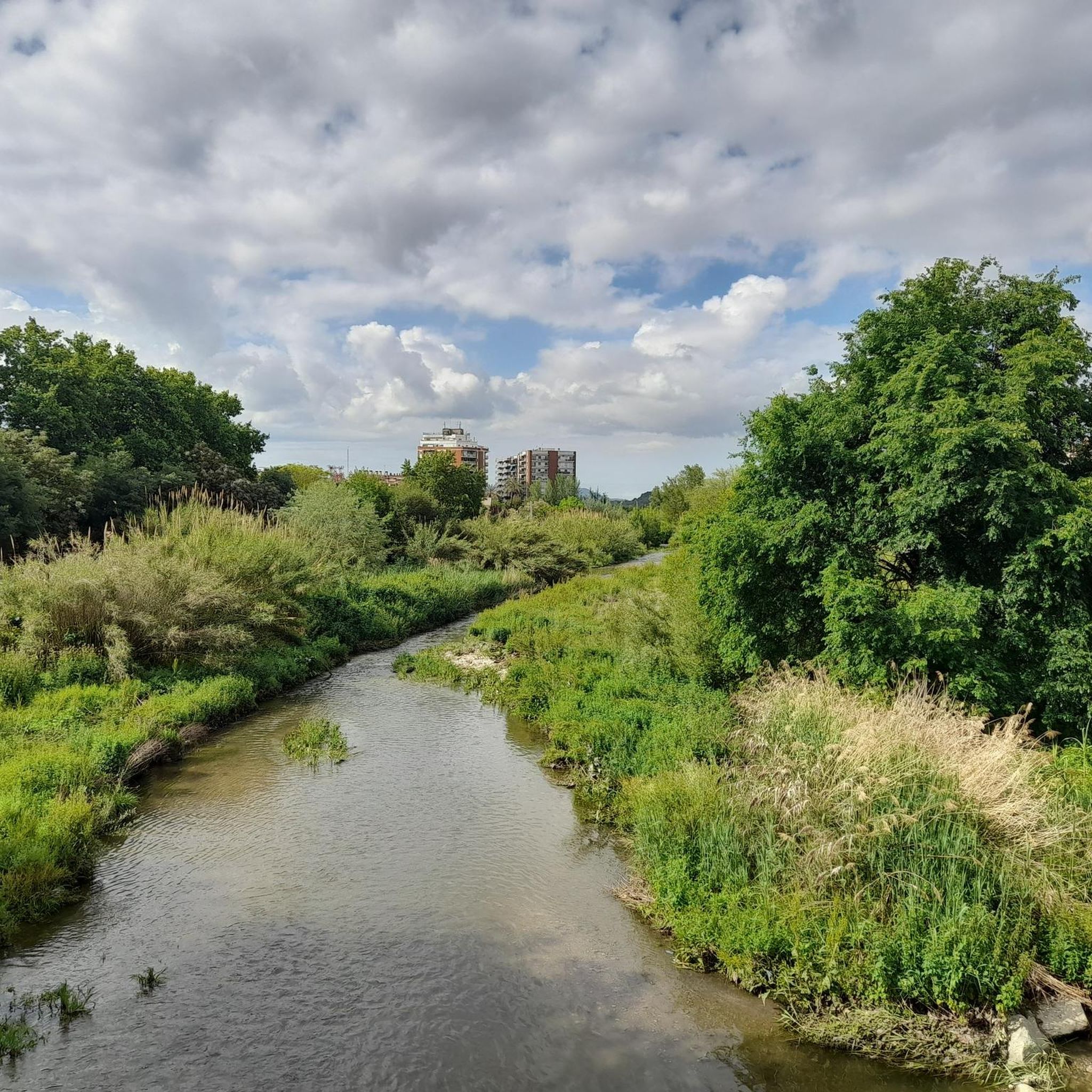
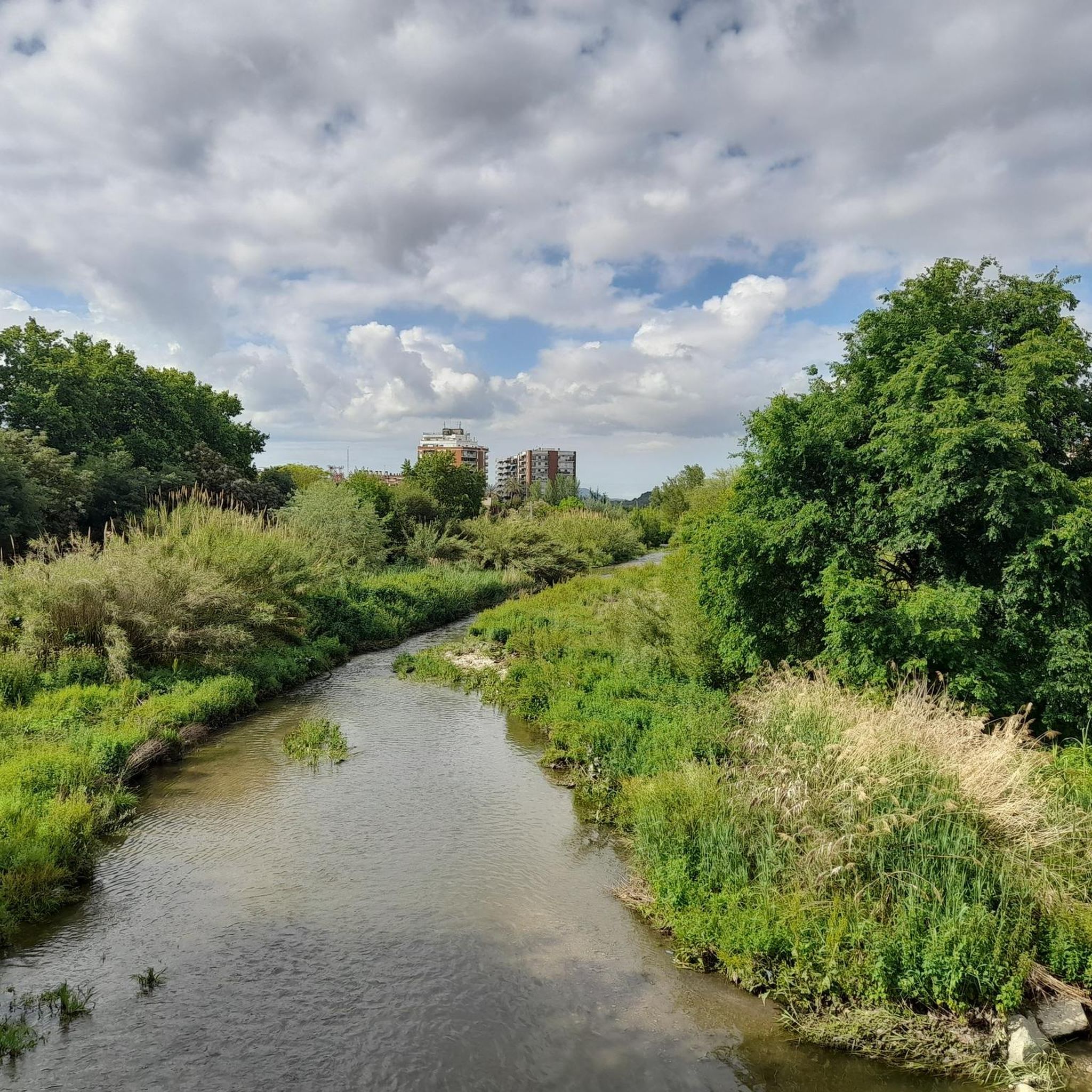
Parc del Falgar i la Verneda의 호수
하이라이트 • 호수
번역자 Google •
팁에 의해
이런 장소를 발견하려면 지금 가입하세요
최고의 싱글 트랙, 봉우리 및 다양한 흥미로운 야외 장소에 대한 추천을 받아보세요.
무료 회원 가입
폰트 델 레오, 칼데스 데 몬트부이
하이라이트 • 자연 기념물
번역자 Google •
팁에 의해

오늘 무료 계정으로 시작하세요
다음 모험이 기다리고 있어요.
로그인 또는 가입하기

커뮤니티 팁

Real nice, shame it's only about 2 km but also a shame there aren't more such roads in the area. Go when there's no racing or practice sessions at the nearby Montmeló circuit!
0
0

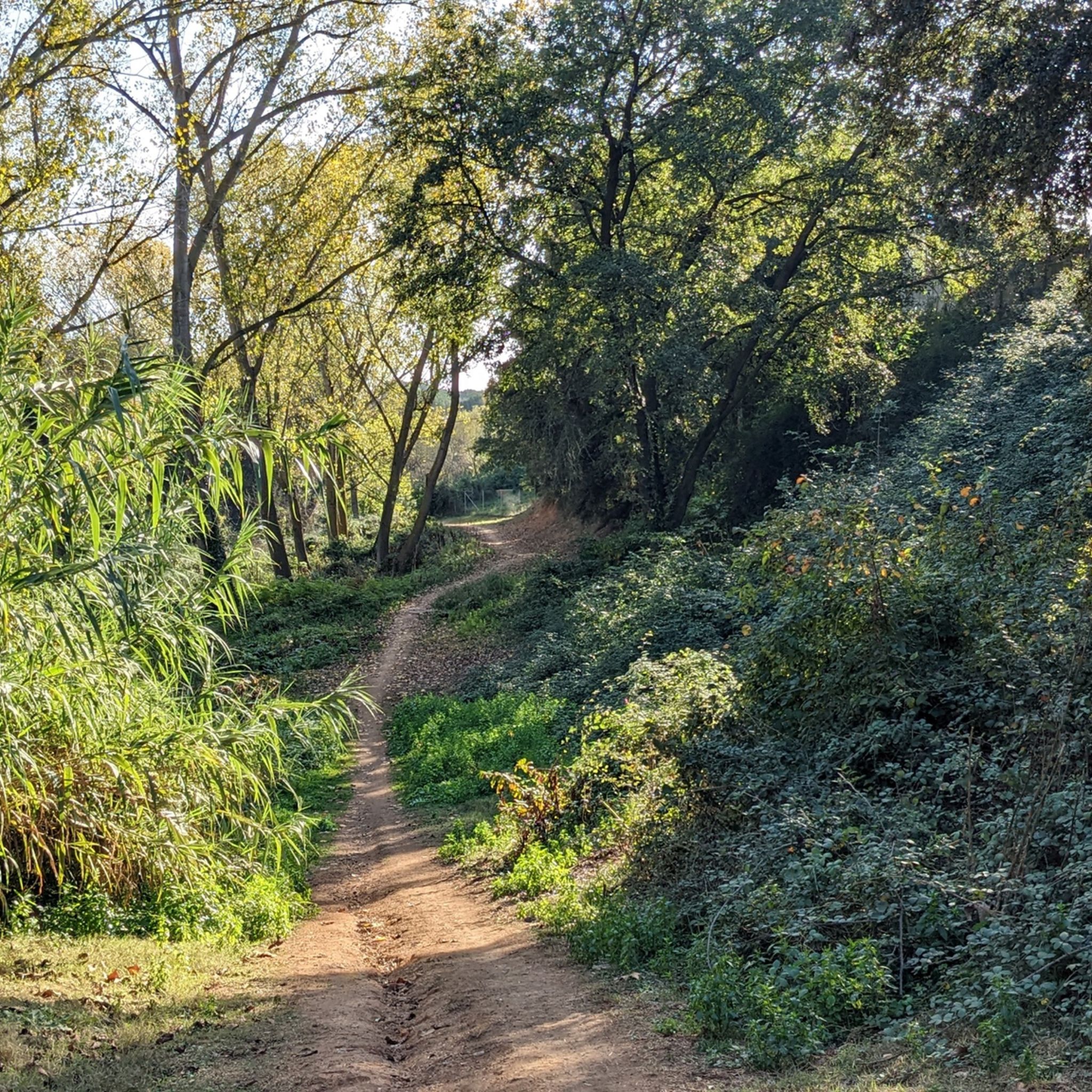
Good park, both in summer and winter
0
0

A very interesting megalithic area, both for its history and for the countless tracks, trails, and trials, each more fun than the last.
2
0

It is a megalithic monument that has been classified as a cist and, at other times, as a corridor dolmen. It is at an elevation of 370 meters and the construction measures about 2.25 meters in length and 1.55 meters in width, and occupies an area of 3 square meters. The chamber is polygonal and the entrance faces southwest. The dolmen was discovered in 1929 and excavated for the first time by Josep Colominas the following year. Later, in the 1950s, Josep Estrada carried out new archaeological excavations there, in which he found some ceramic fragments. This same researcher chiseled and straightened some of the slabs of the monument, and moved them from their original place.
1
0

This interesting archaeological site is located in the forest of the municipality of La Roca del Vallés. It belongs to the Popular Neolithic period. It is moderately preserved because it does not present all its original structure. It is a small gallery. It preserves a rectangular chamber with a cover and a slab on the left side of its access corridor. The chamber is oriented to the southwest and it is believed that the original corridor must have been about 2 m long and the mound could reach 8 m in diameter. Two aspects of this construction could be highlighted, one is its location, fully dominating the Pre-coastal Depression, which indicates that it could be seen from many places, and the other is the orientation axis of the chamber, with the entrance to the southwest, made little usual.
20
0

[ENG] The dolmen of Céllecs, dolmen of Séllecs, dolmen of the Cabana del Moro de Céllecs, dolmen of the Cabana del Moro, Cava del Moro or Cabana del Moro[1] is located in the Parc de la Serralada Litoral, specifically at Roca del Vallès . Description Some sources consider it of the small low Catalan gallery type and others a rectangular cist. The head slab, two side slabs, two smaller ones that must have belonged to the gallery, and the very large roof slab are preserved. The rest of the gallery has disappeared and little remains of the mound - only a few stones behind the dolmen on the NE side. The room, rectangular, is oriented to the southwest. According to Mr. J. Tarrús, the original corridor must have been about 2 m long and the mound could reach 8 m in diameter. Discovered in 1929 by the Agrupació Excursionista de Granollers, it was excavated by Josep Colomines and he found only a fragment of handmade earthenware. After excavations, it was raised again and given its current layout. It is dated between the late Neolithic and the Chalcolithic (2500-1800 BC). [ESP] The dolmen of Céllecs, dolmen of Séllecs, dolmen of the Cabaña del Moro de Céllecs, dolmen of the Cabaña del Moro, Cava del Moro or Cabaña del Moro[1] is located in the Parque de la Cordillera Litoral, specifically in the Roca del Valley Description Some sources consider it to be of the small Catalan low gallery type and others a rectangular cist. The head slab, two lateral ones, two smaller ones that should have belonged to the gallery, and the very large cover slab are preserved. The rest of the gallery has disappeared and few vestiges of the tumulus remain: only a few stones behind the dolmen, on the NE side. The rectangular room faces southwest. According to Mr. J. Tarrús, the original passage must have been about 2 m long and the mound could reach 8 m in diameter. Discovered in 1929 by the Excursionist Association of Granollers, Josep Colomines excavated it and found only a handmade clay fragment. After the excavations, it rose again and was given its current layout. It is dated between the final Neolithic and the Chalcolithic (2500-1800 BC). Source: Wikipedia
7
0

An artificially created place, but it is a recommended place to relax, watching the birds in the lake, then there is a part for children and a car park. An artificially created place, but it is a recommended place to relax, watching birds in the lake, then there is a part for children and a car park.
4
0

It is a source with little built-up immediate surroundings located behind the Santuari de Puiggraciós, at the foot of the track that goes down to Sant Pau de Montmany. On a small slope, a blind wall reminiscent of a beam has been built with more or less rough stones and bound with lime mortar. This is well connected to the lower part of the structure, while the upper part, where it has a semi-circle shape, the stones are arranged following the dry stone technique. In the center is a large slab of local stone from which the spout comes out, where there is a small tap with a push button. At the base, a small stone sink is built to collect the residual water. This sink has a semicircular shape and is made of small stones grouted with contemporary cement, but the original mortar is lime. The fountain works properly and the water that comes out, at the time of the visit, is abundant. In 1936, the temple was desecrated and subsequently restored in the period between 1951 and 1955 by the architect Lluís Bonet i Garí, initiated at the request of the rector of Ametlla Mn. Jesús Ventura The inauguration of these actions took place in 1957. It is possible that at this time when the immediate surroundings of the Marian sanctuary were fixed, the fountain was fixed, which certainly already existed before.
0
0
카노벨 주변에서 가장 인기 있는 명소


더 살펴보기
카노벨 주변의 최고의 동굴을 찾기 위해 이 가이드를 확인해보세요:
