천연기념물을 방문하여 웬드론의 아름다운 풍경을 만나보세요. 웬드론에 있는 20
개의 천연기념물과 상세 정보를 살펴본 후에 방문하고 싶은 천연기념물을 다음 모험 계획에 추가해보세요!
마지막 업데이트: 6월 3, 2026
하이라이트 • 자연 기념물
번역자 Google •
팁에 의해
이런 장소를 발견하려면 지금 가입하세요
최고의 싱글 트랙, 봉우리 및 다양한 흥미로운 야외 장소에 대한 추천을 받아보세요.
무료 회원 가입
하이라이트 (구간) • 해변
번역자 Google •
팁에 의해
하이라이트 • 성
팁에 의해
무료로 가입하여 웬드론 주변의 더 많은 자연 기념물을 발견하세요.
무료 회원 가입
이미 komoot 계정이 있나요?
오늘 무료 계정으로 시작하세요
다음 모험이 기다리고 있어요.
로그인 또는 가입하기
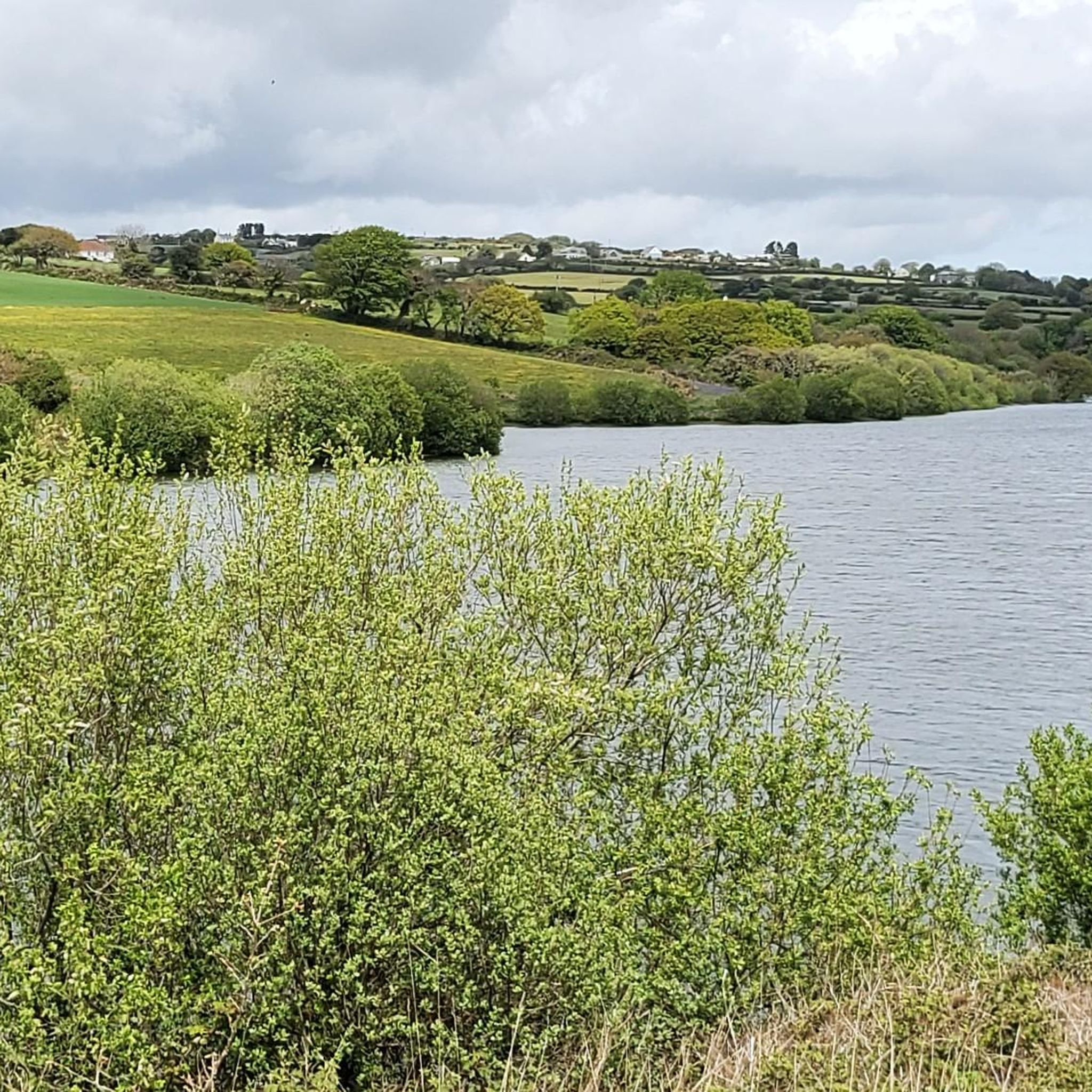
This is a nice combination. From Loe Baar you have a view of the sea on one side and a view of a freshwater lake on the other. This allows you to walk completely around the lake.
12
0
Loe Bar was originally the mouth of the River Cober which led to a harbor at Helston. However, by the 13th century the bar had cut Helston off from the sea and formed the lake. Loe Bar consists largely of chert deposits, although it is not certain where this comes from as the nearest source is more than 200 kilometers away. There is also a reasonable amount of sand. (Cornwall Beaches)
13
1
An area to the east of Loe Pool has been cleared for the reintroduction of Riempjes, a plant belonging to the carnation family (Corrigiola litoralis), which was identified by Natural England in 2020 as being at high risk of extinction. The plant was first sighted on the beach near the tin mine at Helston in 1800. By 1908 it was becoming rarer and was last recorded here in 1915. Its loss was believed to have been caused by a lack of fluctuating water levels following work on the outflow from the lake. By the 20th century beltwort in the UK grew only in Slapton Ley in south Devon. Seed was raised at Paignton Zoo, Devon by the Whitley Wildlife Conservation Trust (WWCT), and in May 2015 over 1,000 seedlings were planted at the eastern end of Loe Pool. (Wikipedia)
13
0
The Loe, also called Loe Pool, is a freshwater lake cared for by the National Trust. Loe actually means 'pool' in Cornish, so Loe Pool is really like saying pool pool! Recently a lot of hard work has gone into improving the declining water quality of the Loe, caused by nearby sewerage treatment works and agricultural run-off. Legend has it that this is where King Arthur threw his sword Excalibur, but it has never been found...
2
0
Pendennis point provides beautiful views of the coast and is only a very short distance from busy Falmouth. The name comes the Cornish Pen (Headland) and Dynas (Castle). Dolphins and Basking Sharks have been spotted here along with more frequent visits from seals. Pendennis Castle began life in the 16th Century as a gun fort and has guarded the entrance to Carrick Roads (Falmouth Estuary) since. It is looked after by English Heritage and open to visitors.
0
0
GB: In Cadjack Cove, tectonic features can be seen, such as faults (described in ⑦) and folds, which were formed during the Variscan orogeny as a result of pressure from the south. These folds are formed on different scales and range from a few inches to several hundred feet. In addition, the folds show different openings and curves. Very narrow folds with pointed angles are called kink bands. However, the folds seen in this bay are not the main folds of orogeny but represent folds that are folded in themselves. Another special feature in this bay is the pink to dark red coloring of the rocks. This is caused by iron-rich water that runs down the cliffs. EN: Tectonic phenomena can be seen in Cadjack Cove, such as faults (described in ⑦) and folds, which were formed by pressure from the south during the Variscan Orogeny. These folds are formed at different scales and range from a few centimeters to several meters. The folds also show different openings and curves. Very tight folds with acute angles are called kink bands. However, the folds seen in this bay are not the main folds of the orogeny, but rather represent folds that fold into themselves. Another special feature in this bay is the pink to dark red color of the rocks. This is caused by iron-rich water running down the cliffs.
0
0
The 7.3 km long circular route takes you back to a time when Cornwall was covered by sea and then became a Europe-wide mountain range. The sedimentary rocks of this area around Portreath were deposited in a deep marine environment during the Devonian age (ca. 393 - 373 million years): Greywacken: Gray rock with fine to coarse grains (0.3 - 2 mm; 0.01 - 0.08 inch), consisting of quartz, feldspars and fragments of foreign rocks. In some cases, shiny/shimmering components can be seen (mica), the rocks form layers and banks. Siltstones: Light gray rock with fine grains (<0.063 mm; <0.002 inch) that are not visible to the naked eye. Layers can be recognized based on the color difference. Slate: Gray to black, sometimes slightly red to greenish colored rocks with very fine grains (<0.02 mm, <0.001 inch), the rocks appear foliated with very thin layers, often alternating with greywackes. The originally horizontal sedimentary layers of Cornwall were tectonically overprinted around 323 - 299 million years ago during the Variscan orogeny (mountain formation). During this time, the southern major continent Gondwana collided with the northern major continents Laurentia and Baltica as well as smaller continent fragments (terranes) such as Avalonia and Amorica. The orogeny ended approximately 270 million years ago with the formation of the supercontinent Pangea. Due to the pressure from the south, the sedimentary rocks were compressed, folded and internally transformed under increasing temperatures. This is how slates emerged from the original claystones. There are no deposits in the area for the period between the formation of the Devonian rocks until 3 million years ago. During the Ice Age 3 million years ago, the region of modern-day Cornwall lay in a tundra area south of the glaciers that covered the Northern Hemisphere. Periglacial deposits from this period can be observed on the cliffs.
0
0
GB: In Cadjack Cove, in addition to large faults, many folds can be seen. These folds are formed in different scales ranging from a few inches to several hundred feet. In addition, the folds show different degrees of openings and roundness. Very narrow folds with pointed angles are called "kink bands". Overall, the folds were formed during the Variscan mountain building phase/orogenesis (417 - 200 Ma). The high pressures from the south have deformed the relatively soft rocks. However, the folds seen in this bay are not the main folds but represent folds that are folded within themselves. Another special feature in this bay are the pink to dark red colored rocks. This change in color is caused by iron-rich water running down the cliffs. EN: In addition to large faults, many folds can also be seen in Cadjack Cove. These folds are formed at different scales and range from a few centimeters to several meters. The folds also show different openings and curves. Very tight folds with acute angles are called “kink bands.” Overall, the folds were formed during the Variscan orogeny (417 – 200 Ma). The strong pressure from the south has deformed the relatively soft rocks. However, the folds seen in this bay are not the main folds, but rather represent folds folded into themselves. Another special feature of this bay are the pink to dark red colored rocks. This discoloration is caused by iron-rich water running down the cliffs.
0
0
웬드론 주변의 최고의 동굴을 찾기 위해 이 가이드를 확인해보세요: