말데젬에서 가장 멋진 20개의 천연기념물
말데겜 주변의 최고의 자연 기념물은 탐험을 위한 다양한 풍경을 제공합니다. 이 지역은 푸른 풍경, 공원, 그리고 중요한 자연 보호 구역을 특징으로 합니다. 방문객들은 해안 서식지부터 내륙 개울, 자연과 통합된 역사 유적지까지 다양한 자연적 특징을 발견할 수 있습니다. 이 지역들은 산책로와 지역 명소를 감상할 기회를 제공합니다.
말데겜 주변의 최고의 자연 기념물
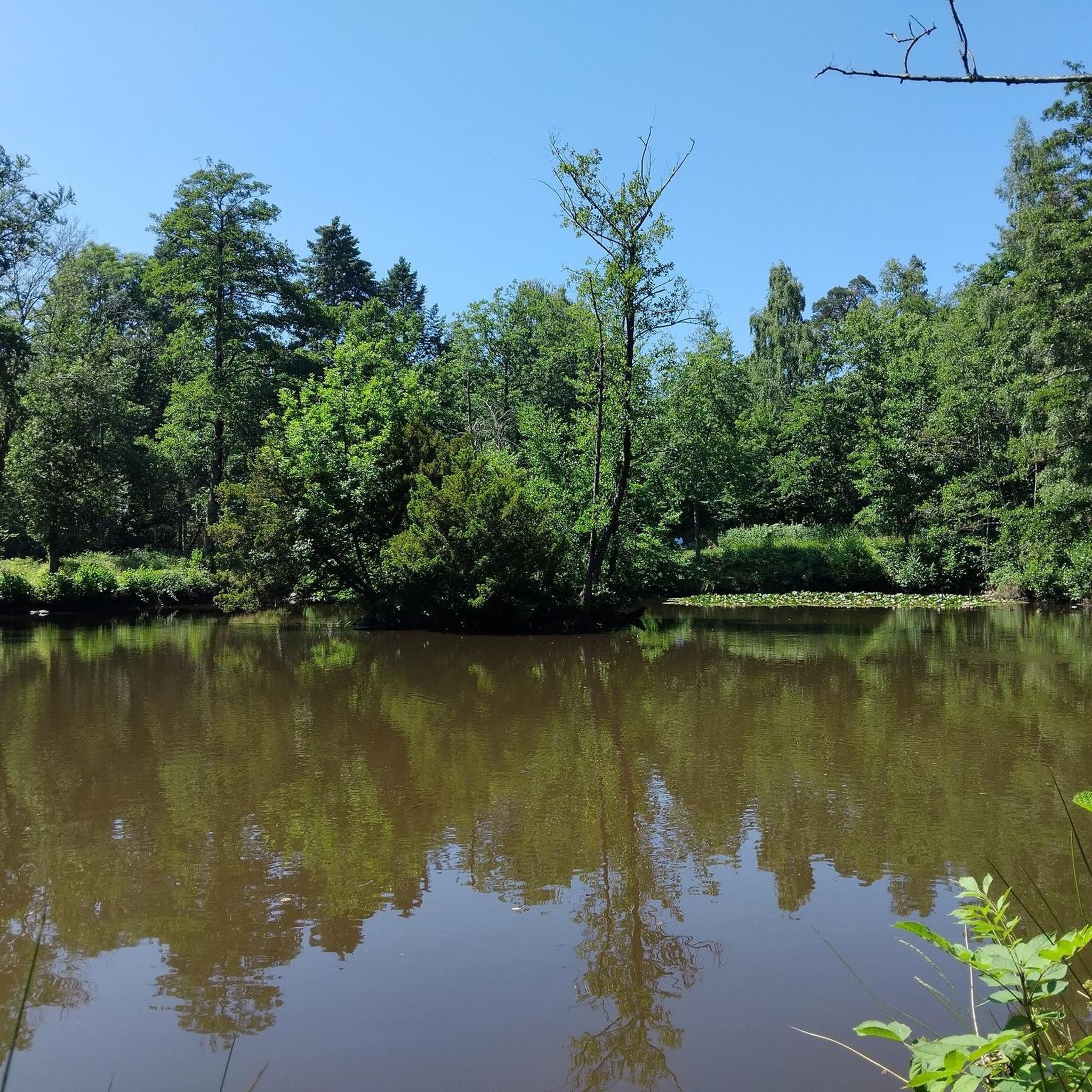
- 가장 인기 있는 자연 기념물은 Boerekreek으로, 메트즐란트 지역에서 가장 큰 개울인 호수입니다. 이곳은 청둥오리와 흰이마기러기를 포함한 다양한 조류 종의 서식지 역할을 합니다.
- 또 다른 꼭 봐야 할 명소는 Zwin…
마지막 업데이트: 8월 22, 2026


이런 장소를 발견하려면 지금 가입하세요
최고의 싱글 트랙, 봉우리 및 다양한 흥미로운 야외 장소에 대한 추천을 받아보세요.
무료 회원 가입
즈윈 자연보호구역 전경
하이라이트 • 전망대
번역자 Google •
팁에 의해

경계 표지석 366
하이라이트 • 기념물
번역자 Google •
팁에 의해
슬루이스 외곽 성벽
하이라이트 • 역사적 장소
번역자 Google •
팁에 의해
무료로 가입하여 말데젬 주변의 더 많은 자연 기념물을 발견하세요.
무료 회원 가입
이미 komoot 계정이 있나요?
오늘 무료 계정으로 시작하세요
다음 모험이 기다리고 있어요.
로그인 또는 가입하기

커뮤니티 팁


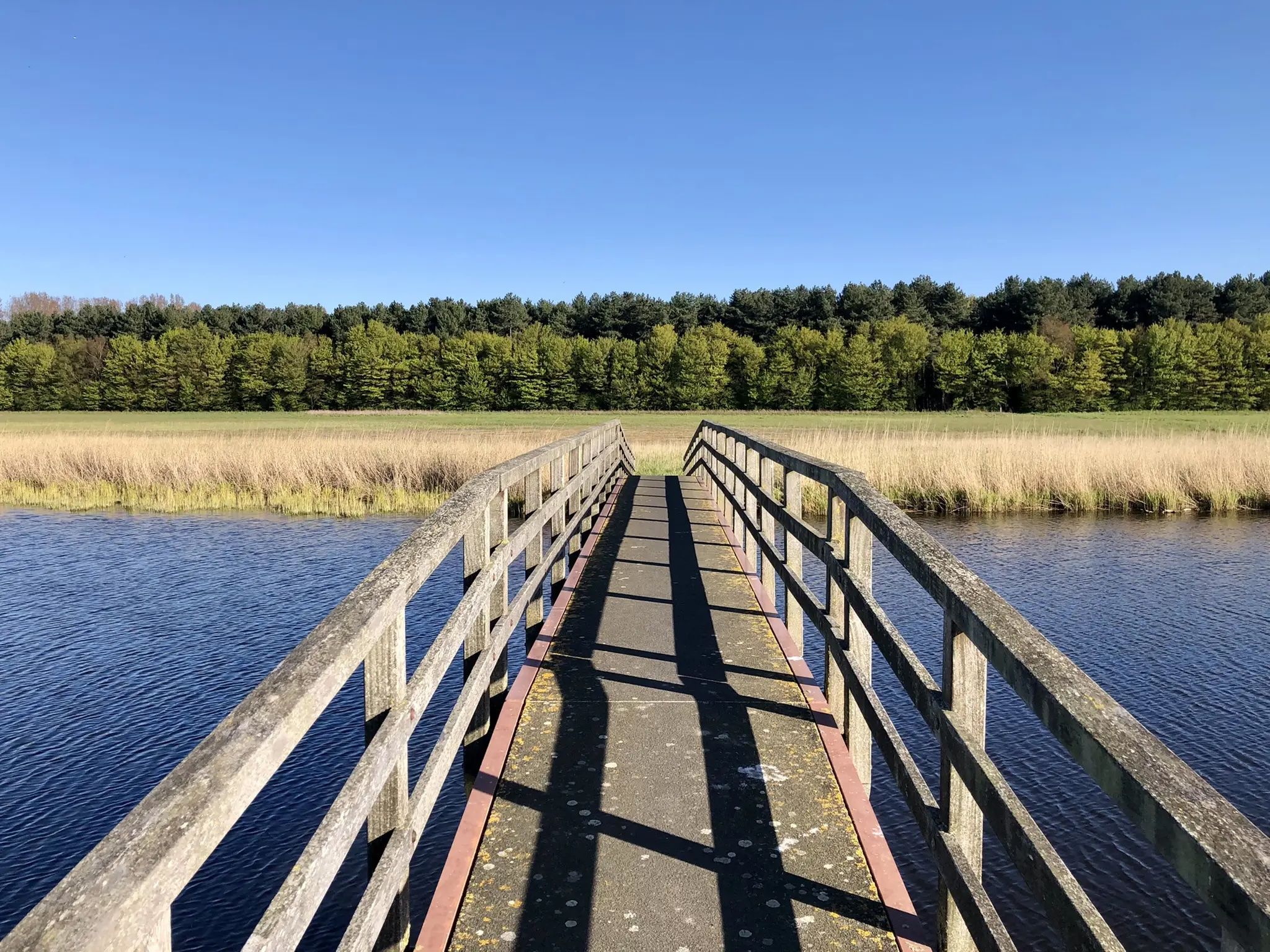
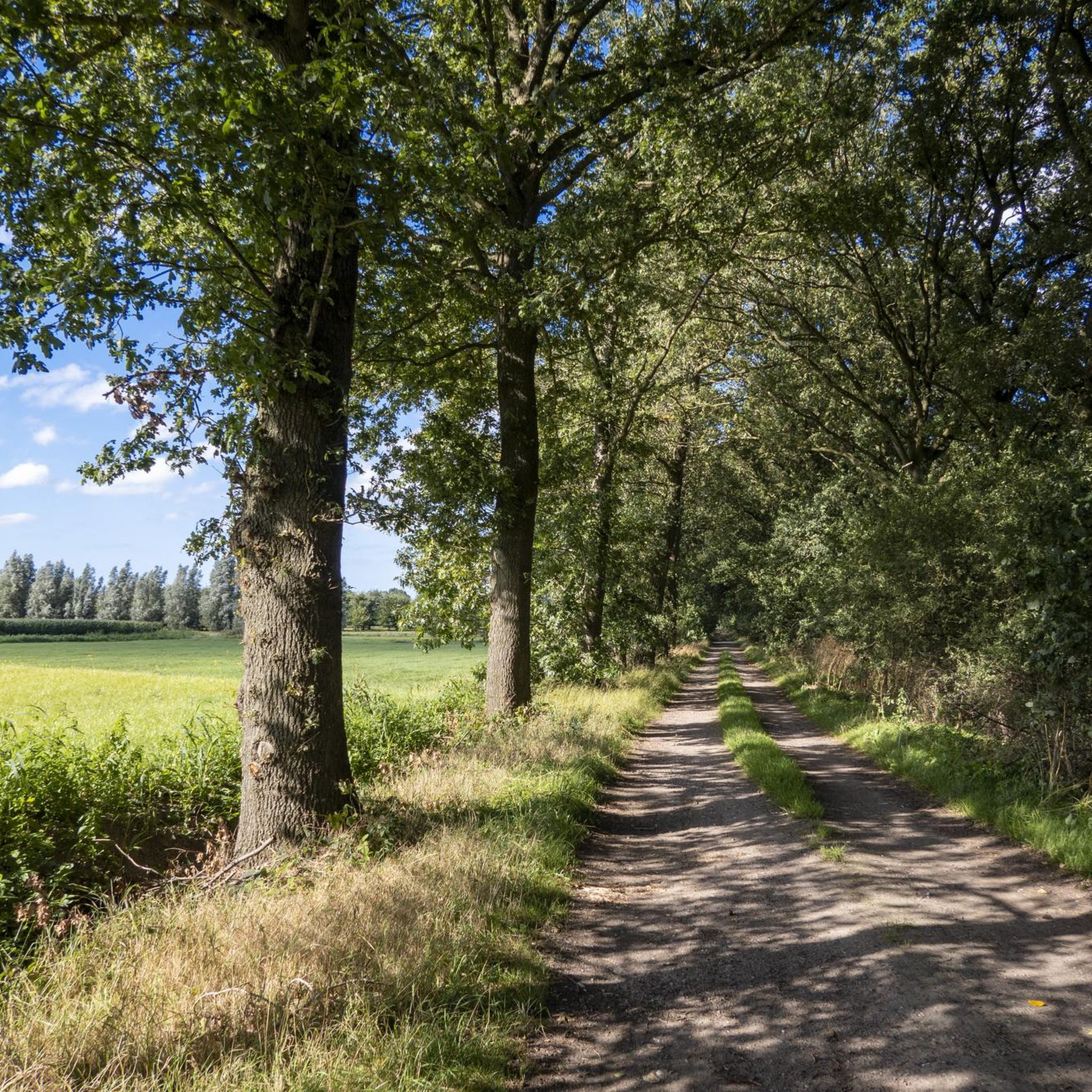
Border post 366 with a great view of the nature reserve Het Zwin
2
0

Beautiful viewpoint of the nature reserve
0
1

In the 13th and 14th centuries, this sea arm - ’t Zwyn - was an important waterway to Bruges. This waterway was created after the sea had penetrated the land around the beginning of the Christian era. The cities of Bruges, Damme and Sluis were located on the Zwin and became flourishing trading centres. But the channel became increasingly shallow and eventually unnavigable. That is why the Zwin was later largely poldered. Nature then took over here. Source: https://www.hetzeeuwselandschap.nl/natuurgebieden/het-zwin
6
0
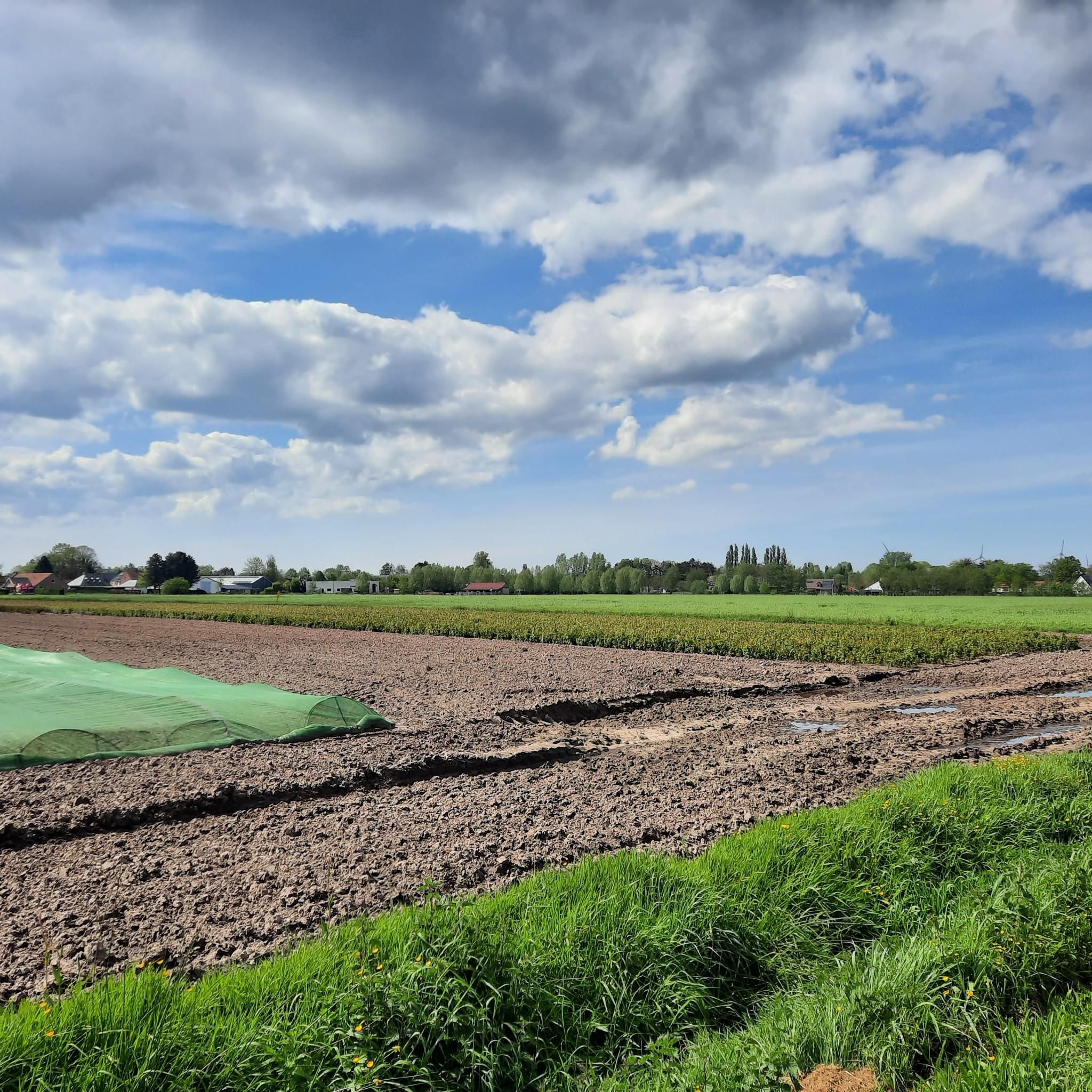
The Zwin is a slufter: a beach plain behind the dunes that is in open connection with the sea. Directly behind the gully mouth lies a sandy beach, further inward lie dunes and salt marshes. Behind the row of dunes lie two small polders, which are managed by the Zeeuwse Landschap: the Kievittepolder and the Oudelandsepolder. In the Zwinweide, once a side channel of the Zwin, is a very varied area where fresh and salt alternate at a short distance. Thanks to the alternation between wet and dry, salt and fresh, and clay and sand, the entire area has a great variety in vegetation and birds. Source and all information for your visit to this Zeeland side of the Zwin at https://www.hetzeeuwselandschap.nl/natuurgebieden/het-zwin
6
0

The Red Light District of Sluis is interesting because of its natural and cultural-historical values. The ramparts date from the 14th century. Sluis flourished at that time as a trading city due to its location on the Zwin. The Zwin was an important estuary and waterway. At the end of the 15th century, Sluis' trade and prosperity declined sharply due to the silting up of the Zwin. But Sluis remained important as a fortress during the Eighty Years' War (1568 to 1648). Nowadays, nature flourishes here. Many characteristic plants grow there and various bird species breed there. In addition, this is one of the few places where you can find the rare tree frog. There is plenty to see and experience during your visit to the Red Light District of Sluis. More information at https://www.hetzeeuwselanden.nl/natuurgebied/wallen-van-sluis
5
0

The demarcation of the border starts with border post number 1 at the Drielandenpunt in Vaals and ends with border post number 365 in the Zwin west of Retranchement in Zeeuws-Vlaanderen. When border marker 1 in Vaals was established, this was still a Four-Country Point, after all, until the Treaty of Versailles of June 28, 1919, Belgium, the Netherlands, Prussia and the neutral region of Moresnet bordered each other here. Boundary marker 365 was the last marker until 1869. Further towards the North Sea, the border was formed by the Zwin estuary. After diking the area, boundary posts 366 to 369 were placed. They bear the year 1869.
15
0


