모이타에서 가장 멋진 7개의 동굴
성을 방문하는 건 언제나 특별한 일이에요. 하이킹을 하다가 잠깐 들를 때도, 가이드를 따라 제대로 둘러볼 때도 말이죠. 모이타에 있는 아름다운 성 7
곳을 아래에서 살펴본 후에 마음에 드는 성을 다음 모험 때 만나보세요!
마지막 업데이트: 9월 15, 2026

팔멜라 성
하이라이트 • 성
en.m.wikipedia.org/wiki/Castle_of_Palmela
번역자 Google •
팁에 의해

이런 장소를 발견하려면 지금 가입하세요
최고의 싱글 트랙, 봉우리 및 다양한 흥미로운 야외 장소에 대한 추천을 받아보세요.
리스본의 카사 두 알렌테주
하이라이트 • 레스토랑
Glimpses of Morocco in the entrance hall, with …
번역자 Google •
팁에 의해

Pousada Castelo de Palmela
하이라이트 • 성
During the Islamic period and the Christian offensive in the 12th and …
번역자 Google •
팁에 의해


오늘 무료 계정으로 시작하세요
다음 모험이 기다리고 있어요.
커뮤니티 팁

The Rio Frio Palace was built in the early 20th century, in a privileged location near Montijo, Alcochete, and the banks of the Tagus River. Once, the property, covering approximately 17,000 hectares, was considered one of the largest estates in the country, primarily producing wine. In subsequent generations, the estate was inherited by a nephew of José Maria dos Santos, Alfredo Santos Jorge, who commissioned the construction of the Rio Frio Palace. Dona Maria de Lourdes Pereira Lupi d'Orey, the current owner of the Rio Frio Palace and great-niece of Alfredo Santos Jorge, recalls the magic of life on the estate. From a large family deeply connected to the countryside and agriculture, her brother José Samuel Lupi stands out as a bullfighting figure. The house offers elegant décor, with a magnificent collection of tiles by Jorge Colaço. It offers an enchanting journey through the gardens and woods, providing a unique experience. (Source: www.solaresdeportugal.pt)
18
0

Panoramic Views – Hotel Palmela Formerly a Convent of the Order of Santiago, nestled in a medieval castle, the Pousada of Palmela, also known as Hotel Palmela, has retained its majesty and the dignity of its former use, whilst offering luxurious accommodation. The cloisters remain intact within the surrounding gallery and are now used as a haven of peace and tranquillity for guests to enjoy. The former convent rooms are now sitting rooms and the convent refectory is now the hotel dining room. The Hotel Palmela is situated 40 kms from Lisbon and its hilltop setting offers breathtaking panoramic views of the surrounding area. This historic Hotel Castelo De Palmela has 28 rooms, including 7 superior rooms and 7 suites. All rooms have en-suite bathroom, air conditioning/heating, minibar, hairdryer, safe, telephone, cable TV and internet access. The Pousada Palmela is set in a charming hilltop town centred round the castle which was built by the Moors following their reconquest in the 12th century. It lies at the heart of one of Portugal’s famous wine producing regions. Other Information Lisbon airport is 46 kms Adjoining rooms available Excellent conference/meeting facilities Stunning wedding location Palmela Railway Station 3 kms RNET 1551
4
0
In wartime situations, it controlled the space between Lisbon and the South, between the Tagus and Sado rivers. During the Islamic period and the Christian offensive in the 12th and 13th centuries, this geostrategic position was compatible with other fortified sites—Coina, Sesimbra, and the Sado riverbank. In the surrounding area—with good conditions for grazing and a large area of agricultural land—some rural communities settled during the Islamic period, such as the village of Alto da Queimada (Serra do Louro). Inside the wall, the ruins of the Church of Santa Maria do Castelo welcome visitors: Palmela's first parish church, probably from the 12th century (founded by King Afonso Henriques?), subject to interventions mainly in the 16th and 17th centuries and severely damaged by the 1755 earthquake. The walls, the pentagonal Keep—a 16th-century construction—are part of the original structure. The castle dates back to the 14th century, where the Bishop of Évora, D. Garcia de Meneses, was imprisoned in the waterless cistern for conspiring against King John II. The bishop died there from poisoning in 1484. The parade ground and barracks are worth visiting. As it stands, the castle is the result of several construction campaigns—repairs, reconstructions, and expansions—up until the 18th century. Archaeological work has identified some sections of the wall from the Islamic period, and other construction phases are recognized, likely dating from the post-reconquest period and, later, from the reign of King John I. The bastion system that surrounds the first line of fortification was commissioned by King Pedro II. In the house of the Prior-Major of the Order, or the military commander of the fortress—after the abolition of the orders (in 1834)—the explorer of African lands, Hermenegildo Carlos de Brito Capelo, son of the fortress's governor, was born on February 4, 1841. Palmela Castle was classified as a National Monument by Decree-Law of June 16, 1910. Parking outside the walls is recommended.
6
0
In wartime situations, it controlled the space between Lisbon and the South, between the Tagus and Sado rivers. During the Islamic period and the Christian offensive in the 12th and 13th centuries, this geostrategic position was compatible with other fortified sites—Coina, Sesimbra, and the Sado riverbank. In the surrounding area—with good conditions for grazing and a large area of agricultural land—some rural communities settled during the Islamic period, such as the village of Alto da Queimada (Serra do Louro). Inside the wall, the ruins of the Church of Santa Maria do Castelo welcome visitors: Palmela's first parish church, probably from the 12th century (founded by King Afonso Henriques?), subject to interventions mainly in the 16th and 17th centuries and severely damaged by the 1755 earthquake. The walls, the pentagonal Keep—a 16th-century construction—are part of the original structure. The castle dates back to the 14th century, where the Bishop of Évora, D. Garcia de Meneses, was imprisoned in the waterless cistern for conspiring against King John II. The bishop died there from poisoning in 1484. The parade ground and barracks are worth visiting. As it stands, the castle is the result of several construction campaigns—repairs, reconstructions, and expansions—up until the 18th century. Archaeological work has identified some sections of the wall from the Islamic period, and other construction phases are recognized, likely dating from the post-reconquest period and, later, from the reign of King John I. The bastion system that surrounds the first line of fortification was commissioned by King Pedro II. In the house of the Prior-Major of the Order, or the military commander of the fortress—after the abolition of the orders (in 1834)—the explorer of African lands, Hermenegildo Carlos de Brito Capelo, son of the fortress's governor, was born on February 4, 1841. Palmela Castle was classified as a National Monument by Decree-Law of June 16, 1910. Parking outside the walls is recommended.
7
0

Behind the simple facade on Rua das Portas de Santo Antão lies one of the city's most magnificent palaces – a true architectural gem. What now serves as a cultural center and restaurant was originally built in the 17th century as the city palace of the Alverca family. The magnificent rooms, with their Moorish and neo-Baroque elements, speak of bygone splendors. Access to the courtyard in front of the restaurant is free, but in return, quiet and consideration for the "actual" guests are expected. ;-)
2
1

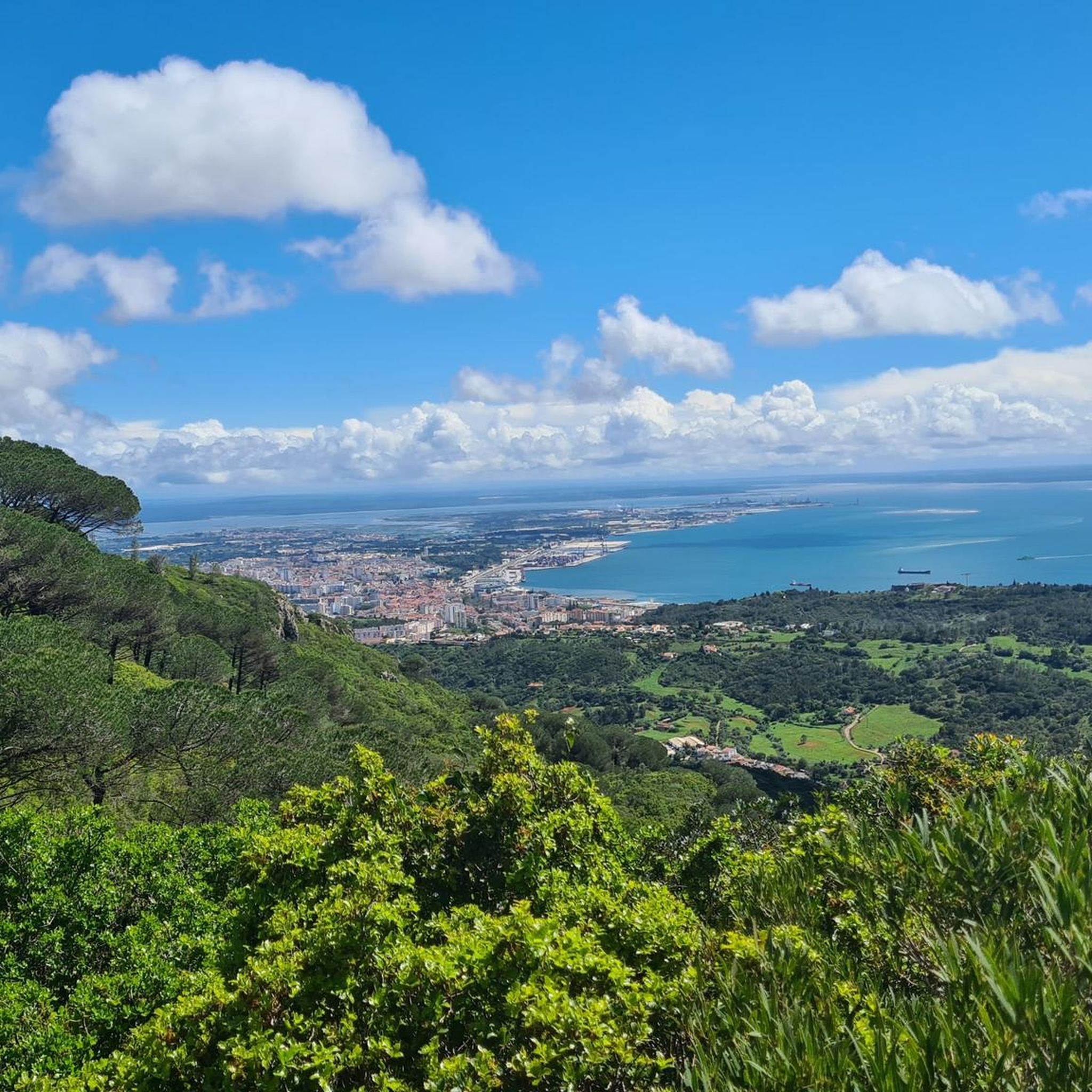
The absolute highlight is the location. Fantastic panoramic view from the Atlantic to Lisbon. The rooms are large and functionally furnished, the bathroom is large and has a bathtub. Breakfast - the usual as in all PESTANA hotels, not really great, but sufficient. The staff is friendly. Anyone looking for absolute peace and quiet and a starting point for exploring the Alentejo and Lisbon is in good hands here.
4
3
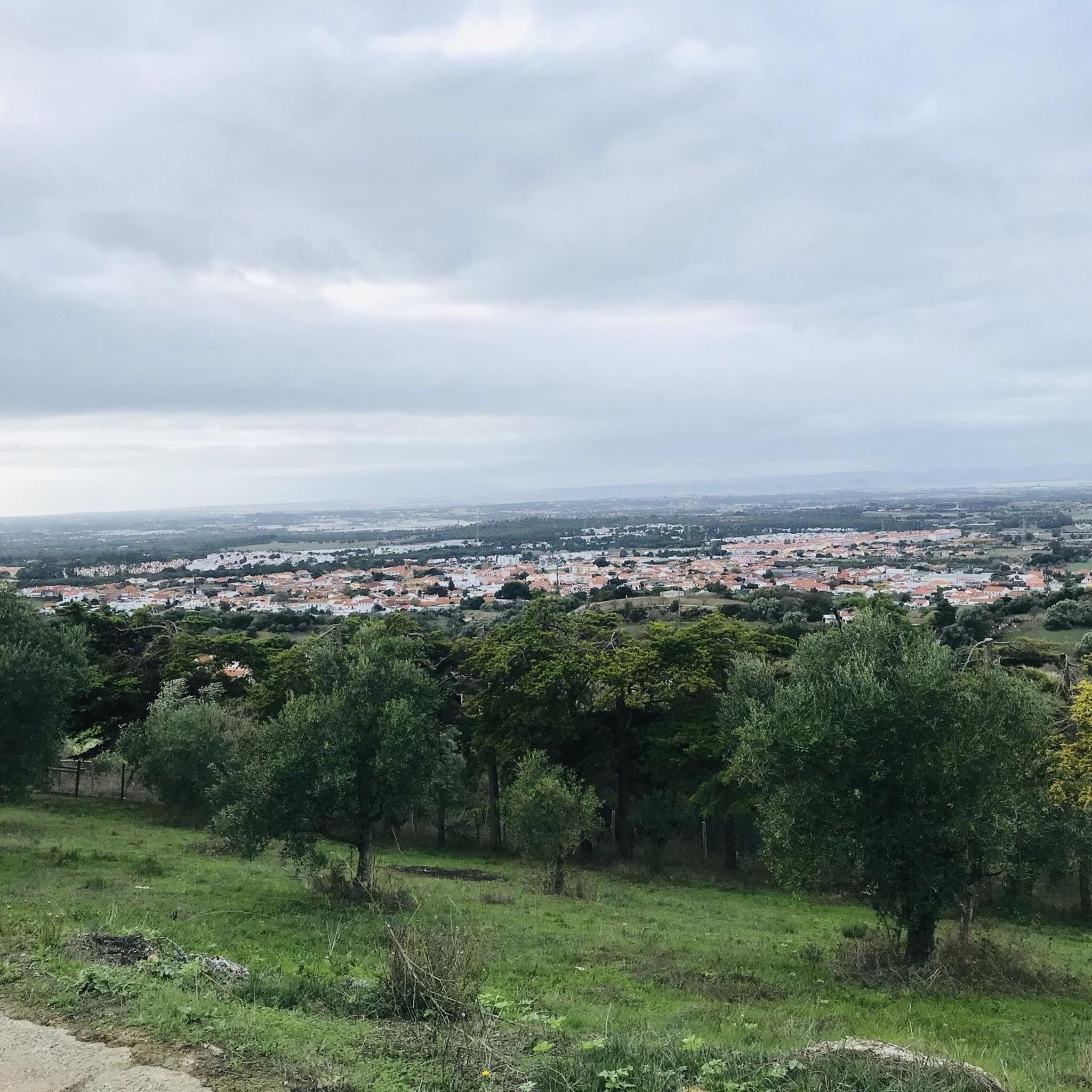
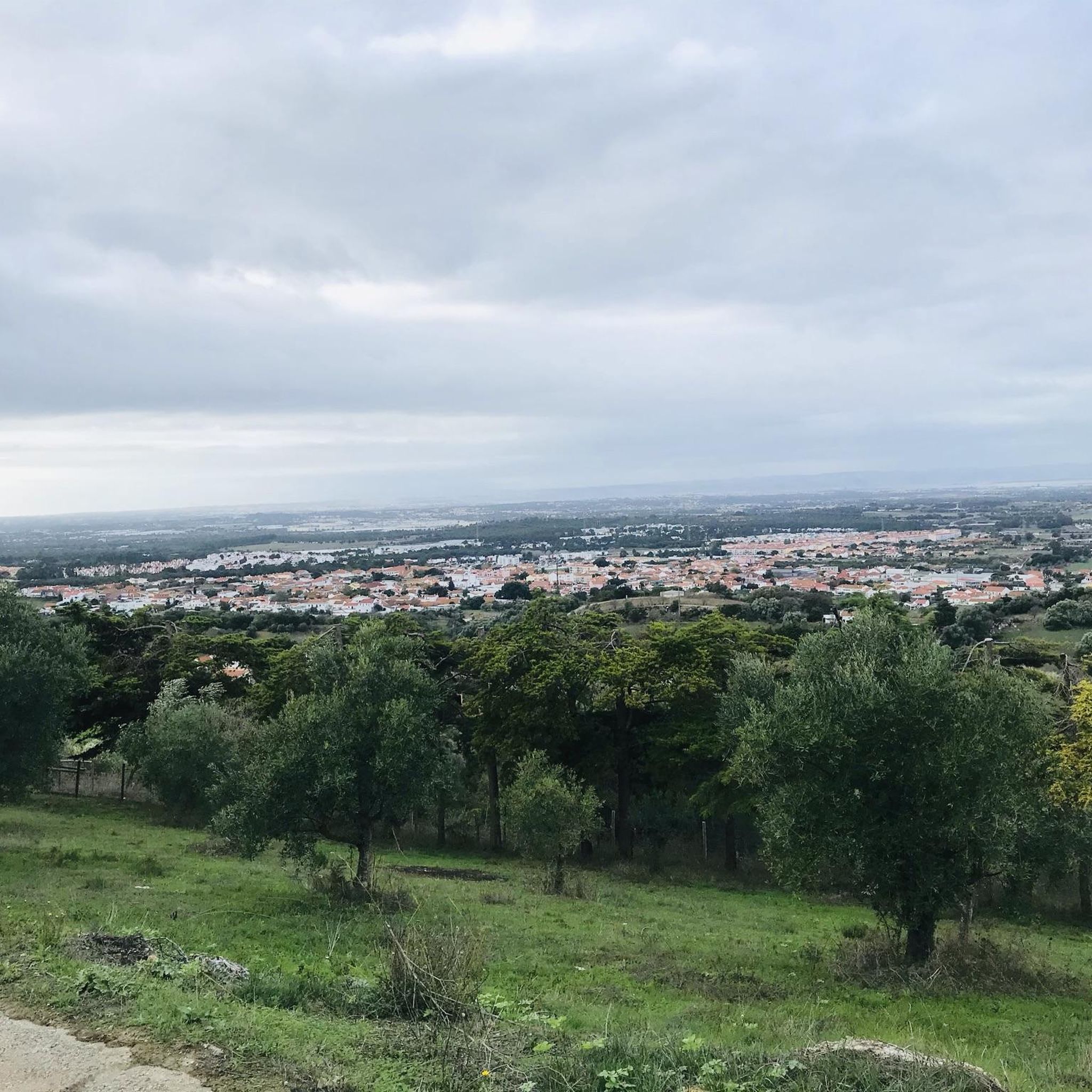
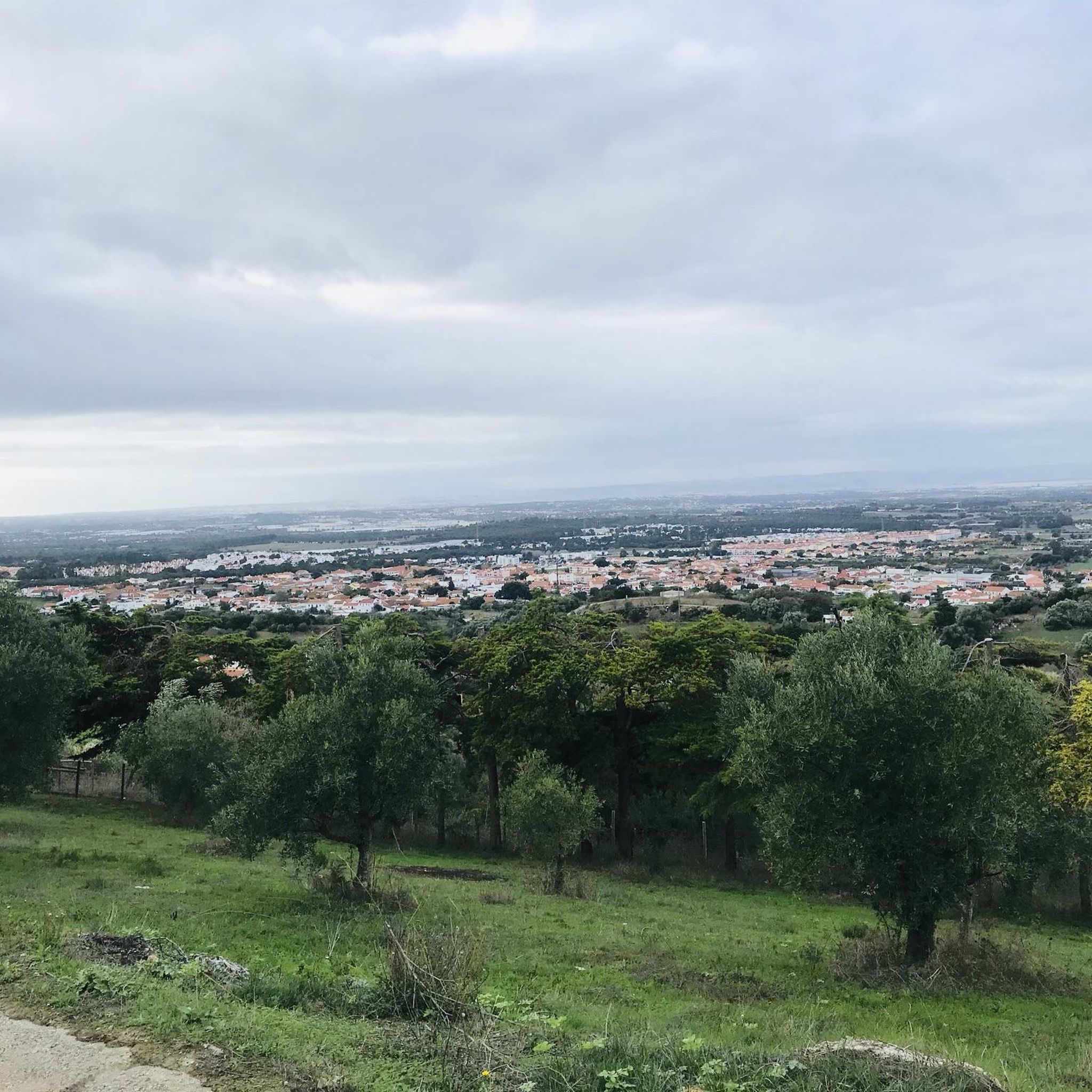
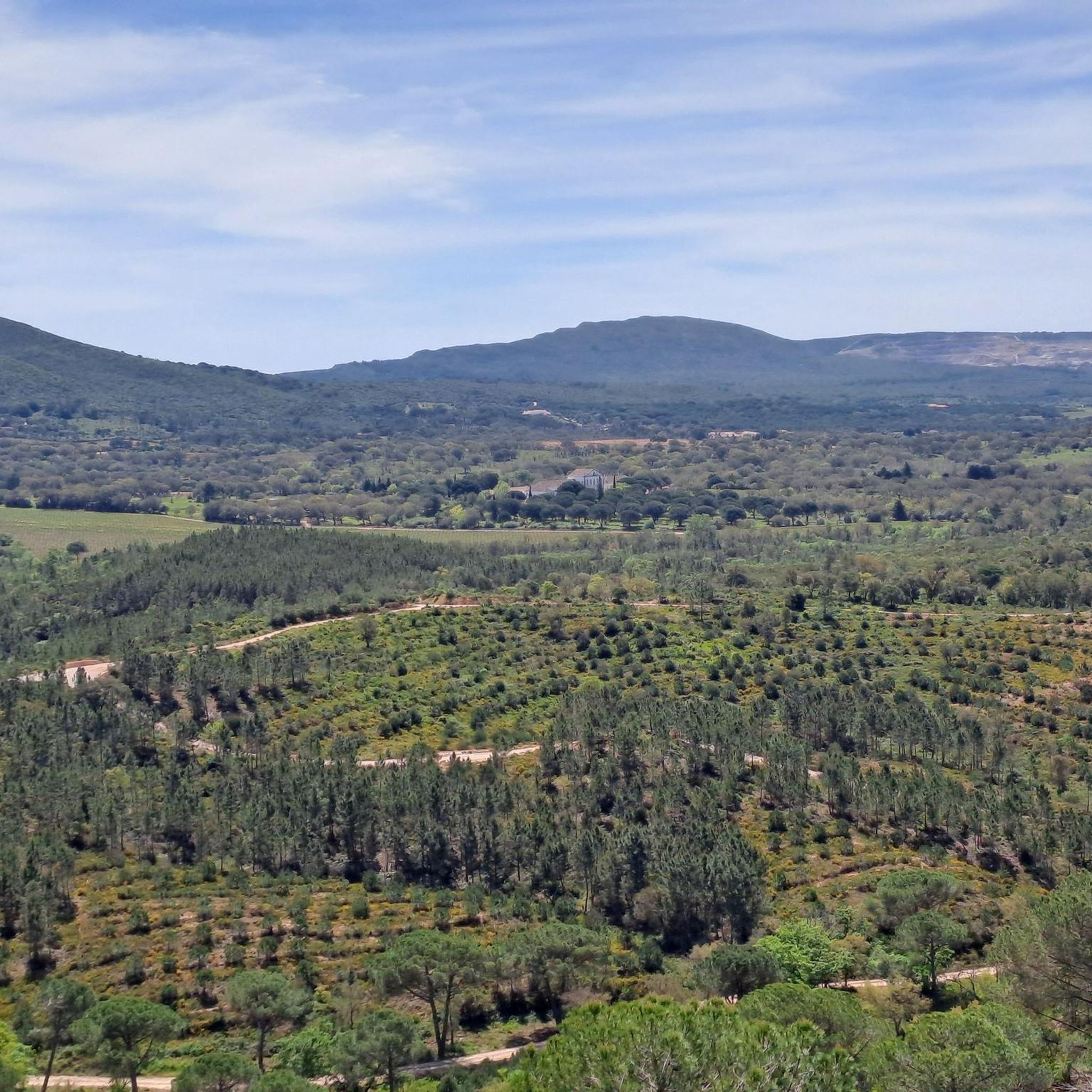
This is where the Pousada Castello de Palmela is located. The house is located 230 meters above sea level in an 11th century castle high on a rock above the city and offers a fantastic 360 degree view. You can see the mountain with the castle from all directions - wonderful.
4
4

The Castle of Palmela is a private castle that has a variety of uses. It includes a hotel and restaurants for visitors. https://en.m.wikipedia.org/wiki/Castle_of_Palmela The architectural style is mixed, including Moorish. The view is magnificent, you can see the large 25th of April Bridge, for example.
7
0
모이타 주변에서 가장 인기 있는 명소


더 살펴보기
다른 곳에서 최고의 성을 찾고 계신가요? 다른 가이드를 발견해보세요 모이타 주변:
