Top 11 Caves 발담바흐 주변
다음 모험 때 발담바흐에 있는 동굴을 방문하고 싶나요? 그렇다면 발담바흐에서 가장 멋진 동굴 11
개를 아래에서 살펴보세요. 다른 회원들이 경험을 바탕으로 추천한 콘텐츠인 만큼 믿을 수 있는 정보이니 마음에 드는 동굴이 있다면 다음 모험 계획에 추가해보세요.
마지막 업데이트: 9월 3, 2026


이런 장소를 발견하려면 지금 가입하세요
최고의 싱글 트랙, 봉우리 및 다양한 흥미로운 야외 장소에 대한 추천을 받아보세요.
무료 회원 가입
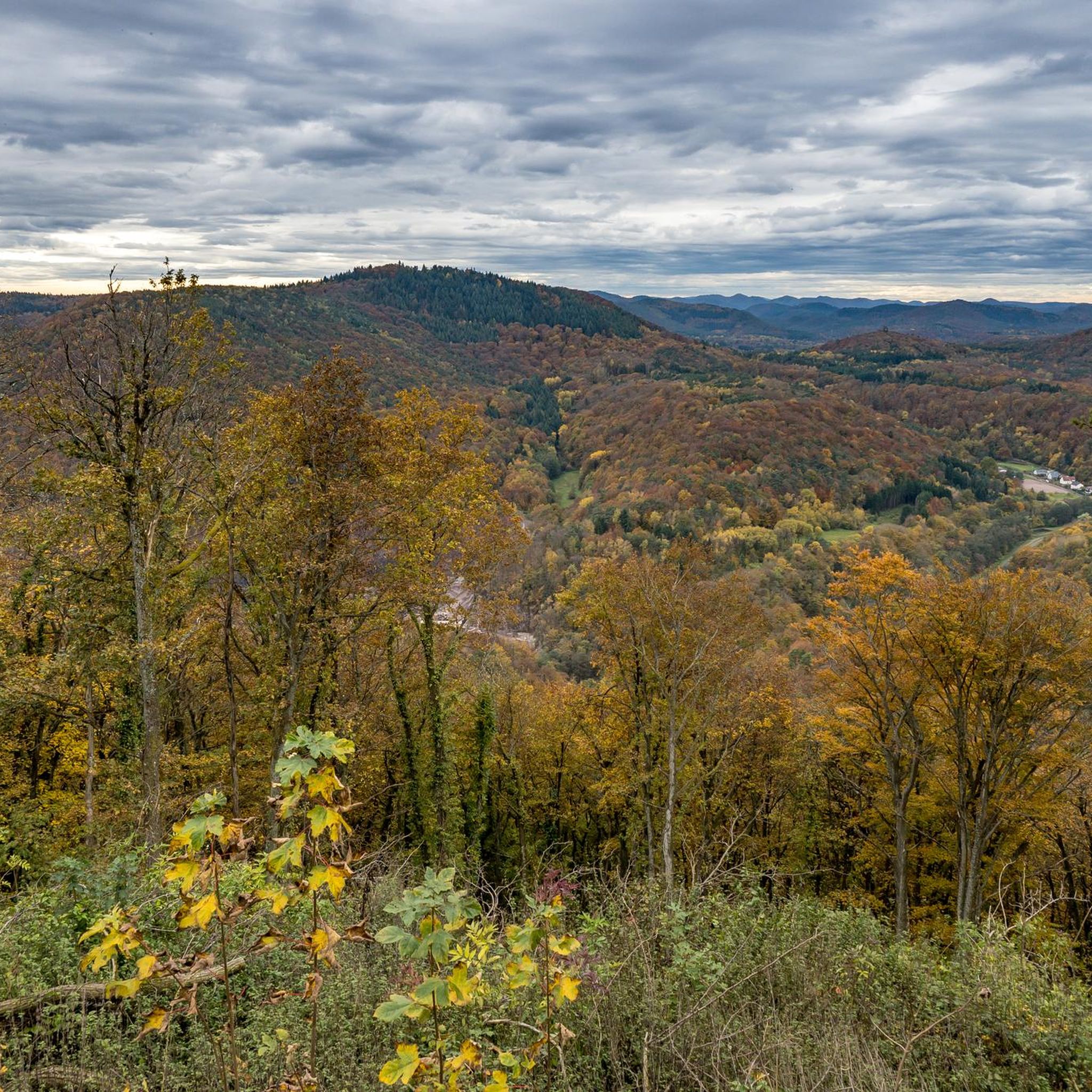
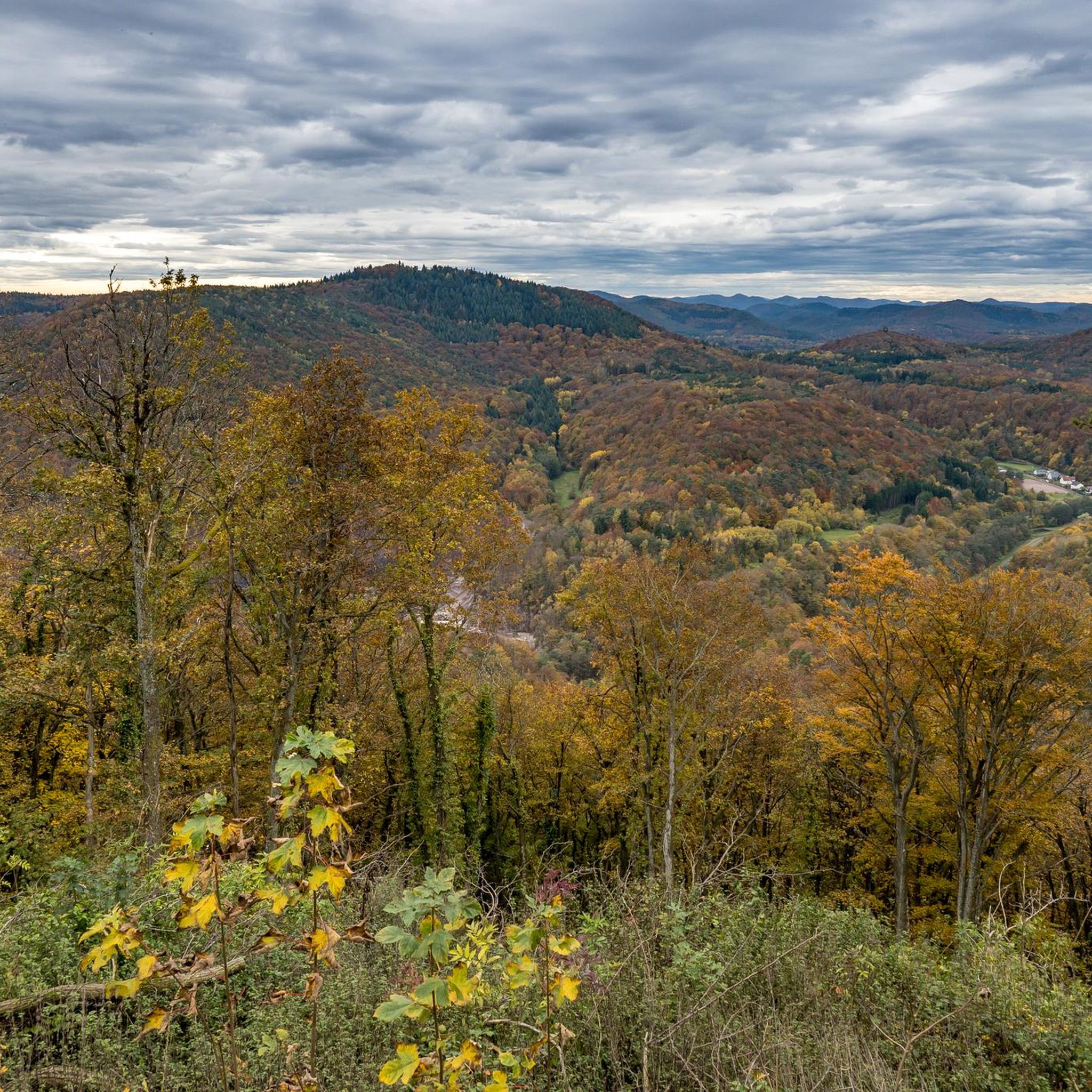
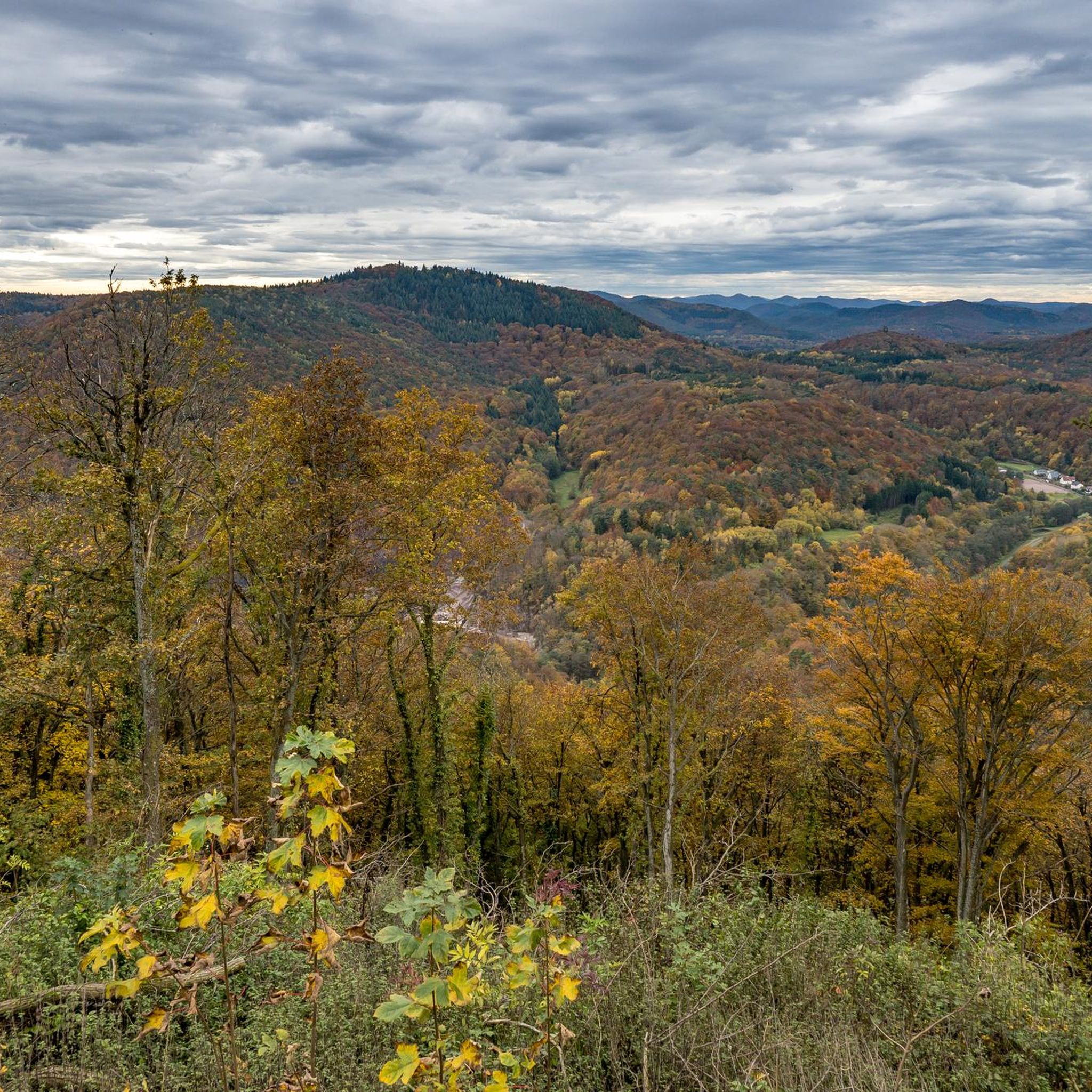
트로이텔스코프에서 바라본 발트함바흐와 팔츠 숲 전망
하이라이트 • 전망대
번역자 Google •
팁에 의해

Contrescarpe 지하 광산 갤러리 입구
하이라이트 • 역사적 장소
번역자 Google •
팁에 의해

무료로 가입하여 발담바흐 주변의 더 많은 동굴을 발견하세요.
무료 회원 가입
이미 komoot 계정이 있나요?
오늘 무료 계정으로 시작하세요
다음 모험이 기다리고 있어요.
로그인 또는 가입하기

커뮤니티 팁

이곳에는 제1차 세계 대전 중에 (기독교) 고위 성직자("대주교")가 숨어 있었다고 합니다.
1
0

A brick shelter integrated into a rock face. Function? Hunting blind, bunker, or shelter?
0
0

Landau Fortress was a polygonal fortification located in Landau in the Palatinate. Construction took place between 1688 and 1691. The completely outdated fortress was demolished in 1871, having been downgraded to a depot in 1867. Almost all of the structures below street level have been preserved. Today, several military buildings and many residential buildings are still visible in the city, along with the locks and walls along the rivers, and fortifications in parks. Among these, the largest remaining structure is the wall of the fort built in 1702 (with a length of 3.3 km). Following the Thirty Years' War, the Imperial City of Landau was placed under the protection of France by the Peace of Westphalia in 1648. Following the end of the War of the Palatine Succession in 1697, the city, along with ten other Alsatian imperial cities, was also legally ceded to France in the Peace of Rijswijk of 1697. As early as 1673/74, France had destroyed Landau's medieval city fortifications. With the Peace of Nijmegen, Landau came under French control and, with the simultaneous loss of the right-bank fortress of Philippsburg (1679), became its easternmost outpost, receiving a permanent French garrison in 1680. In September 1687, the military engineer Vauban arrived in Landau to develop a fortification plan. He submitted this plan to King Louis XIV on October 9, who gave his approval in November. Construction began later that same year on the 7-kilometer-long Albersweiler Canal, designed to facilitate the rapid transport of building materials such as timber, lime, and stone by barge. The foundation stone was laid at the end of April 1688 in the presence of the Minister of War, the Marquis de Louvois. Vauban initially oversaw the construction, but relinquished this responsibility to Jacques de Tarade in 1689. With the help of sixteen royal battalions under the command of General Montclar and approximately 14,000 construction workers (more recent studies cite a significantly lower number) from the surrounding area, the fortification was built in the second Vauban style. On the night of June 23-24, 1689, a devastating fire destroyed most of the town and provided an opportunity to modernize the garrison town's layout. This resulted in the creation of straight, wide streets and squares for troop deployments. ... Source: https://de.wikipedia.org/wiki/Festung_Landau#Weblinks
0
0

The Rauhberg Tunnel is a somewhat unique tunnel on the Rauhberg, located between Hauenstein and Spirkelbach. The tunnel portals are very close together, perhaps only 40 meters apart. Despite this relatively short distance, two bends extend the effective tunnel length to perhaps 100 meters. The cross-section of the tunnel, including the portals' lining, is reminiscent of a railway tunnel, but is considerably narrower and lacks a slope at the base of the lining. The tunnel is only partially lined, with the aforementioned lining on one side, which quickly transitions on both sides into a roughly finished cavern without any further construction. Sections of the tunnel, particularly where it is lined, have a poured concrete slab, which is provided with a drainage ditch on the Spirkelbach side. The lining towards the Hauenstein portal is shorter and designed without a drainage ditch, as the tunnel floor drops by approximately two meters relatively shortly after the Hauenstein portal towards the beginning of the cavern. However, this depression is rugged.
0
0

Viewing rock and a small cave below.
0
0

Really very informative with the information boards
0
0

It's great how and what they built around 1700
0
0
발담바흐 주변에서 가장 인기 있는 명소


더 살펴보기
발담바흐 주변의 최고의 동굴을 찾기 위해 이 가이드를 확인해보세요:
