18의 쑥가지 명소 & 주요 장소
Courgeac 주변의 명소와 볼거리는 프랑스 남서부 샤랑트(Charente) 지역에 고요한 분위기를 선사합니다. 이 지역은 역사 유적, 자연의 아름다움, 문화 체험이 풍부한 곳으로 둘러싸여 있습니다. 방문객들은 고대 성, 로마네스크 양식의 교회, 다양한 자연 풍경을 탐험하며 인공 기념물과 자연 지형 모두를 발견할 기회를 얻을 수 있습니다.
Courgeac 주변 최고의 명소 및 볼거리
- 가장 인기 있는 명소는 파노라마를 제공하는 전망대인 Moulin de perdrigeau입니다. 18세기에 지어진 이 풍차는 제2차 세계 대전 중 관측소로, 이후에는 화재 감시탑으로 사용되었습니다.
- 또 다른 꼭 봐야 할 명소는 종교…
마지막 업데이트: 9월 11, 2026
샤토 드 라 레오타르디
하이라이트 • 성
번역자 Google •
팁에 의해

브로삭 노트르담 드 라 나티비테 교회
하이라이트 • 종교적 장소
번역자 Google •
팁에 의해

이런 장소를 발견하려면 지금 가입하세요
최고의 싱글 트랙, 봉우리 및 다양한 흥미로운 야외 장소에 대한 추천을 받아보세요.
몽모로 생드니 교회
하이라이트 • 종교적 장소
번역자 Google •
팁에 의해
블랑작 포르쉐레세의 생시바르 교회
하이라이트 • 기타
번역자 Google •
팁에 의해

오늘 무료 계정으로 시작하세요
다음 모험이 기다리고 있어요.
쑥 주변 인기 장소



커뮤니티 팁

Château de La Léotardie in Nonac, in Charente, not in Dordogne. Listed as a Historic Monument, Château de la Léotardie in Nonac was originally the property of Hélie Léotard, then Archdeacon of Bourges. Part country house, part monastery, this former fortified castle was largely rebuilt in the 14th century and then renovated in the 15th. Visitors can discover a vaulted room and an ogival doorway on the ground floor. It is also possible to admire a medieval triple-nave barn a few hundred meters away. https://www.france-voyage.com/villes-villages/nonac-2918/chateau-leotardie-12663.htm
0
0
Among the oldest in the region, the Saint-Cybard church in Porcheresse was built in the 11th century. It is still surrounded by its cemetery and presbytery, which is one of its distinctive features. The church shares similarities with churches in the area (Etriac, Puypéroux, Bécheresse, and Côteaux du Blanzacais). It features narrow windows pierced in the buttresses, as well as rubble stone walls. In the 12th century, it was remodeled and reinforced to accommodate vaults. However, the building's condition currently prohibits visits; renovation work is planned for the very near future. This monument was listed as a "Historic Monument" in 1913. The church's patron saint was the monk Cybard, who came from Dordogne in the 6th century. He lived for a long time in a cave beneath the Angoulême plateau. https://www.sudcharentetourisme.fr/fiche-sit/eglise-saint-cybard-de-porcheresse-5895303/#truncate https://fr.wikipedia.org/wiki/%C3%89glise_Saint-Cybard_de_Porcheresse
0
0
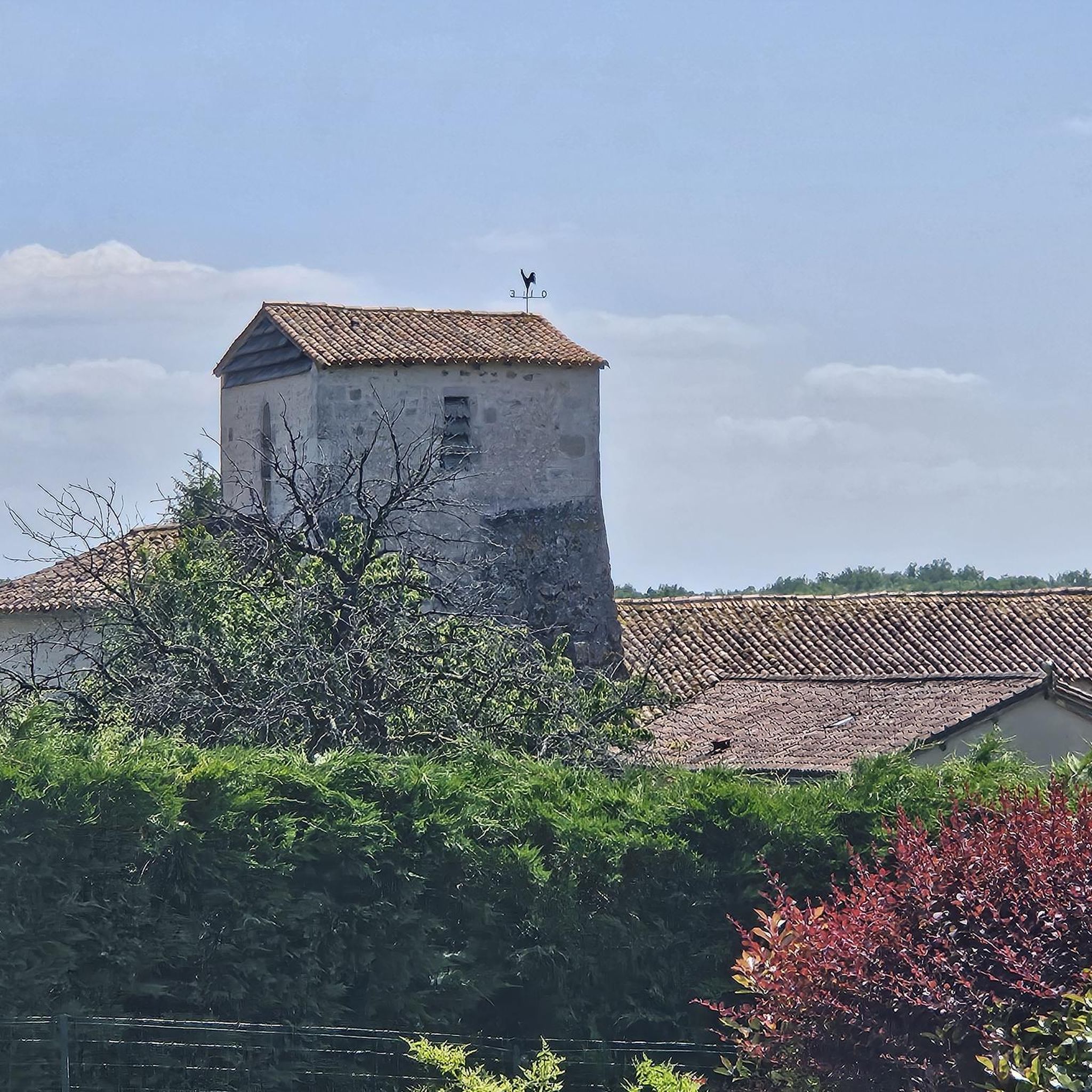
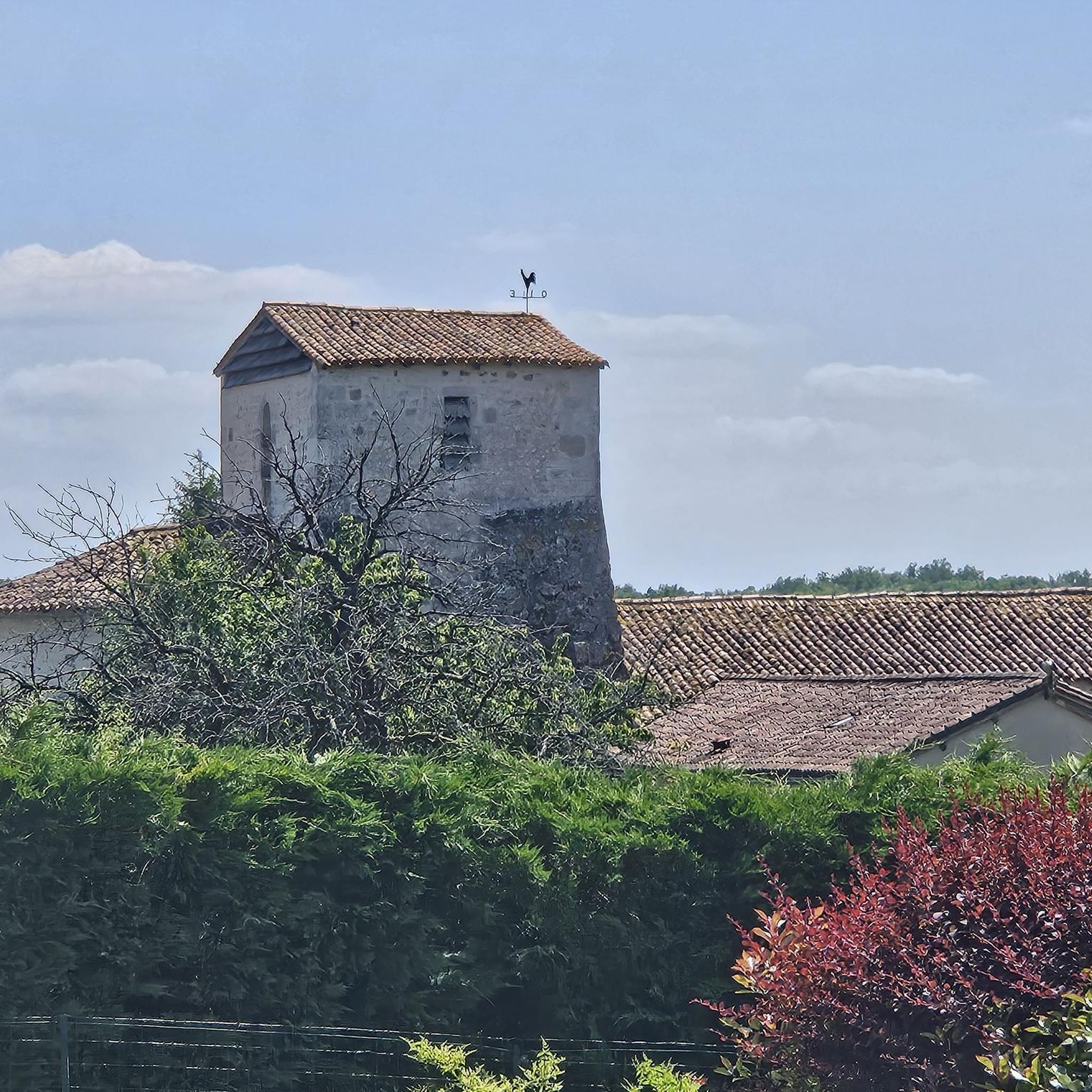
The title suggests an unusual village; it is not. It is an isolated village composed of old houses without any particular style. In my eyes, the only points of interest are the church (which you can't walk around and which doesn't offer much in terms of its exterior facade), the chapel near the cemetery (very basic, you just walk around it without leaving more cultured) and the castle which offers accommodation as a bed and breakfast. The village as a whole is not essential, like the town hall building: bland, aged with a poorly preserved authenticity.
0
0
The Church of Our Lady of the Navitiy was built in the 12th century. This Romanesque-style monument was considerably altered with age, so much so that only the foundations are original today. The walls, for example, were raised shortly after the Hundred Years' War to allow refuge rooms to be built under the roof. The Romanesque façade, for its part, was remodeled during the Gothic period. The use of grison, a local grey stone very common in this area of Charente, limited the sculpted decoration to its strictest expression; this stone was unsuitable for sculpture. On the other hand, the church has a painted fresco, rediscovered in the sanctuary during restoration work. Like all medieval churches, Notre-Dame de Brossac was once surrounded by its cemetery, abandoned in 1843. Outside, in the north wall of the nave, there remain two funerary recesses intended to shelter the burial of high-ranking figures. https://www.sauvegardeartfrancais.fr/projets/brossac-eglise-notre-dame-de-la-nativite
0
0
Located on one of the paths to Santiago de Compostela, the Via Turonensis (Road to Tours), the Saint-Denys de Montmoreau church was built in the 12th century. It has retained its original appearance, with the exception of the square Romanesque bell tower which was completely modified in the mid-19th century by Paul Abadie. A Romanesque church whose façade is marked by a polylobed portal and two arcades. It consists of a nave covered with a barrel vault, a transept whose crossing has a dome on pendentives and a vast, very bright semicircular apse. The chevet bordering the road is decorated with a very prominent horizontal cordon supported by modillions representing human or animal faces. The magnificent Romanesque frontispiece has an arched portal whose five arches form an archivolt resting on slender columns with sculpted capitals. The inner arch is openworked by six lobes ending with symbolic animal heads. All the decorations bear witness to an oriental influence in the South-West Romanesque and especially to the virtuosity of the sculptors. https://www.montmoreau.fr/index-module-orki-page-view-id-115.html https://monumentum.fr/monument-historique/pa00104432/montmoreau-eglise-saint-denis
0
0

Why Visit Château de la Léotardie? For its enchanting setting: Nestled in the heart of the Périgord countryside, the château is a haven of peace where you can recharge your batteries while admiring a magnificent example of Renaissance architecture. For its history: This place full of history allows you to discover a part of the rich past of the Périgord, with architecture that reflects the art of living and elegance of yesteryear. For its role in social and event life: The château offers a perfect setting for private events or receptions, with beautifully designed indoor and outdoor spaces. Château de la Léotardie is a hidden gem in the Dordogne, combining history, elegance and nature. It is a place to discover for those looking to explore an authentic corner of Périgord heritage.
1
0
Park and Gardens: Exceptional Natural Setting: Surrounded by vast meadows, woods and gardens, the château offers an idyllic natural setting. Visitors can enjoy quiet strolls in the shaded paths, among century-old trees, or relax while observing the local wildlife. French Gardens: Some of the château's gardens are laid out in a classic "à la française" style, with geometric flowerbeds and boxwood-lined paths, adding to the charm of the place. Intimate and Historical Atmosphere: Venue for Receptions and Events: The Château de la Léotardie is often used for private receptions, weddings and other events, making it a choice venue for those wishing to celebrate in a historic and romantic setting. Authentic Atmosphere: Despite its prestigious past, the château retains an intimate and tranquil atmosphere, offering visitors a true immersion in the history of the Périgord. Proximity to Tourist Sites: Périgord Noir Region: Located close to the famous tourist sites of the Dordogne, such as Sarlat, the caves of Lascaux and the castles of Beynac and Castelnaud, the Château de la Léotardie is an ideal base for exploring the region. Cultural and Natural Heritage: The castle is surrounded by magnificent landscapes, dense forests and rivers, typical of the Dordogne, offering many opportunities for nature lovers, whether it be hiking, canoeing or visiting picturesque villages.
1
0
Château de la Léotardie is a magnificent château located in the Dordogne region of Nouvelle-Aquitaine. Nestled in the heart of the Périgord countryside, it embodies the elegance and history of the region, while offering a peaceful and green setting. Although it is less well-known than some of the great châteaux of the Dordogne, it has a particular charm, particularly due to its architecture and its environment. Points of Interest at Château de la Léotardie: Renaissance Architecture: Périgourdine Elegance: Château de la Léotardie, dating from the Renaissance, is distinguished by its refined architecture. It has features typical of manor houses of this period, with stone facades, sloping roofs covered with tiles and beautiful stone fireplaces. Historical Details: Certain architectural elements bear witness to the history of the château, such as mullioned windows and circular towers which give the whole an appearance that is both defensive and elegant.
1
0
쑥 주변에서 가장 인기 있는 경로


더 살펴보기
찾고 있는 하이라이트를 아직 못 찾으셨나요? 다른 지역의 주요 명소 가이드를 확인해보세요:
