4.5
(4)
29
자전거 타는 사람
4
라이딩
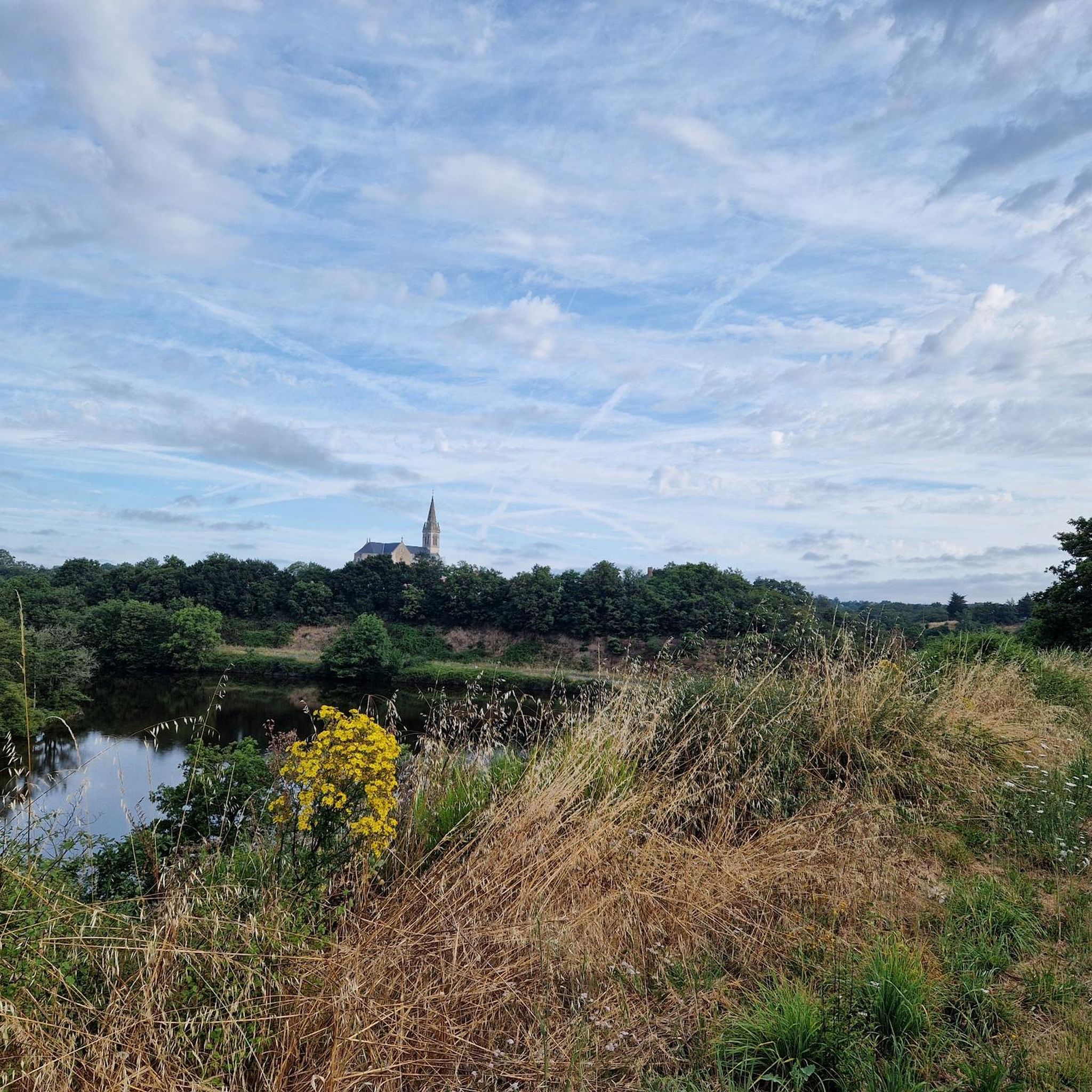
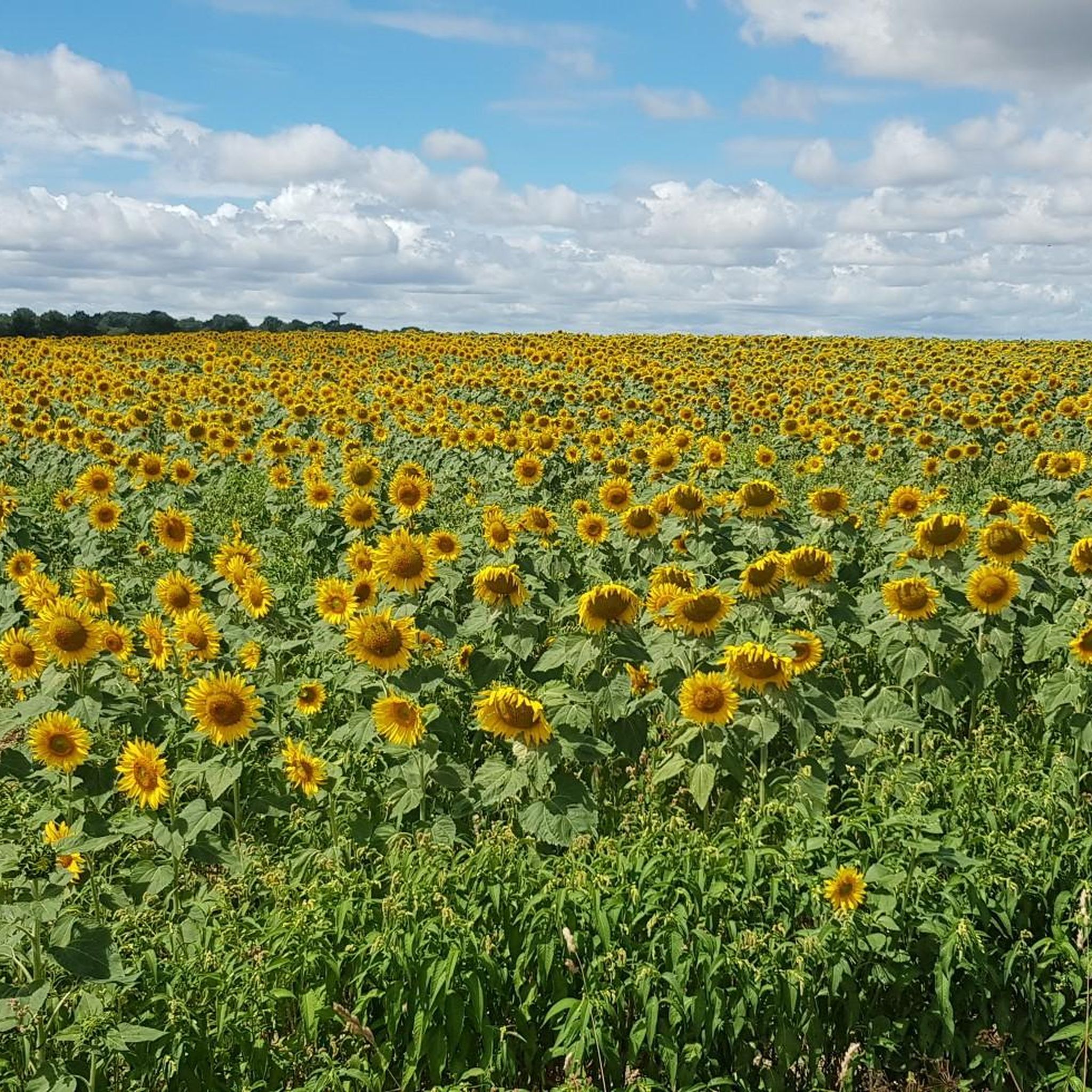
그라벨 바이크를 타고 무티에-쉬르-르-레 주변을 달리면 주로 뱅데 지역의 평평하고 농업적인 풍경을 가로지르는 코스를 경험할 수 있습니다. 이 지역은 레(Lay)와 용(Yon)과 같은 강 계곡과 역사적인 운하 길로 특징지어지며, 전반적으로 고도 상승이 낮습니다. 이 코스들은 종종 작은 마을과 시골 지역을 연결하며, 그라벨 바이크에 적합한 포장 및 비포장 도로가 혼합된 환경을 제공합니다. 이 지역에는 '보카주 방데앙'의 일부인 평원과 숲도 포함되어 있어 탐험할 수 있는 다양한 풍경을 선사합니다.
마지막 업데이트: 7월 15, 2026
4.5
(4)
11
자전거 타는 사람
32.1km
01:51
30m
30m
초급용 그래블 라이딩. 모든 체력 수준에 적합. 대부분 포장된 지면. 실력과 관계없이 누구나 갈 수 있음.
4
자전거 타는 사람
46.6km
02:49
100m
100m
보통 자갈길 타기. 좋은 체력 필요. 대부분 포장된 지면. 실력과 관계없이 누구나 갈 수 있음.

무료 회원 가입
3
자전거 타는 사람
46.5km
03:27
390m
390m
보통 자갈길 타기. 좋은 체력 필요. 대부분 포장된 지면. 실력과 관계없이 누구나 갈 수 있음.
2
자전거 타는 사람
31.9km
02:19
280m
280m
보통 자갈길 타기. 좋은 체력 필요. 대부분 포장된 지면. 실력과 관계없이 누구나 갈 수 있음.
2
자전거 타는 사람
34.0km
02:33
290m
290m
보통 자갈길 타기. 좋은 체력 필요. 대부분 포장된 지면. 실력과 관계없이 누구나 갈 수 있음.
투어 추천은 다른 사람들이 komoot에서 완료한 수천 개의 활동을 바탕으로 구성되어 있습니다.
오늘 무료 계정으로 시작하세요
다음 모험이 기다리고 있어요.
로그인 또는 가입하기
2일 전에 이 트레일을 이용했습니다. 트레일 상태가 끔찍하고 위험한 수준입니다. 넘어지거나 바퀴가 구멍에 빠지지 않도록 길에 집중해야 해서 풍경을 볼 수 없습니다.
0
0
트레일 상태가 끔찍합니다. 이 지역의 자전거 관광을 홍보하려는 노력이 전혀 없습니다
1
0
The first section of the Luçon Canal, heading south, is uncovered; we are on the dike. The section from Triaize to Luçon is wilder. A country road then a path leads between crops.
0
0
A narrow but sturdy wooden bridge to cross the river, suitable for pedestrians and cyclists, safe and with beautiful views.
0
1
This picturesque village is a perfect place for a break and refreshments. There are several restaurants and a nice café Tea room "Les Rives Enchan'thé just after the bridge. (The café is open every day from 1:30 p.m. to 7 p.m. except Sunday and Monday).
0
0
When the 1st Cavalry Dragon arrived in the town of Luçon ordered by Georges Clemenceau in 1910, the army required a supply of 70 liters of water per day, per man, and per horse, i.e. for 630 men and 750 horses a daily need of nearly 100 m3 of water. Thus, in 1912, at the height of the boom in reinforced concrete construction, a water tower was erected near the barracks. Originally composed of a parallelepiped tank of 110 m3, the work took on a monumental form when an agreement was made between the city and the war administration in order to allow the people of Luçon to also benefit from a distribution of potable water. The capacity of the tank then increases to 500 m3. The water tower measures 25 meters high on a base of 220 m² and even had official accommodation. The water tower with the adjoining electrical factory which made it possible to operate it (factory powered by coal from Faymoreau) made Luçon a city at the cutting edge of modernity with running water and electricity. . However, in 1961 the water tower was decommissioned, and it gradually deteriorated due to lack of maintenance. In 1991, the reinforced concrete monument was threatened with demolition, but by a decree of February 10, 1992 it was automatically classified as a historic monument, in order to allow its preservation. It now stands as a witness to early 20th century architecture consecrated by the appearance of reinforced concrete, and offers a light and astonishing silhouette for a water tower with its late art deco style and ceramic flourishes. . On the main facade, two cast iron lion faces had an orange lamp. This monument was to be supplemented by a lighthouse which was never completed.
0
0
The origins of the city of Luçon are linked to port activity dating back to the early Middle Ages, when the city was located on the edge of the Gulf of Pictons before the drying up of the Marais Poitevin. Luzon was then a fortified town, whose ramparts, protected by water moats, can be seen in the layout of the streets surrounding the town centre. Throughout the 19th century, the commercial activity of the port of Luçon with northern Europe in particular, which for a time even made it the third largest grain port in France, contributed to the enrichment of the city. This activity stopped in the 20th century with the silting of the canal which connected the city to the coast. But Luzon is best known for its religious status. From the 7th century, the foundation of a monastery which was destroyed by the Viking invasions made it the spiritual center of Bas-Poitou and the town became the seat of the bishopric in the 14th century. In 1608, a certain Armand Jean du Plessis was appointed Bishop of Luçon. Noting the sad state of the city ravaged during the Wars of Religion, he described the region as "the ugliest bishopric in France, the dirtiest and most disagreeable" (especially in order to justify his request for subsidies from the ecclesiastical authorities). endeavored from then on to reorganize the diocese which he left in 1623 to put himself at the service of the king, after a long ascent to the throne.This bishop of Luçon, with remarkable intellectual qualities, ended up becoming the principal Minister of Louis XIII, and remains known under the name of “Cardinal of Richelieu.” The history of the city remains intrinsically linked to the figure of Richelieu who officiated in this cathedral. Begun in 1091, the cathedral was initially in the Romanesque style. The portal of the north transept remains from this period. But for the most part, the building (the nave, the choir, the cloister) that we see now was rebuilt several times in the Gothic style. During the wars of religion, the church was repeatedly ransacked. The high openwork neo-Gothic spire is a splendid romantic fantasy according to 19th century taste. It peaks at 85 m and gives the cathedral the silhouette we know today. The city center of Luçon also offers other historical and religious monuments.
0
0
다른 지역의 최고의 그래블 라이딩를 살펴보세요.