바를-나소 주변 최고의 그래블 라이딩 코스
4.4
(202)
4,242
자전거 타는 사람
107
라이딩
바를-나소 주변의 엄선된 그래블 라이딩 코스에서 거친 라이딩의 매력을 경험하세요. 도전정신을 자극하는 업힐 코스이든 아름다운 풍경 트레일이든, 바를-나소 주변 최고의 그래블 라이딩 경로를 살펴보세요.
마지막 업데이트: 9월 14, 2026
5.0
(1)
61
자전거 타는 사람
95.0km
05:26
140m
140m
어려운 자갈길 타기. 우수한 체력 필요. 대부분 포장된 지면. 실력과 관계없이 누구나 갈 수 있음.
56
자전거 타는 사람
111km
06:35
160m
160m
어려운 자갈길 타기. 우수한 체력 필요. 투어 중 자전거를 끌고 가야 하는 구간이 있을 수 있음.

3.5
(2)
33
자전거 타는 사람
보통 자갈길 타기. 좋은 체력 필요. 대부분 포장된 지면. 실력과 관계없이 누구나 갈 수 있음.
21
자전거 타는 사람
96.8km
05:44
120m
120m
어려운 자갈길 타기. 우수한 체력 필요. 대부분 포장된 지면. 실력과 관계없이 누구나 갈 수 있음.
4.2
(6)
86
자전거 타는 사람
59.9km
03:36
80m
80m
보통 자갈길 타기. 좋은 체력 필요. 대부분 포장된 지면. 실력과 관계없이 누구나 갈 수 있음.
더 다양한 경로와 다른 탐험가들의 추천을 살펴보세요.
이미 komoot 계정이 있나요?
투어 추천은 다른 사람들이 komoot에서 완료한 수천 개의 활동을 바탕으로 구성되어 있습니다.
오늘 무료 계정으로 시작하세요
다음 모험이 기다리고 있어요.
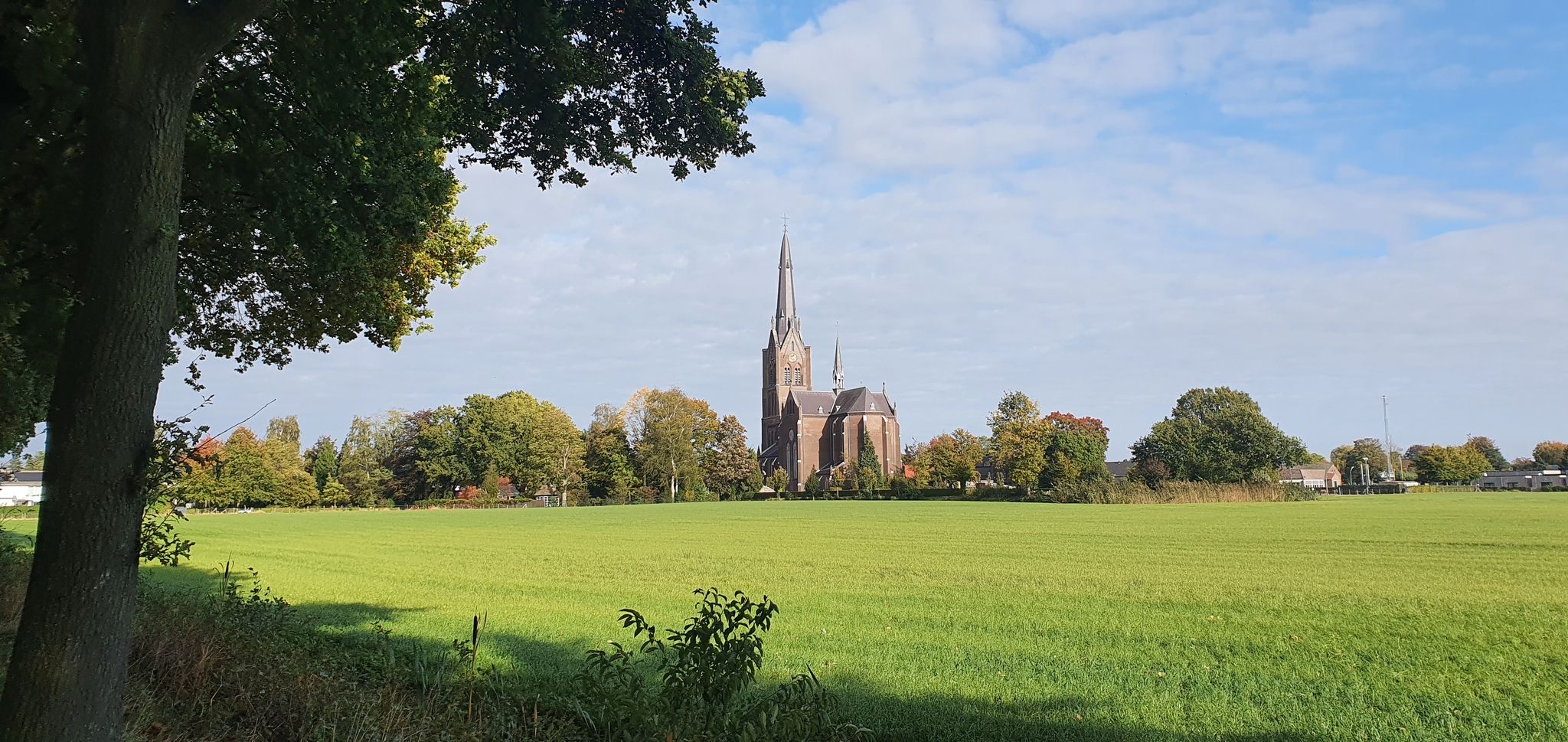
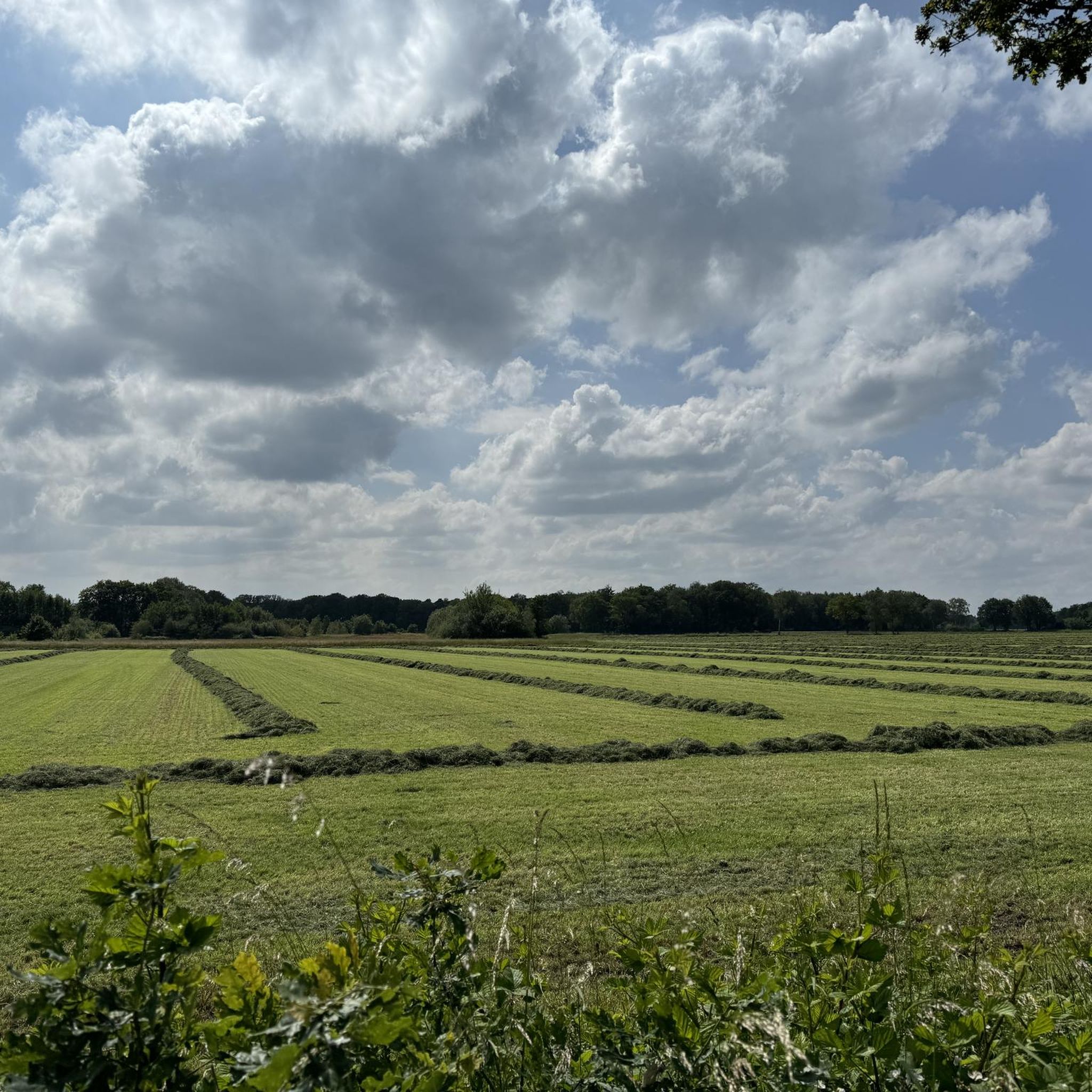
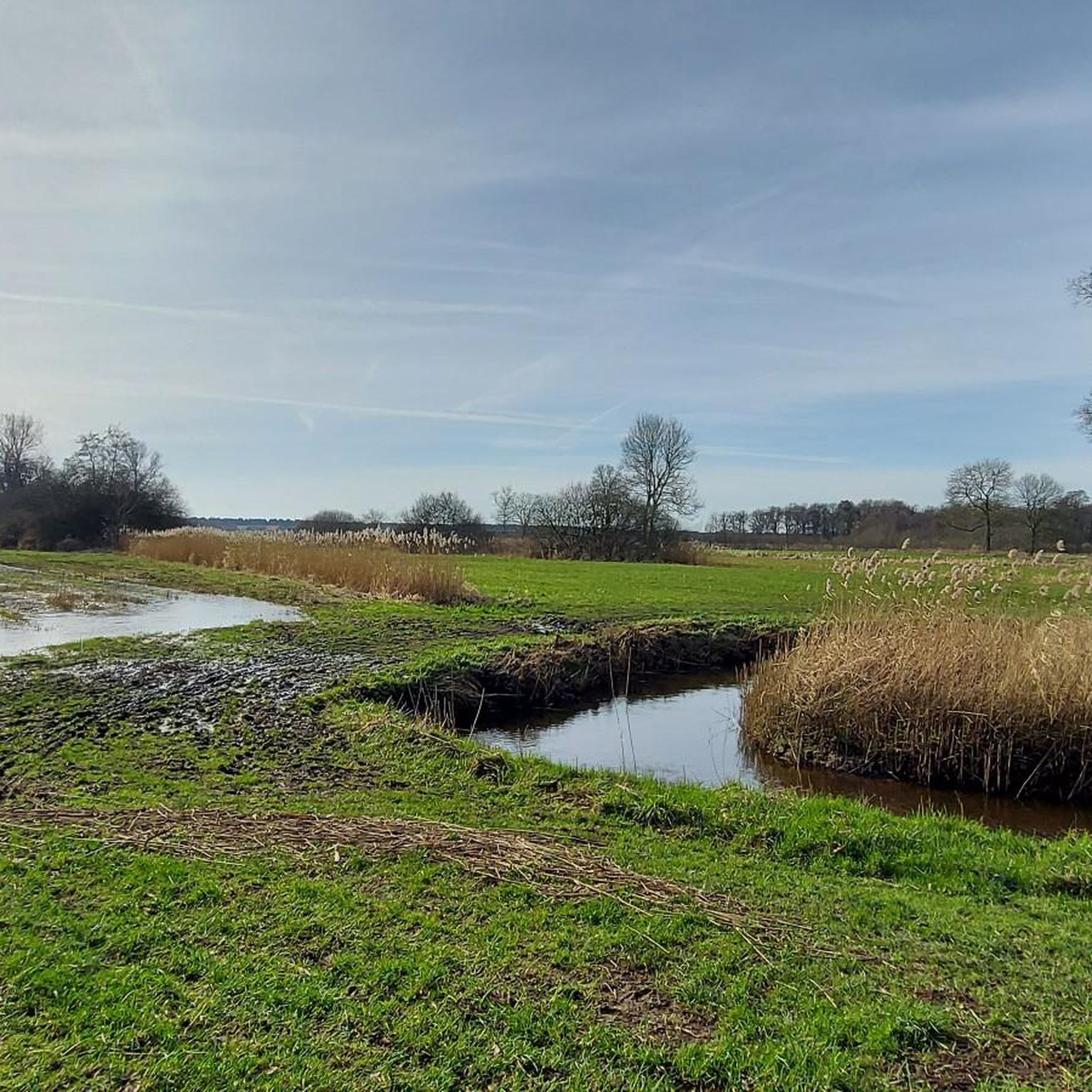
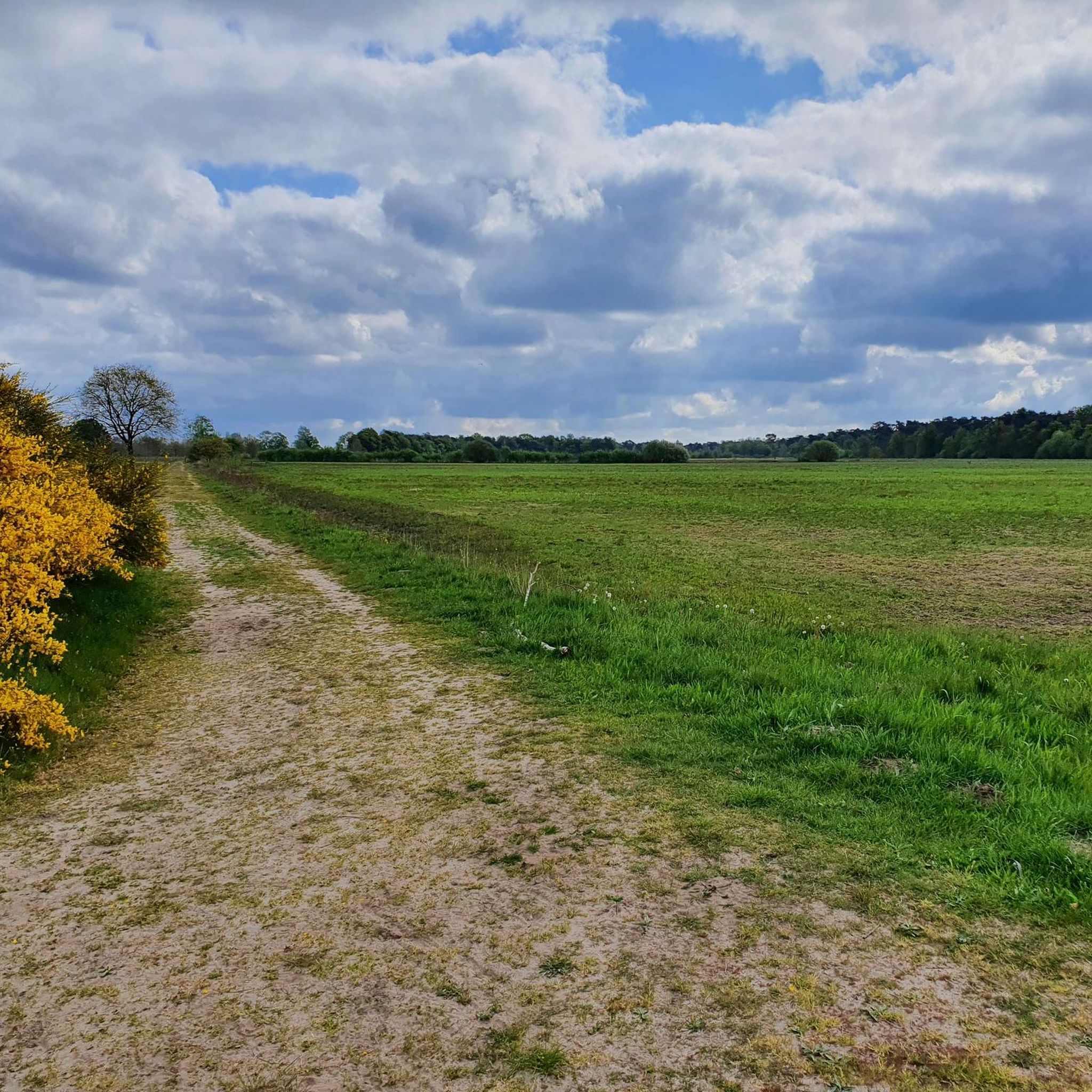
바를-나소 주변의 다른 모험

커뮤니티 팁


긴 검은색 구간에 멋진 흐름이 있고, 몇몇 기술적인 구간이 있으며, 도중에 추가 기술적인 빨간색 루트를 탈 수도 있습니다.
0
0

Generations of castle lords and the village community have cared for the magnificent heritage we have today. We must cherish this legacy with care. Everyone has a responsibility in this regard: the government, the owners, and certainly also the visitors. We all want to safeguard this for future generations. VORSELAAR: Proposal to protect the castle "de Borrekens", the rectory, the immediate surroundings of the castle, and the linden avenue as a village landmark. The castle was built in the thirteenth century as a military fortification for the Duke of Brabant, granted as a fief to the Lord Van Rotselaer. The latter gave the fortification, which had the character of a moated castle, the ground plan that can still largely be seen today. Little is known about its evolution since the thirteenth century. The castle is depicted in a print by Ertinger in the second half of the seventeenth century and published by Jacques Le Roy. This shows that the current castle's core still largely reflects this condition. The building's military character was lost in the eighteenth century, and it was converted into a "house of pleasure." This involved the demolition of several surrounding walls and defensive towers, and the moat separating the forecourt from the castle was filled in. Simultaneously or shortly before, several embellishments were carried out on the castle, with J.P. van Baurscheit as the architect. The buildings in the forecourt were constructed during the same period. In the 1850s and 1860s, restoration work was carried out in keeping with the fashion of the time. Several dormers, stepped gables, fireplaces, turrets, and battlements were added in the Neo-Gothic style. The interior was also altered during this period and in the same style. Although this renovation significantly altered the castle's appearance, the renovation itself is remarkable as a testament to the Neo-Gothic style that emerged in our region around 1850.
0
0

A silent witness to the history of the Wortel Colony. This former prison recalls the strictly regulated living and working conditions of the colony, where the poor and vagrants were housed and forced into labor. Stroll past this historic building and experience the special atmosphere of a place that once shaped the daily lives of many.
3
0

Former vagrant colony, a beautiful large domain with many avenues.
4
0

Seeing this amazing moated castle on site was one of the highlights of the day. We were lucky that the sun was shining on the castle at just the right moment, so it looked really picturesque. The castle is far enough away from the forest, and the moat is wide enough, that it is not unlikely that you will be able to enjoy this. You can also drive behind the castle, but the prettier side is the front and left side.
2
0

Recreation Park 't Zand has varied mountain bike trails that meander through the landscape and take you past some of the most beautiful spots in the area. The trails are well marked and suitable for different levels. For the more adventurous mountain bikers there are challenging sections with hills, muddy trails, and winding sections that require technical skills. The trails offer a perfect combination of flow and technical challenges.
0
0

Tilburg - Turnhout railway line, popularly known as the Bels Line, was a railway line between Tilburg and Turnhout. North of Baarle-Nassau Grens station, this formed the Dutch part of Railway Line 29. Since 1990, a cycle path has been constructed on the Bels Line route. Stations The railway line between Tilburg and Turnhout had seven stations: Tilburg (km 31) Riel (km 25) Alphen (km 18) Baarle-Nassau (km 13) Baarle-Nassau Grens (km 9) Weelde (km 8) Turnhout (km 0) There was also a branch to Goirle for freight trains. History Until 1865, the entire area between Turnhout and Baarle-Nassau was characterised by vast heathlands. In that year, construction of the railway line between Turnhout and Tilburg was started and the Weelde-Merksplas station (south of the Steenweg op Zondereigen) was built. The railway line was built and operated by the "Grand Central Belge (GCB)", which is why the railway line was popularly called the "Bels lijntje" in the (North Brabant) vernacular.
2
0
바를-나소 주변에서 가장 인기 있는 명소


더 살펴보기
다른 지역의 최고의 그래블 라이딩를 살펴보세요.
