20의 콜핀가지 명소 & 주요 장소
콜핀에는 둘러볼 만한 장소가 많답니다. 하이킹 또는 사이클링을 좋아한다면 콜핀에 숨겨진 20
가지 보석을 만날 수 있을 거예요. 이 지역의 주요 명소를 살펴보면서 다음 모험을 계획해보세요.
마지막 업데이트: 10월 23, 2026
헬프터 베르크 정상 (메클렌부르크포어포메른 주의 최고점)
하이라이트 • 정상
번역자 Google •
팁에 의해

부르크 스타르가르트 시립교회
하이라이트 • 종교적 장소
번역문 보기
팁에 의해

이런 장소를 발견하려면 지금 가입하세요
최고의 싱글 트랙, 봉우리 및 다양한 흥미로운 야외 장소에 대한 추천을 받아보세요.
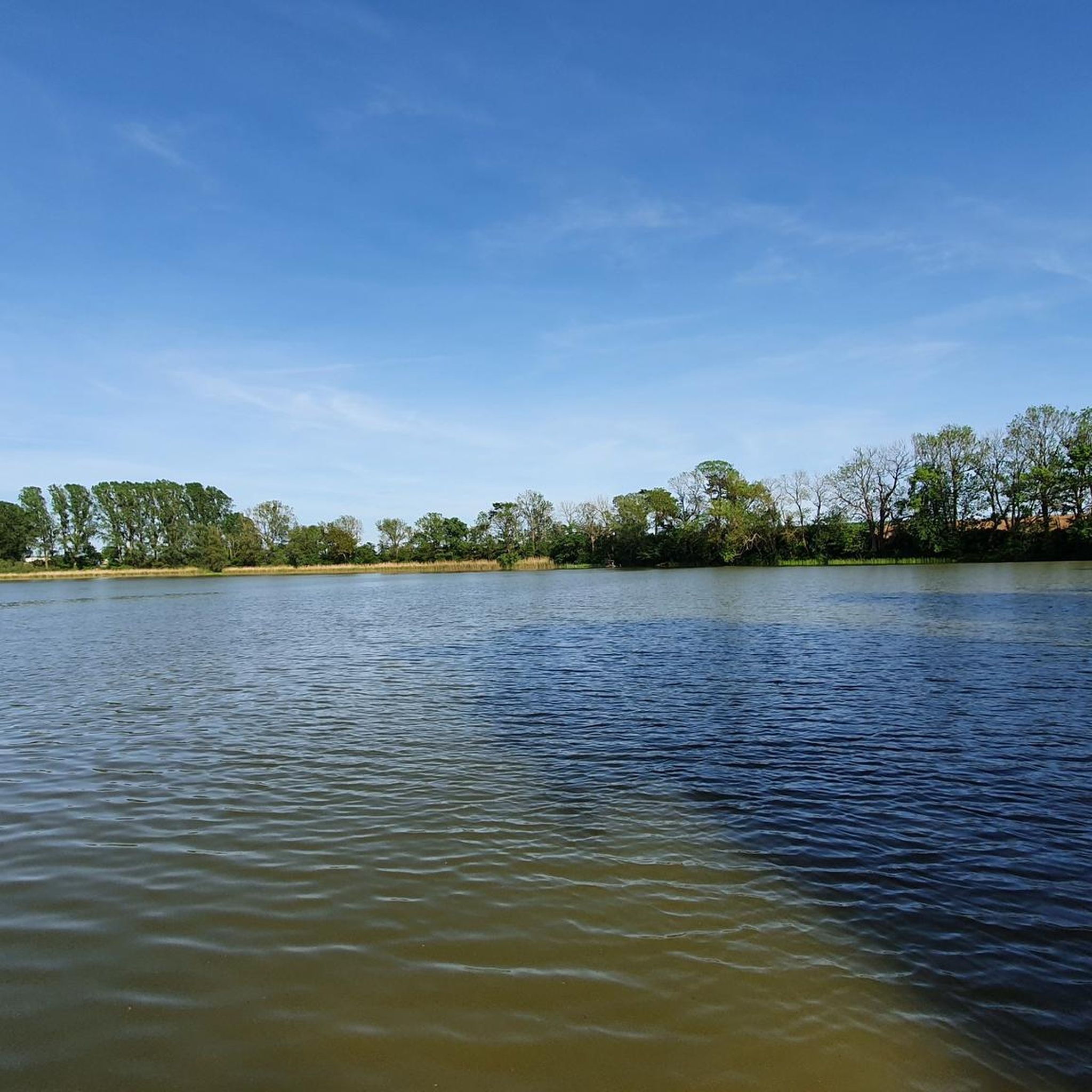
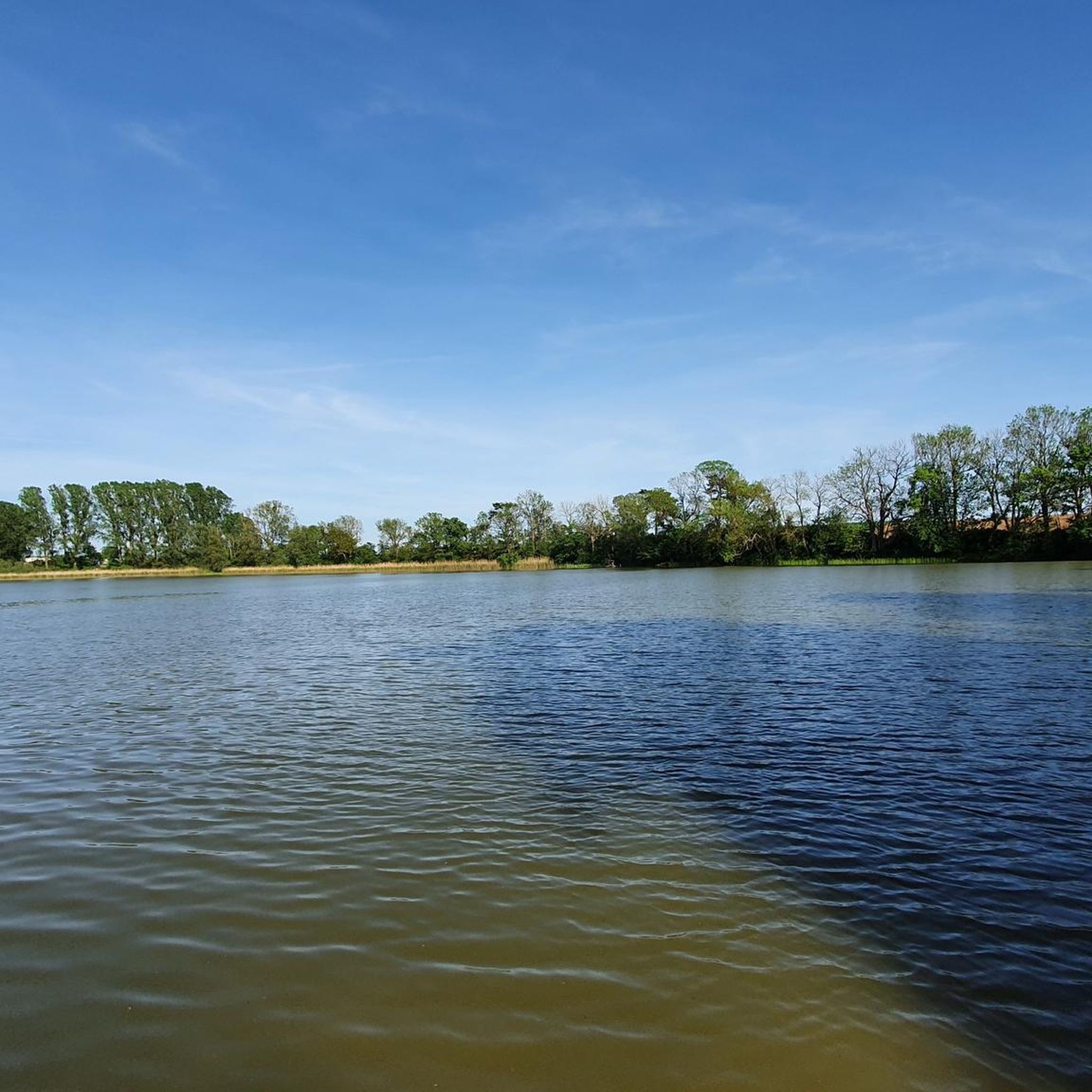
힌터슈테 뮐레의 물레방앗간 연못
하이라이트 • 호수
In an idyllic location …
번역자 Google •
팁에 의해
뮐렌베르크의 볼데크 풍차
하이라이트 • 기념물
번역자 Google •
팁에 의해
볼데크 성 페트리 교회
하이라이트 • 종교적 장소
번역자 Google •
팁에 의해
무료로 가입하여 콜핀 주변의 더 많은 명소를 발견하세요.
이미 komoot 계정이 있나요?
오늘 무료 계정으로 시작하세요
다음 모험이 기다리고 있어요.

커뮤니티 팁

이 시립 교회는 중세의 구조에 바로크/로코코 시대의 재단장과 신고딕 양식의 요소가 결합되어 있으며, 여러 차례의 파괴를 견뎌낸 메클렌부르크의 많은 교회들의 전형적인 특징입니다.
1
0

Church tour to Feldberg from Neubrandenburg.
0
0

is the windmill town, we have eaten and celebrated several times in one of the mills. Recommended.
0
0

Another highlight of the beautiful city after the castle.
0
0

Windmill town of Woldegk – real blades are still turning here on three of a total of five windmills that have been preserved.
1
0

On one of the highest mountains in Mecklenburg-Western Pomerania, the Woldegker Mühlenberg, there are still three windmills standing close together. From the cobblestones of Mühlendamm, it is the "Mühlenmuseum" mill that draws everyone's attention. It is a windmill over 100 years old with white canvas on the mill blades. It is the last Dutch windmill in Mecklenburg-Western Pomerania where the sailcloth-covered mill blades still turn in the wind. Inside the windmill, 5000 years of grain processing are shown and invite children in particular to try them out. Windmill models on a scale of 1:50 provide information about 900 years of windmill development. The Beschüttboden offers a unique view, because only from here is it still possible to see one of the four other windmills in Woldegk from each window. If there is not a south-west or north-west wind, you can see the city, the lake and the Helpter Berg, at 179.1 m the highest elevation in Mecklenburg-Western Pomerania, from the Windrosenbock. (Source: https://www.windmuehlenstadt-woldegk.de/muehlenmuseum-woldegk/ on October 14, 2022)
2
0

The church is an elongated, muddy, essentially medieval building with a recessed, square west tower. It was brought into its current condition through renovations in the second half of the 18th century and the end of the 19th century. The building was once a three-bay basilica made of field stone with a transverse rectangular western building around 1225/1250 and a rectangular brick choir the width of the central nave with an eastern group of three windows, corner pilaster strips and triangular frieze under the gable from the second half of the 13th century. After fire damage in 1588, 1709 and 1758, the side aisles were demolished, arched windows were installed during repairs in 1765–1770 and the interior was converted into a flat-roofed hall after the triumphal arch was removed.
1
0

The Sankt Petri Church in Woldegk from around 1250 belongs to the north German brick Gothic style. The base of the tower, the chancel with sacristy and the granite portal on the north side of the nave still exist from a stone building from this period. In 1442 the nave was built as a three-nave brick hall. A thorough restoration took place in the years 1901/1902. In 1945 the church burned down completely. The vault, the half-timbered tower attachment, the interior and the church tower were destroyed. The restoration of the church began in 1954. The nave received a flat roof, the tower as a conclusion a longitudinal gable roof. Thanks to community activities and pastors, the interior of the church has been able to be used again for church services, community work and fantastic concerts and recitals for years. The church tower was renovated in 2006/2007. Putting on the separately manufactured 24 meter high church tower was a special highlight. The reconstruction of the church tower was made possible by the main initiators, the association for the reconstruction of the church tower of St. Petri Church in Woldegk e.V. and the city of Woldegk. On October 6th, 2007, the inauguration of the church tower, which was rebuilt according to the historical model, took place. https://www.amt.windmuehlenstadt-woldegk.de/st-petri-kirche-woldegk/
5
0
콜핀 주변에서 가장 인기 있는 경로
콜핀 주변에서 가장 인기 있는 명소


더 살펴보기
찾고 있는 하이라이트를 아직 못 찾으셨나요? 다른 지역의 주요 명소 가이드를 확인해보세요:
