헴딩겐 최고의 MTB 라이딩 경로
4.5
(463)
1,118
자전거 타는 사람
199
라이딩
헴딩겐에 있는 멋진 산악자전거 라이딩 경로를 따라 어디로 가 볼까요? 헴딩겐에 있는 MTB 경로 컬렉션 중에서 가장 멋진 장소를 아래에서 살펴보세요.
마지막 업데이트: 10월 9, 2026
4.6
(5)
12
자전거 타는 사람
29.0km
01:46
80m
80m
보통 산악 자전거 타기. 모든 체력 수준에 적합. 뛰어난 라이딩 실력이 필요함.
5.0
(1)
5
자전거 타는 사람
29.2km
01:39
60m
60m
보통 산악 자전거 타기. 모든 체력 수준에 적합. 뛰어난 라이딩 실력이 필요함.

5.0
(2)
3
자전거 타는 사람
33.5km
02:04
80m
80m
보통 산악 자전거 타기. 좋은 체력 필요. 뛰어난 라이딩 실력이 필요함.
5.0
(1)
3
자전거 타는 사람
50.9km
02:52
120m
120m
보통 산악 자전거 타기. 좋은 체력 필요. 뛰어난 라이딩 실력이 필요함.
4.3
(3)
4
자전거 타는 사람
64.6km
04:09
170m
170m
보통 산악 자전거 타기. 좋은 체력 필요. 뛰어난 라이딩 실력이 필요함.
더 다양한 경로와 다른 탐험가들의 추천을 살펴보세요.
이미 komoot 계정이 있나요?
투어 추천은 다른 사람들이 komoot에서 완료한 수천 개의 활동을 바탕으로 구성되어 있습니다.
오늘 무료 계정으로 시작하세요
다음 모험이 기다리고 있어요.
커뮤니티 팁

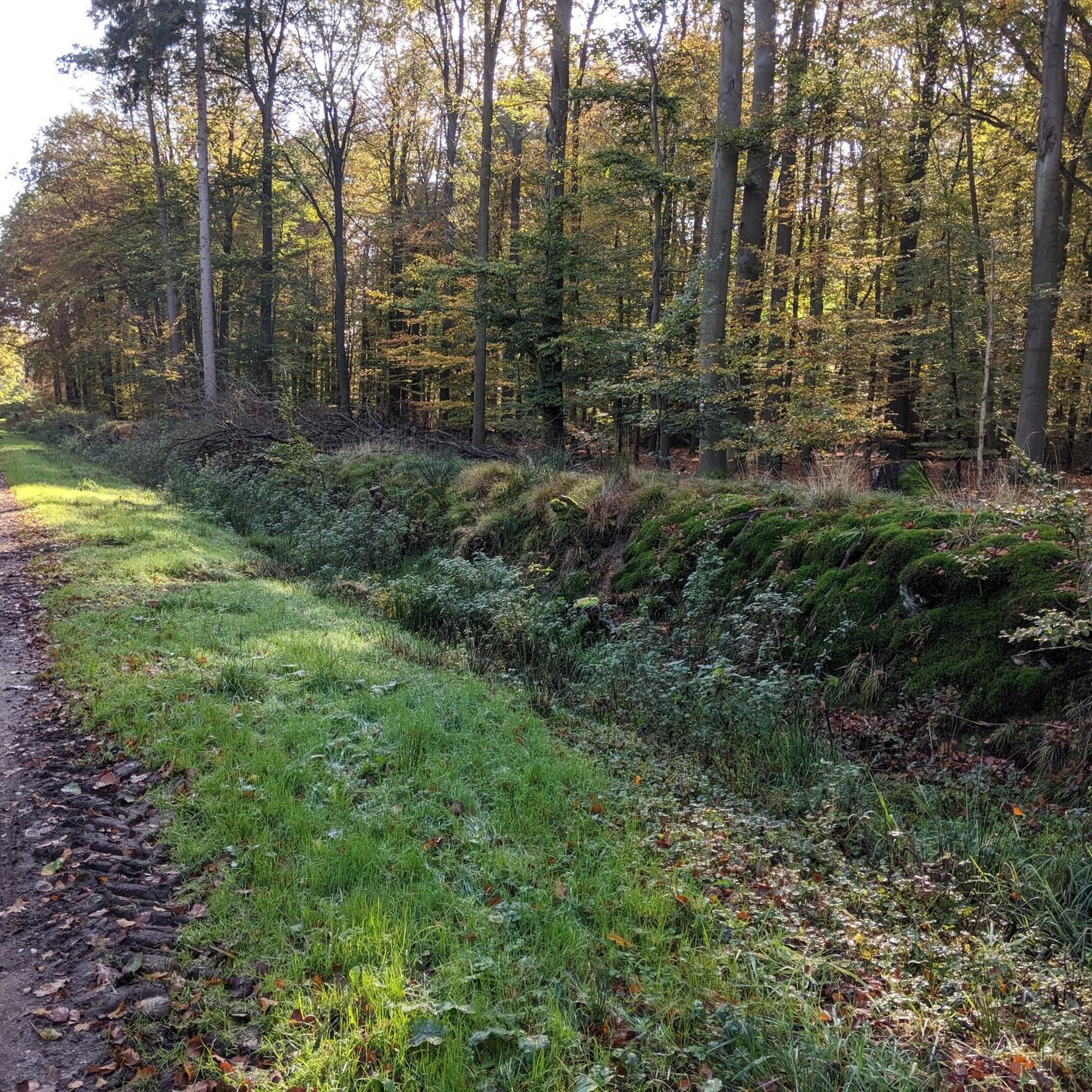
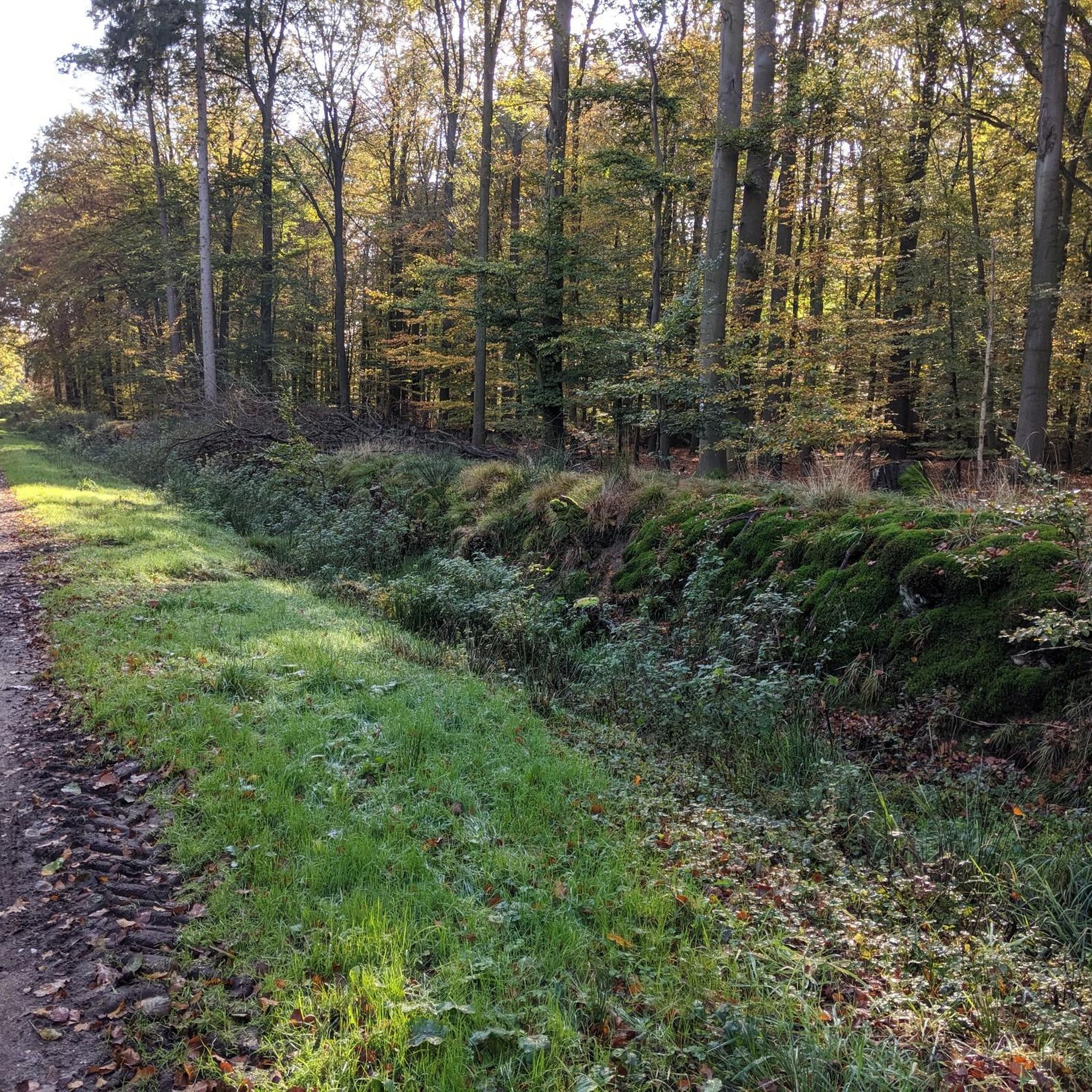
아름다운 풍경, 아름다운 개울, 아름다운 다리입니다. 길을 막고 있는 쓰러진 나무 사진 두 장을 첨부합니다. 주위를 둘러보니 다른 두 명의 자전거 타는 사람들이 다가왔습니다. 그들 중 한 남자가 힘차게 자전거를 들어 나뭇가지 위로 들어 올렸습니다. 그런 다음 그는 파트너를 도왔고, 그 다음에는 저를 도왔습니다. 이렇게 도움이 되는 자전거 타는 사람들을 만나는 것은 큰 하이라이트입니다.
0
0


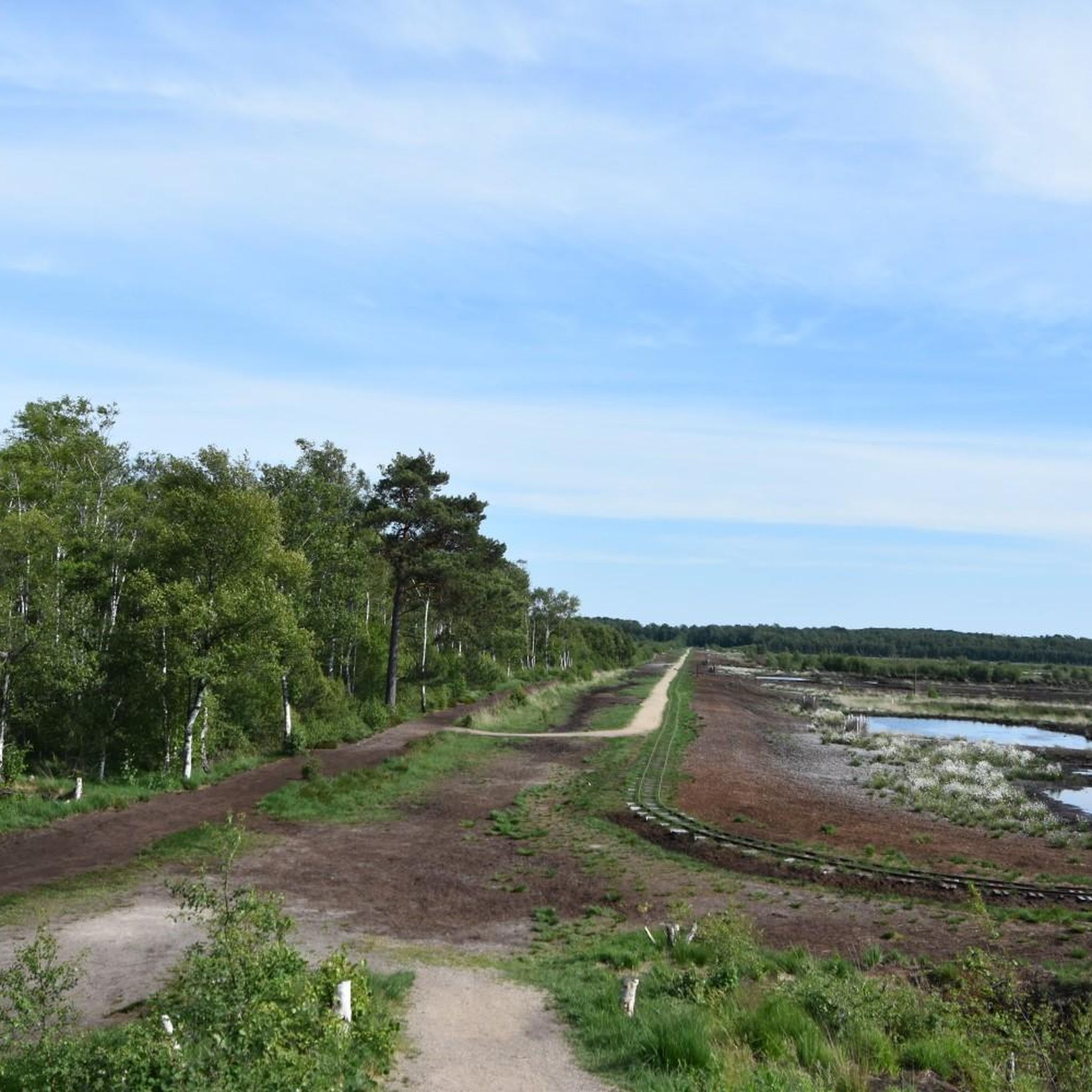
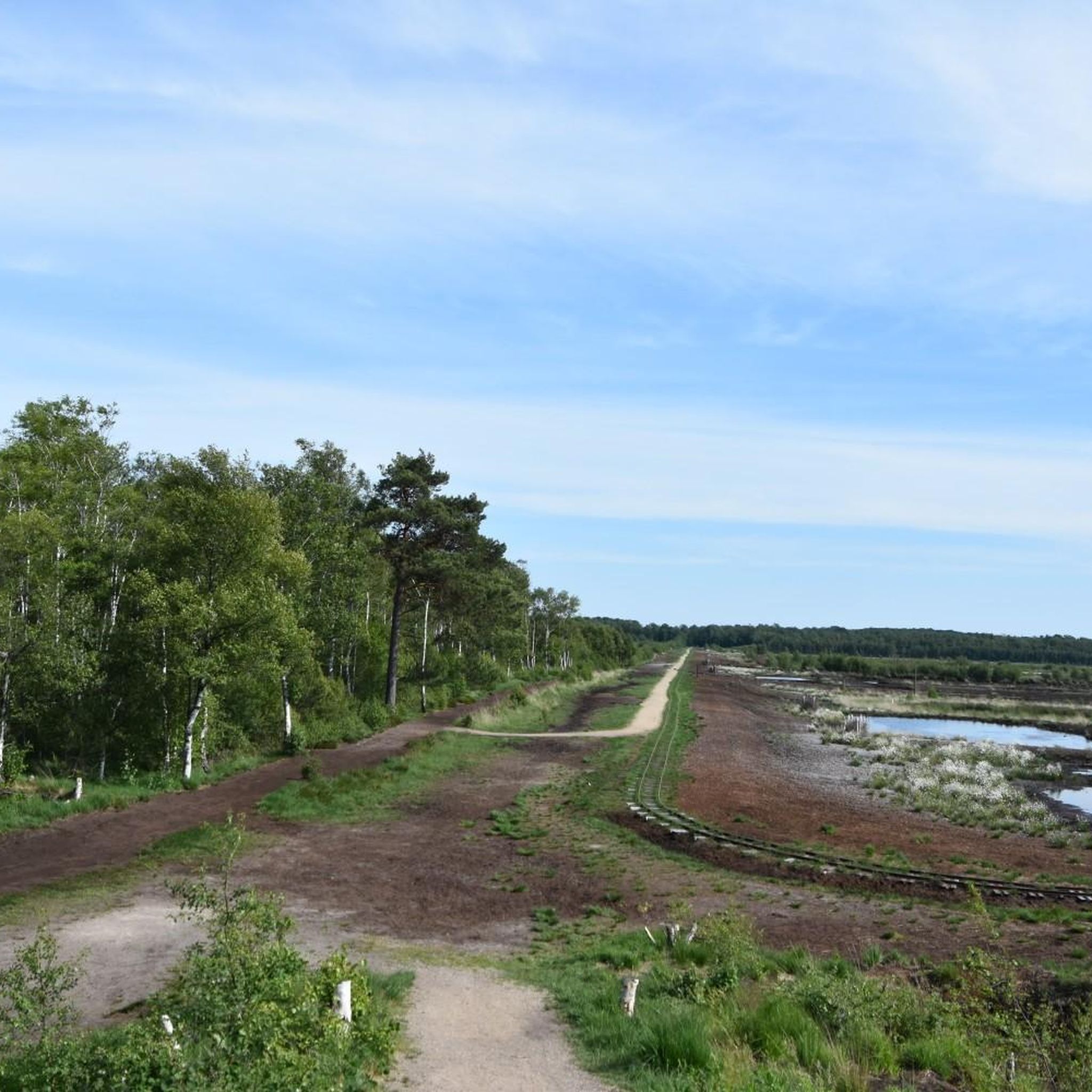
5,810 meters of track remain from the Himmelmoor Peat Railway. Built in 1900, it was used to transport peat from the mining area to the peat works on the eastern edge of the moor, operating on constantly changing routes. Small diesel locomotives, some of which were built in-house, pulled the trains carrying the peat floes until mining ended in 2018. Since 2015, the Himmelmoor Peat Railway Association has offered tours on the remaining line. The association maintains the railway and the industrial facilities. Trains are also regularly used for renaturation work.
14
0
Peat cutting, i.e., the above-ground extraction of peat, is no longer economically viable today. Peat as a fuel has largely been replaced by other high-energy fossil fuels. Many large-scale peatlands suitable for industrial extraction have now been drained. New peat cutting areas are only permitted under strict conditions. Raised bogs have an important regulatory effect on the water balance due to the large amounts of precipitation they can absorb. The preservation of the original habitats serves landscape conservation and species protection, as most species of peatland flora and fauna are considered threatened or critically endangered. Bogs grow extremely slowly; an intact peat body increases in thickness by only one millimeter per year. It therefore takes a thousand years for a one-meter-high layer of peat to form. Thus, bog areas recover very slowly during restoration attempts.
13
0
According to a 1919 contract, peat extraction, which began around 1780, was to continue until the moor had completely disappeared. However, extraction was discontinued in 2018. The gradual renaturation and rewetting of the Himmelmoor had already begun. The "Himmelmoor Friends' Association" was founded in December 2005.
12
0

In the middle of the moor - sometimes not even recognizable
1
0
Former gravel pit, which receives a second life as an outdoor swimming pool
0
0
헴딩겐 주변에서 가장 인기 있는 명소


더 살펴보기
다른 지역의 최고의 MTB 트레일를 살펴보세요.
