비덴살에서 가장 멋진 11개의 동굴
성을 방문하는 건 언제나 특별한 일이에요. 하이킹을 하다가 잠깐 들를 때도, 가이드를 따라 제대로 둘러볼 때도 말이죠. 비덴살에 있는 아름다운 성 11
곳을 아래에서 살펴본 후에 마음에 드는 성을 다음 모험 때 만나보세요!
마지막 업데이트: 8월 31, 2026


이런 장소를 발견하려면 지금 가입하세요
최고의 싱글 트랙, 봉우리 및 다양한 흥미로운 야외 장소에 대한 추천을 받아보세요.
무료 회원 가입

로쿰 근처 루카부르크 유적지
하이라이트 • 성
번역자 Google •
팁에 의해

무료로 가입하여 비덴살 주변의 더 많은 성을 발견하세요.
무료 회원 가입
이미 komoot 계정이 있나요?
오늘 무료 계정으로 시작하세요
다음 모험이 기다리고 있어요.
로그인 또는 가입하기

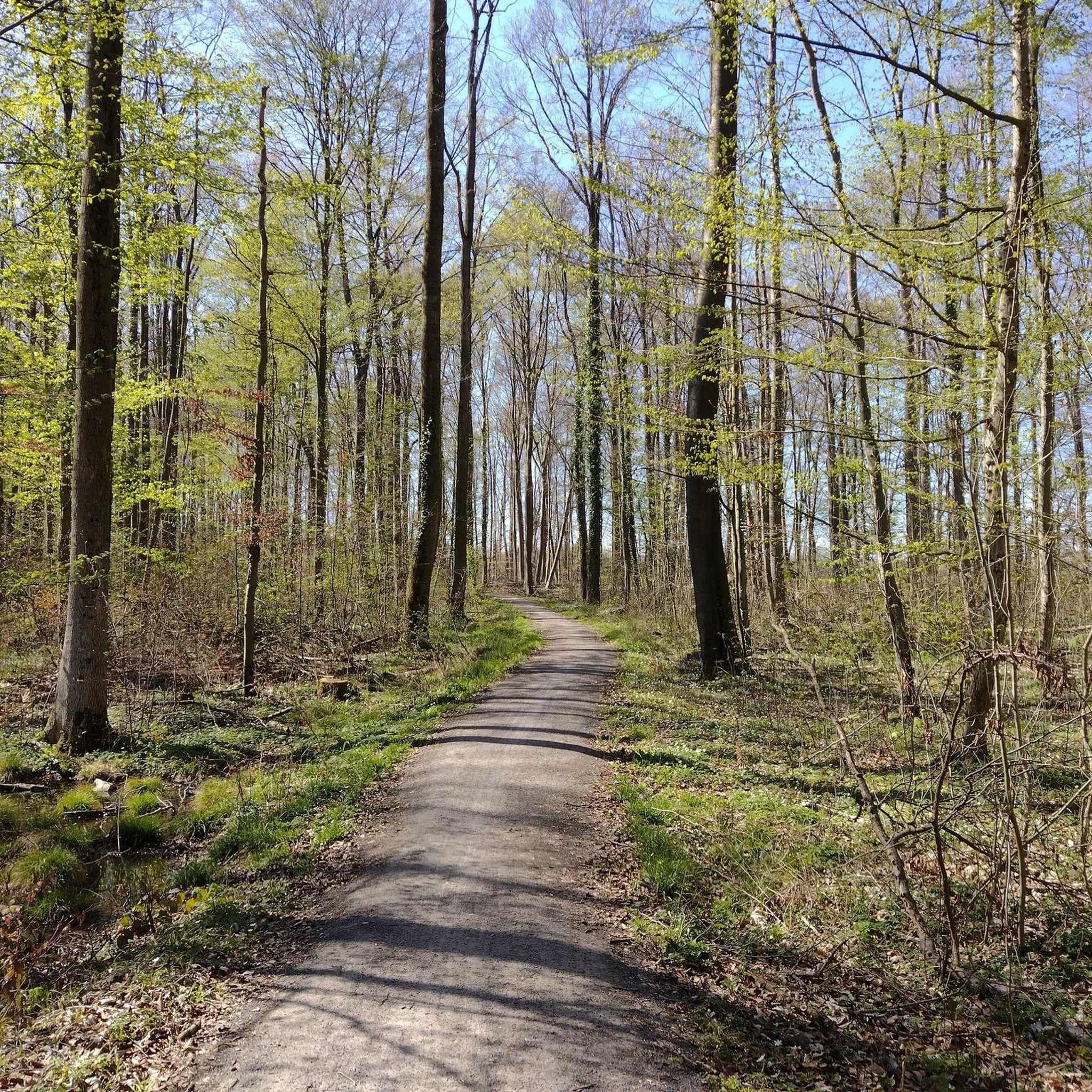
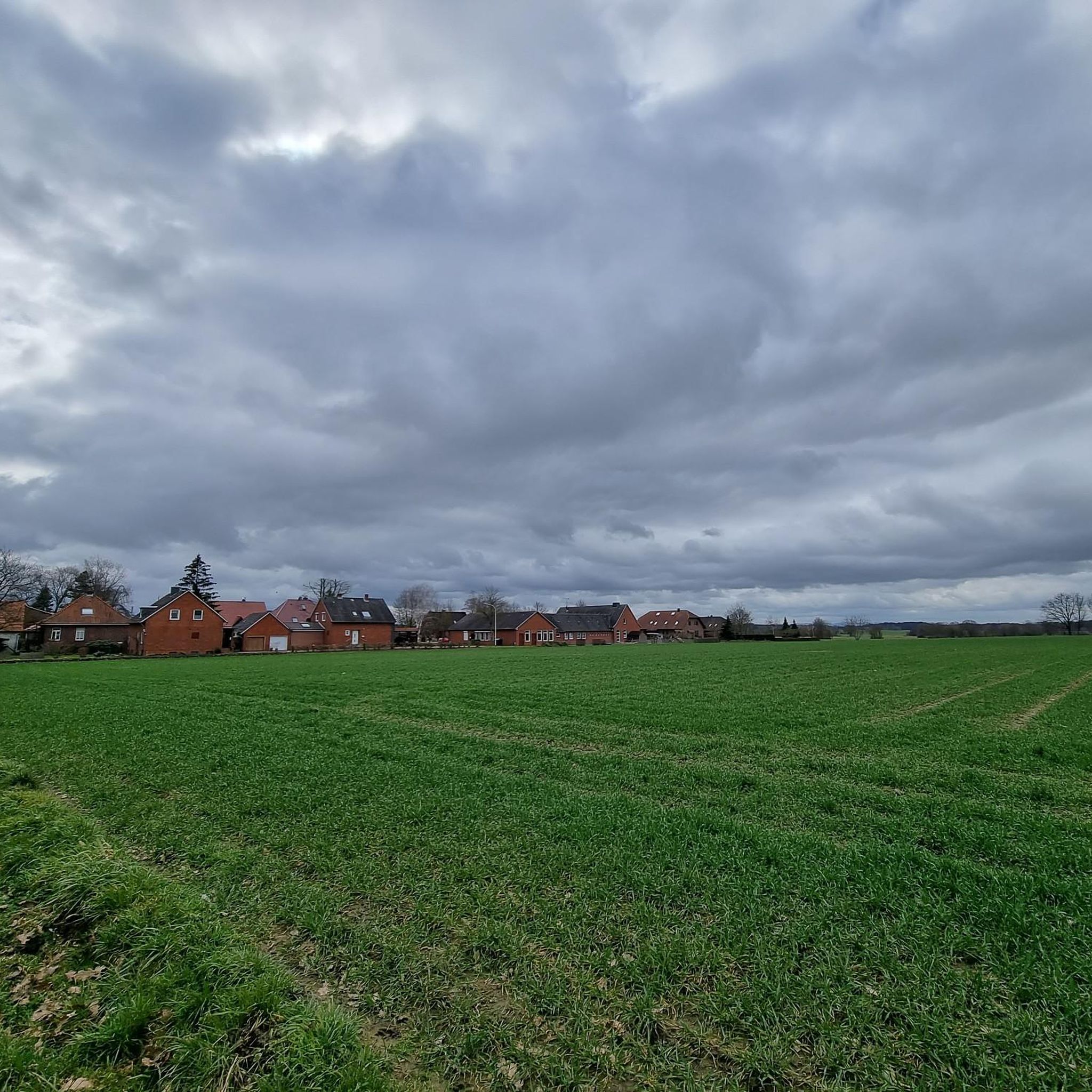
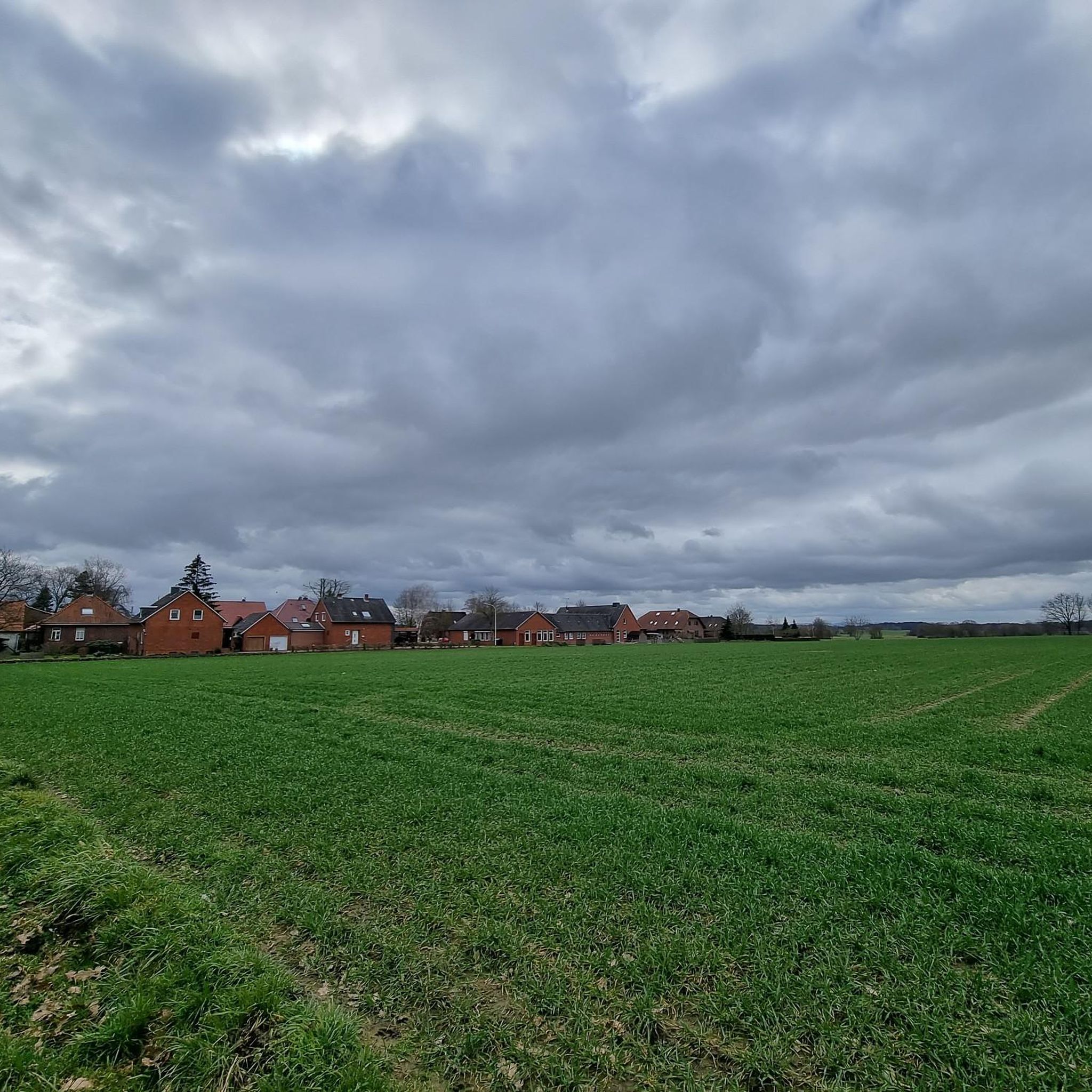
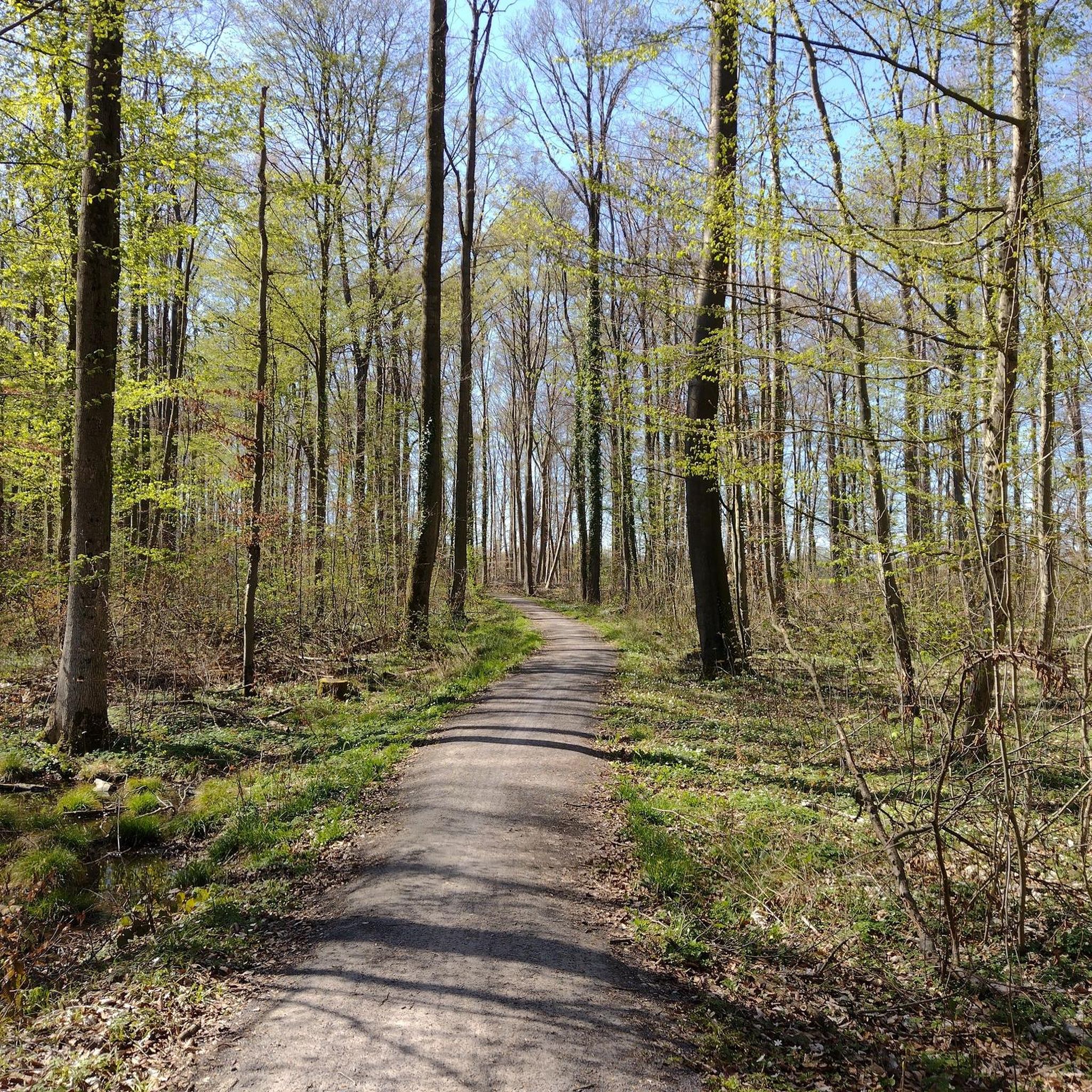
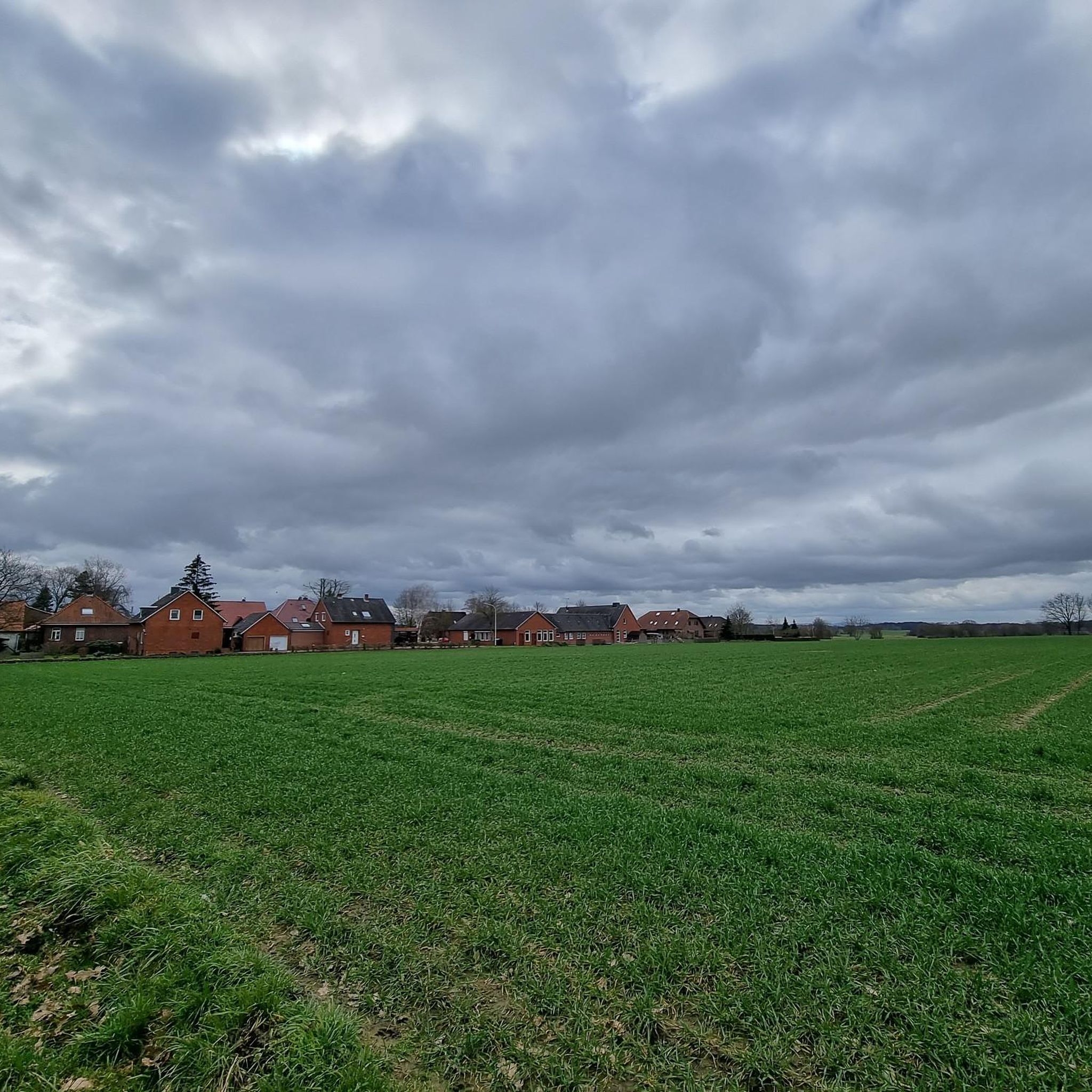

커뮤니티 팁

루카 성은 11/12세기에 루카 백작이 세운 고중세의 언덕 성으로, 거대하고 둥근 흙더미로 인식될 수 있습니다. 폭 2m의 성벽 일부가 보존되어 있습니다.
1
0

Luccaburg Castle was an early medieval lowland castle near Loccum. The tower hill castle of the Counts of Lucca, dating from the 11th/12th century, is recognizable as a massive, round earthen mound. Parts of the 2 m wide circular wall are preserved. A Count Burchard of Lucca is mentioned in documents around 1113 and 1130. His daughter, Beatrice of Lucca, married Count Wilbrand of Hallermund, who thus became his successor and heir. In 1163, he donated the surrounding land to Cistercian monks for the establishment of Loccum Abbey. Luccaburg Castle can only be reached on foot or by bike. Source: https://www.mittelweser-tourismus.de/poi/luccaburg/
2
0

The size of this castle surprised me. Viewing only with a completed tax return and correct tax number 😉
2
0
Stadthagen Castle, belonging to the then-ruling counts and later princely house of Schaumburg-Lippe, was built between 1535 and 1539 by Count Adolf XI in Stadthagen on the site of a predecessor structure. This was a moated castle built in 1224 by Count Adolf III of Schaumburg in a clearing in the Dülwald forest. First documented in 1244, the castle must have been part of the town's founding from the very beginning, as its two streets were aligned with it. Extensive construction work is documented for the period around 1300. In 1304, a "house" is mentioned in the castle. In 1406, three castle guards are mentioned. The 15th-century gatehouse was later incorporated into the west wing of the castle. The new castle building, beginning in 1535, was planned and built by master builder Jörg Unkair, who came from Lustnau near Tübingen and had previously worked at the Cistercian monastery of Bebenhausen. He himself selected Obernkirchen sandstone from the Bückeberg near Obernkirchen. The residential palace was designed as a spacious, square, four-winged complex, with its northwest corner open to the town. The dormer windows and wing gables – Italian gables – resemble those of the Schelenburg near Osnabrück, which Unkair had previously built. However, since in Stadthagen, unlike at Schelenburg, he did not have to consider the medieval castle remains, the palace appears welcoming both internally and externally. It was built purely as a residential palace, without any military functions. After its completion in 1539, the Schaumburg state government moved in the following year; the tax and finance authorities also had their headquarters here. In 1608, the government and residence of the Schaumburg counts were relocated to Bückeburg. Later, the palace served as a widow's residence and the residence of the Crown Prince. A comprehensive restoration took place in 1875. After the First World War, the castle became the property of the newly founded Free State of Schaumburg-Lippe in 1919, and of the state of Lower Saxony since 1946. The castle is considered the oldest and most influential Weser Renaissance monument in Lower Saxony. Source: https://de.wikipedia.org/wiki/Schloss_Stadthagen
4
0
The Luccaburg was an early medieval lowland castle near Loccum. The tower hill castle of the Counts of Lucca from the 11th/12th century can be recognized as a mighty, round mound of earth. Parts of the 2 m wide ring wall have been preserved. A Count Burchard of Lucca is mentioned in documents around 1113 and 1130. His daughter Beatrice of Lucca married Count Wilbrand of Hallermund, who thus became his successor and heir. In 1163 he donated the surrounding land to Cistercian monks to found the Loccum monastery. The Luccaburg can only be reached on foot or by bike. Source: https://www.mittelweser-tourismus.de/poi/luccaburg/
3
0

Very beautiful monument that you can explore at your leisure.
5
0

The Luccaburg gave the present-day town of Loccum its name. The castle complex was once located on a circular hill. The actual ruins of the castle now lie half a meter below ground level. The walls that can be seen today are a memorial to Prior Franzen. The castle itself had probably already been abandoned when the monks from Volkenroda settled in this area and founded their monastery here. The site was given to them in 1163 by the then lord of the castle, Wulbrand von Hallersmund.
2
0

In the forest south of Loccum lies the historic Luccaburg, a little "hidden", off the wide forest path, in the idyllic valley of the Fulde river. To be more precise, the remains of a medieval tower hill castle, which can still be seen today as a mighty, round mound. During the archaeological excavation in 1914, among other things, a double-shell, two-meter-wide ring wall made of sandstone with a radius of 39 meters was uncovered. According to finds and written sources, the castle dates back to the 9th/10th century. Century and belonged to the Counts of Lucca. At the latest after the founding of the neighboring monastery of Loccum in 1163, it was probably no longer used. Today, the Luccaburg is a wonderful place of silence, as only a few cyclists and hikers get here via the narrow, sometimes slightly muddy trail. So you can sit relaxed on the bench and watch the cattle grazing in the pasture next door.
6
0
비덴살 주변에서 가장 인기 있는 명소


더 살펴보기
다른 곳에서 최고의 성을 찾고 계신가요? 다른 가이드를 발견해보세요 비덴살 주변:
