플로센뷔르그에서 가장 멋진 20개의 동굴
성을 방문하는 건 언제나 특별한 일이에요. 하이킹을 하다가 잠깐 들를 때도, 가이드를 따라 제대로 둘러볼 때도 말이죠. 플로센뷔르그에 있는 아름다운 성 20
곳을 아래에서 살펴본 후에 마음에 드는 성을 다음 모험 때 만나보세요!
마지막 업데이트: 9월 12, 2026
셸렌베르크 성터와 전망대
하이라이트 • 성
번역자 Google •
팁에 의해

플로센뷔르크 성 유적
하이라이트 • 성
번역자 Google •
팁에 의해

이런 장소를 발견하려면 지금 가입하세요
최고의 싱글 트랙, 봉우리 및 다양한 흥미로운 야외 장소에 대한 추천을 받아보세요.
하젤슈타인 성터 및 하젤슈타인 안내 쉼터
하이라이트 • 역사적 장소
번역자 Google •
팁에 의해

슐로스베르크 호센부르크와 그라나이트 트레일
하이라이트 • 성
Once you are at the top of the castle, you can no longer see the construction site.
번역자 Google •
팁에 의해

오늘 무료 계정으로 시작하세요
다음 모험이 기다리고 있어요.


커뮤니티 팁

The ancestral home of the Lords of Liebenstein, who emerged from the middle of the 12th century. The building was built around 1100 on a rock spur made of "ice granite" above the Waldnaab. In 1430 the Hussites camped under the castle, and the castle has fallen into disrepair since the middle of the 17th century. After the city fire of 1814, the citizens of Tirschenreuth took many stones from the ruins. It is a relatively large complex; the few visible remains of the wall were recently excavated and renovated.
12
0

Beautiful circular walk around the castle ruins, which are worth a visit. Afterwards, we recommend a visit to the nearby museum cafe https://g.co/kgs/WCgcrBs
3
0

Beautifully prepared castle ruins with a drawbridge, exposed remains of walls and a castle chapel. The well-made information boards tell the story of the once proud castle. The oldest exposed stones date back to around 1200. Worth seeing and worth a detour.
8
0
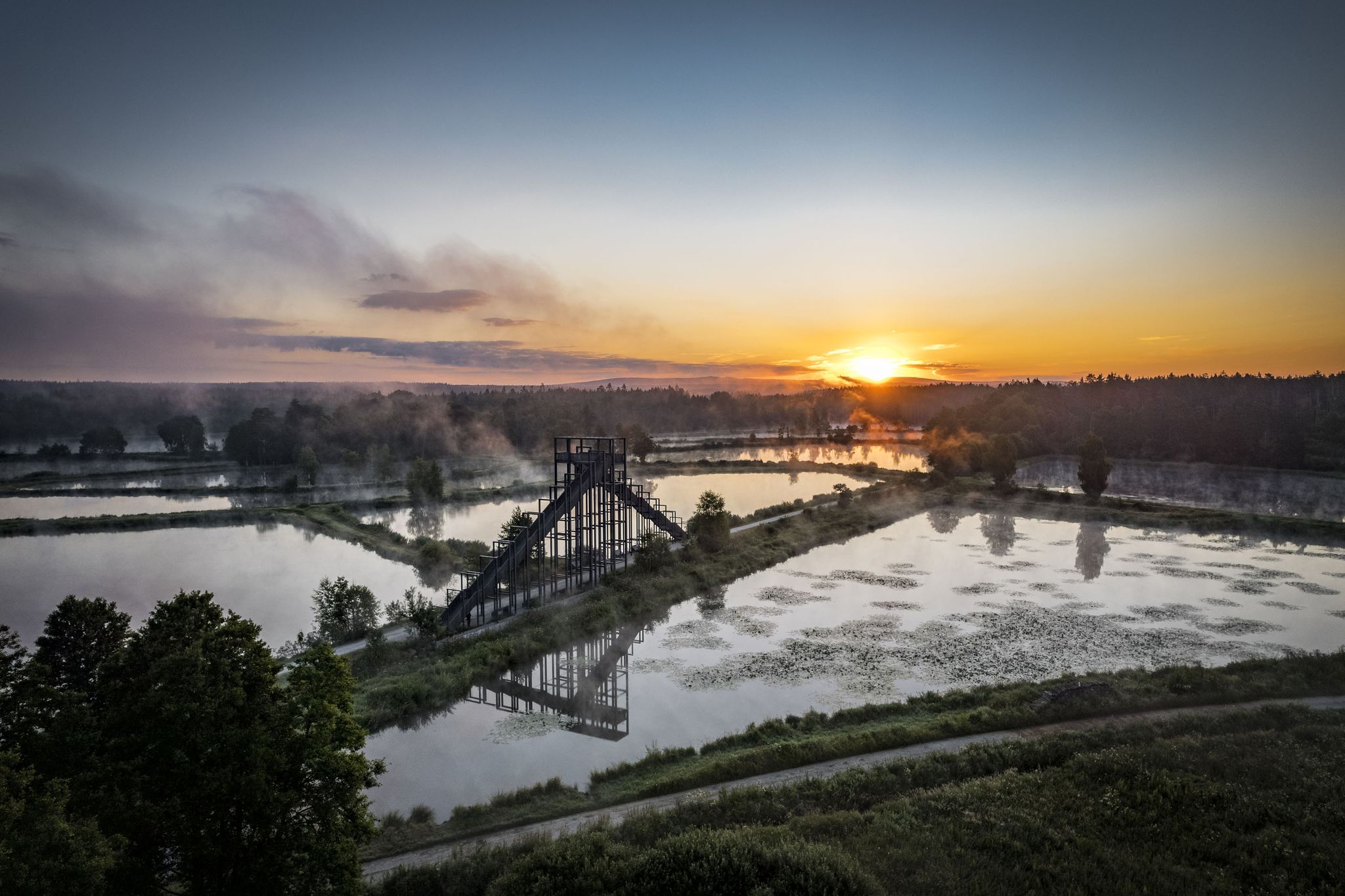
In 1347, Emperor Ludwig the Bavarian had Schellenberg Castle, which was then called "Lug ins Land", built to protect against attacks from Bohemia. On July 12, 1498, the castle was stormed under the leadership of Captain Konrad von Wirsberg, who was in the service of the Margrave of Brandenburg. The castle was partially destroyed. Their owner, Knight Moritz von Guttenberg, was captured. The castle was never rebuilt.
9
0

An impressive ruin, worth visiting for the complex alone. But the magnificent views are also inspiring.
8
0
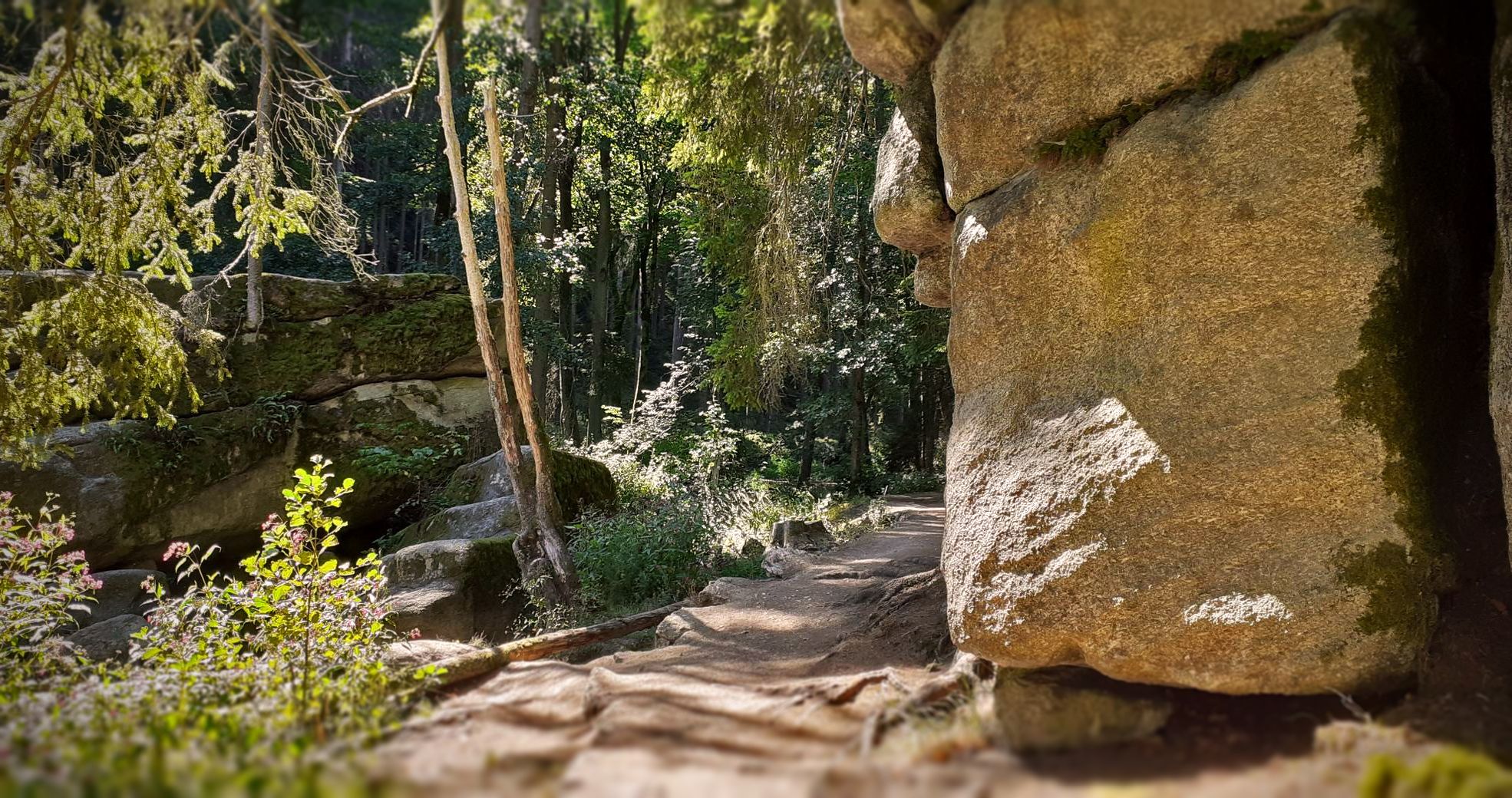
In addition to the great granite rocks, you can also catch wonderful views of the Schlossberg and the castle enthroned on it on the granite path.
6
0

Great view of the castle ruins from the back failure of a beautiful hiking trail
3
0

Castle ruins Liebenstein Liebenstein Castle is located on two old long-distance routes on a topographically striking granite cone above the Waldnaab valley. The castle is built in the early 12th century. In documents from 1125 and 1143 the family of Liebensteiner (the brothers "Udalricus and Piligrimus de Egere") is mentioned for the first time. The Liebensteiner belonged to one of the most powerful and richest ministerial families of the Egerland. When they died out in 1292 without male descendants, the castle came into the possession of the Waldsassen monastery in 1298. It was heavily fortified and expanded around 1300 by Abbot Theodoric. In 1340 Abbot Franz erected a ring wall as a further fortification measure, which surrounded the entire castle complex. Liebenstein Castle had its own beneficiary. In the course of the excavations, the small castle chapel dedicated to St. Catherine was located in the very south-east of the ruins. The altar block is still preserved in the choir room. The apse was added to the wall of the hall later. The main room, with its loophole-like openings, must therefore have had a different function before it was converted into a chapel. A chapel was expensive to build and maintain. According to the reconstruction proposal, the chapel is equipped with a few elaborate columns and a wooden gallery. The gallery must have been accessible to the noble residents of the castle from the Palas. Here, as was customary in the medieval society of estates, they could attend mass separately from the other believers. In 1643 the castle was given up in favor of a castle in the valley (former inn) and fell into ruins. In 1814 it was almost completely demolished - a royal decree to protect the ruins came too late. The stone material is used for the reconstruction of Tirschenreuth after the great city fire (July 30, 1814). The granite cone of the castle hill was mined by several quarries from 1937 to the 1950s. In 2006, when the excavations and repair work began, only a few remains of the wall were left. After intensive excavations, restoration and reconstruction measures, it now presents itself to the visitor in a comprehensively restored condition. The work, supported by numerous sponsors, was carried out between 2006-2018 by the Liebenstein Citizens' Association. They were professionally looked after by the Bavarian State Office for the Preservation of Monuments.
3
0
플로센뷔르그 주변에서 가장 인기 있는 명소


더 살펴보기
다른 곳에서 최고의 성을 찾고 계신가요? 다른 가이드를 발견해보세요 플로센뷔르그 주변:
