20의 순칭가지 명소 & 주요 장소
순칭에는 둘러볼 만한 장소가 많답니다. 하이킹 또는 사이클링을 좋아한다면 순칭에 숨겨진 20
가지 보석을 만날 수 있을 거예요. 이 지역의 주요 명소를 살펴보면서 다음 모험을 계획해보세요.
마지막 업데이트: 9월 12, 2026
Schloss Alteglofsheim
하이라이트 • 성
번역자 Google •
팁에 의해


이런 장소를 발견하려면 지금 가입하세요
최고의 싱글 트랙, 봉우리 및 다양한 흥미로운 야외 장소에 대한 추천을 받아보세요.

하인들링 순례 교회
하이라이트 • 종교적 장소
번역자 Google •
팁에 의해

하인들링 성십자가 교회
하이라이트 • 종교적 장소
번역자 Google •
팁에 의해
무료로 가입하여 순칭 주변의 더 많은 명소를 발견하세요.
이미 komoot 계정이 있나요?
오늘 무료 계정으로 시작하세요
다음 모험이 기다리고 있어요.
커뮤니티 팁

Haindling Church is always worth a visit.
0
0


Alteglofsheim Castle The name comes from the Eglofsheim family. Since the 10th century there has been a moated castle here with an associated manor. The castle was rebuilt and expanded several times over the centuries. From 1480 to 1573 the Barons of Parsberg owned the castle and manor. In 1659 Johann Georg Baron von Königsfeld bought the Alteglofsheim estate. In 1685 he became an Imperial Count. In his will in 1694 he left the estate to his grandson Hans Georg Graf von Königsfeld. He was the Minister of State and Conference of Elector Karl Albrecht and First Minister during his time as Emperor. From 1728 to 1734 he had the castle significantly expanded and refurbished. His successor Count Christian Johann August von Königsfeld, Elector's ambassador in Vienna, added the north wing of the castle with the magnificent dining room in 1780. In 1810 the Königsfelder family died out. The Barons of Cetto followed as owners, and in 1835 Prince Maximilian Karl von Thurn und Taxis acquired the castle. The Princes of Thurn und Taxis sold it to a priest in 1939, and it later went to his housekeeper. The war and post-war period led to the castle being used for other purposes, and it fell into increasing disrepair. In 1973 the Free State of Bavaria acquired it and made it available to the University of Regensburg in 1980. In 1989 the castle was designated as the location for the third Bavarian Music Academy. Construction work began in 1992. The Music Academy began operations here in June 1999. After extensive renovations and refurbishments the castle was handed over to its new purpose in September 2000. The late Gothic core of the complex with the 35-meter-high keep in the west dates from the beginning of the 14th century. It towers over the high gable of a building with two round flanking towers from the early 17th century. Around 1680, a wing with a two-aisled chapel in the basement was leaning against it in the south. Around 1730, it was extended to the west after the south-north wing had been started at a right angle to it. Elaborate ceiling frescoes by the Asam brothers and elegant stucco ceilings created by Johann Baptist Zimmermann adorn the castle. Tours of the castle are only possible for groups by prior arrangement. Source: Excerpts from www.wikipedia.de
2
0
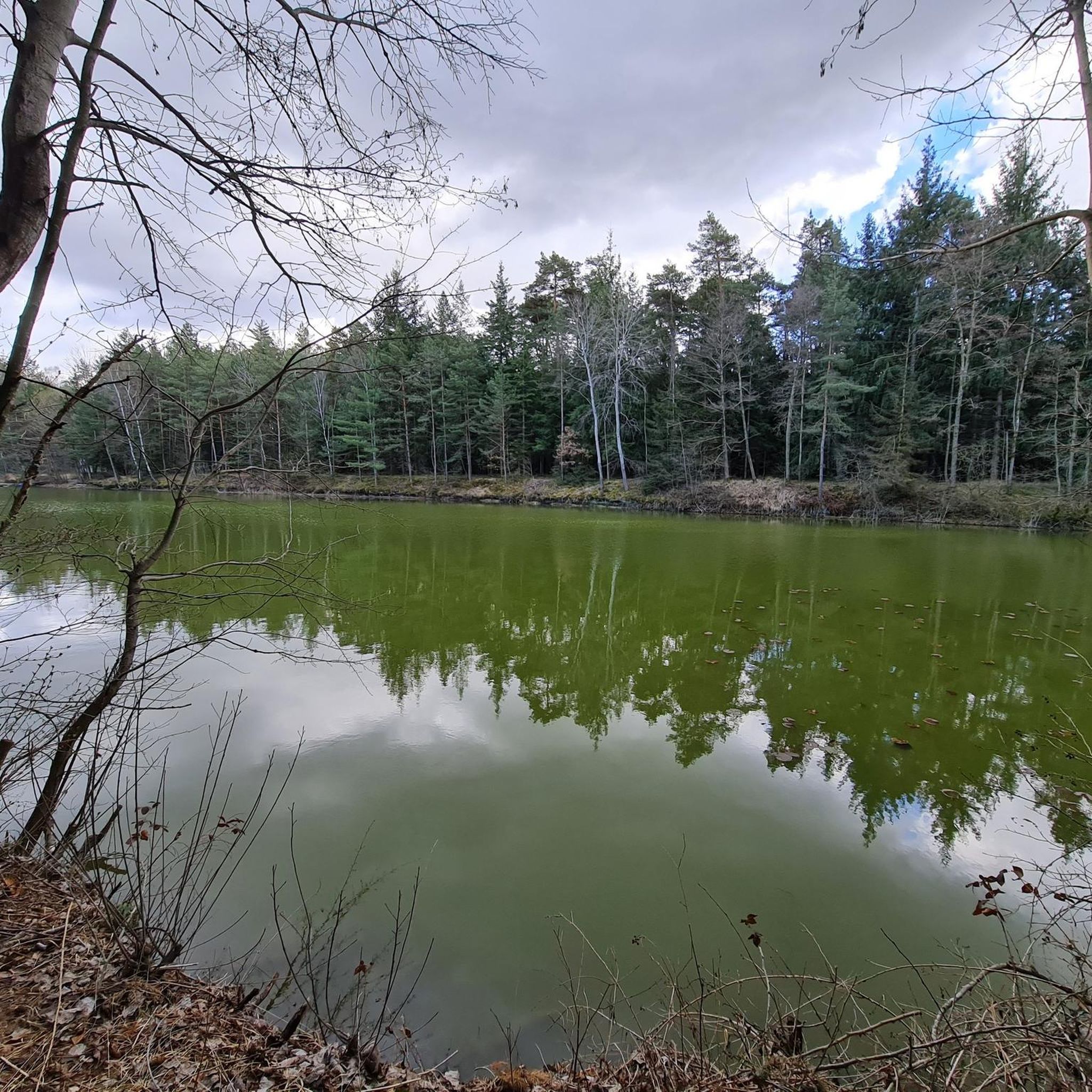
Thousand-year-old oak near Arnkofen The thousand-year-old oak stands just under 1 km northeast of the Arnkofen farm on the edge of the forest. It is isolated in a flat valley, surrounded by forest on three sides. Arnkofen belongs to Laberweinting, which is 3.5 km southeast. The oak is a registered natural monument of the Straubing-Bogen district. It has been under this special protection since 1941. The oak has a slightly inclined trunk. The monumental trunk is completely closed and extends far up. Measured at a height of 1 m, the trunk circumference is 6.60 m. Numerous branches that branch off in the lower part of the trunk broke off after a few meters. The crown only widens far up. In the upper crown area, the high-reaching crown is densely branched. The oak's vitality is still good. Tree species: English oak Age: around 300 years Chest height: 6.25 m Waist circumference: 5.91 m Height of the tree: 29 m Crown diameter: approx. 20 m Year of measurements: 2018 Source: www.monumentale-eichen.de
2
0
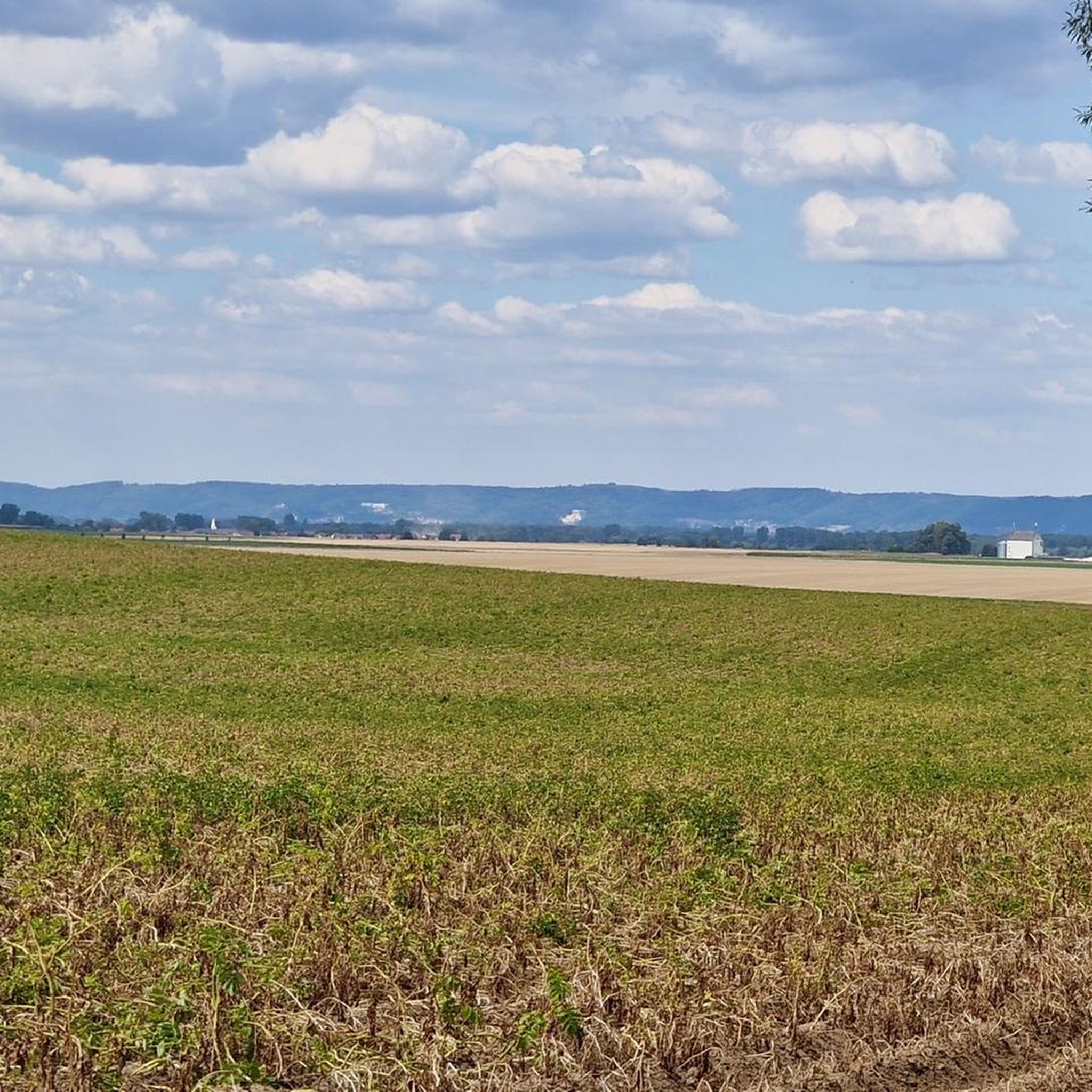
Beautifully restored farm directly on the Labertal cycle path.
1
0

The Catholic branch church of the Holy Cross in Haindling was renovated in 1621 with a Gothic core; the tower dates from 1629. In 1626, the high-rise, essentially late medieval cross church was given an arched gallery on a high base, to which a staircase with the symbolic number of 28 steps leads up and its middle arcade is designed as a pulpit for displaying relics. Important Renaissance altar by the Regensburg master Hans Wilhelm from 1621. Baroque Stations of the Cross from 1733. The church is open during the day.
5
0
The Catholic branch church of the Holy Cross in Haindling was renovated in 1621 with a Gothic core; the tower dates from 1629. In 1626, the high-rise, essentially late medieval cruciform church was given an arched gallery on a high base, to which a staircase with the symbolic number of 28 steps leads up and its middle arcade is designed as a pulpit for displaying relics. Important Renaissance altar by the Regensburg master Hans Wilhelm from 1621. Baroque Stations of the Cross from 1733. The church is open during the day.
5
0
순칭 주변에서 가장 인기 있는 명소


더 살펴보기
찾고 있는 하이라이트를 아직 못 찾으셨나요? 다른 지역의 주요 명소 가이드를 확인해보세요:
