20의 알테글로프스하임가지 명소 & 주요 장소
알테글로프스하임에는 둘러볼 만한 장소가 많답니다. 하이킹 또는 사이클링을 좋아한다면 알테글로프스하임에 숨겨진 20
가지 보석을 만날 수 있을 거예요. 이 지역의 주요 명소를 살펴보면서 다음 모험을 계획해보세요.
마지막 업데이트: 10월 10, 2026
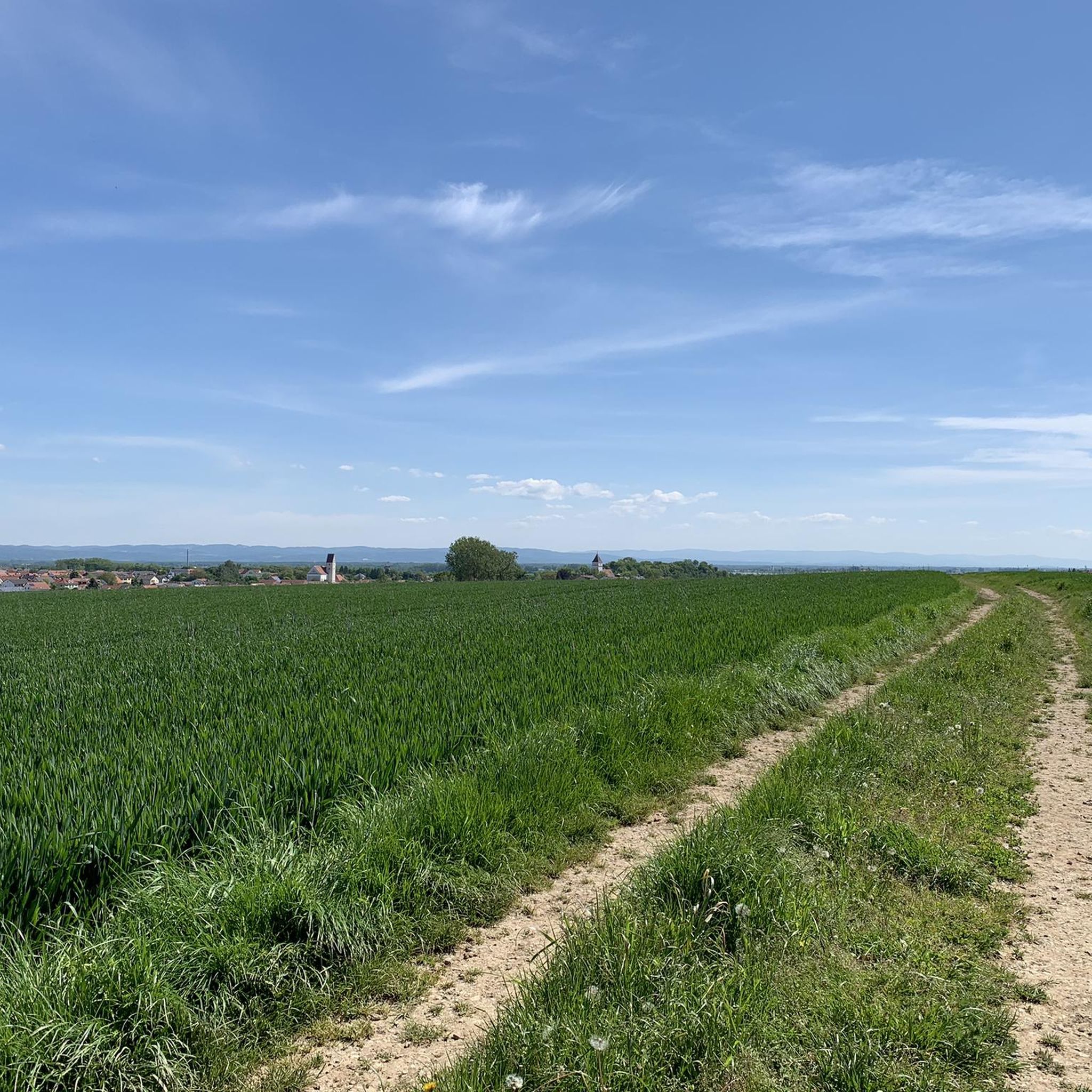
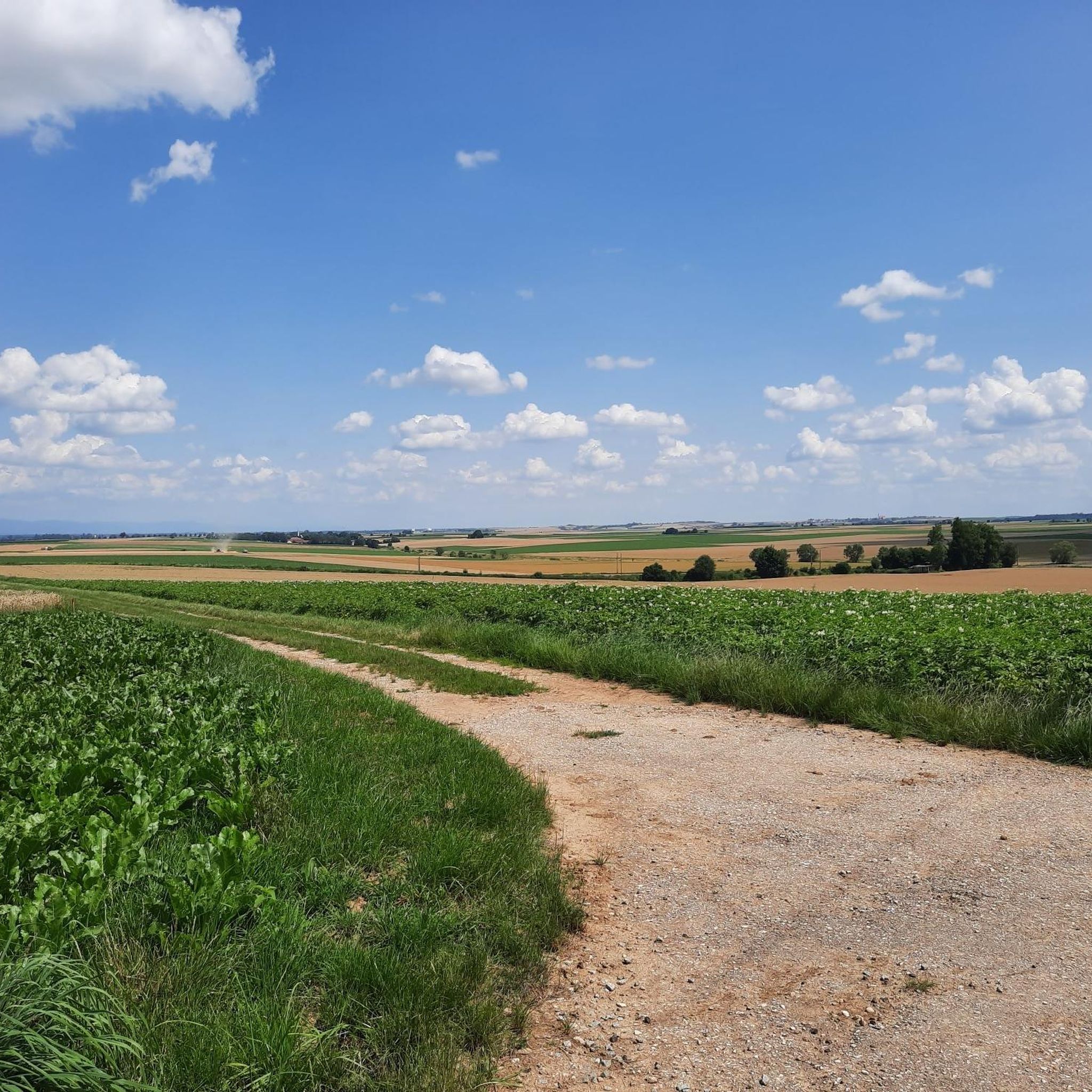
도나우강 너머 프라이스하임 전망
하이라이트 • 전망대
번역자 Google •
팁에 의해

세인트 볼프강 오크
하이라이트 • 자연 기념물
번역자 Google •
팁에 의해

이런 장소를 발견하려면 지금 가입하세요
최고의 싱글 트랙, 봉우리 및 다양한 흥미로운 야외 장소에 대한 추천을 받아보세요.

하인리히스투름 (압바흐 성의 본탑)
하이라이트 • 성
번역자 Google •
팁에 의해

프라우엔브룬들 은둔지
하이라이트 • 종교적 장소
번역문 보기
팁에 의해

무료로 가입하여 알테글로프스하임 주변의 더 많은 명소를 발견하세요.
이미 komoot 계정이 있나요?
오늘 무료 계정으로 시작하세요
다음 모험이 기다리고 있어요.

커뮤니티 팁

Frauenbründl은 성스러운 샘이 있는 성모 마리아 순례지 교회입니다. 이에 대한 자세한 내용은 하이라이트, 사진 및 다음 링크에서 확인할 수 있습니다: https://www.herzstueck.bayern/attraktion/wallfahrtskirche-frauenbruendl-f676762b3c https://www.tvaktuell.com/cmms-embed/12681
1
0
Frauenbründl은 성스러운 샘이 있는 성모 마리아 순례 교회입니다. 이에 대한 자세한 정보는 하이라이트, 사진 및 다음 링크에서 확인할 수 있습니다: https://de.wikipedia.org/wiki/Zur_Schmerzhaften_Muttergottes_(Frauenbr%C3%BCndl) https://www.tvaktuell.com/cmms-embed/12681
2
0

Unfortunately the tower was closed
0
0

순례 교회 Frauenbründl Frauenbründl 순례 교회는 마리엔브륀들(Marienbründl)이라고도 불리며, 바트 아바흐(Bad Abbach)와 잘하우프트(Saalhaupt) 마을 사이에 위치하며 15세기까지 거슬러 올라가는 오랜 역사를 가지고 있습니다. Frauenbründl의 역사는 1700년경 전직 용병이었던 게오르크 판트테터(Georg Pfandstetter)가 다섯 개의 샘물 옆에 은둔자로 정착하면서 시작되었습니다. 그는 이탈리아 움브리아에서 피에타(Pietà)를 가져와 마르텔(Marterl, 길가 십자가상)에 설치했습니다. 오늘날 우리가 보는 바로크 양식의 교회는 원래 1725년에서 1726년 사이에 예배당으로 지어졌습니다. 그 이전에는 이 자리에는 나무로 된 야외 예배당이 있었습니다. 특히 주목할 만한 것은 성가대석 외부에 있는 샘물로, 특별한 치유력이 있다고 여겨집니다. 이미 15세기부터 사람들은 눈 질환의 치유를 바라며 이 샘물을 찾아 순례했습니다. 한 전설에 따르면, 거의 앞을 보지 못했던 한 남자가 샘물에 와서 그 물로 눈을 씻고 마르텔 앞에서 기도한 후 다시 볼 수 있게 되었다고 합니다. 이 기적이 오늘날까지 이어지는 순례 전통의 시작이 되었습니다. Frauenbründl의 역사는 헌신과 보존 의지로 특징지어집니다. 세속화 이후, 1821년 프라이프라우 폰 베히톨스하임(Freifrau von Bechtoldsheim)이 교회를 철거 위기에서 구했으며, 1858년에는 다시 은둔자들의 소유로 돌아갔습니다. 후일 주교가 된 게오르크 미하엘 비트만(Georg Michael Wittmann)은 1800년부터 1832년까지 이곳에서 정기적으로 영성 수련을 했으며, 이는 이 장소의 영적 중요성을 강조합니다. 이미 1920년대에 약사이자 바흐 역사 협회 회장이었던 막시밀리안 헹게(Maximilian Hengge)는 그의 저서 "바트 아바흐와 그 주변 안내서"에서 Frauenbründl의 위치와 주변의 아름다움을 극찬했습니다. "이 은둔자의 집(...)은 여름 방문객들이 많이 찾습니다. 아름다운 전나무 숲 가장자리에 위치한 '마리엔브륀들' 또는 '프라우엔브륀들'로 가는 길은 늦은 오후 해질녘 바트 아바흐 주변에서 가장 아름다운 길 중 하나입니다." 양초 예배당은 1987년 화재 이후 마련되었습니다. 큰 성모 마리아 그림은 프랑스 화가 윌리엄 아돌프 부게로(William Adolphe Bouguereau)의 작품을 인쇄한 것입니다. 출처: www.bad-abbach.de
3
0
Abbach Castle Ruins Ahabach Castle was first mentioned in a document on May 6, 973. Abbach Castle is believed to have been the birthplace of Emperor Henry II, but this cannot be proven. On November 1, 1007, Emperor Henry II donated the site to the Bishopric of Bamberg, which he founded. Abbach Castle was taken over by the Wittelsbachs around 1200; at that time, the Wittelsbachs had also succeeded in gaining control of the Danube toll at Abbach. The castle was allegedly destroyed by the Bishop of Bamberg when he handed Abbach over to the Prüfening Monastery. However, Duke Ludwig I had it rebuilt in 1224 and compensated the monastery with Königswiesen near Regensburg and Matting. Subsequently, the Duke significantly expanded his holdings in the Abbach district. In 1297, Abbach was burned down during a feud between the Bavarian Dukes Otto and Stephan and the citizens of Regensburg. Afterwards, the castle, which served only as the steward's residence, was rebuilt on a smaller scale. In 1564, neglect of the surrounding wall and the castle itself was noted. A land register from 1586 contains the following note: The castle has a wide courtyard, in the center of which stands a round tower that has been roofless for many years, as well as a deep well that does not always provide water. The strong surrounding walls have partially collapsed. During the Thirty Years' War, in 1632 and 1634, the citizens of Abbach and the surrounding area fled to the castle and defended it. In 1705, during the War of the Spanish Succession, Abbach surrendered to the Austrians without a fight. Between 1740 and 1745, Abbach was repeatedly sacked as a result of the War of the Austrian Succession. Demolition work on the castle buildings began in 1803; by 1832, almost all buildings except the keep had been removed. In April 1945, the Heinrichsturm (St. Henry's Tower) was hit by bombs because it had housed a German Wehrmacht observation post. The tower, which is now accessed via a steel staircase above the old high entrance, was renovated in the early 1980s. The 27-meter-high late Romanesque tower has a four-and-a-half-meter-thick rubble masonry. Inside the tower are two stacked octagonal chambers with helmet vaults. Remains of the castle's ring wall have also been preserved. Source: Excerpts from www.wikipedia.de
3
3

A hilltop castle stood here, built in 973. Between 1803 and 1832, everything except the keep was demolished.
2
1
St. Wolfgang's Oak - Neueglofsheim The St. Wolfgang's Oak stands near Schloss Haus, near Neueglofsheim. The oak stands in a meadow next to a dirt road. It is one of the largest oaks in Bavaria. A horizontal branch has been supported by wooden posts towards the dirt road for over 100 years. In 1905, the trunk circumference was 8 m at a height of 1 m. According to legend, Saint Wolfgang preached eloquently from this branch. The monumental trunk is very irregular and has strong growths in the lower area. On one side, the trunk has an oval opening that comes from a branch breaking a long time ago. The oak burned in 1878 and 1909. In 1909, it burned on St. Wolfgang's Day. The crown is formed by a few, quite large branches. Holes can be seen everywhere in the branches, which come from smaller branches that have broken off. The vitality is still quite good considering the relatively old age of the oak. Height: 385 m above sea level Tree species: Pedunculate oak Age: around 500 years Chest height: 9.80 m Waist circumference: 9.03 m Height of the tree: 18 m Crown diameter: 15 m Year of measurements: 2021 Source: www.monumentale-eichen.de
7
0

ND-Nr. 46 (LKR Regensburg의 일련 번호) 관심 있는 웹 링크: https://www.monumentale-eichen.de/bayern/schloss-haus/ https://de.m.wikipedia.org/wiki/Sankt-Wolfgangs-Eiche https://www.baumkunde.de/baumregister/1555-sankt_wolfgangs_eiche_bei_schloss_haus/ https://nationalerbe-baeume.de/project/wolfgangseiche-thalmassing-bei-regensburg-bayern/
8
0
알테글로프스하임 주변에서 가장 인기 있는 명소


더 살펴보기
찾고 있는 하이라이트를 아직 못 찾으셨나요? 다른 지역의 주요 명소 가이드를 확인해보세요:
