가면에서 가장 멋진 16개의 동굴
성을 방문하는 건 언제나 특별한 일이에요. 하이킹을 하다가 잠깐 들를 때도, 가이드를 따라 제대로 둘러볼 때도 말이죠. 가면에 있는 아름다운 성 16
곳을 아래에서 살펴본 후에 마음에 드는 성을 다음 모험 때 만나보세요!
마지막 업데이트: 10월 9, 2026
하우스 로덴베르크 수성
하이라이트 • 성
The bell tower tackles the quality time 🔔 🏰⛲️🏞
번역자 Google •
팁에 의해

립폴트하우젠의 슐로스뮐레
하이라이트 • 역사적 장소
It is also an ideal place to take a break for a short rest.
번역자 Google •
팁에 의해

이런 장소를 발견하려면 지금 가입하세요
최고의 싱글 트랙, 봉우리 및 다양한 흥미로운 야외 장소에 대한 추천을 받아보세요.
바서슐로스 하우스 오페르디케
하이라이트 • 성
번역자 Google •
팁에 의해


오늘 무료 계정으로 시작하세요
다음 모험이 기다리고 있어요.
커뮤니티 팁

The former aristocratic residence Haus Rodenberg in Dortmund-Aplerbeck originally emerged from a medieval moated castle on the banks of the Emscher and was mentioned in a document as early as 1290. Of the former gardens, only the outer bailey island, the surrounding moats, the house pond and remnants of the wall surrounding the main garden remain. Today the park area is a public green space in the center of the Aplerbeck district.
12
0

Beautiful castle north of Lünen. The ascent up to the castle is great to drive on the new asphalt. As a descent you can let it fly properly here, but watch out for the crossing below
7
0

Schwansbell Castle almost suffered the same fate as Buddenburg Castle. It was saved by the entrepreneur Hildebrand, who purchased it for one of his adopted daughters and had it renovated by Polish restorers. The castle now has a different owner. The rooms are rented out as apartments. Schwansbell Castle was built in its current form in 1872 by the Counts of Westerholt on the site of the medieval castle. The servants' quarters also dates back to the 19th century and currently houses the Lünen City Museum. The collection, which focuses on the city's history, focuses on everyday and residential culture, as well as the social and industrial history of the city of Lünen in the 19th and 20th centuries.
10
0

The mill was supposed to be demolished in 2002, but some committed citizens of Lünen wanted to save the historic building and founded the Mühlenfreunde Lippholthausen association. Today, the Schlossmühle is in its old glory and is used by the Lünen registry office as a wedding room - an offer that many happy bridal couples have taken advantage of.
10
0

The Rodenberg House is a moated castle in the Aplerbeck district of Dortmund. The castle fell into disrepair in the 19th and 20th centuries. All that remained of the former moated castle was the outer bailey with the economic section. After the castle was destroyed in the Clevisch-Märkischen succession dispute in 1422, it was rebuilt in the years that followed. Between 1689 and 1698 the castle was rebuilt into a baroque moated castle. The property was sold to the city of Dortmund in 1985, which had the park and Rodenberg house thoroughly restored by 1996 and finally handed it over to the citizens of Dortmund. The castle is listed as a monument, the former castle as a monument in the monument list of the city of Dortmund. Today, Haus Rodenberg is home to the seminar rooms of the adult education center in Dortmund, the fairytale stage (a puppet theater for children and adults) and upscale gastronomy. The premises of Haus Rodenberg can be rented for so-called ambience weddings through the adult education center in Dortmund. The former mill pond and the park with "orchard" are well visited in summer.
8
0

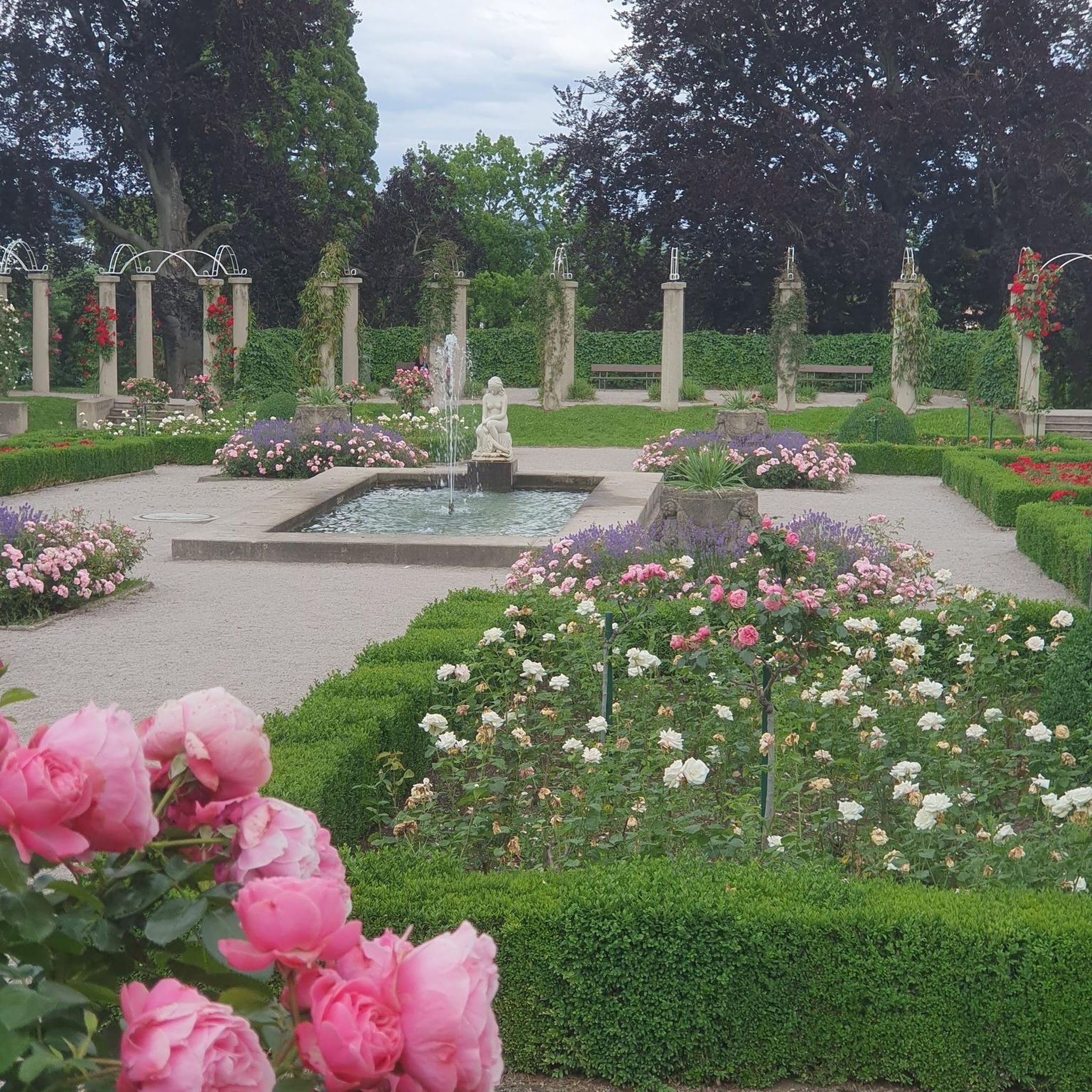
In the park there are plenty of sculptures and also the opportunity to rest
9
0
A well-known place for Brambauerans to rest on hikes or bike tours for ages
10
0


