바싱하우젠에서 가장 멋진 20개의 호수
바싱하우젠에서 가장 멋진 호수를 방문하고 싶나요? 호숫가의 고요한 분위기를 느끼거나 날씨가 따뜻한 날 호수에 발을 살짝 담글 수 있다면 얼마나 좋을까요? Komoot 커뮤니티가 추천한 바싱하우젠의 주요 호수를 아래에서 살펴보고, 다음 모험 때 직접 찾아가보세요!
마지막 업데이트: 10월 2, 2026

데이스터 송어 연못
하이라이트 • 호수
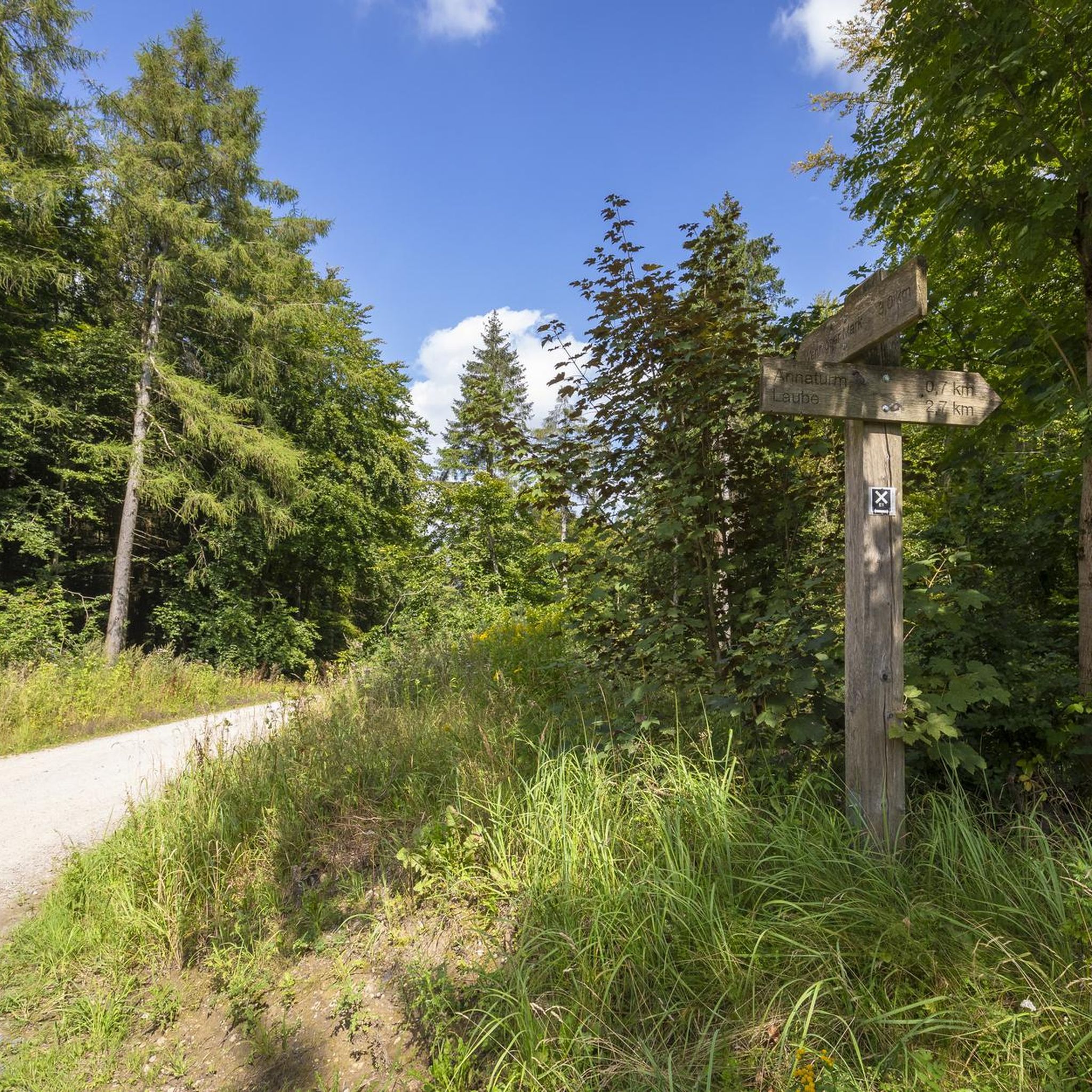
The stamp office is located outside the shelter - there are also the Wanderpaesse.
번역자 Google •
팁에 의해

이런 장소를 발견하려면 지금 가입하세요
최고의 싱글 트랙, 봉우리 및 다양한 흥미로운 야외 장소에 대한 추천을 받아보세요.

Georgs-/Toppiplatz
하이라이트 • 기념물
today a nice place for rest and rest
번역자 Google •
팁에 의해

쿠어파크 바트 뮌더
하이라이트 • 휴식 공간
번역자 Google •
팁에 의해

무료로 가입하여 바싱하우젠 주변의 더 많은 호수를 발견하세요.
이미 komoot 계정이 있나요?
오늘 무료 계정으로 시작하세요
다음 모험이 기다리고 있어요.

커뮤니티 팁

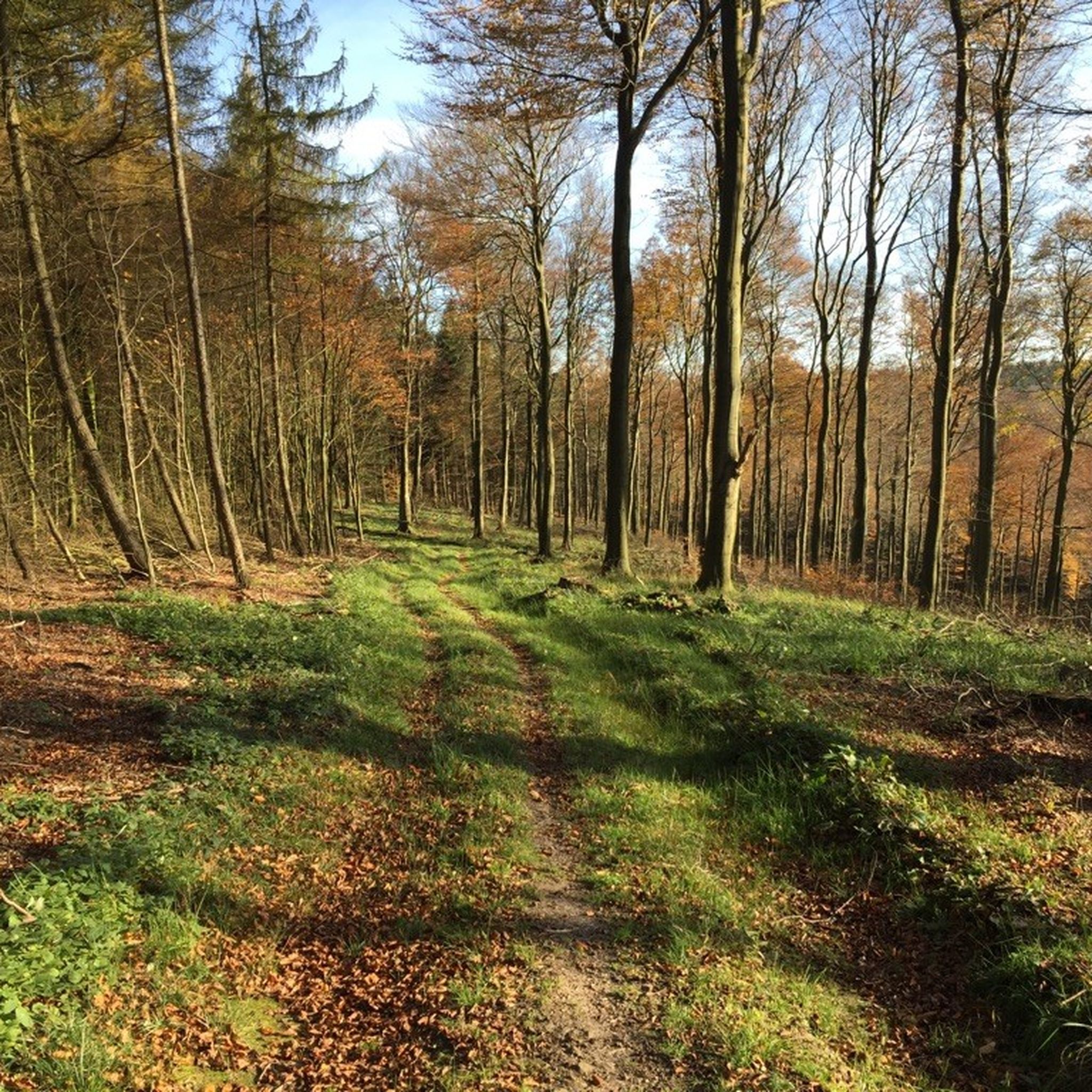
웬니겐 근처 데이스터에 있는 게오르크스플라츠와 토피우스플라츠는 광업, 사냥, 임업과 밀접하게 관련된 역사적인 장소입니다. 게오르크스플라츠는 광부들의 만남의 장소로 생겨났으며 19세기에 왕실 사냥터가 추가되었습니다. 맞은편에는 토피우스플라츠가 있으며, 이곳은 과거 사냥 의식과 모임에 사용되었고 오늘날에도 기념비를 통해 그 시대의 사건과 인물들을 기억하고 있습니다. 오늘날 두 장소 모두 데이스터의 조용한 휴식 및 관광 장소로 주로 이용됩니다.
2
0
토피우스 기념비는 왕실 사냥꾼 토피우스를 기리기 위해 세워졌으며, 그는 밀렵꾼과의 몸싸움에서 사망했습니다. 처음에는 포렐렌 연못 아래쪽에 있었으나 1901년에 현재의 위치로 옮겨졌습니다. 약 1미터 높이의 돌로 된 기념비에는 다음과 같은 비문이 새겨져 있습니다: 왕실 사냥꾼 토피우스 추모. 1807년 2월 28일 이 장소에서 직무 수행 중 치명상을 입고, 이틀 뒤 베니그센에서 사망함. 출처: https://de.wikipedia.org/wiki/Georgsplatz_(Wennigsen)
1
0

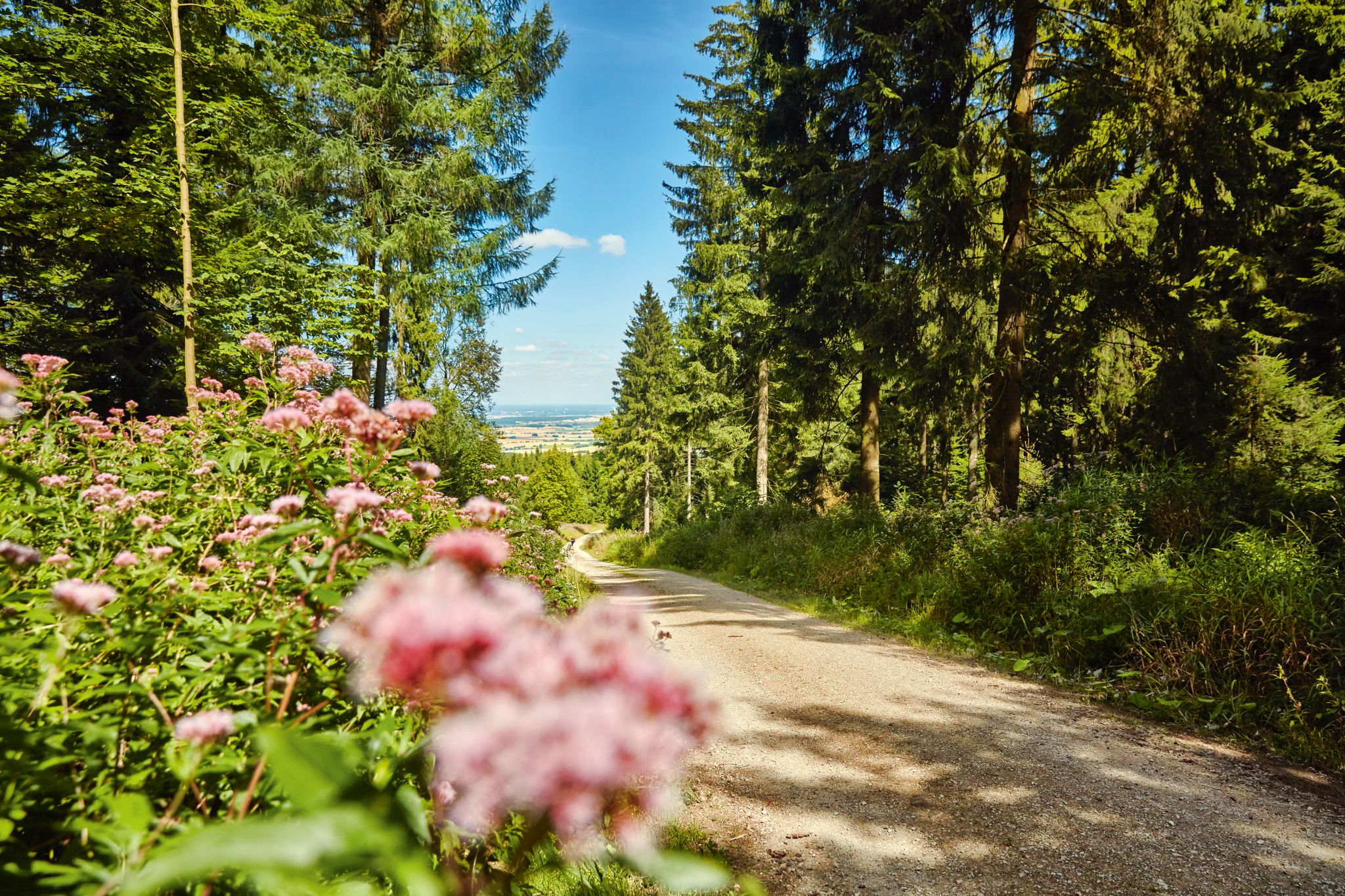
The plaza contains various commemorative stones loosely and widely spread over it. In between there are many places to rest.
2
0

Stamping points for the Deister hiking pass ~ No. 1 trout pond (stamp was permanently removed due to vandalism. As a replacement, you will find a code outside the refuge that you can enter in the pass instead of the stamp)
0
0
The grand opening took place in May 1879. The three-storey spa hotel was not completed until around 1900. In 1931, the mineral springs and spa facilities became the property of the city. In 1936 Münder was awarded the state title "Bad". In the 1990s, an expanded, modern landscaped park was created based on designs by the renowned Swiss landscape architect Dieter Kienast. The emphasis and the development of a high-contrast whole from existing and new parts of the park was the guiding principle of the design. Both natural relaxation zones and active areas have their place in the park, such as the world champion mini golf course. The Kurmittelhaus and the Tourist Information are also located here. Source: https://www.weserbergland-tourismus.de/de/poi/park/kurpark-bad-muender/21704148/
1
0
The lake has an area of approx. 40,000 square meters and is one of the bathing waters in the Hanover region. It was created as a gravel pond during the construction of the federal highway 6 and is now owned by the fishing club, which also takes care of the maintenance of the area or should take care of it. Sanitary facilities are no longer available. Until around the turn of the millennium, the lake had shallow, sandy entrances in several places and was therefore also very suitable for children. However, the "beach" that used to be popular with families is no longer there: it has become overgrown and there is no longer any sand to be found. The remaining entry points on the south-eastern shore of the lake are used primarily by people from Bordenau. A few dedicated swimmers regularly cut the paths and clear some entry points in summer. The regional administration regularly monitors the water quality from mid-May to mid-September. Source: https://www.bordenau.de/DerOrt/Kiesteich/index.htm
4
1

There are two registered monuments on Toppiusplatz: the Toppius stone and the Lendorff monument. The square was the traditional gathering place of the miners. The square is immediately southwest of Georgsplatz. It was laid out in terraces around 200 years ago. In the past it was used to lay the hunting track. Even today, a Zackelschau is held there regularly, in which the shed antlers of the Deister deer are shown. The Wennigser Mark local community uses the space for events such as the annual jazz brunch or church services.
1
0
The springs in Bad Münder have been known since the Middle Ages and were also visited by many travelers as "healing and beneficial". On the initiative of the pharmacist Adolf Andree, these mineral springs were used for health benefits in the mid-1870s. In 1878 a stock corporation was founded. Investments were made in a bathhouse on the former site of the Salzhof and a spa park with a pond was laid out. The area covered 1,250 square meters. The grand opening took place in May 1879. The three-storey spa hotel was not completed until around 1900. In 1931, the mineral springs and spa facilities became the property of the city. In 1936 Münder was awarded the state title "Bad". In the 1990s, an expanded, modern landscaped park was created based on designs by the renowned Swiss landscape architect Dieter Kienast. The emphasis and the development of a high-contrast whole from existing and new parts of the park was the guiding principle of the design. Both natural relaxation zones and active areas have their place in the park, such as the world champion mini golf course. The Kurmittelhaus and the Tourist Information are also located here. Source: https://www.weserbergland-tourismus.de/de/poi/park/kurpark-bad-muender/21704148/
0
0


더 살펴보기
바싱하우젠 주변에서 완벽한 호수를 아직 못 찾으셨나요? 이 지역의 가이드를 확인하여 더 아름다운 장소를 찾아보세요.
