뷔르츠부르크에서 가장 멋진 20개의 동굴
성을 방문하는 건 언제나 특별한 일이에요. 하이킹을 하다가 잠깐 들를 때도, 가이드를 따라 제대로 둘러볼 때도 말이죠. 뷔르츠부르크에 있는 아름다운 성 20
곳을 아래에서 살펴본 후에 마음에 드는 성을 다음 모험 때 만나보세요!
마지막 업데이트: 8월 30, 2026
알테 마인브뤼케 뷔르츠부르크
하이라이트 • 다리
번역자 Google •
팁에 의해


이런 장소를 발견하려면 지금 가입하세요
최고의 싱글 트랙, 봉우리 및 다양한 흥미로운 야외 장소에 대한 추천을 받아보세요.
무료 회원 가입
뷔르츠부르크 레지덴츠
하이라이트 • 역사적 장소
번역자 Google •
팁에 의해

Sommerhausen 구시가지
하이라이트 • 역사적 장소
번역자 Google •
팁에 의해

뷔르츠부르크 레지덴츠의 궁정 정원
하이라이트 • 자연 기념물
More information: residenz-wuerzburg.de/deutsch/garten/geschichte.htm
번역자 Google •
팁에 의해

Schloss Veitshöchheim와 로코코 정원
하이라이트 • 성
번역자 Google •
팁에 의해


오흐센푸르트 구시가지
하이라이트 • 정착지
번역자 Google •
팁에 의해

라이헬스부르크 성터
하이라이트 • 성
번역자 Google •
팁에 의해

무료로 가입하여 뷔르츠부르크의 더 많은 성을 발견하세요.
무료 회원 가입
이미 komoot 계정이 있나요?
오늘 무료 계정으로 시작하세요
다음 모험이 기다리고 있어요.
로그인 또는 가입하기
뷔르츠부르크 주변 인기 장소
아이코닉한 물가에 따라 - 메인-다누베-코난스 호수 트레일
이리스타일 이미지 화를 생성을
"독일's Main-Tauber-Franconian Radachter - 두 개의 루프, 하나의 경험"

호랑비 이반의 오르한다
메인-베라 자전거 길에서 강에서 강으로
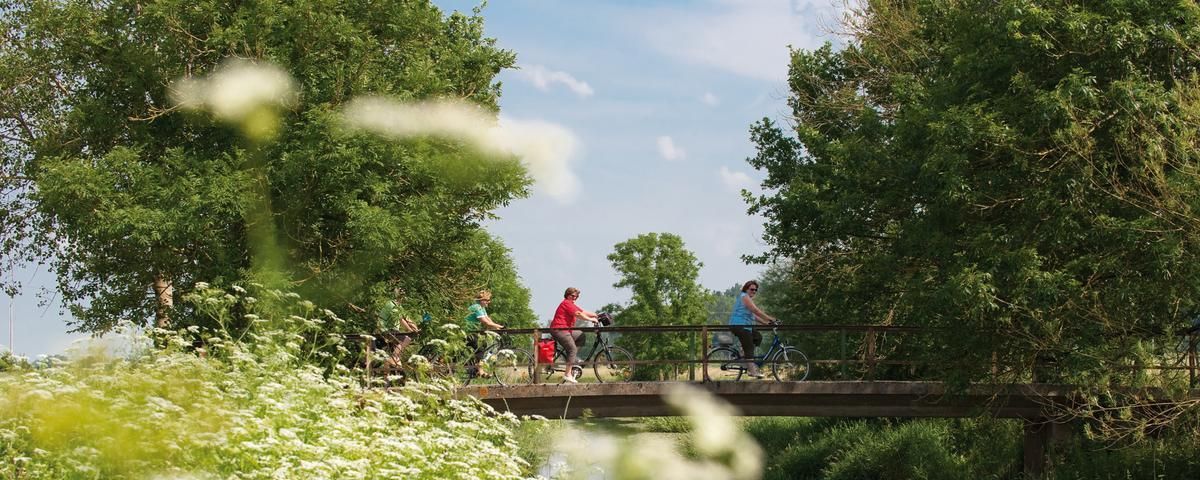
The most beautiful long-distance cycle paths in Franconia
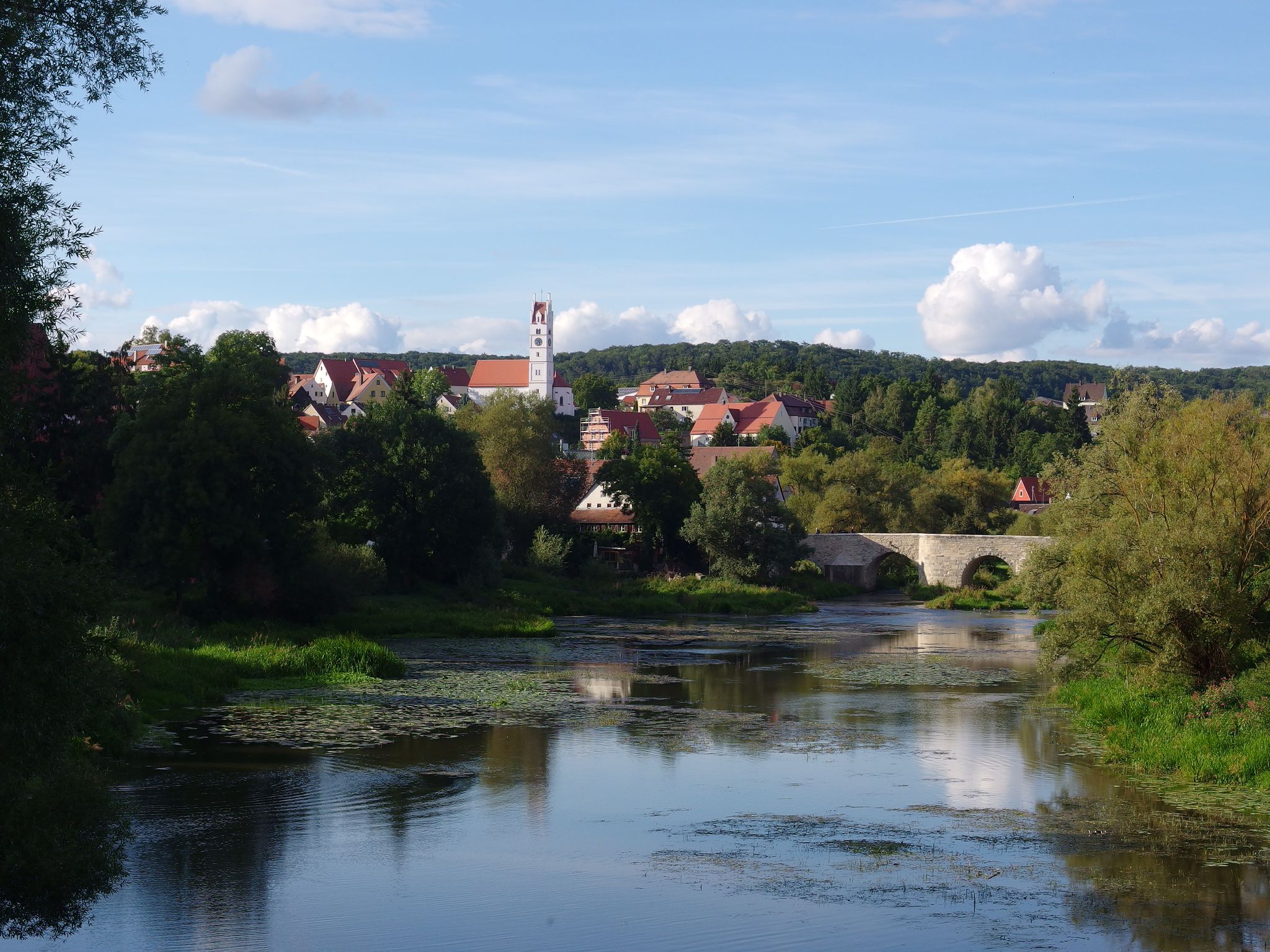
로맨틱 로드 경로를 따라 멋진 10 단계

Family hiking with the adventure factor in the 'Süden ganz oben'
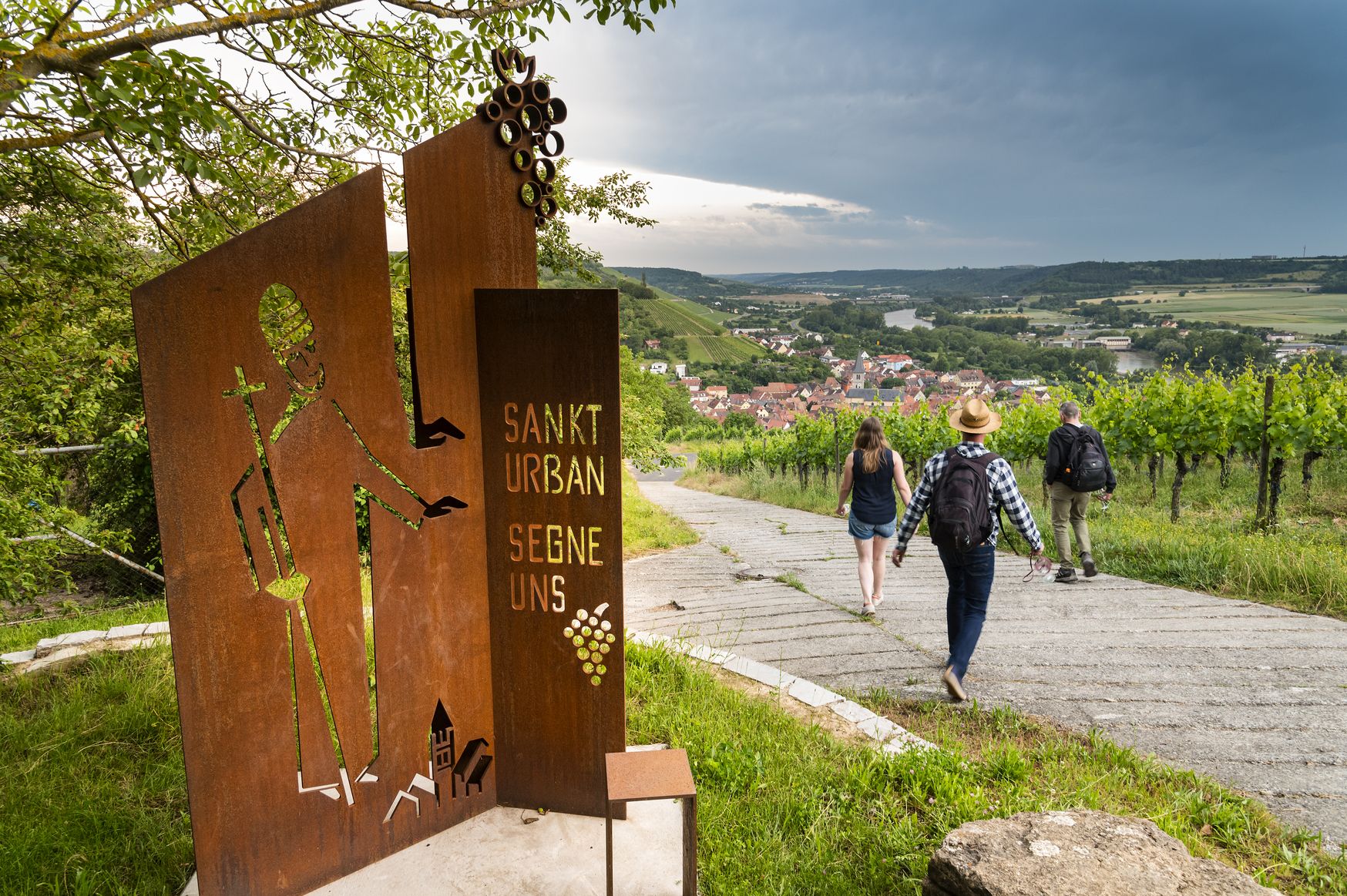
Hiking and culinary delights – walks in the Franconia wine region
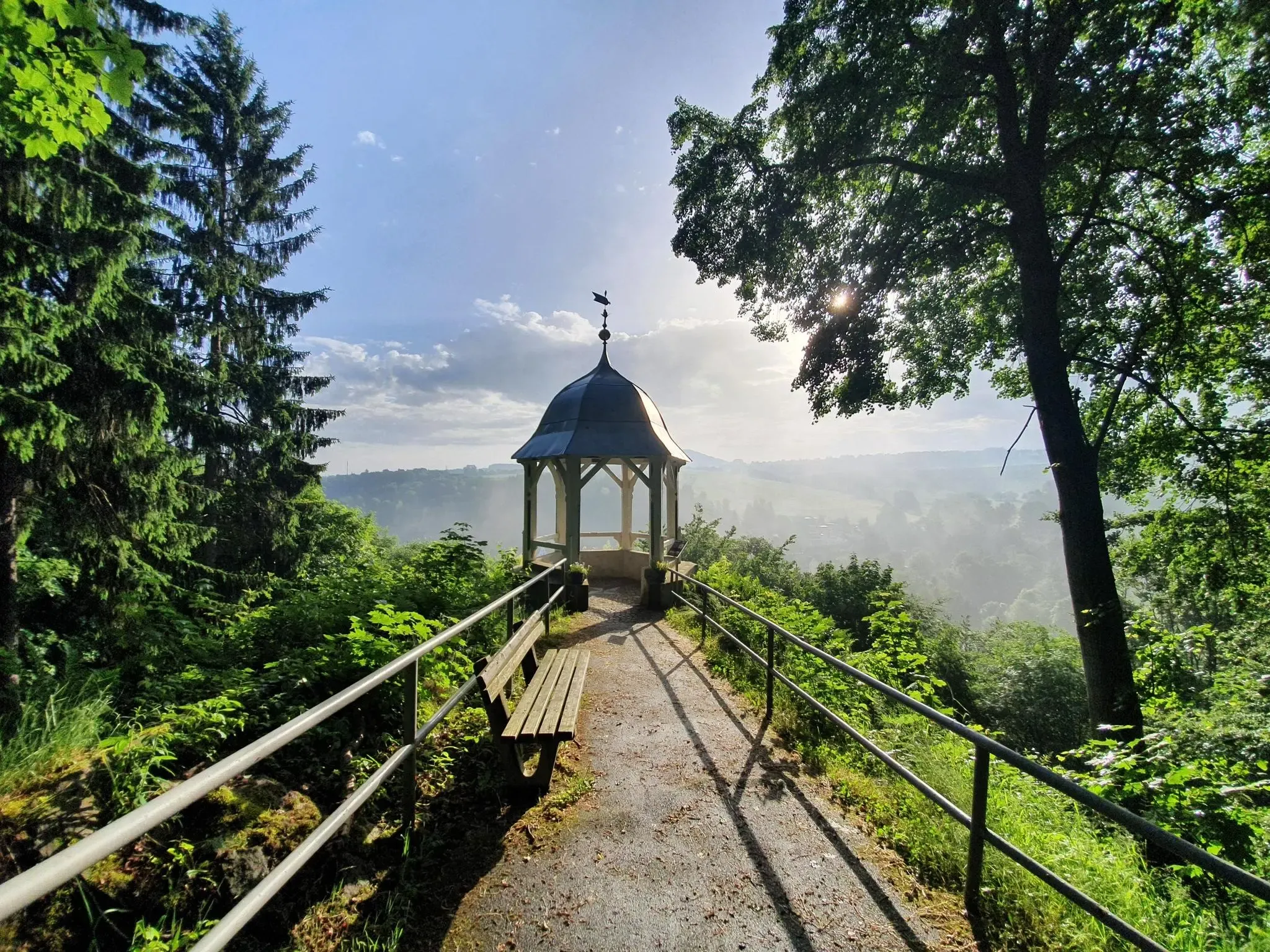
#GoFurther – discover the views of Germany!
뷔르츠부르크의 다른 모험


커뮤니티 팁

Fantastically beautiful old town… warm and charming due to its architectural style… and you will find all sorts of things to do here
11
0
Old town with lots of charm and character… with its half-timbering and natural stone, it has a warm feel
9
0

Veitshöchheim is very beautiful, you have to visit it
3
0

Nice ambience, great terrace with a really nice view. Not exactly cheap though. But if you're already there you should at least treat yourself to a coffee and a piece of cake... the great view is free 😂
1
0

Würzburg Residence The Würzburg Residence and the UNESCO World Heritage List The Würzburg Residence, including the Court Garden and Residence Square, was added to the UNESCO World Heritage List in 1981. This entails the obligation to "pursue a general policy aimed at giving cultural and natural heritage a function in public life and to include the protection of this heritage in exhaustive planning." The justification for the inclusion of the Würzburg Residence states: "Equipped between 1740 and 1770 and provided with magnificent gardens between 1765 and 1780, the Würzburg Residence is considered the most unified and extraordinary of all baroque palaces and exemplifies one of the most brilliant royal courts in Europe. It is unique in its originality, its ambitious building program and the international composition of the construction office." Text / Source: Residenz-Würzburg https://www.residenz-wuerzburg.de/
19
1

Veitshöchheim is a municipality in the Lower Franconian district of Würzburg and is located on the Main. The town is a former summer residence of the Prince-Bishops of Würzburg, later of the Kings of Bavaria. The palace complex with its Rococo garden is well-known. Veitshöchheim was first mentioned in 779. The parish of Veitshöchheim was donated to the monastery of St. Stephan in 1097 by the Würzburg bishop Emehard. Veitshöchheim Palace was built between 1680 and 1682 under Prince-Bishop Peter Philipp von Dernbach and expanded between 1749 and 1753 by Balthasar Neumann. The construction of the court garden, which belongs to the palace, began in 1702. The parish church of St. Vitus, which still exists today, was consecrated in 1691, and the Veitshöchheim synagogue was built between 1727 and 1730. In 1814, the town finally fell to the state of Bavaria, after only nine years earlier it had become part of the Grand Duchy of Würzburg. The municipality was formed in its current form in the course of the Bavarian administrative reforms in 1818. Veitshöchheim train station with the royal pavilion was built in 1853 and 1854 under Maximilian II of Bavaria. Source: Wikipedia
5
0

During the reign of Iring von Reinstein (1254–1265), there was probably a Hohenlohe castle on the Steinberg, which was referred to as castrum in lapide. It did not last long and was destroyed around 1356.[1] Steinburg Castle was supposedly built on its foundations at the end of the 19th century. The building, formerly used as the artists' society house of the Würzburg artists' association "Roßperger", is located above the Würzburger Stein, one of the most famous vineyards in Franconia. The three-story building was built by the Würzburg architect and building contractor Andreas Pfannes in a Gothic style in 1897/98. The wine merchant Kommerzienrat J. W. Meuschel bought the castle around 1900 and from then on referred to it as "Steinburg Castle". Forced to sell during the Third Reich, the building initially went to the Bürgerspitalstiftung. In the same year, Hans Bezold acquired the Steinburg and commissioned the architect Adolf Spiegel to simplify the structure and redesign it. Steinburg Castle has been a hotel since 1958. The Bezold family carried out numerous changes and extensions until 1986. In June 2012, the castle hotel was expanded to the east to include the modern event and conference center "Refugium". Source: Wikipedia
1
0
Economic development led to a change in the labor market. Jobs such as sand scooping,[8] unskilled work in river shipping, and agricultural jobs disappeared. They were increasingly replaced by industrial jobs and jobs in the service sector (administration, tourism). As American troops approached during World War II, the Volkssturm secured the gates of the city fortifications with tree barriers. When the imminent departure of District Leader Stoll became known, numerous women marched to the district leadership on March 29, 1945 (Maundy Thursday), demanding the opening of the city gates and the surrender of the city without a fight. In the afternoon, despite threats of execution, they cleared all the barricades at the Bollwerk, as the fortified gate on the banks of the Main was called[9]. First, the children unnoticed loosened the soil and dug stones out of the ground; then the women removed the stones with a human chain and used ropes to pick out the loosened trunks. In the end, the men of Ochsenfurt supported the women's civil courage with rifles. As the Nazi administration fled, they looted a supply depot in the basement of the NSDAP district headquarters; several men defused stored anti-tank grenades. The central arch of the old Main Bridge was blown up on March 31, 1945, by a Wehrmacht pioneer commando.[10] The city surrendered without a fight, leaving the old town undamaged. By Easter Sunday, the city was occupied by the Americans. Former mayor Peter Wesselowsky (SPD) dedicated a memorial to the courageous women of Ochsenfurt at the Bollwerk. Source: Wikipedia
4
0
뷔르츠부르크에서 가장 인기 있는 명소


찾고 계신 것을 찾지 못하셨나요?
뷔르츠부르크의 최고의 성을 지역별로 탐험해보세요:
더 살펴보기
다른 곳에서 최고의 성을 찾고 계신가요? 다른 가이드를 발견해보세요 뷔르츠부르크:
