20의 발베르데 델 마야노가지 명소 & 주요 장소
발베르데 델 마야노에는 둘러볼 만한 장소가 많답니다. 하이킹 또는 사이클링을 좋아한다면 발베르데 델 마야노에 숨겨진 20
가지 보석을 만날 수 있을 거예요. 이 지역의 주요 명소를 살펴보면서 다음 모험을 계획해보세요.
마지막 업데이트: 9월 26, 2026

이런 장소를 발견하려면 지금 가입하세요
최고의 싱글 트랙, 봉우리 및 다양한 흥미로운 야외 장소에 대한 추천을 받아보세요.
옛 온타나레스 데 에레스마 역
하이라이트 • 기념물
번역자 Google •
팁에 의해

에르미타 델 산토 크리스토 데 라 크루스
하이라이트 • 종교적 장소
번역자 Google •
팁에 의해
무료로 가입하여 발베르데 델 마야노 주변의 더 많은 명소를 발견하세요.
이미 komoot 계정이 있나요?
오늘 무료 계정으로 시작하세요
다음 모험이 기다리고 있어요.

커뮤니티 팁

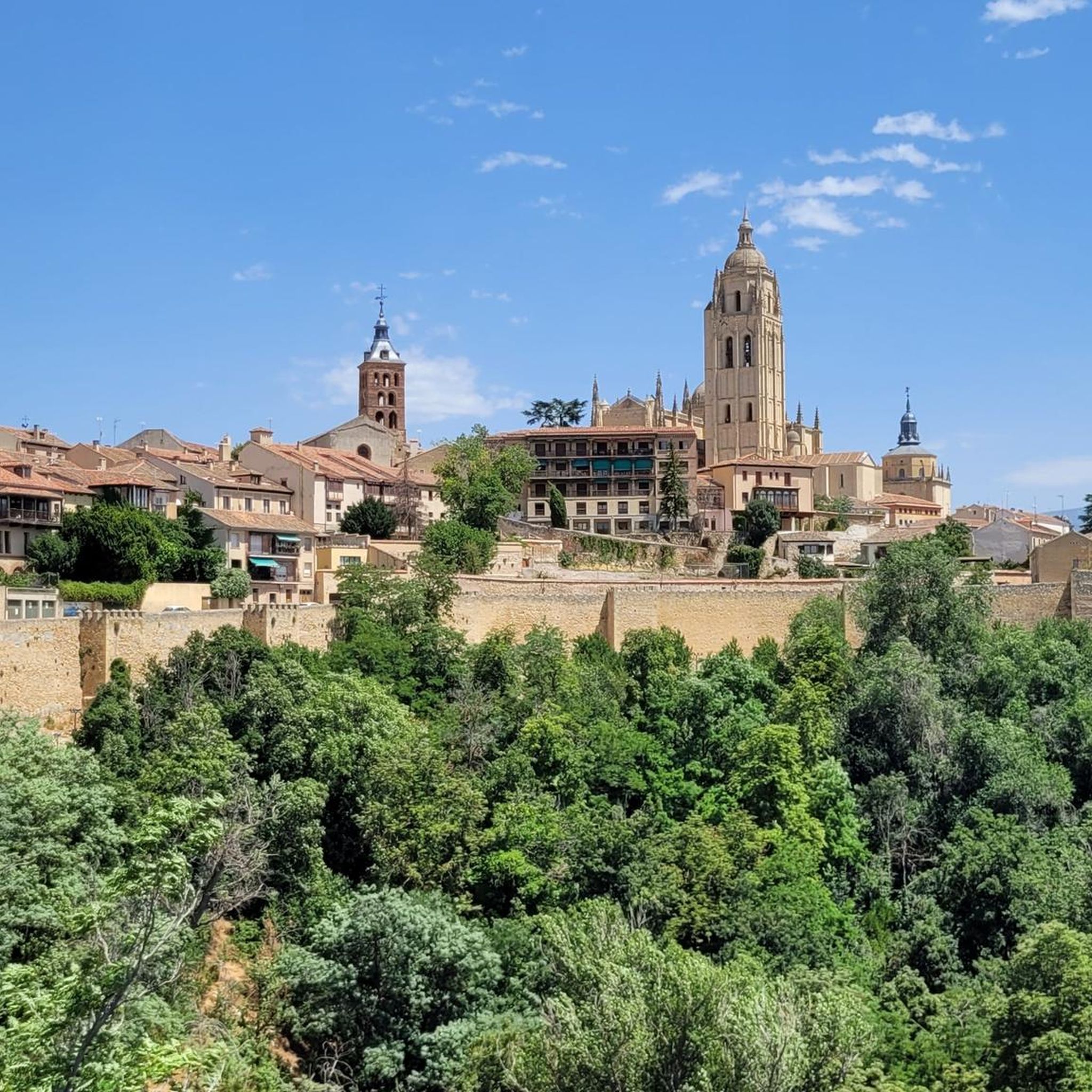
Turn around and you see the bridge and the alcazar... what a view!
0
0

Information about the “Acueducto de Segovia” and many more photos can be found in the corresponding hiking highlight at => https://www.komoot.com/de-de/highlight/4225055
3
0

Fantastic construction, it impressed me as much as the first time I saw it as a child.
3
0
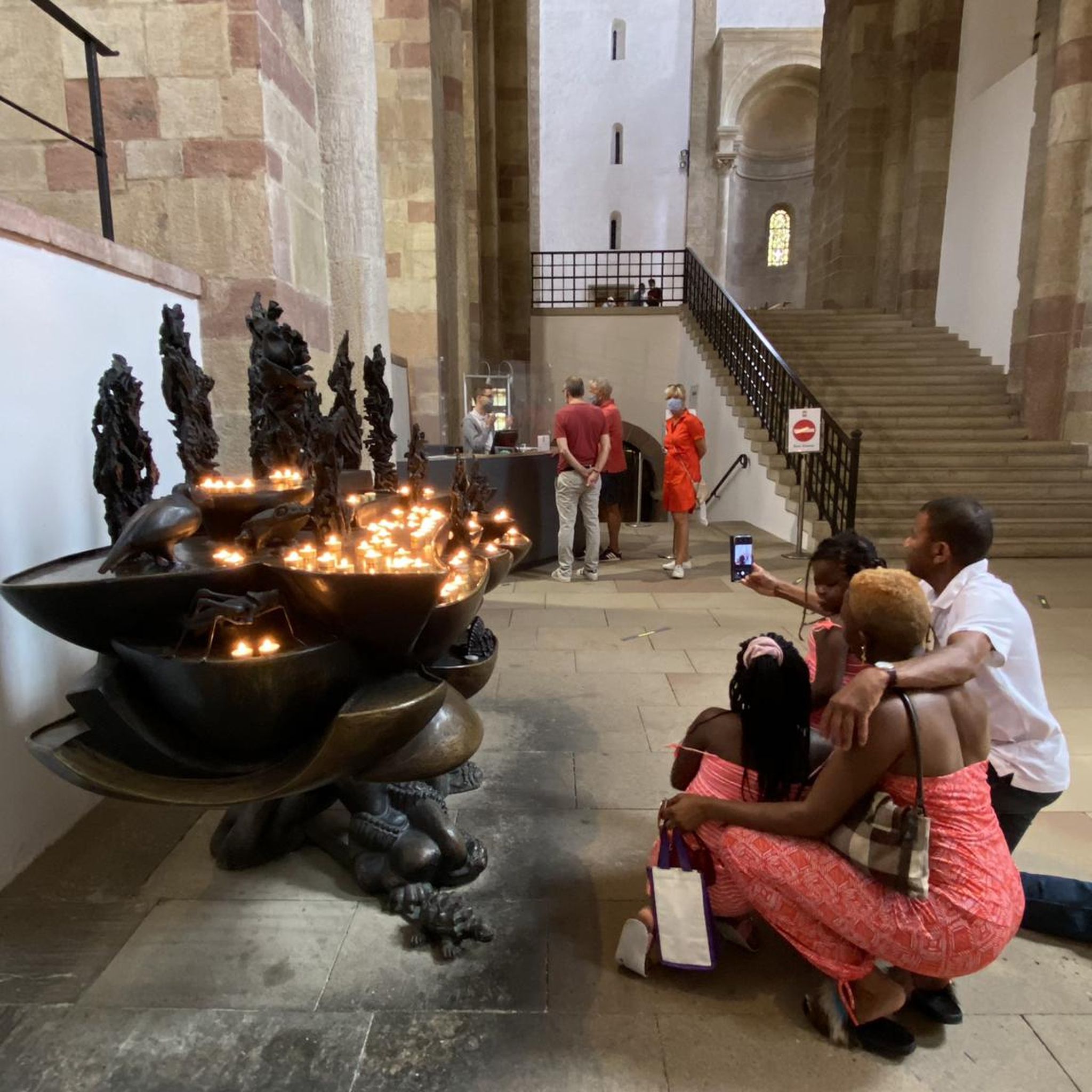
This church, which is dedicated to the Holy Cross (Latin “Santa Croce” / Spanish “Santa Cruz”), draws its patronage from the cross on which Jesus Christ died. The veneration of the Holy Cross goes back to a large extent to Saint Helena, who was the mother of Emperor Constantine the Great (who recognized Christianity as a religion after his victory at the “Milvian Bridge” in front of Rome and in the year 312 for a long time the persecution ended with the “tolerance edict” of Milan). In the early fourth century she undertook a pilgrimage to the Holy Land (Israel / Palestine) and from there brought numerous relics with her to Europe, including the “True Cross” (“VERA CRUZ”) on which Jesus Christ was crucified. Helena is therefore often depicted with a cross as an attribute. The church celebrates the festival of the discovery, public presentation and veneration of the Holy Cross – called “Exaltation of the Cross” – on September 14th.
1
0

The Segovia Aqueduct is an impressive architectural structure that dates back to the 1st century AD. C. and was built by the Romans during the occupation of Hispania. Its main function was to supply water to the city of Segovia, transporting it from the mountains to the urban center. The aqueduct carries the waters of the Fuenfría spring, located in the mountains about 17 kilometers from the city, to the center of Segovia. The water is collected in a cistern called El Caserón and then taken through an ashlar canal to a second tower known as Casa de Aguas. After traveling more than 15 km, you arrive at the city. The Segovia Aqueduct is a heraldic symbol of the city and one of the most impressive works that the Romans left in their vast empire. If you ever have the opportunity to visit, I recommend that you do so. It's really amazing! 😊🏛️
14
0
The San Lázaro Bridge, located in Segovia, is a historical testimony that connects the city with its past and its natural environment. The bridge has a length of approximately 225 meters and has seven visible arches and one buried under Paseo Echegaray.
2
0
Hontanares de Eresma is a charming municipality and town in the province of Segovia, within the autonomous community of Castilla y León. Hontanares de Eresma is mentioned for the first time in 1247 as “Fontanares” and until the 19th century it was simply called “Hontanares”.
2
0

Crossing the Eresma River, a new wooden bridge connects with the Arco de la Fuencisla monument on the other side of the river. This is one of the starting points of the Eresma Natural Trail that runs through this part of the river valley.
1
0
발베르데 델 마야노 주변에서 가장 인기 있는 명소


더 살펴보기
찾고 있는 하이라이트를 아직 못 찾으셨나요? 다른 지역의 주요 명소 가이드를 확인해보세요:
