로스 예베네스에서 가장 멋진 4개의 동굴
성을 방문하는 건 언제나 특별한 일이에요. 하이킹을 하다가 잠깐 들를 때도, 가이드를 따라 제대로 둘러볼 때도 말이죠. 로스 예베네스에 있는 아름다운 성 4
곳을 아래에서 살펴본 후에 마음에 드는 성을 다음 모험 때 만나보세요!
마지막 업데이트: 8월 23, 2026
오르가스 백작의 성
하이라이트 • 성
번역자 Google •
팁에 의해

이런 장소를 발견하려면 지금 가입하세요
최고의 싱글 트랙, 봉우리 및 다양한 흥미로운 야외 장소에 대한 추천을 받아보세요.
무료 회원 가입
페냐스 네그라스 성
하이라이트 • 성
번역자 Google •
팁에 의해

오늘 무료 계정으로 시작하세요
다음 모험이 기다리고 있어요.
로그인 또는 가입하기


커뮤니티 팁

Located in the town center of Manzaneque, opposite the Town Hall, in the province of Toledo, its construction is primarily attributed to Don Íñigo de Ávalos (15th century), although the heraldic shields of earlier lineages (Figueroa and Orozco) suggest a possible earlier foundation. In the 14th century, it was owned by Doña María de Orozco and her husband, Lorenzo Suárez de Figueroa. It later passed to Ávalos, and in 1487 was acquired by Álvarez de Toledo, secretary to the Catholic Monarchs. Abandoned and in ruins after the 16th and 17th centuries, it was restored in the early 20th century and remodeled in the 1970s, becoming a Site of Cultural Interest in 1985.
4
0
It is located next to the Tourist Information office.
7
0
It is located next to the Tourist Information office, where they provide information about guided tours.
4
0
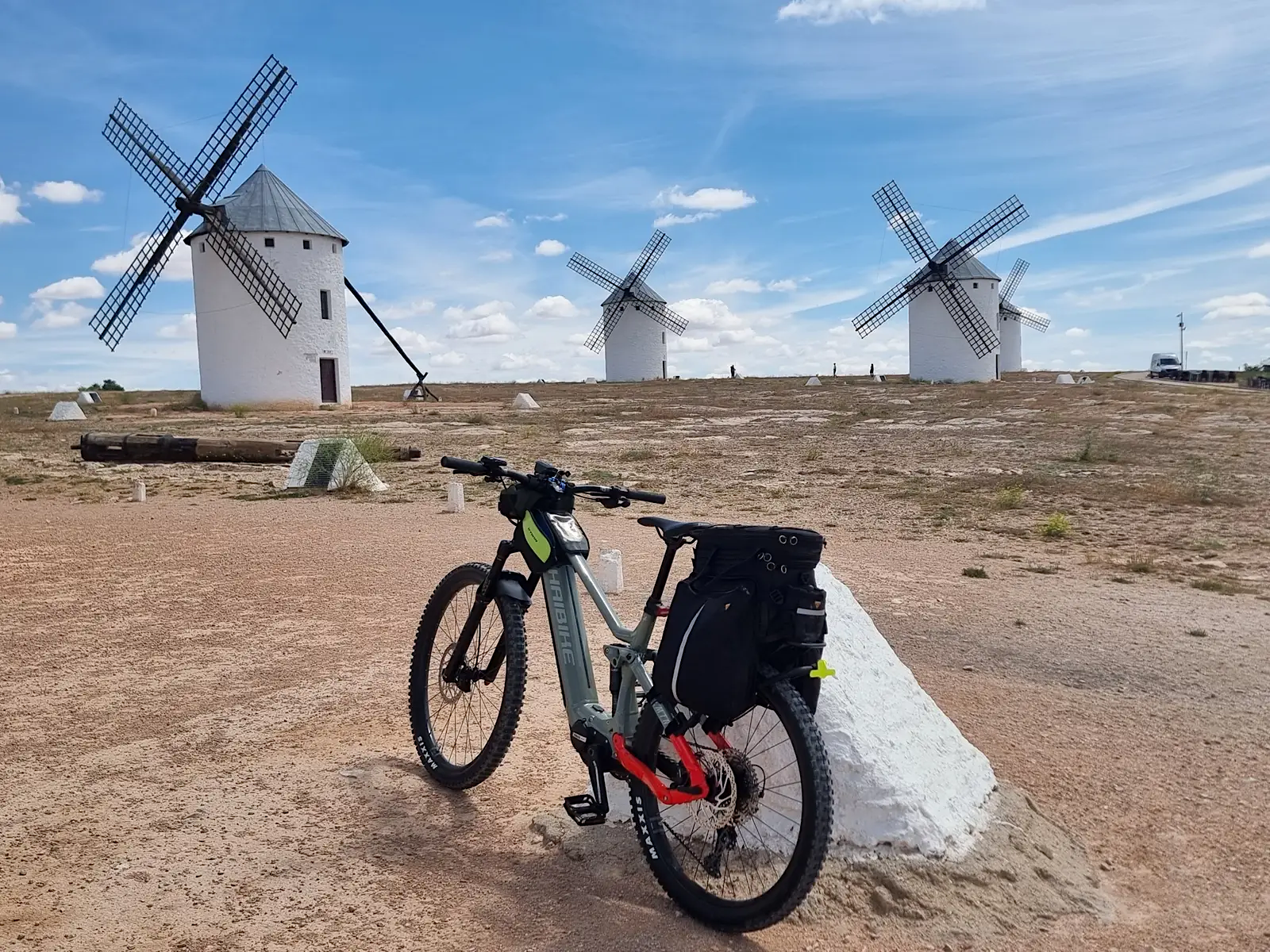
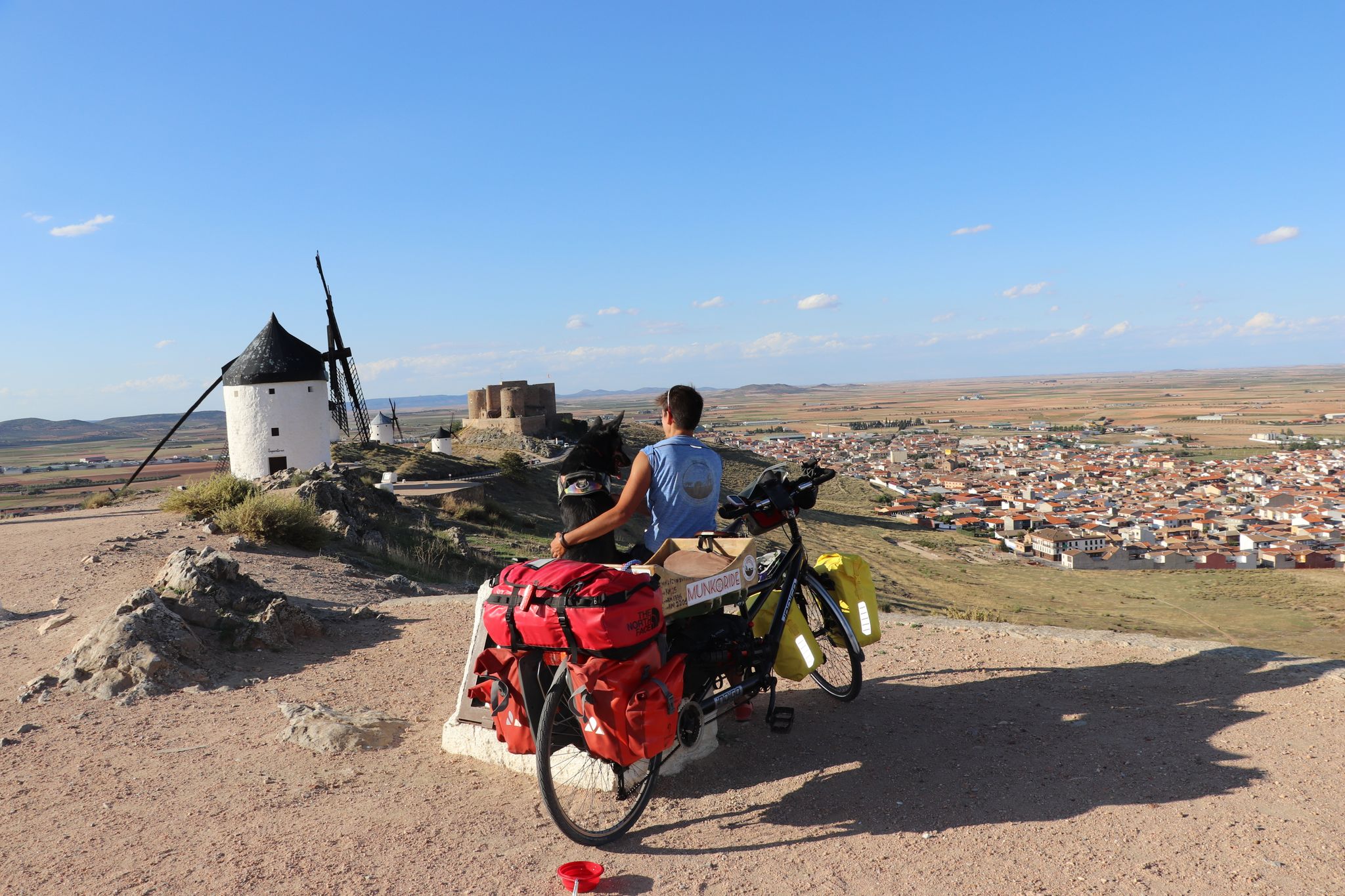
Los Yébenes is a fascinating destination in the Montes de Toledo! Historical and Cultural Heritage Churches of Santa María and San Juan Bautista: Both from the 16th century, in Mudejar and late Gothic styles. Guadalerzas Castle: A medieval fortress that still preserves its imposing structure. Windmills: Located in the "Crestería Molinera" (Molinera Ridge), these windmills stand out for their panoramic views and historical value. The Tío Zacarías Mill preserves its original machinery. Natural Science Museum: With an impressive blue whale skeleton. Hunting and Nature Museum: Showcases the hunting tradition of the area. Hoploteca – Museum of Ancient Weapons: A tour of the evolution of weapons in different contexts.
31
0
Los Yébenes is a fascinating destination in the Montes de Toledo! Historical and Cultural Heritage Churches of Santa María and San Juan Bautista: Both from the 16th century, in Mudejar and late Gothic styles. Guadalerzas Castle: A medieval fortress that still preserves its imposing structure. Windmills: Located in the "Crestería Molinera" (Molinera Ridge), they stand out for their panoramic views and historical value. The Tío Zacarías Mill preserves its original machinery. Natural Sciences Museum: With an impressive blue whale skeleton. Hunting and Nature Museum: Showcases the hunting tradition of the area. Hoploteca – Museum of Ancient Weapons: A tour of the evolution of weapons in different contexts.
19
1

Built during the Middle Ages next to the western entrance gate to the town of Orgaz, it was for years a key element in the settlement's defense and surveillance functions. Although we now know it as the Castle of the Counts of Orgaz, when it was built, the castle belonged to the Lords of Orgaz. The Lordship of Orgaz was established in 1220 when Ferdinand III granted Ferdinand Juan de Alfariella, who had purchased the town of Orgaz from the Church of Santo Tomé, the title of Lord. Orgaz did not become a County until 1520 when the title of Count of Orgaz was granted to Álvaro Pérez de Guzmán by King Charles I.
0
2
This rock fortress, shaped to fit the terrain, has an elongated and irregular shape. Built in the 10th century under Arab rule, it passed into the hands of Alfonso VII and later to the Order of Santiago, to whom it belonged until the 17th century, when King Philip II sold the town of Mora and all its properties, including its castle, to Fernando de Rojas Guevara, becoming part of his lordship. From its heights, there is a magnificent view of the immense olive grove, which stretches as far as the eye can see. Admission is free.
1
0
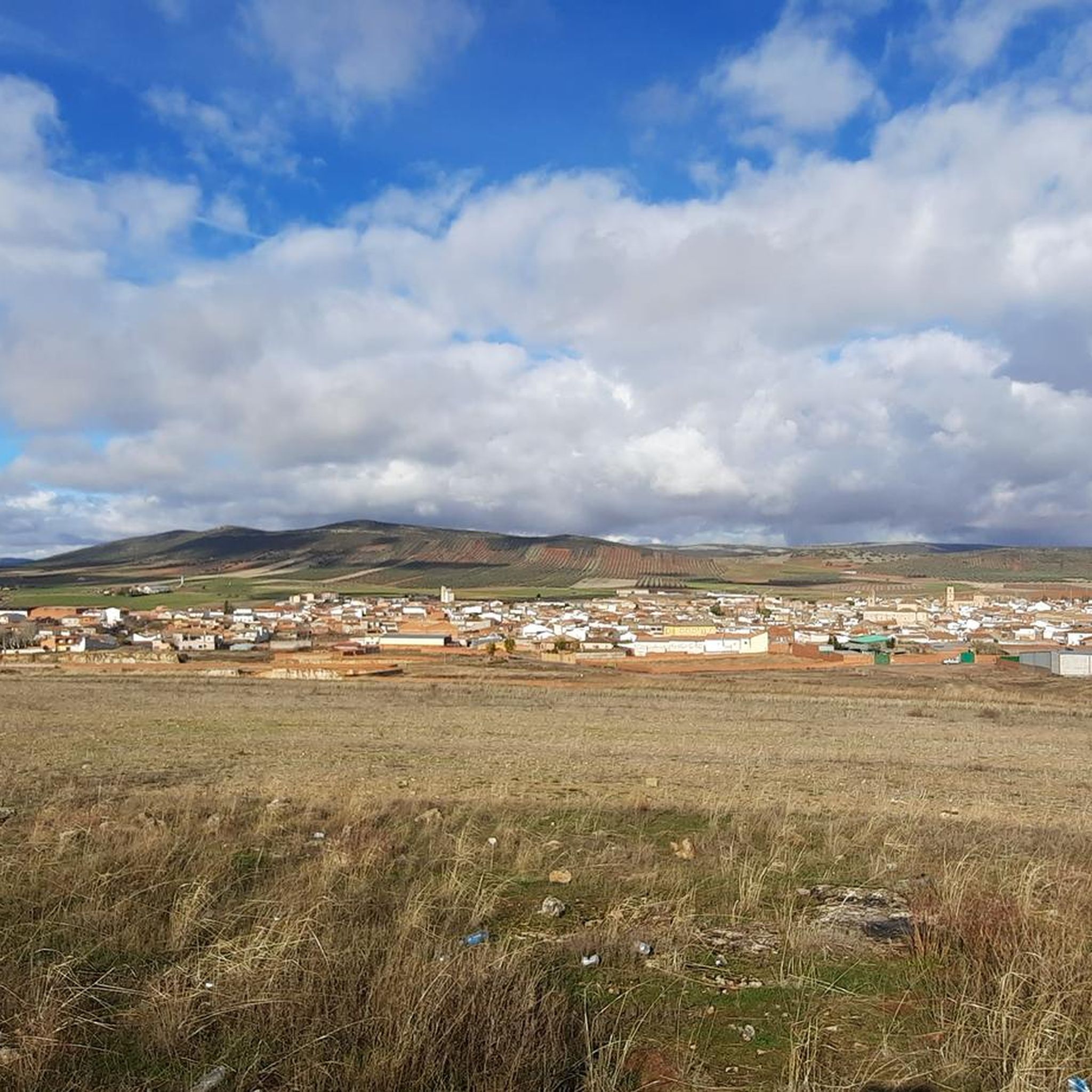
Orgaz stretches out in its hollow and shakes off the dust of history that sprinkles medieval songs, county records and historical files to narrate its journey, while we contemplate its living legacy in the walk through its streets and monuments. From an illustrious entrance, the doors of its ancient walls already immerse us in the town and in the Middle Ages, to lose ourselves in both as soon as we flank the Arch of San José or the Arch of Belén. The old town surrounds us with interest and makes us turn our gaze that stops at the details. The house of Calderón de la Barca or that of the Vínculo de las Cadenas. The Church of Santo Tomás Apóstol by Alberto de Churriguera and with an illustration by El Greco, El Expolio, a painter who is impregnating the town and it with his work. The Castle of the Counts of Orgaz, is from the 14th century, possibly built on a previous one, it is a beautiful example of a residential fortress and of magnificent conservation. It has a rectangular floor plan and is finished with beautiful battlements with wonderful projecting turrets at the corners. The Keep has a semicircular apse corresponding to a chapel that breaks the rectilinear structure of the complex.
9
1


