기시니 최고의 워킹 & 하이킹 경로
4.3
(360)
1,826
등산객
182
하이킹
정확한 경로를 찾는 것이 때로는 어렵지만 기시니에서 하이킹을 하면 다양한 경치를 마음껏 감상할 수 있답니다. 기시니에서 가장 멋진 하이킹과 워킹 중에서 마음에 드는 활동을 시작해보세요.
마지막 업데이트: 10월 12, 2026
4.4
(15)
61
등산객
12.0km
03:08
80m
80m
보통 하이킹. 좋은 체력 필요. 실력과 관계없이 누구나 쉽게 갈 수 있는 길.
4.4
(14)
58
등산객
10.1km
02:38
70m
70m
보통 하이킹. 좋은 체력 필요. 실력과 관계없이 누구나 쉽게 갈 수 있는 길.

12
등산객
10.9km
02:49
60m
60m
보통 하이킹. 좋은 체력 필요. 실력과 관계없이 누구나 쉽게 갈 수 있는 길.
4.5
(2)
7
등산객
5.36km
01:24
40m
40m
초급용 하이킹. 모든 체력 수준에 적합. 실력과 관계없이 누구나 쉽게 갈 수 있는 길.
4.3
(3)
13
등산객
6.77km
01:45
40m
40m
초급용 하이킹. 모든 체력 수준에 적합. 실력과 관계없이 누구나 쉽게 갈 수 있는 길.
더 다양한 경로와 다른 탐험가들의 추천을 살펴보세요.
이미 komoot 계정이 있나요?
투어 추천은 다른 사람들이 komoot에서 완료한 수천 개의 활동을 바탕으로 구성되어 있습니다.
오늘 무료 계정으로 시작하세요
다음 모험이 기다리고 있어요.

커뮤니티 팁


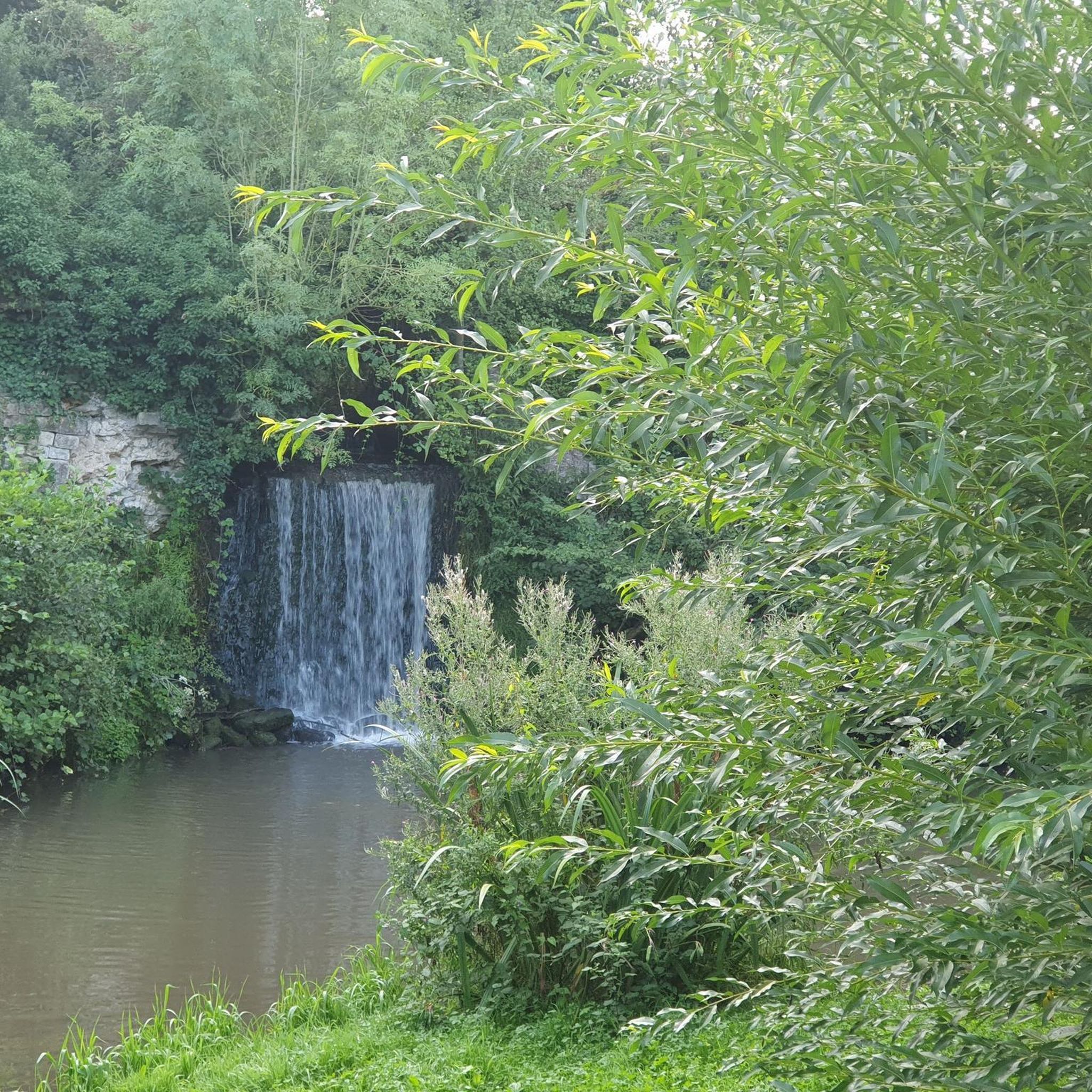
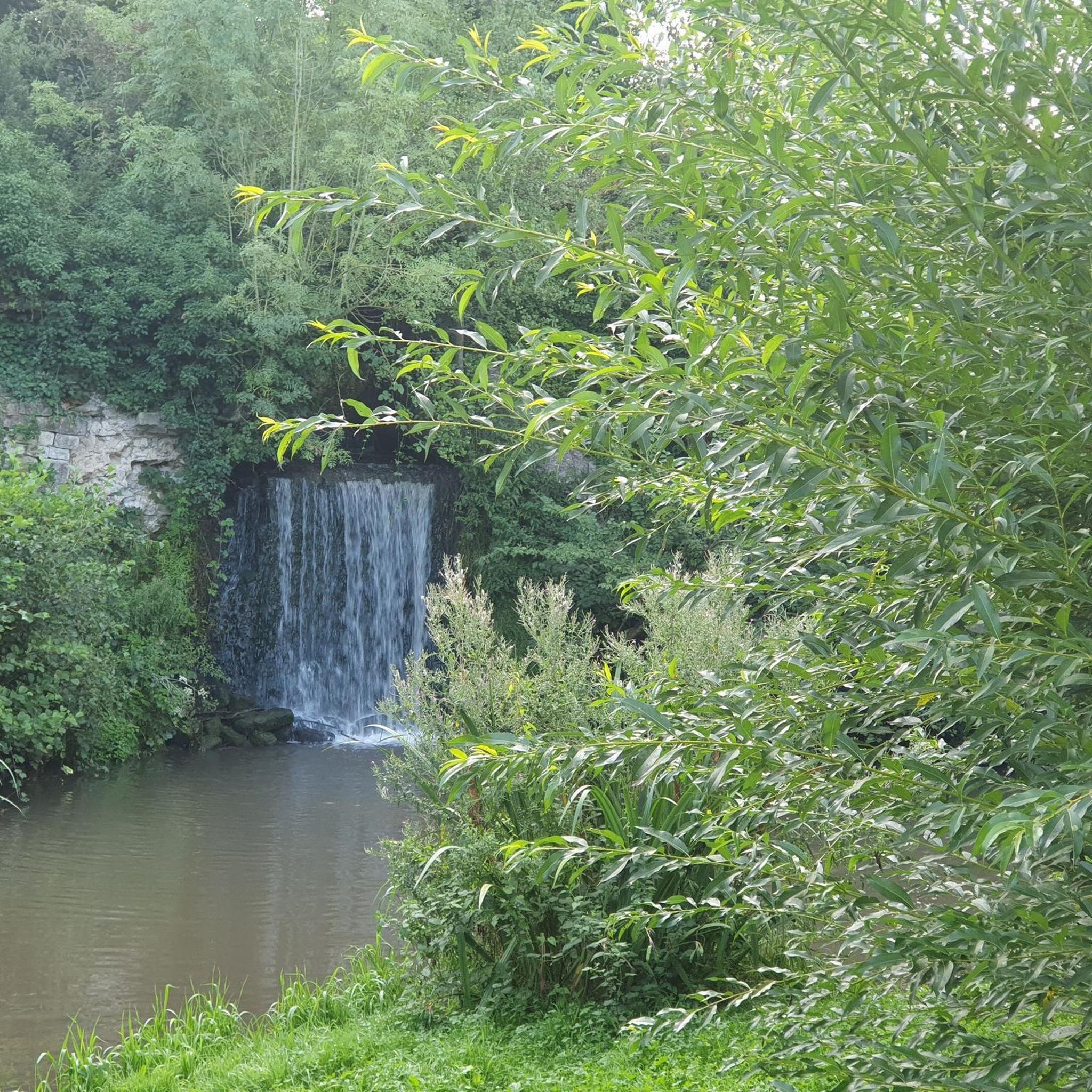
The photos of the castle and the waterfalls are from Potelle Castle and do not belong here at all.
13
0
The castle, built in the 12th century by Baldwin IV of Hainaut, was the home of the Counts of Hainaut, also Counts of Holland and Zeeland. Its last sovereign was a woman who was born in the castle in 1401. Charles the Bold and then his daughter were the last sovereigns to reside there. It was then abandoned and almost completely abandoned from the 16th century. Of the prestigious castle of the Middle Ages, few remains remain: an entrance gate and a set of remarkable Romanesque cellars. The current large building called Cernay actually dates from 1681.
15
0
Monument and commemorative plaque in honour of Leon Mallard and Roger Robert, members of the FFI (Forces françaises de l'intérieur) who lost their lives near this gate during the recapture of Le Quesnoy on 2 September 1944.
16
0
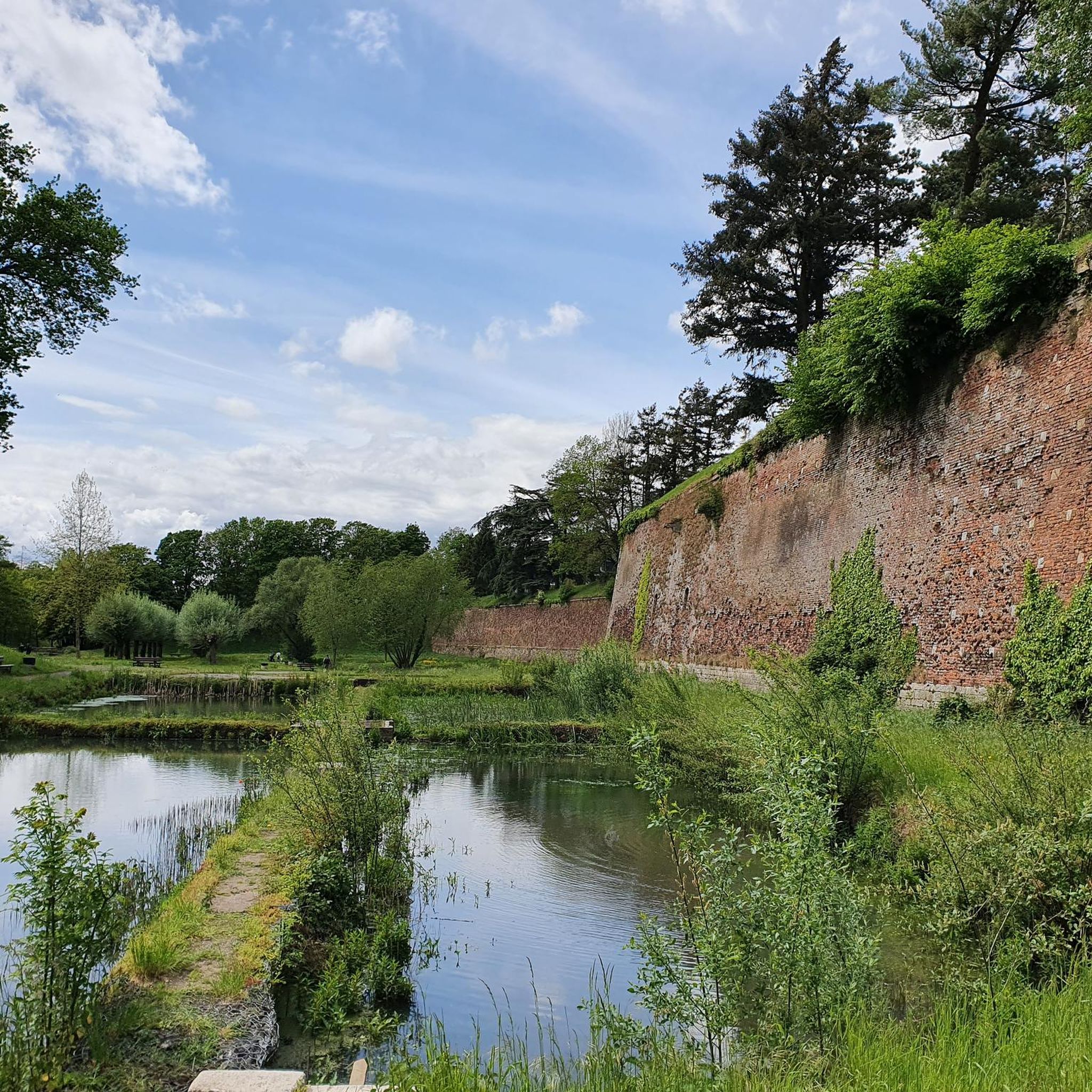
The Mémorial des Néo-Zélandais in Le Quesnoy is an important monument commemorating the New Zealand soldiers who liberated the town during the First World War. The monument was erected to commemorate the New Zealand Rifle Brigade, which liberated Le Quesnoy from German occupation on 4 November 1918. The monument was officially inaugurated in 1923 by the French military leader Maréchal Joffre. It is a symbol of the close bond between Le Quesnoy and New Zealand, and is regularly visited by New Zealand military delegations and families of the soldiers. The Mémorial des Néo-Zélandais consists of a bas-relief depicting the liberation of the town by the New Zealand soldiers. It is located in the fortifications of Le Quesnoy, emphasising the historical and strategic significance of the liberation.
15
0
The Palace of Margaret of Burgundy in Le Quesnoy is a historic building that used to serve as the residence of Margaret of Burgundy, Duchess of Bavaria-Straubing and Countess of Hainaut, Holland, Zeeland and Oosterbant. Margaret of Burgundy (1374-1441) was the daughter of Philip the Bold of Burgundy and Margaret of Male. She married William VI of Holland in 1385, and after his death in 1417 she continued to live in Le Quesnoy as a dowager. The palace was one of her favorite residences, and she lived there with her daughter Jacoba of Bavaria. The palace is designed in a Renaissance style with strongly fortified walls and gateways strategically placed to protect the city. The building is built of brick and stone, which is typical of the military architecture of that period.
15
0
기시니 주변에서 가장 인기 있는 명소


더 살펴보기
다른 지역의 최고의 하이킹를 살펴보세요.
