에스피엔스 최고의 라이딩 경로
4.7
(18)
873
자전거 타는 사람
14
라이딩
에스피엔스의 로드 사이클링 경로를 찾으시나요? 그렇다면 에스피엔스 로드 라이딩 컬렉션 중에서 가장 멋진 라이딩 장소를 아래에서 살펴보세요.
마지막 업데이트: 7월 22, 2026
4.0
(1)
7
자전거 타는 사람
38.5km
01:45
280m
280m
초급용 로드 라이딩. 모든 체력 수준에 적합. 지면 대부분이 잘 포장되어 있고 라이딩하기 쉬움.
12
자전거 타는 사람
43.1km
01:52
370m
370m
보통 도로 자전거 타기. 좋은 체력 필요. 지면 대부분이 잘 포장되어 있고 라이딩하기 쉬움.

무료 회원 가입
3
자전거 타는 사람
57.1km
02:40
690m
690m
보통 도로 자전거 타기. 좋은 체력 필요. 지면 대부분이 잘 포장되어 있고 라이딩하기 쉬움.
3
자전거 타는 사람
39.9km
01:57
570m
570m
보통 도로 자전거 타기. 좋은 체력 필요. 지면 대부분이 잘 포장되어 있고 라이딩하기 쉬움.
6
자전거 타는 사람
58.2km
02:44
730m
730m
보통 도로 자전거 타기. 좋은 체력 필요. 지면 대부분이 잘 포장되어 있고 라이딩하기 쉬움.
더 다양한 경로와 다른 탐험가들의 추천을 살펴보세요.
무료 회원 가입
이미 komoot 계정이 있나요?
투어 추천은 다른 사람들이 komoot에서 완료한 수천 개의 활동을 바탕으로 구성되어 있습니다.
오늘 무료 계정으로 시작하세요
다음 모험이 기다리고 있어요.
로그인 또는 가입하기
에스피엔스 주변 인기 장소
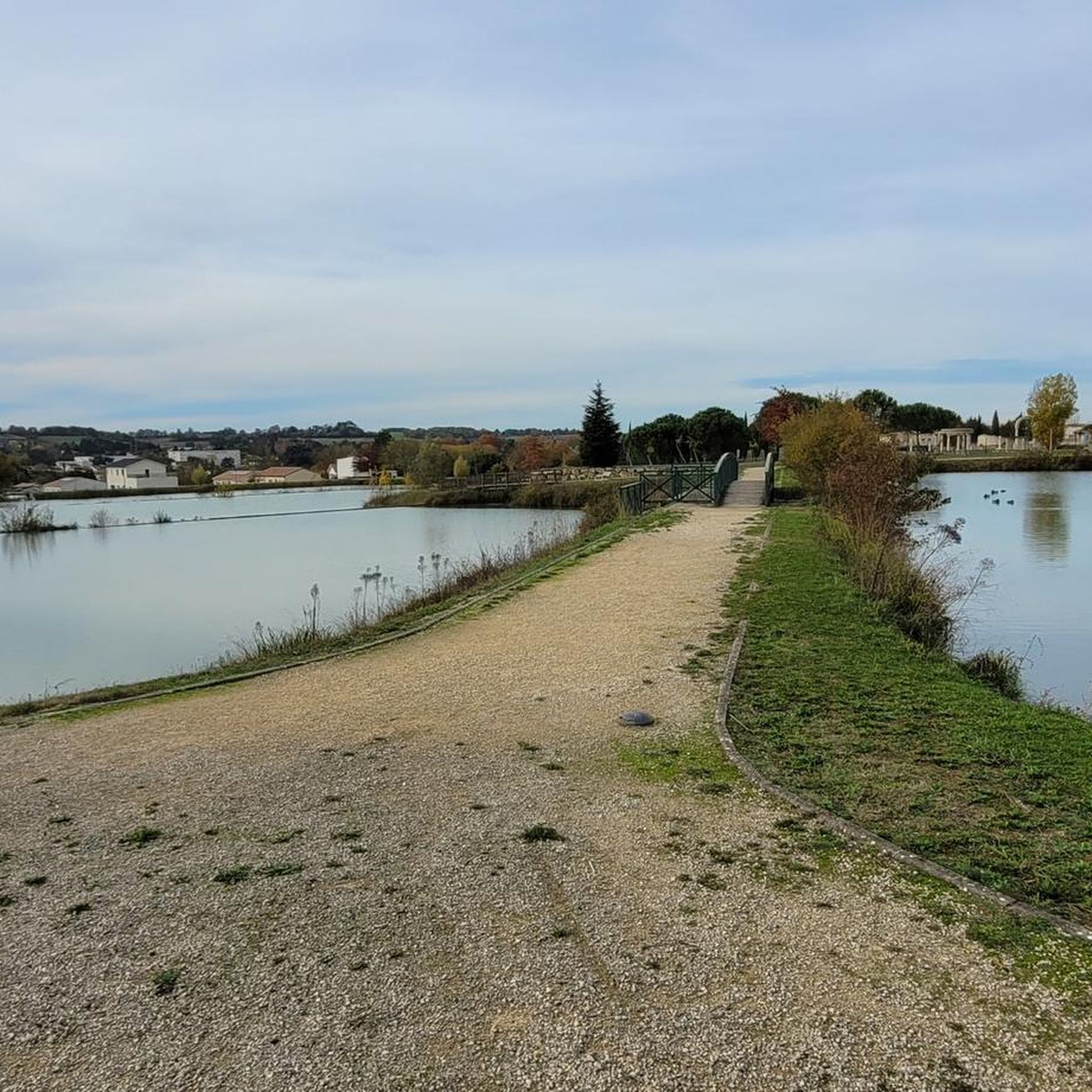


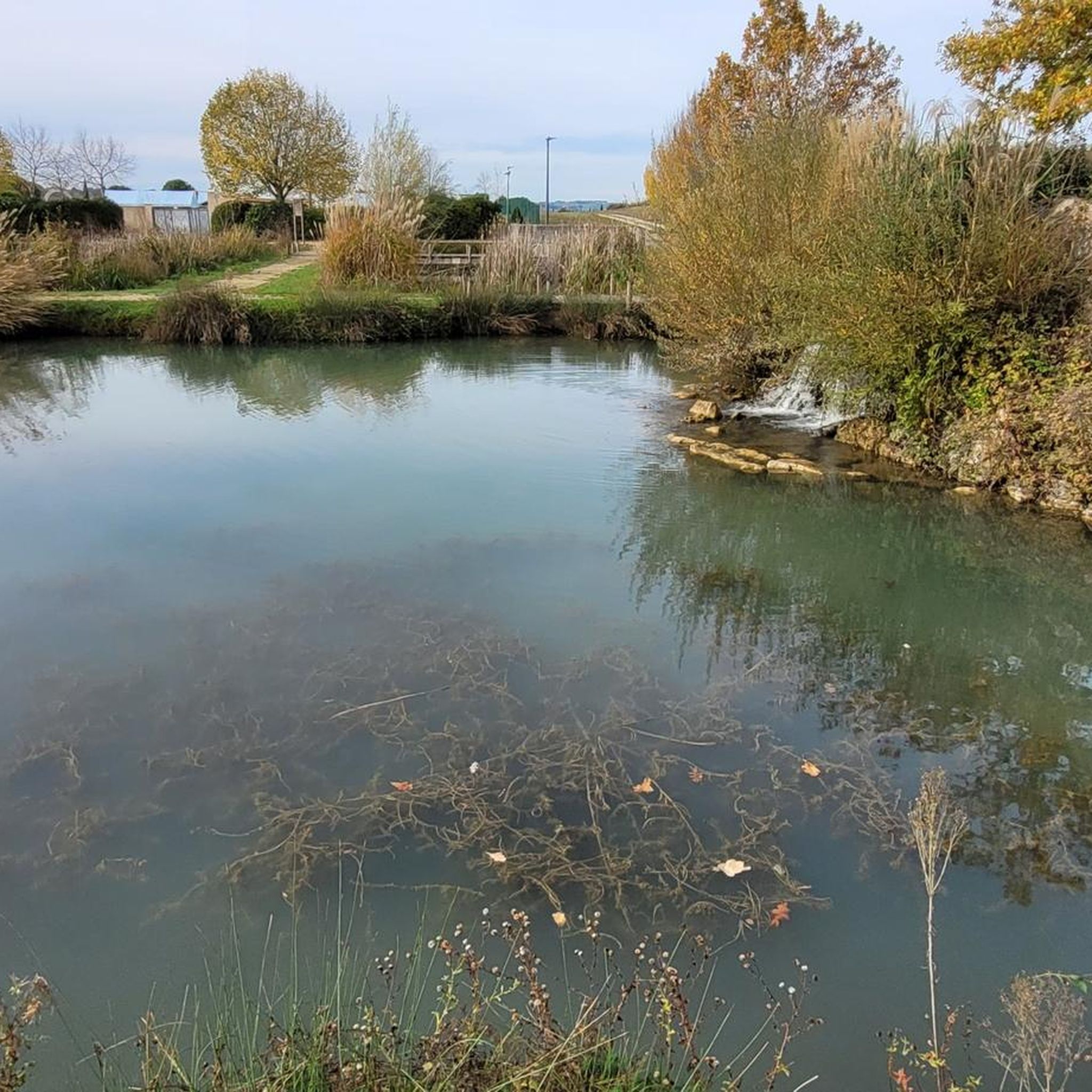
커뮤니티 팁

Prayssas는 Lot 강과 Garonne 강 계곡 사이의 능선에 자리 잡은 Lot-et-Garonne의 작은 마을입니다. 골목길을 거닐다 보면 로마네스크 양식의 교회, 아름다운 석조 주택, 그리고 주변 시골의 여러 전망대를 발견할 수 있습니다.
0
0

네락(Nérac)에서는 앙리 4세 성(Château Henri IV)이 바이즈 강(Baïse)을 평화롭게 내려다보며 전설이 된 왕의 이야기를 들려줍니다. 알브레(Albret) 영주들의 옛 거처였던 이곳은 르네상스 시대 나바라 궁정의 심장이었습니다. 미래의 앙리 4세가 될 앙리 드 나바르가 이곳에서 성장하며 자신의 운명을 확립했습니다. 오늘날 성 박물관은 위대한 역사와 가스코뉴의 삶의 예술 사이를 여행하도록 초대합니다. 강가를 따라 걷는 산책, 우아한 갤러리, 왕족의 추억이 서로를 이어줍니다. 네락과 알브레의 영혼을 이해하기 위한 필수 코스입니다.
0
0
네락의 앙리 4세 성은 알브레 영주들의 옛 거주지로, 이 도시의 풍부한 르네상스 과거를 증언합니다. 바이즈 강이 내려다보이는 이곳은 미래의 앙리 4세 왕의 거주지 중 한 곳이었으며, 오늘날에도 알브레 역사를 발견하기 위한 필수 코스로 남아 있습니다.
0
0

An amazing little stop in a gorgeous sleepy town on top of a hill. The hill on which Clermont-Dessous is built dominates the Garonne and commands the right bank near Port-Sainte-Marie . The hill must have been fortified as early as the 11th century. The castle protects the weakest part of the hill, near the neighboring hills; it is cut off from the village by a ditch. The parish church of Saint-Jean-Baptiste was also the castle chapel and participated in the defense of the castle. In 1221 the castle was besieged unsuccessfully by Amaury de Montfort. The castrum is mentioned for the first time in the Saisimentum of 1271. It depends on the "baylie" of Port-Sainte-Marie; the castle played an important role during the Hundred Years' War ; its keep must date from the 13th century or the beginning of the 14th century. In 1437, the "routiers" having seized the castle, it was necessary to raise a contribution to buy it back. The castle and the lordship belonged successively to the families: Lamothe, lords of Bruch, in the 12th century; de Pardaillan de Gondrin - old noble Gascon family which in the 16th century gave a governor of Agenais and Condomois , then in the following century the first Duke of Antin , legitimized son of Louis XIV and Madame de Montespan ; in the 14th century , Ferrand; Malvezin de Lassale in 1425, and the Benquet, Péticlo, Monorgon, Rémefa, Yzalguier in 1451 (or 1490?), of Narbonne-Lara from 1579; Chapt de Rastignac in 1705. Pierre II de Secondat (1490-1560) was lord of Clermont-Dessous and Roques, then from 1564 his son, Jean II de Secondat (1515-1599), lord of Montesquieu and Roquefort . Co-lord Jacques Yzalguier (or d'Isalguier), lord, baron of Clermont-Dessous and Clermont-le-Fort , married theOctober 20, 1526one of his daughters, Antoinette, to Blaise de Monluc , at the church of Clermont. The dwelling was remodeled in the 15th century by a co-lord, perhaps Lérôme-Patrice de Monorgon, co-lord who died in 1506, or Jacques Yzalguier. A second main building was built to the north, at the end of the 15th century or at the beginning of the 16th century ; the facades of old houses, notably in the village of Saint-Médard and the hamlet of Bessou, have retained mullioned windows which could date from this period. Maximilien de Narbonne, lord of Talairan , Combebonnet and Montlau, married in 1579 Isabeau de Cours, daughter of Jean de Cours, lady of Clermont near Port-Sainte-Marie; their son was Jean de Narbonne, lord of Clermont, Combebonnet and Montlau, himself married to Anne Bouchard d'Aubeterre , from whom Louis de Narbonne-Lara (1635-1705), known as "the count of Clermont", lord of Montfort and Combebonnet who had from his marriage with Madeleine de Souillac d'Azerac, Marie-Anne de Narbonne-Lara, lady of Clermont and Combebonnet, married in 1701 with Jacques-Gabriel Chapt, count of Rastignac, baron of Luzech, received "page of the King in his great stable" in 1693, brother of Louis-Jacques Chapt de Rastignac , archbishop of Tours . In 1705 the lordship entered the Chapt de Rastignac family; Jacques-Gabriel Chapt de Rastignac died without issue in 1755, his wife had died in 1703. By his will of 1732, Chapt de Rastignac had given the usufruct of all his property to his sister Jeanne, Marquise de Gaubert, and appointed Pierre Louis Chapt de Rastignac, Count of Puyguilhem, his universal heir. Zénaïde-Sabine de Chapt de Rastignac, Marquise de Rastignac (great-granddaughter of Pierre Louis Chapt, and only daughter of Pierre Jean Julie Chapt , Marquis de Rastignac, and Françoise Charlotte Ernestine de La Rochefoucaud - Doudeauville), married in 1817 to François XIV Marie Auguste Émilien de La Rochefoucauld, Prince of Marcillac then Duke of Liancourt. His portrait is kept at the castle of La Rochefoucauld. In 1818 the lord was the Marquis Pierre Jean Chapt de Rastignac, deputy of Lot and peer of France, who had the Château de Rastignac built, a neo-Palladian style residence which would have served as a model for the American presidential palace. The castle, which fell into ruin in the 19th century and was then partially restored, is listed as a historic monument .June 20, 1950.
0
0

Nérac Castle was founded in the 14th century, within a medieval town surrounded by walls and backing onto the Baïse River. Beginning in 1491, Alain d'Albret modernized this first tower and had three wings built. The west wing included the drawbridge and service rooms, the north wing housed Jeanne d'Albret's apartments, and the east wing constituted the main building of the castle. It was in this castle that Marguerite de Navarre, sister of Francis I and author of the Heptaméron, lived. A committed humanist, she brought Jacques Lefèvre d'Étaples, nicknamed the French Erasmus, to Nérac. Jeanne d'Albret, her daughter, was also sensitive to the ideas of her time and brought Théodore de Bèze to her court, before converting to Protestantism. It was in this context that Henry III of Navarre, the future King Henry IV, lived. He lived in this château for about ten years with Queen Marguerite de Valois, known as Queen Margot. The latter was responsible for the creation of the 3000-Step Avenue in the Parc de la Garenne, along the Baïse. This avenue, punctuated over the years with new fountains, was then surrounded by walls and accessible from the château by a bridge. The years following the assassination of Henri IV by Ravaillac in 1610 marked the decline of the château, first due to royal reprisals against Protestants and then due to the destruction caused by the French Revolution in 1793, when the château was declared national property. After the revolutionary destruction, only the north wing of the château remained, with its twisted columns so characteristic of the Renaissance style. The château was divided into lots and inhabited by several owners. Gradually, the municipality became interested in restoring the château, and a restoration project was drawn up by Eugène Viollet-le-Duc, whose sketches are on display in the museum. However, it wasn't until 1925 that the city became the owner of the entire building and began a restoration project to house the municipal museum. Since then, the royal residence and writer's home, the Château-Musée Henri IV, has offered visitors a permanent exhibition dedicated to Henri IV and the d'Albret family on the first floor, and the art of living during the Renaissance on the ground floor through various themes.
0
0

From the Route des Crêtes, you can enjoy beautiful views of the fortified village of Clermont-Dessous. Situated on a hillside, it preserves the remains of ramparts, a beautiful Romanesque church, and a typically Gascon charm.
0
0
Nestled on the banks of the Baïse River, Nérac offers a peaceful atmosphere. Formerly the residence of Henry of Navarre, the future Henry IV, the town preserves a rich heritage with its castle, cobbled streets, and half-timbered houses.
0
0

에스피엔스 주변에서 가장 인기 있는 경로
에스피엔스 주변에서 가장 인기 있는 명소


더 살펴보기
다른 지역의 최고의 로드 사이클링 경로를 살펴보세요.
