생 실베스트르 카펠 최고의 사이클링 경로
4.4
(222)
3,167
자전거 타는 사람
302
라이딩
생 실베스트르 카펠 최고의 사이클링 경로를 따라 지역을 둘러볼까요? 생 실베스트르 카펠에서 가장 멋진 자전거 라이딩 장소 중에서 가장 마음에 드는 라이딩을 선택해보세요.
마지막 업데이트: 8월 25, 2026
4.5
(6)
14
자전거 타는 사람
42.1km
02:30
300m
300m
보통 자전거 타기. 좋은 체력 필요. 대부분 포장된 지면. 실력과 관계없이 누구나 갈 수 있음.
4.7
(3)
44
자전거 타는 사람
38.3km
02:56
510m
510m
어려운 자전거 타기. 우수한 체력 필요. 투어 중 자전거를 끌고 가야 하는 구간이 있을 수 있음.

무료 회원 가입
3.8
(4)
9
자전거 타는 사람
35.8km
02:08
220m
220m
보통 자전거 타기. 좋은 체력 필요. 대부분 포장된 지면. 실력과 관계없이 누구나 갈 수 있음.
11
자전거 타는 사람
34.0km
02:24
480m
480m
어려운 자전거 타기. 우수한 체력 필요. 대부분 포장된 지면. 실력과 관계없이 누구나 갈 수 있음.
2.0
(1)
7
자전거 타는 사람
42.2km
02:27
210m
210m
보통 자전거 타기. 좋은 체력 필요. 대부분 포장된 지면. 실력과 관계없이 누구나 갈 수 있음.
더 다양한 경로와 다른 탐험가들의 추천을 살펴보세요.
무료 회원 가입
이미 komoot 계정이 있나요?
투어 추천은 다른 사람들이 komoot에서 완료한 수천 개의 활동을 바탕으로 구성되어 있습니다.
오늘 무료 계정으로 시작하세요
다음 모험이 기다리고 있어요.
로그인 또는 가입하기
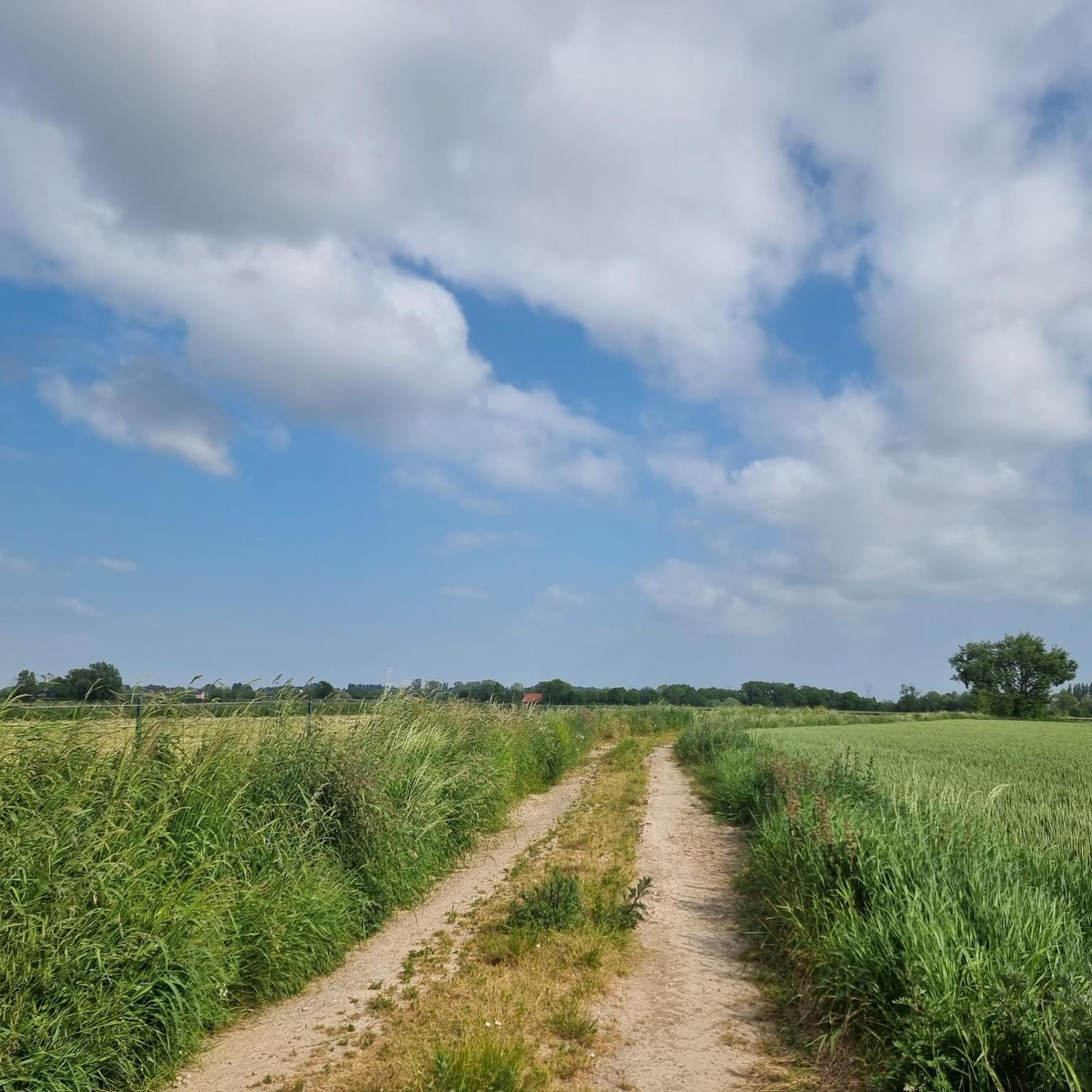
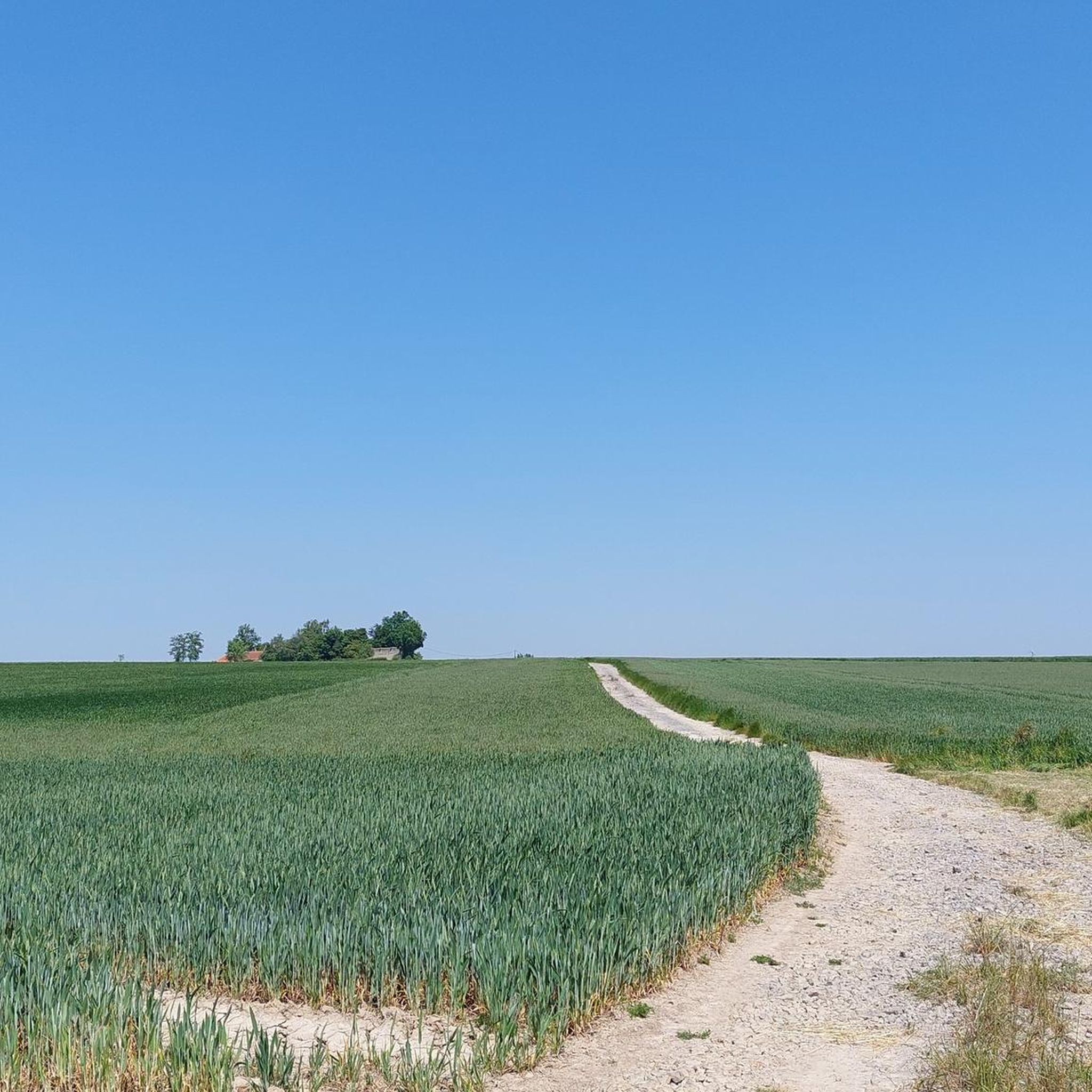
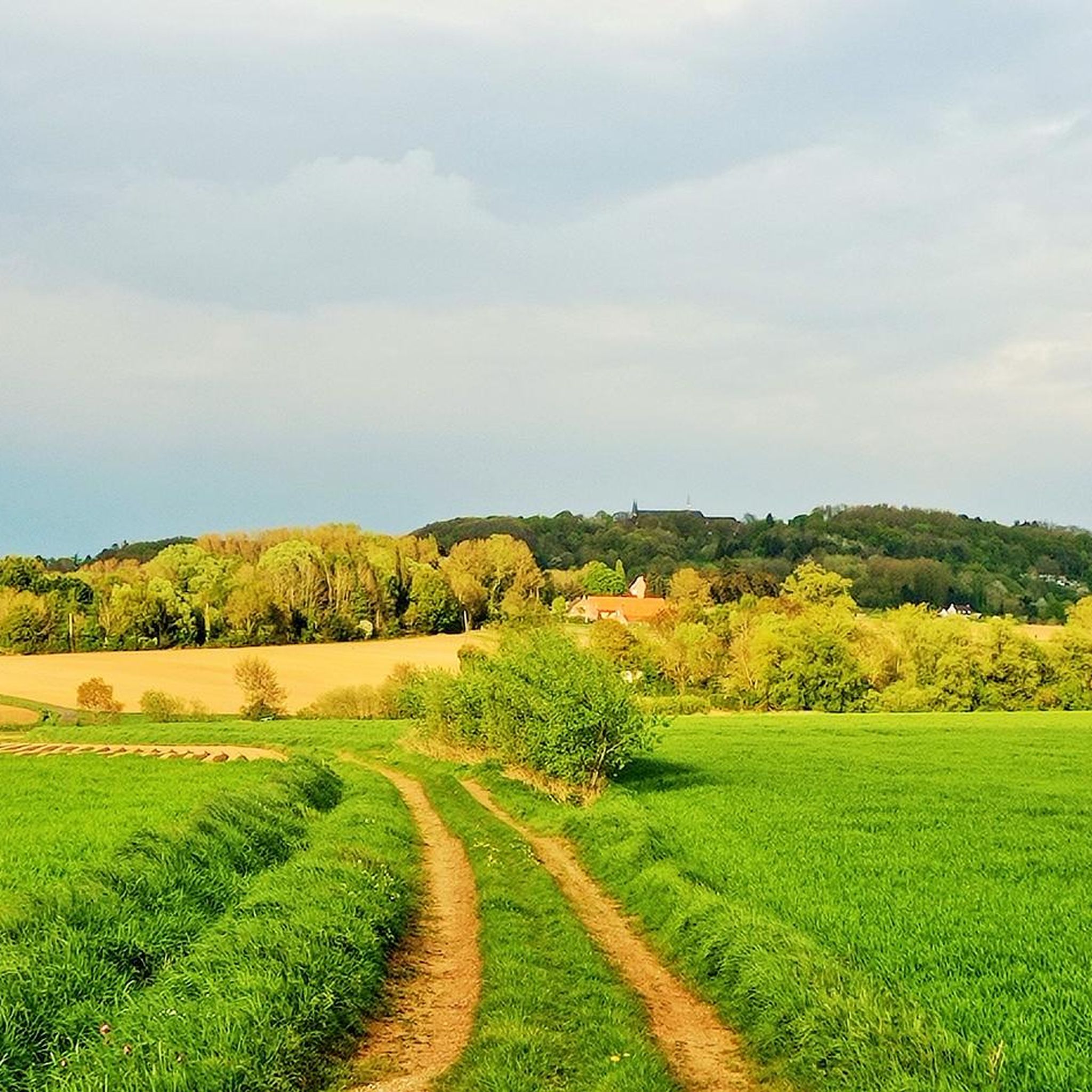

커뮤니티 팁

The Drievenmeulen is a post mill located in the municipality of Steenvoorde in the Nord department of France. The mill was built in 1774 in Somain by Quentin Hennion. There, it served as an oil mill. In 1901, the mill was purchased by Mr. Desbonnets and moved to Steenvoorde, where it served as a corn mill. In 1938, the two wooden sails broke and were replaced by iron ones. The cap was also damaged and was replaced by one from the Vanneufville mill, located in Sint-Silvesterappel. On November 13-14, 1940, a storm severely damaged about twenty windmills, and the roof and sails of the Drievenmeulen were also destroyed. The roof was replaced by that of the Ledringem windmill, which had been destroyed by war in May 1940. In March 1974, the miller ceased his work and continued to give tours of his mill, which he maintained well. However, the miller, and later his wife, died, and in 1988 the mill was put up for sale. In 1993, it was purchased by the municipality of Steenvoorde, where restoration work took place from 1995 to 1997. The mill was reopened on October 3, 1998. (c) https://nl.wikipedia.org/wiki/Standerdmolen The mill is currently not (or no longer?) accessible.
0
0

An initiative of the city council and the Heemkring Aan de Schreve. Ginger was the name British soldiers gave to Eliane Cossey, a precocious girl with ginger hair – she was 12 years old at the start of the war – who worked in her parents' café, "A la Poupée," on the Grote Markt in Poperinge. Hence the name Ginger, which means reddish or ginger. Ginger was a household name among the British. Because A la Poupée was an unpronounceable name for the British, the café, under the name "Ginger's," grew into one of the most famous taverns behind "The Ypres Salient." The young diva's appeal can be read in various diary entries of British soldiers. Ginger became a household name among British WWI soldiers. For many, she embodied a memory of everyday human life, which they carried with them like a spark in their hearts during the hell of the trenches. A signed photo of Ginger was one of the most sought-after souvenirs among soldiers. After the war, Eliane Cossey, known as "Ginger," remained a household name among the British. When the mayor of Poperinge was invited to London in 1928 to thank him for his hospitality, this provoked protests from British veterans. If anyone embodied hospitality, it was Ginger, and so it happened: Eliane was received at Buckingham Palace on December 8, 1928, and showered with flowers at the Albert Hall. Eliane later married a self-employed man from Bruges, with whom she moved to Ireland and later to London. She died during a bombing raid in 1942, at the age of 40. Her daughters were also present. Ginger's two daughters—both elderly women—were present at the statue's unveiling on the Grote Markt this afternoon. The statue was created by Poperinge artist Nele Boudry, who has her studio in the south of France. The life-size bronze statue depicts a graceful Ginger with a tray in one hand and leaning on a chair with the other. Visitors/tourists can sit on the chair and take a photo of themselves with Ginger.
4
0

The church has a turbulent history, because it fell victim to the Beeldenstorm in 1566, burned down in 1576, was destroyed by the French in 1644 and was rebuilt in late Gothic style from 1660-1664. The tower is from 1712 and the brick spire was built in 1890-1891. In May 1940 the church was again badly damaged. In 1950 it was restored. https://nl.wikipedia.org/wiki/Sint-Pieterskerk_(Steenvoorde)
2
0
The current hall church is a 16th century Gothic-style conversion of the original Romanesque church from the second half of the 12th century. The brick part of the nave and the lower part of the tower are remains of the old church. The pseudo-Romanesque gable with rose window and part of the octagonal crossing tower are 19th century. In the church you will find the mausoleums of the first counts of Watou, Karel van Ydeghem (+ 1630) and Maria van Cortewyle and of the mystic Karel Grimminck (1676-1728). The church has been a protected monument since 1939. https://nl.wikipedia.org/wiki/Sint-Bavokerk_(Watou)
3
0
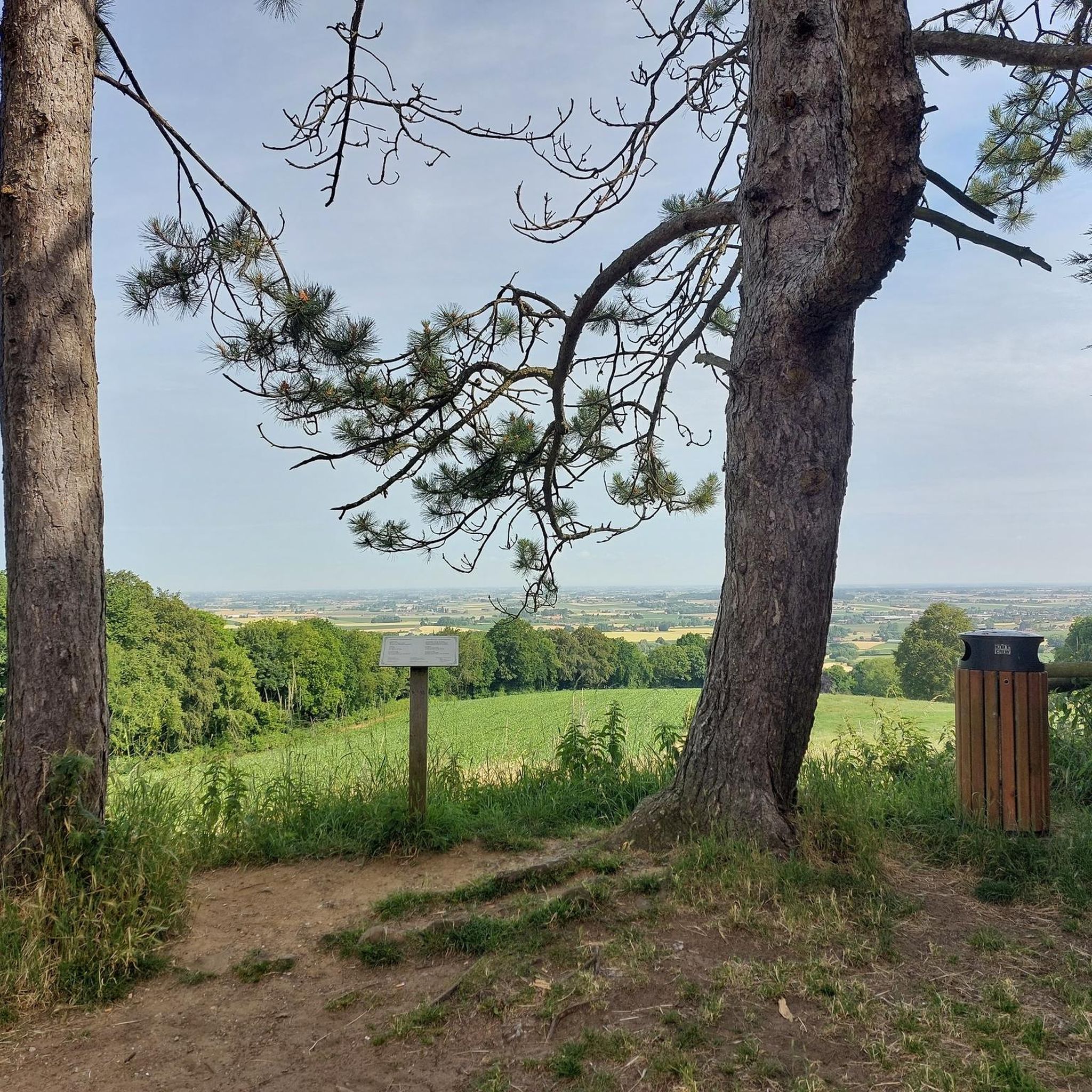
Picnic and rest area with benches, close to the top of the Katsberg with beautiful views over French Flanders.
3
0

Le Moulin de la Roome is a small village. In Dutch 'rooome' means room of cows in the meadow (the mill is located in the middle of a meadow landscape). The restaurant is in fact an old restored farm, next to the mill de la Roome. Rustic interior, simple, but stylish. In the hall of the restaurant is explained how the mill was reconstructed. You can visit the mill on Sunday from 15:30 to 17:30 (€2 for adults, €1.5 for children). Traditional regional dishes.
9
0
This wooden standard mill with an extra long silhouette has been standing along the road to Cassel since 1901. The mill was built in 1774 in Somain. This oil press mill, converted into a grain mill, was active until 1974 and was completely restored. It is on the list of historical monuments.
10
0
생 실베스트르 카펠 주변에서 가장 인기 있는 명소


더 살펴보기
다른 지역의 최고의 자전거 경로를 살펴보세요.
