20의 카우시니오줄가지 명소 & 주요 장소
카우시니오줄에는 둘러볼 만한 장소가 많답니다. 하이킹 또는 사이클링을 좋아한다면 카우시니오줄에 숨겨진 20
가지 보석을 만날 수 있을 거예요. 이 지역의 주요 명소를 살펴보면서 다음 모험을 계획해보세요.
마지막 업데이트: 5월 26, 2026
Faugères - Bédarieux (D13E8 도로 경유)
하이라이트 (구간) • 트레일
번역자 Google •
팁에 의해

푸주올-쉬르-오르브에서 파사 파이스를 따라 몽스-라-트리발까지
하이라이트 (구간) • 기타
번역자 Google •
팁에 의해

이런 장소를 발견하려면 지금 가입하세요
최고의 싱글 트랙, 봉우리 및 다양한 흥미로운 야외 장소에 대한 추천을 받아보세요.
무료 회원 가입


무료로 가입하여 카우시니오줄 주변의 더 많은 명소를 발견하세요.
무료 회원 가입
이미 komoot 계정이 있나요?
오늘 무료 계정으로 시작하세요
다음 모험이 기다리고 있어요.
로그인 또는 가입하기
커뮤니티 팁

A path that goes up and down nicely, mostly sheltered by chestnut trees.
0
0

Head towards the town hall then follow the “voie verte” sign to reach Passa Païs. Follow the Orb valley and dominate the surrounding landscape. Also cross a few tunnels then stop for a few moments to contemplate the slopes of the Caroux massif. Continue gently towards Mons-la-Trivalle, in the heart of this human-sized territory.
2
0

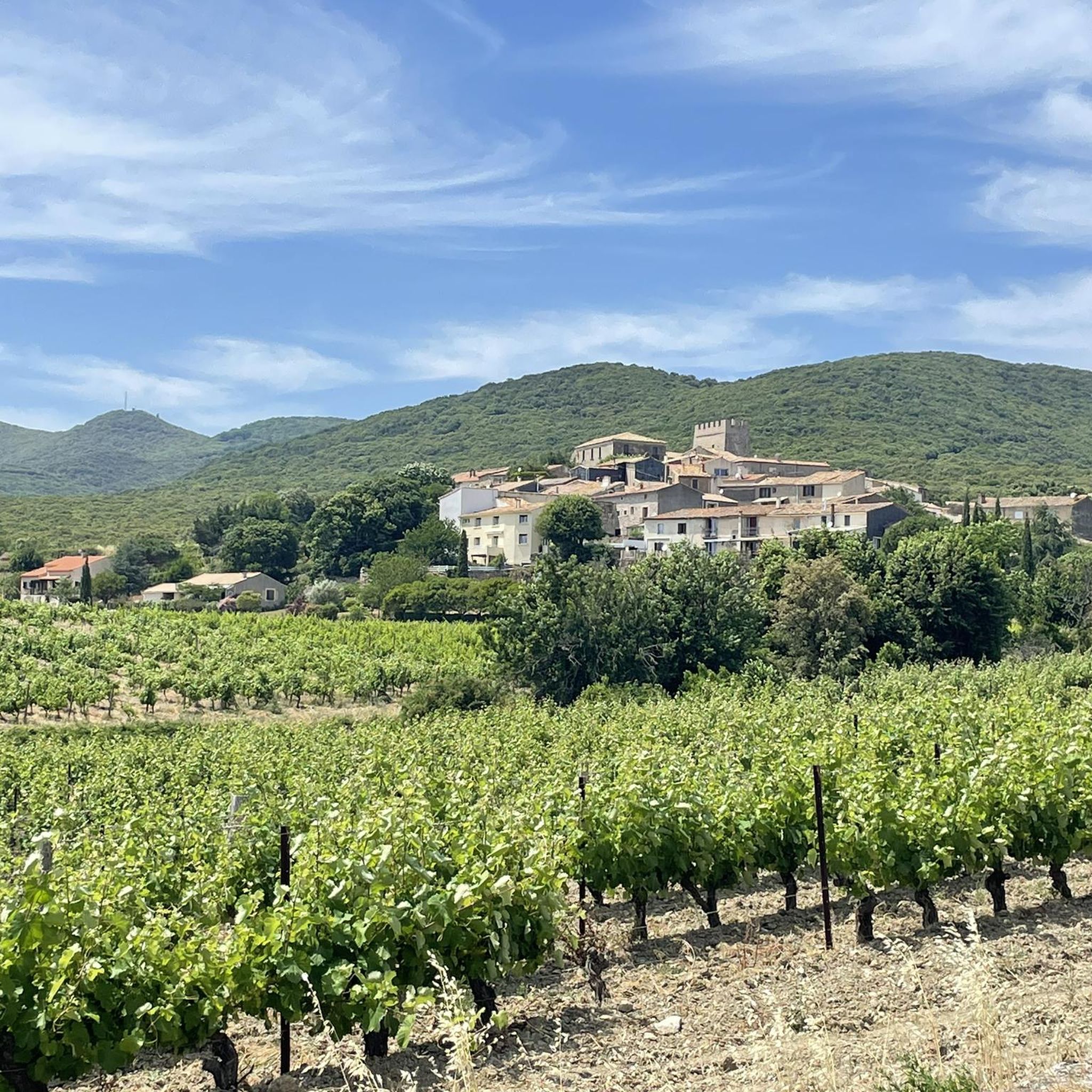
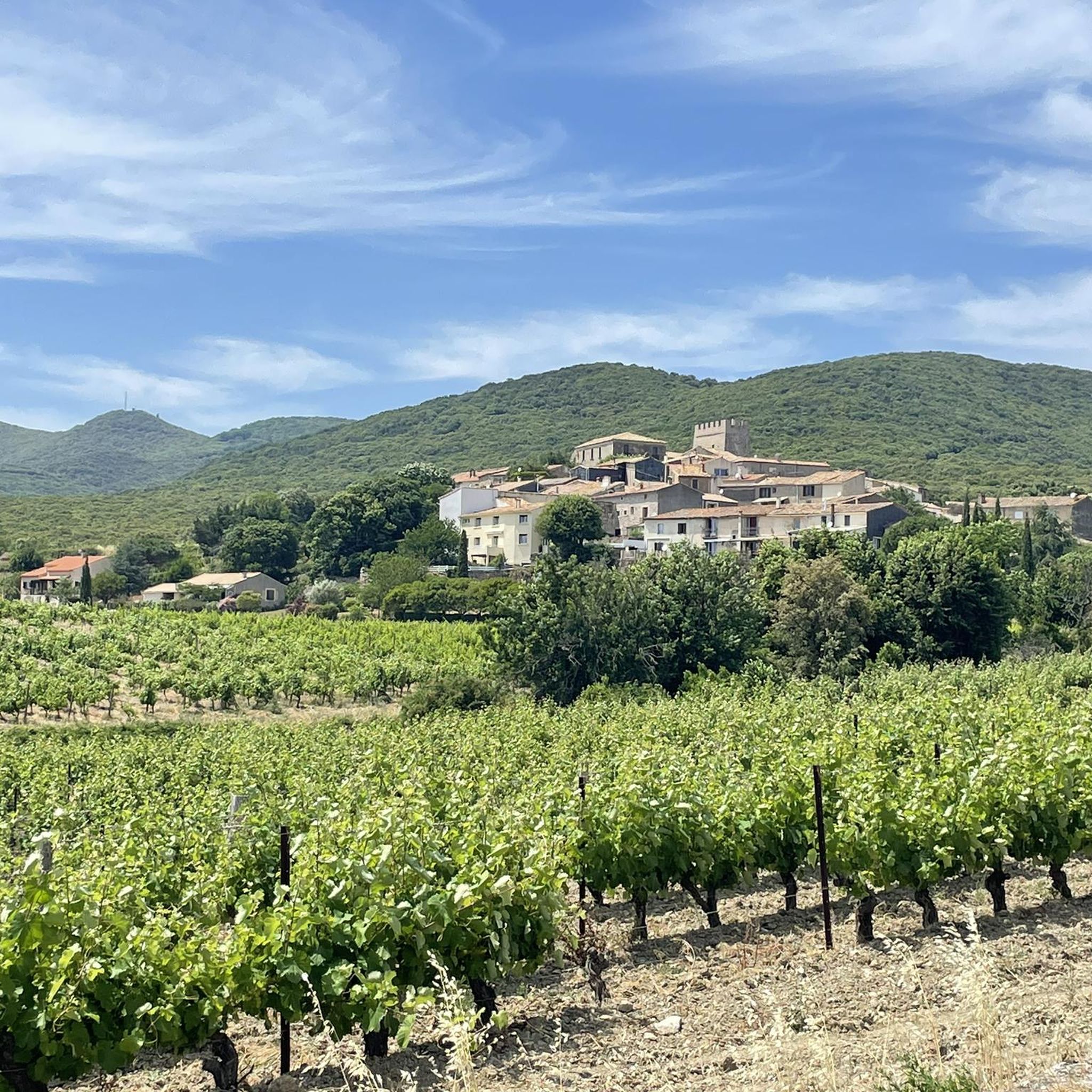
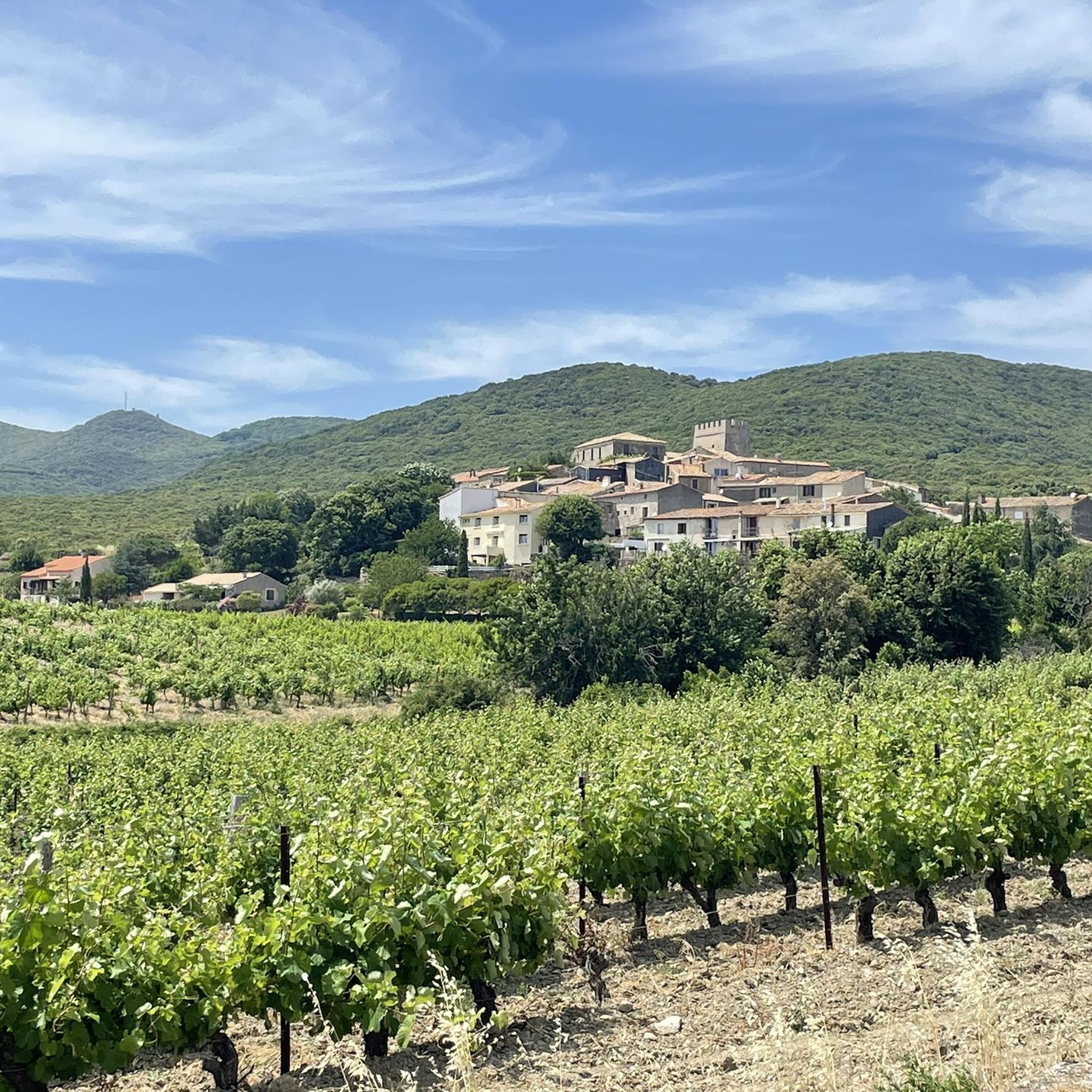
Boussagues is an enchanting medieval village, which seduces with its well-preserved historical heritage. Nestled in a bucolic setting, you can stroll through cobbled streets, among stone houses and the remains of fortifications.
0
0


This characterful village is located in the heart of Languedoc-Roussillon in the Avant-Monts territory. Faugères is full of charm to discover, including its mills, its AOP wines, the art of dry stone listed by UNESCO.
1
0

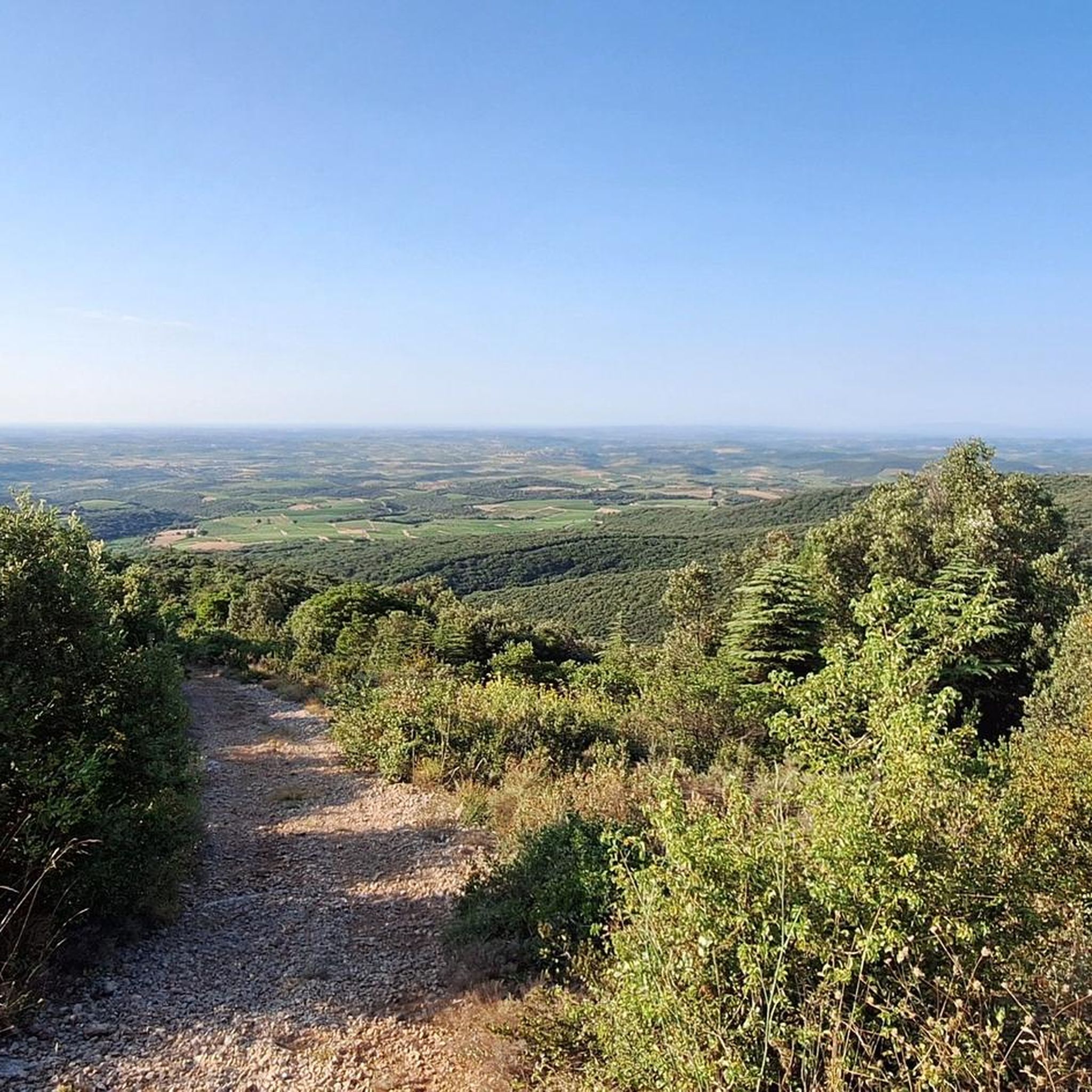
Superb segment located on the V84 / Véloccitanie which connects Béziers to Bédarieux, as well as in the Haut-Languedoc regional natural park. It crosses 3 of the 18 landscape units of the park: the Coteaux Viticoles du Faugérois, the Serres, valleys, basins and small causses of the Avants-Monts, and finally the Plains and Coteaux de l'Orb Moyen. On this road, fields of olive trees follow arbutus trees, holm oaks, cork oaks, chestnut trees, and shade the vineyards. Aromatic herbs perfume the air, dry stone walls line the path. It is a little-traveled road, which invites meditation. Did you dream of the south? You are there, without concession.
1
0

The village of Boussagues is worth the detour, especially since the roads leading to it are not very busy. Solidly set back from the valley of the Orb, this fortified medieval city is no more than a small village dozing under the weight of its past, to which its old walls, its medieval buildings and other vestiges still bear witness, signs of a distant power and a long history. Boussagues has two 12th century castles, a Renaissance manor, and two churches. Inside, ramparts, many typical alleys and pediments of buildings relate the past grandeur of the place. In particular, the Bailli's house which belonged to the famous painter Henri de Toulouse Lautrec. The city of Boussagues appeared in 1117 in the foothills of the Cévennes, which protected it from the Greeks and the Tramontane. Significant mining resources (silver then coal), easy-to-work building materials, water, wood, hillsides allowed continuous growth until the middle of the 14th century. Boussagues thus counted up to 1,500 souls at its peak. The city had all the civil, religious and military organization of the Middle Ages: lords, consuls, workers, notaries, hospital, bailiff, garrison, etc., allowing it to administer the entire Upper Orb Valley. Having lost almost two thirds of its population after the great plague of 1348, it seemed to recover with more than 1000 inhabitants in 1364, but it then declined slowly to only have around 400 souls during the Revolution. Boussagues ended up losing its status as chief town of the canton in 1884 to become just a simple hamlet in the commune of La Tour sur Orb. One of the stones embedded in the walls of the church (I haven't seen it, but maybe you can find it?) bears the following epitaph which seems to be that of the village: "O man, what are you looking at ? What I was, you are, what I am, you will be.
0
0

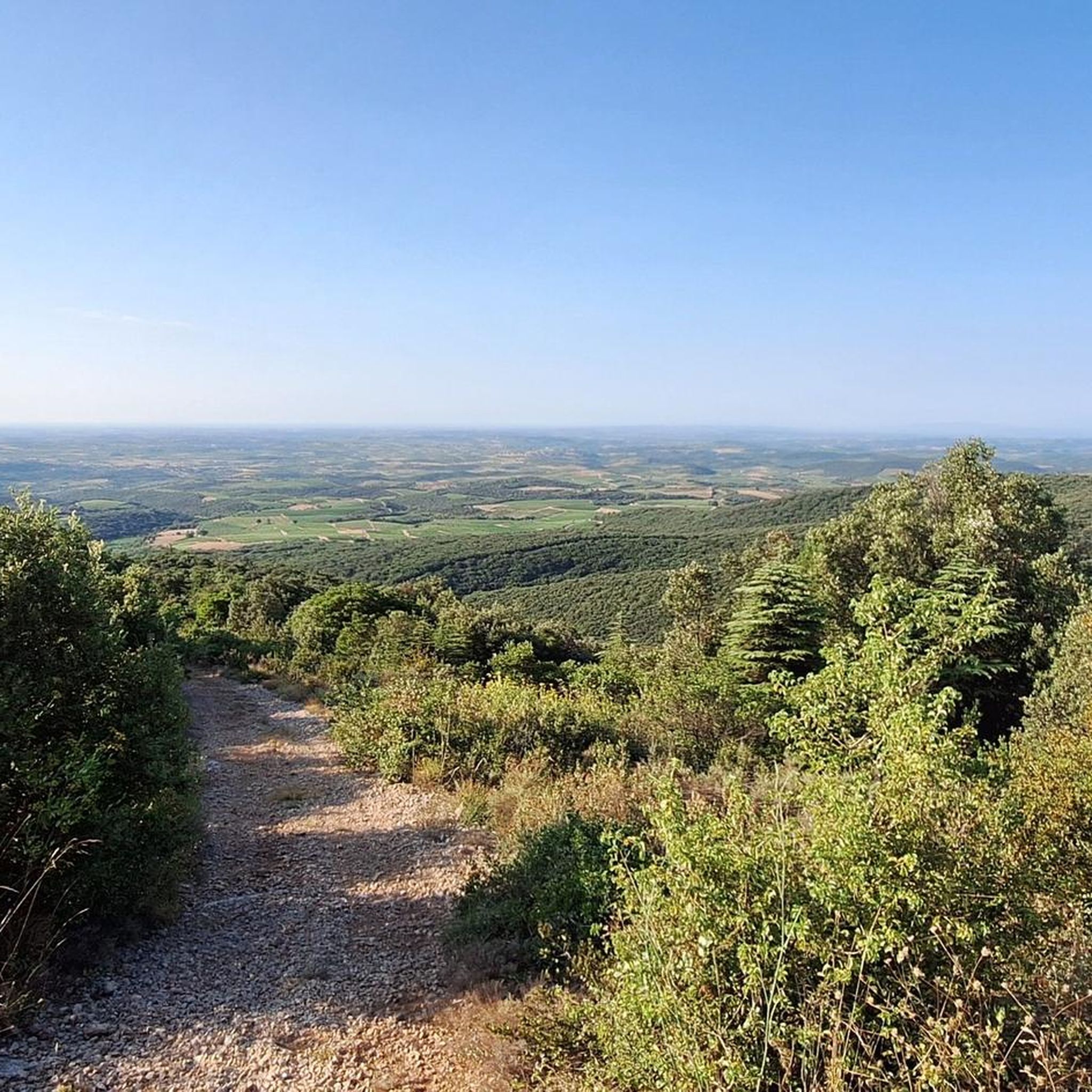
lonely, small road, meandering up and down the creek valley, deep dark forests to the right and left, broom in bloom everywhere
1
0


더 살펴보기
찾고 있는 하이라이트를 아직 못 찾으셨나요? 다른 지역의 주요 명소 가이드를 확인해보세요:
