フィゲイラ・デ・カステロ・ロドリゴのおすすめウォーキング&ハイキングルート
4.1
(46)
230
ハイカー
19
ハイキング
フィゲイラ・デ・カステロ・ロドリゴ周辺でのハイキングは、景色を満喫するのに最適な手段のひとつですが、適切なハイキングルートを見つけることは簡単ではありません。 フィゲイラ・デ・カステロ・ロドリゴ周辺の人気ハイキング&ウォーキングコースを参考にすれば、行きたいルートをすぐに見つけられます。
最終更新日: 10月 14, 2026
5.0
(6)
79
ハイカー
33.2km
09:07
540m
540m
難しいハイキング. 標準以上のフィットネスレベルが必要です。 進みやすいルートです。あらゆるスキルレベルに適しています。
2.0
(1)
2
ハイカー
20.3km
05:48
470m
470m
難しいハイキング. 標準以上のフィットネスレベルが必要です。 進みやすいルートです。あらゆるスキルレベルに適しています。

4.5
(6)
16
ハイカー
11.1km
03:07
220m
220m
中程度のハイキング. ある程度のフィットネスレベルが必要です。 進みやすいルートです。あらゆるスキルレベルに適しています。
5.0
(4)
14
ハイカー
6.15km
01:39
80m
80m
初級者向けハイキング. あらゆるフィットネスレベルに適しています。 進みやすいルートです。あらゆるスキルレベルに適しています。
3.0
(1)
11
ハイカー
11.6km
03:30
380m
390m
中程度のハイキング. ある程度のフィットネスレベルが必要です。 進みやすいルートです。あらゆるスキルレベルに適しています。
さらに多くのルートや他のユーザーのおすすめ情報を確認できます。
すでにアカウントをお持ちですか?
おすすめのツアーは他のkomootユーザーが実際に経験した何千ものアクティビティに基づいています。
無料アカウントで今日から始めよう
次の冒険が待っています。
フィゲイラ・デ・カステロ・ロドリゴでのの他の冒険

コミュニティからのヒント

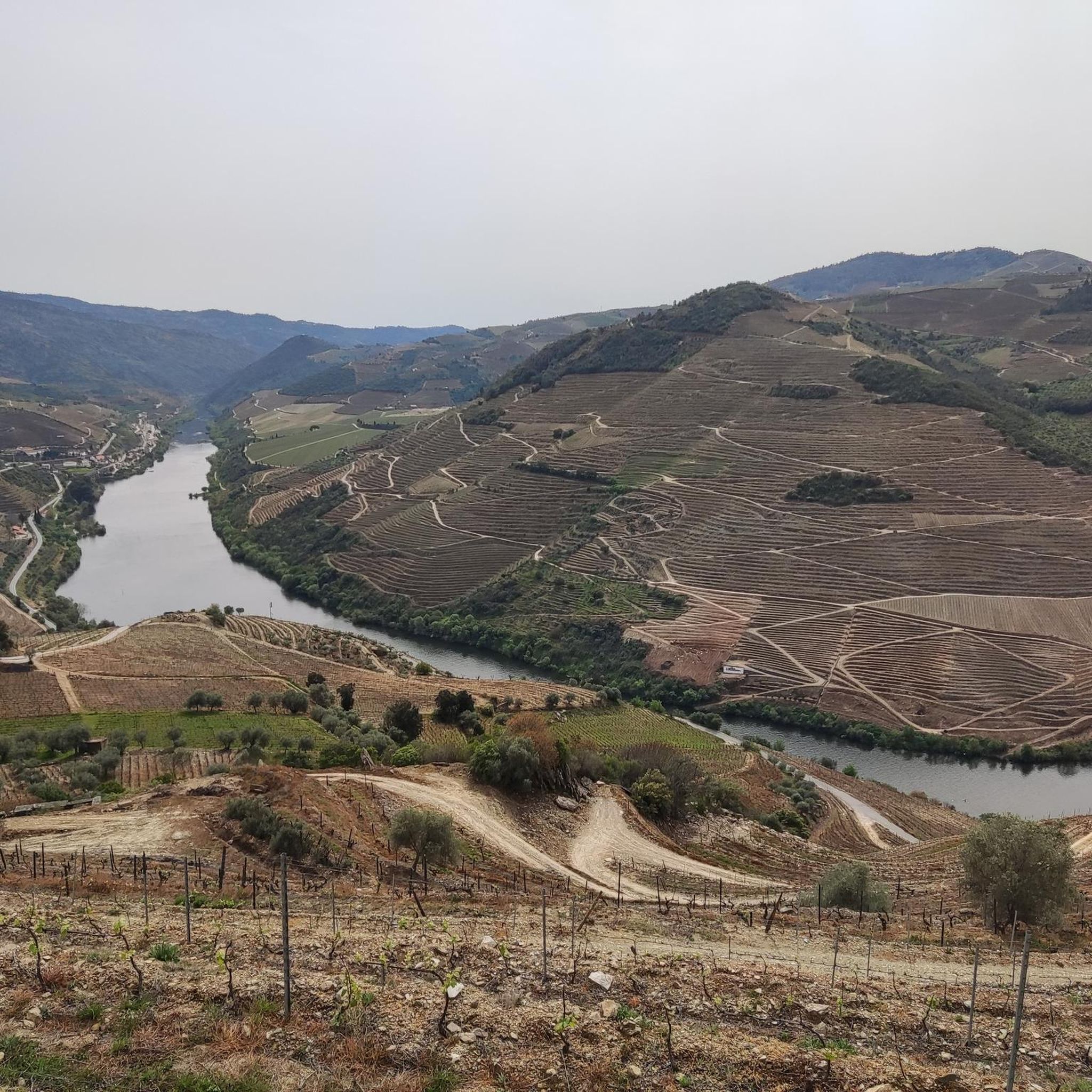
The Escadaria de Acesso ao Passeio Ribeirinho significantly shortens the walk for pedestrians between the path along the riverbank and the parking lot at the road bridge over the river. According to the Komoot map, you previously had to walk under the bridge to reach the top in a long loop. The stairs were rebuilt in March 2024 by the Município de Figueira de Castelo Rodrigo (the municipality), as the old structure was completely destroyed and abandoned. They consist of raised wooden structures resting directly on the ground. Barca d'Alva is a popular stop for Douro cruises, and these stairs facilitate the descent to the river quay and the walking path, from where you can enjoy breathtaking views of the Douro, the bridge, and the surrounding gorges. They contribute to the revitalization of the place, which had lost importance since the closure of the railway line (the Linha do Douro) in 1988. Today, it is a highlight for nature lovers and photographers, especially at sunset.
1
0
The bridge was designed and built in 1955 by the renowned Portuguese engineer Edgar Cardoso. It is considered the first motorway bridge in the Portuguese section of the Douro River and is a concrete arch bridge with a length of approximately 300 meters. It is named after the Portuguese naval officer and colonial administrator Almirante Manuel Maria Sarmento Rodrigues, who served as governor of Guinea and Mozambique under the Salazar dictatorship and later became Minister of Colonies.
1
0
When it was closed in 1985, the region lost its direct connection; the bridge fell into disrepair for decades and was inaccessible for a long time. Only in recent years has the entire route been reopened to hikers and visitors as the "Camino de Hierro" (Iron Way). Crossing the bridge offers spectacular views of the Águeda Gorge and the terraced landscapes of olive, almond, and vineyards. Today, it is an industrial monument and also a tourist highlight in the Arribes del Duero Natural Park.
1
0
The bridge was built as an iron truss structure following the French school's model (inspired by Gustave Eiffel) and spans the deeply cut Río Águeda, approximately 250 meters long and about 20 meters high above the river. The supporting structure consists of riveted steel girders resting on massive stone piers. It was part of the cross-border connection between Spain and Portugal, connecting Salamanca to Porto. Due to its challenging topography—gorges, steep mountain slopes, and narrow valleys—the line was considered one of the most spectacular railway lines in Europe, with a total of 20 tunnels and 13 bridges, of which the Águeda Bridge was the most famous. It served as the gateway to the La Fregeneda–Barca d'Alva border station, where the crossing into Portugal took place.
1
0
The former railway bridge over the Río Águeda near La Fregeneda is one of the most impressive structures on the disused La Fuente de San Esteban – Barca d’Alva railway line (opened in 1887, closed in 1985).
1
0
San Martín was a village in the municipality of La Fregeneda (Salamanca Province) on the Águeda River, directly on the border with Portugal, which was abandoned. Starting in the mid-20th century, as in many peripheral areas, a strong rural exodus began here. This was exacerbated by the closure of the cross-border railway line La Fuente de San Esteban – Barca d'Alva (a spectacular route with 20 tunnels and seven bridges along the Águeda River). After its closure, the area lost infrastructure and jobs, and the remote hamlets were abandoned.
1
0

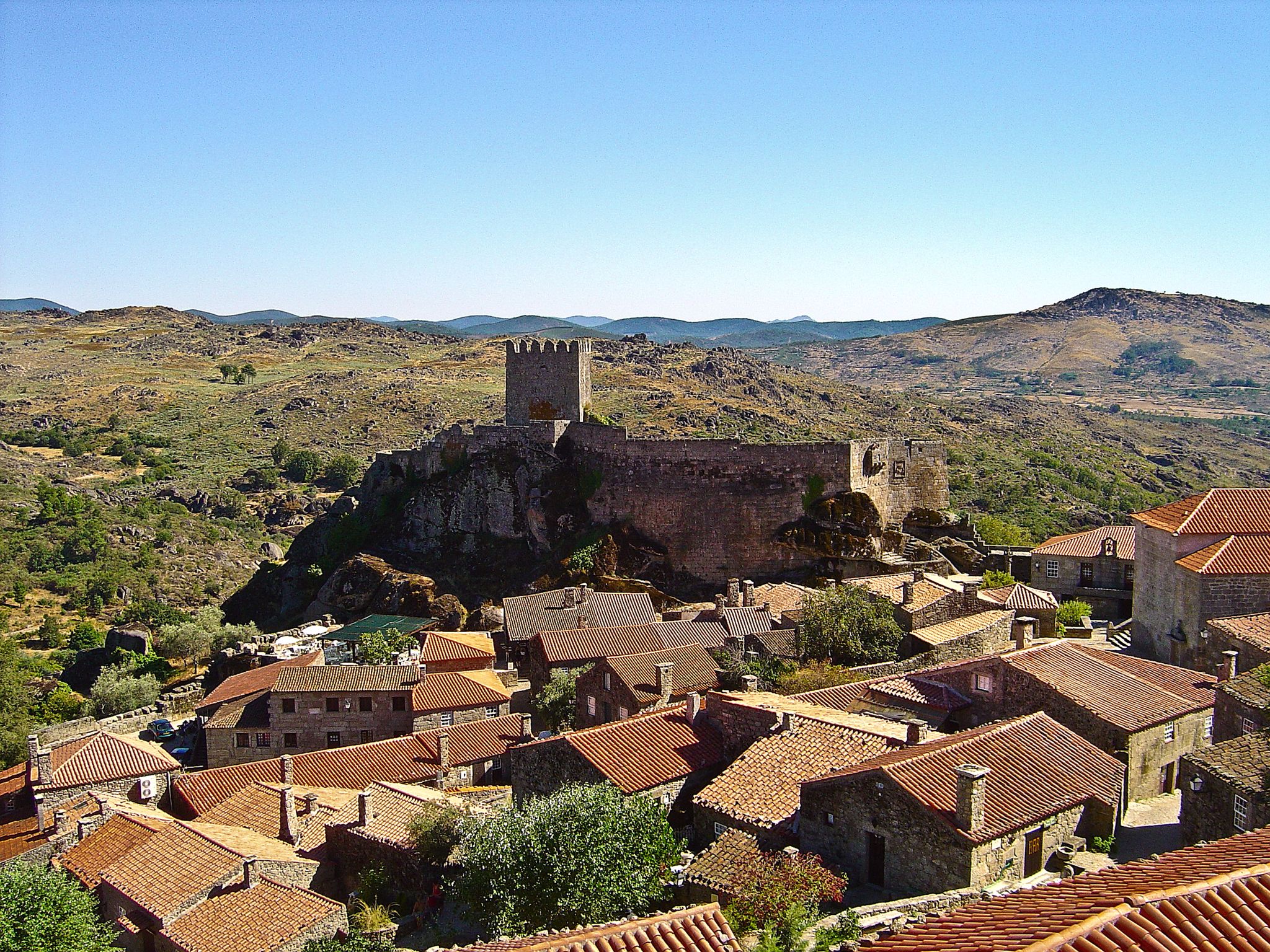
Castelo Rodrigo holds millennia of history, from Paleolithic and Roman remains to the Muslim presence in the castle. Conquered and reconquered between the 12th and 13th centuries, it became a town and municipality under King Alfonso IX of León and passed definitively to Portugal in 1297, when King Dinis rebuilt and repopulated the castle. Marked by wars, charters, and restorations, it welcomed pilgrims on their way to Santiago and remains today one of the twelve Historic Villages of Portugal.
3
0
Castelo Rodrigo is a village with a medieval soul, where time has left its deep marks: walls, stone streets and remains of an ancient community of New Christians. Surrounded by magnificent landscapes, from the Douro International Natural Park to the Côa Valley, passing through the Serra da Marofa and the Faia Brava Reserve, this village is an invitation to contemplation and to taste. Here, history is served at the table: Marofa lamb, octopus in migas or rice are flavors that count as much as the books.
2
0
フィゲイラ・デ・カステロ・ロドリゴでのの人気観光スポット

komootモバイルアプリでインスピレーションを得よう


さらに探索
他の地域の最高のハイキングを見てみましょう。
