トレス・ベドラス周辺のアトラクション&必見スポット - トップ20
トレス・ベドラスには必見のスポットがたくさんあります。ハイキング愛好家やサイクリング愛好家の方は、ぜひトレス・ベドラスを探索してこのエリアにある20
の隠れたスポットを訪れてみてください。このエリアの必見スポットを確認し、次の冒険に出かける計画を立てましょう。
最終更新日: 8月 30, 2026
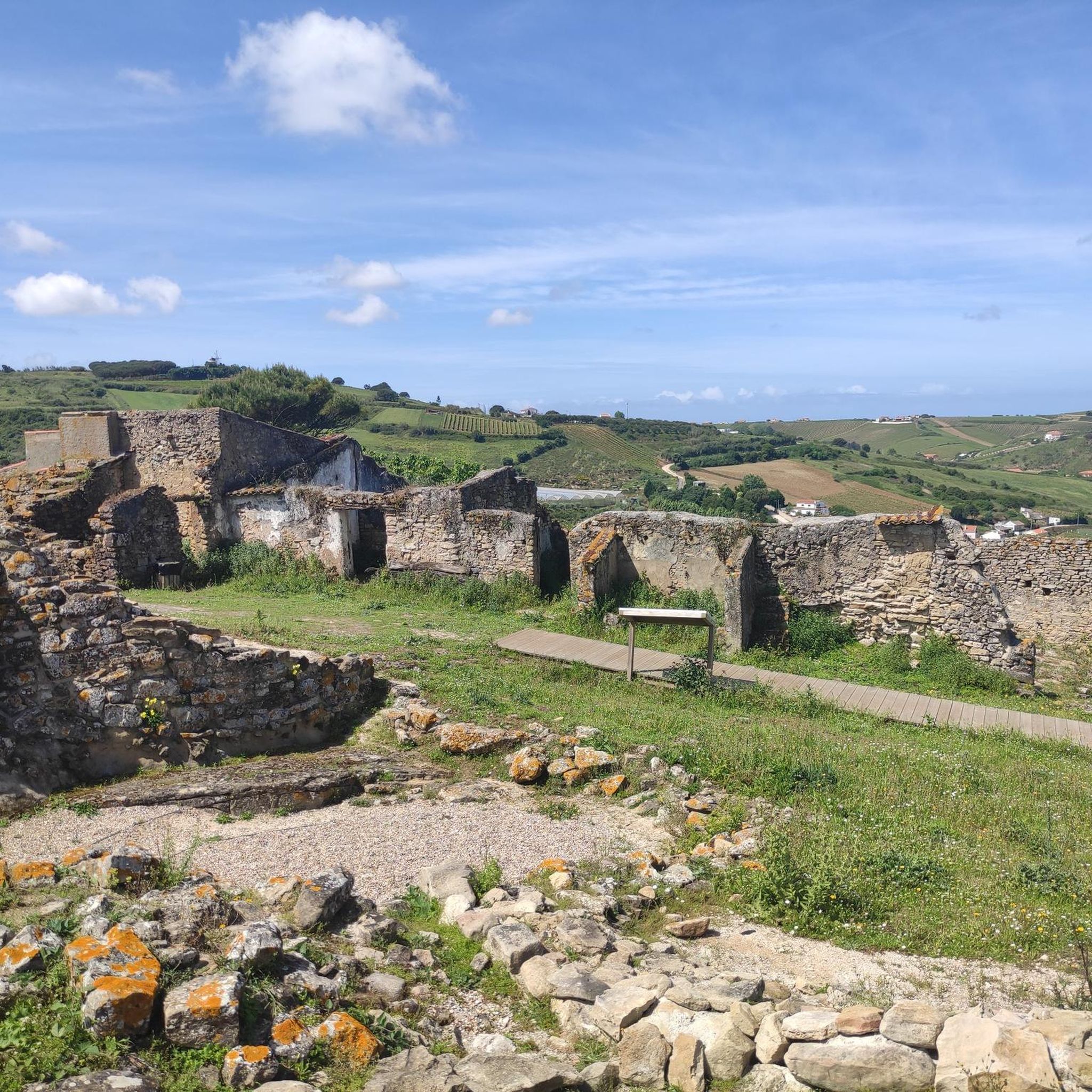
フォルテ・ド・ミルレウ
ハイライト • 歴史的な場所
翻訳者 Google •
役立つ情報 は

サーファー
ハイライト • 記念碑
翻訳者 Google •
役立つ情報 は

今すぐサインアップして、こんな場所を発見しよう
最高のシングルトラック、ピーク、その他のエキサイティングなアウトドアスポットのおすすめを受け取ろう。
無料新規登録
マフラ国立宮殿
ハイライト • 歴史的な場所
翻訳者 Google •
役立つ情報 は

アルト・ダ・ヴェラ展望台
ハイライト • 展望台
翻訳者 Google •
役立つ情報 は

プライア・ドス・ペスカドーレス 🏖️
ハイライト • ビーチ
翻訳者 Google •
役立つ情報 は
無料でサインアップして、さらに多くの観光スポットを発見しましょう トレス・ベドラスでの。
無料新規登録
すでにアカウントをお持ちですか?
無料アカウントで今日から始めよう
次の冒険が待っています。
ログインまたは登録

トレス・ベドラスでのの他の冒険

コミュニティからのヒント

The National Palace of Mafra, located in the town of Mafra, Portugal, is a monumental complex that includes a palace, a convent, a basilica, and the Tapada de Mafra (hunting grounds). Construction began in 1717, commissioned by King John V of Portugal in fulfillment of a vow for the succession of his wife, and it is the most important monument of Portuguese Baroque. Since 2019, the Palace has been a UNESCO World Heritage Site.
2
0
The Monument to the Surfer in Ericeira, also known as the Guardian of the Ericeira World Surfing Reserve, is a statue that honors the surfing community and highlights the importance of environmental preservation. The sculpture is located at the viewpoint of Ribeira d'Ilhas Beach, one of the most famous and cosmopolitan waves in the region. Information about the monument Location: Ribeira d'Ilhas Beach viewpoint, Ericeira. Inauguration: It was inaugurated in March 2017. Other monuments dedicated to surfers already existed in Ericeira before, but this work is the symbol of the World Surfing Reserve. Authorship: The sculpture was created by local artist José Queiroz. Symbolism: The work represents the surfer as a guardian of the waves and nature, reinforcing the collective appeal for the protection of the coast and the sea. What to see at the site Panoramic view: The Ribeira d'Ilhas viewpoint offers one of the best views of the Atlantic coast, with the famous surf beach in the background. Sunset: The location is ideal for watching the sunset over the ocean, creating a spectacular landscape. Events: Ribeira d'Ilhas Beach hosts surfing championships, and the monument serves as a meeting and observation point for sports enthusiasts.
1
1
Fishermen's Beach! It's one of the most emblematic beaches in Lisbon, Portugal. Located in the Cascais area, it's known for its natural beauty and fishing tradition. The beach is surrounded by rocks and offers incredible views of the Atlantic Ocean. It's a popular spot for walks, relaxation, and enjoying the local culture.
3
0

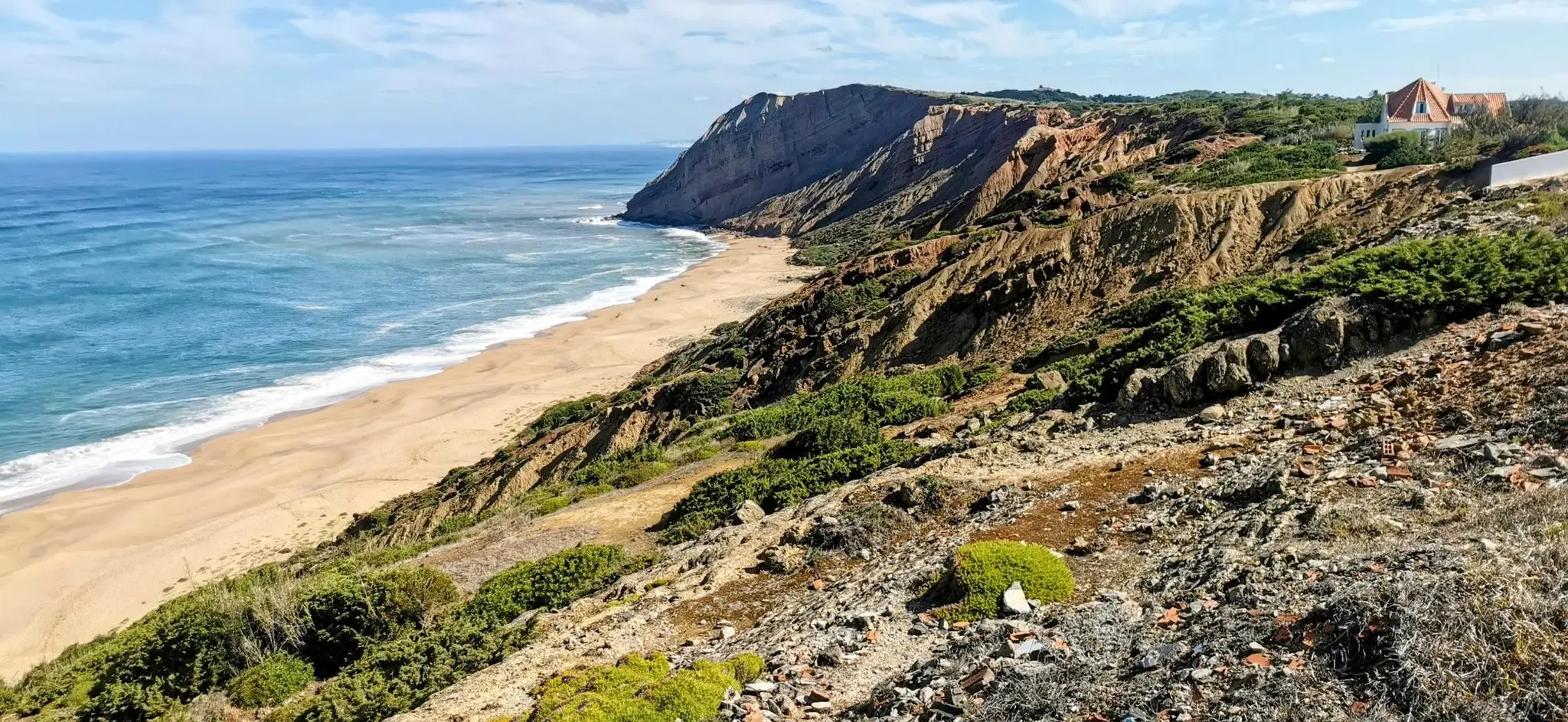
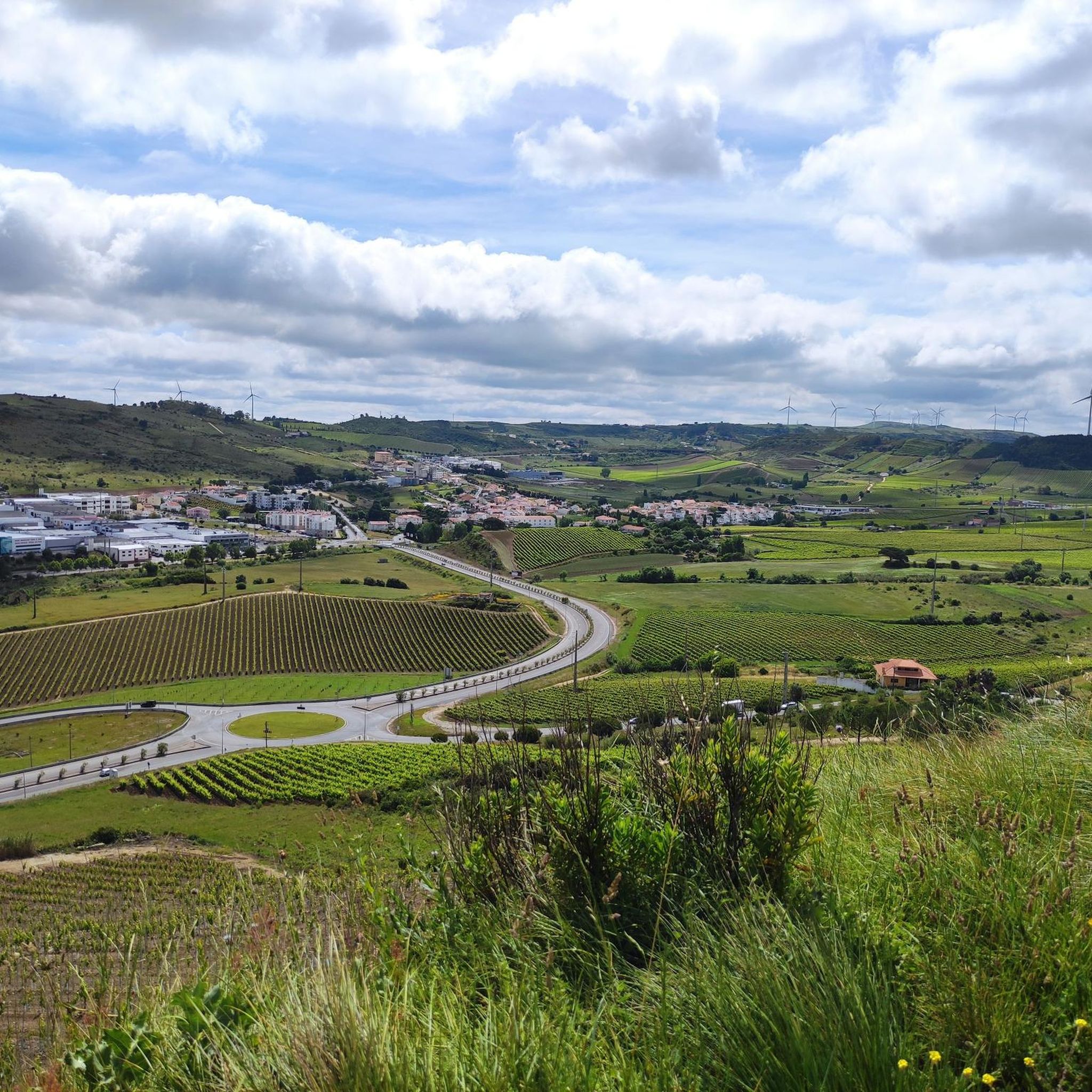
A beautiful view back to Santa Cruz and the rocky outcrop. A small path leads south from the highest point toward Praia Azul.
5
0
The poet Antero de Quental often hiked here to gaze out at the sea. Indeed, from here you have a magnificent view of the entire country. In strong winds, you can see paragliders practically suspended in mid-air, as the updrafts are so powerful.
3
0
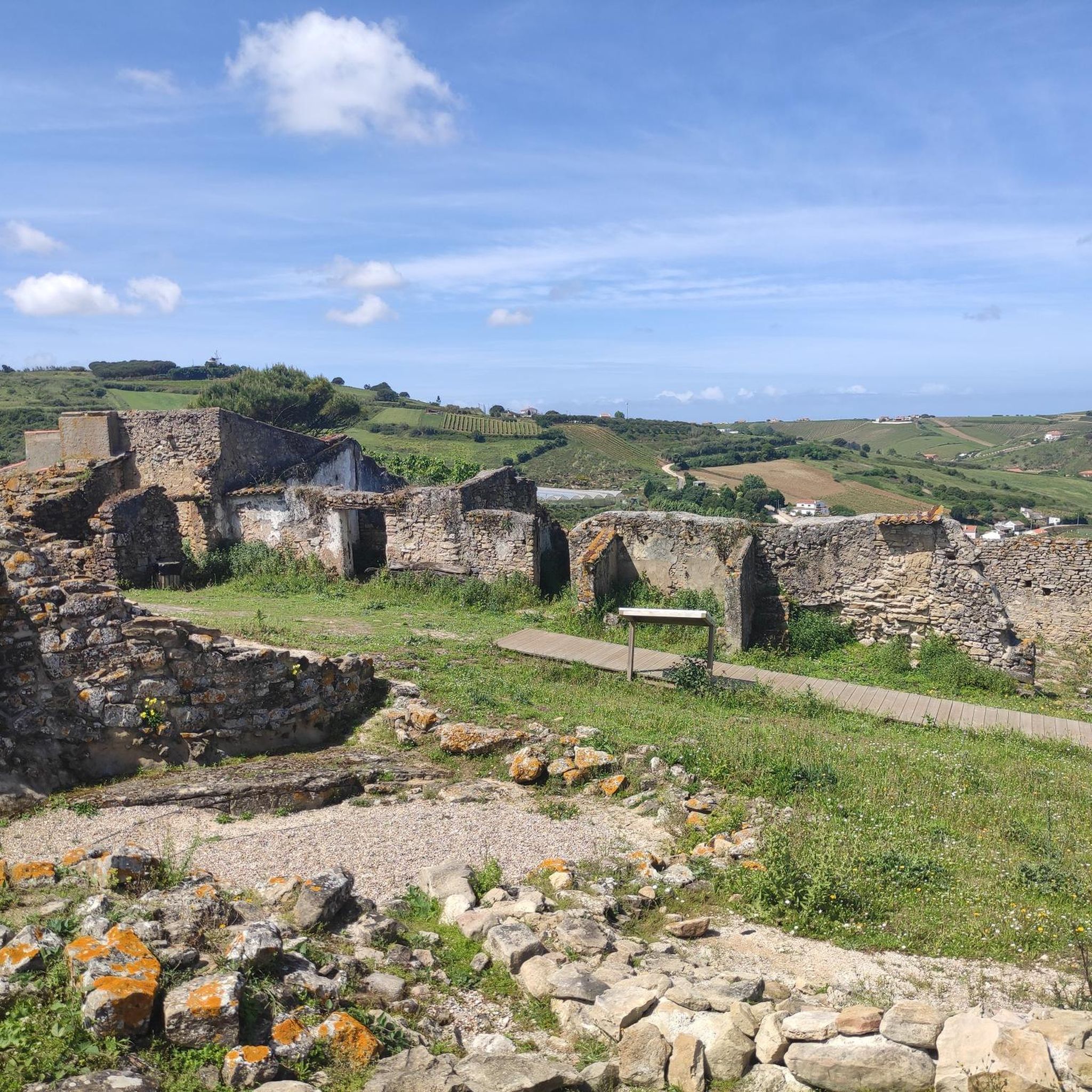
A beautiful but steep path through low bushes starts from the road (just a few meters from the roundabout with the surfer in the middle). After a few minutes, you'll reach the fort and enjoy a magnificent view of Ericeira. Only a few walls remain, and this spot is often used by amateur photographers for photo ops.
12
2


Baroque architectural complex comprising a Palace, a Basilica and a Convent, together with gardens and a vast Tapada, forming a historical heritage complex covering over 1,200 hectares, inscribed on the UNESCO World Heritage List in 2019. Built by order of King João V in fulfilment of a succession vow, Mafra Palace is one of the most important Baroque monuments in Portugal and one of the largest in Europe, occupying a construction area of 38,000 m2, with around 1,200 rooms, 5,200 doors and windows and 156 staircases. UNESCO has recognised this monument as a feat of architecture, engineering and human genius. Based on designs by Filippo Juvarra, its final design was carried out by the German Johann Friedrich Ludwig (João Frederico Ludovice) and construction was led by the kingdom's chief engineer, Custódio Vieira. The first stone was laid on 17 November 1717 and the Basilica was consecrated on 22 October 1730. The Basilica, inspired by the great churches of Rome, has one of the most significant collections of Italian sculpture of its time, with 58 statues, a large crucifix with archangels in adoration and three high reliefs, as well as an important collection of paintings, representing some of the most famous painters active in Italy and France in the early 1730s. The collection of vestments and liturgical implements is also very significant, due to its quality and rarity. The Palace Library is one of the most iconic spaces in the monument. With a refined selection of around 30,000 volumes, it is one of the exponents of Enlightenment knowledge representative of the court culture of the first half of the 18th century. Also noteworthy is the bell ringing ensemble, with 120 bells, which include two of the largest carillons of the 18th century, cast in Antwerp and Liège in the workshops of Willem Witlockx and Nicolas Levache, respectively. The bells are accompanied by two clocks dating from the first half of the 18th century, as well as four automatons for automatic music. Inside the Basilica is a set of pipe organs, unique in the world, consisting of six instruments designed to play together, built between 1792 and 1807 by the Portuguese organ builders António Machado e Cerveira and Joaquim Peres Fontanes. The Mafra Palace has been a member of the Association of European Royal Residences since 2009.
5
0
トレス・ベドラスでのの人気観光スポット

komootモバイルアプリでインスピレーションを得よう


さらに探索
まだ探しているハイライトが見つかりませんか?他の地域のトップアトラクションのガイドを見てみましょう:
