シュプリューゲンのおすすめMTBライド
4.4
(225)
1,441
ライダー
12
ライド
マウンテンバイクでシュプリューゲン周辺を走ると、スイスのグラウビュンデン州内で多様で挑戦的な地形を楽しめます。この地域は、標高2,117メートルの歴史的なシュプリューゲン峠を挟み、ピッツォ・タンボやシュレッタホルンといったそびえ立つ峰々に囲まれた、ドラマチックなアルプスの風景が特徴です。ヴィアマラ峡谷やロッフラ峡谷のような深い自然の驚異、そして静かなヒンターライン谷や絵のように美しい高山の湖が、この地域の地形を形作っています。この環境は、様々なスキルレベルに対応する、かなりの高低差を持つトレイルネットワークを提供しています。
シュプリューゲン周辺のベストマウンテンバイクトレイル
- 最も人気のあるマウンテンバイクトレイルは、シュプリューゲン村~シュプリューゲン城跡ループ(シュプリューゲン発)で、距離14.0マイル(22.6 km)、所要時間2時間22分で、歴史的な村と城跡の景色を楽しめます。
- 地元のマウンテンバイカーに人気のもう一つのトレイルは、シュプリューゲン村~シュターフェル・ヌルダグンループ(シュプリューゲン発)で、難易度が高い32.4マイル(52.2 km)のコースです。このルートは、かなりの高低差と広大なアルプスの眺望が特徴です。
- 地元のマウンテンバイカーに愛されているのは、シュプリューゲン村~ズフナー湖ループ(シュタイナ発)で、距離19.0マイル(30.6 km)のトレイルは、アルプスの風景を通り抜け、ズフナー湖へと続いており、所要時間は約3時間21分です。
- シュプリューゲン周辺のマウンテンバイクは、険しく岩の多い風景の中に、高いアルプスの峠、深い峡谷、そして高山の湖が特徴です。このネットワークは、挑戦的な登りを探している経験豊富なライダーと、変化に富んだ地形を探しているライダーの両方にオプションを提供します。
- シュプリューゲンのルートは、komootコミュニティから高く評価されており、170件以上のレビューから平均4.5つ星を獲得しています。1300人以上のマウンテンバイカーがkomootを利用して、シュプリューゲンの変化に富んだ地形を探索しています。
最終更新日: 10月 8, 2026
4.8
(5)
54
ライダー
22.6km
02:22
860m
860m
難しいマウンテンバイクライド. ある程度のフィットネスレベルが必要です。 高度なライディングスキルが必要です。ツアーの一部で自転車を押して歩く必要があるかもしれません。
4.9
(7)
25
ライダー
52.2km
05:41
1,810m
1,810m
難しいマウンテンバイクライド. 標準以上のフィットネスレベルが必要です。 高度なライディングスキルが必要です。ツアーの一部で自転車を押して歩く必要があるかもしれません。

4.9
(8)
51
ライダー
23.7km
02:15
870m
870m
難しいマウンテンバイクライド. ある程度のフィットネスレベルが必要です。 高度なライディングスキルが必要です。ツアーの一部で自転車を押して歩く必要があるかもしれません。
3.8
(5)
28
ライダー
14.2km
01:45
670m
670m
難しいマウンテンバイクライド. ある程度のフィットネスレベルが必要です。 高度なライディングスキルが必要です。ツアーの一部で自転車を押して歩く必要があるかもしれません。
4.7
(3)
38
ライダー
18.2km
01:41
650m
650m
難しいマウンテンバイクライド. ある程度のフィットネスレベルが必要です。 高度なライディングスキルが必要です。ツアーの一部で自転車を押して歩く必要があるかもしれません。
さらに多くのルートや他のユーザーのおすすめ情報を確認できます。
すでにアカウントをお持ちですか?
おすすめのツアーは他のkomootユーザーが実際に経験した何千ものアクティビティに基づいています。
無料アカウントで今日から始めよう
次の冒険が待っています。
シュプリューゲン周辺で人気
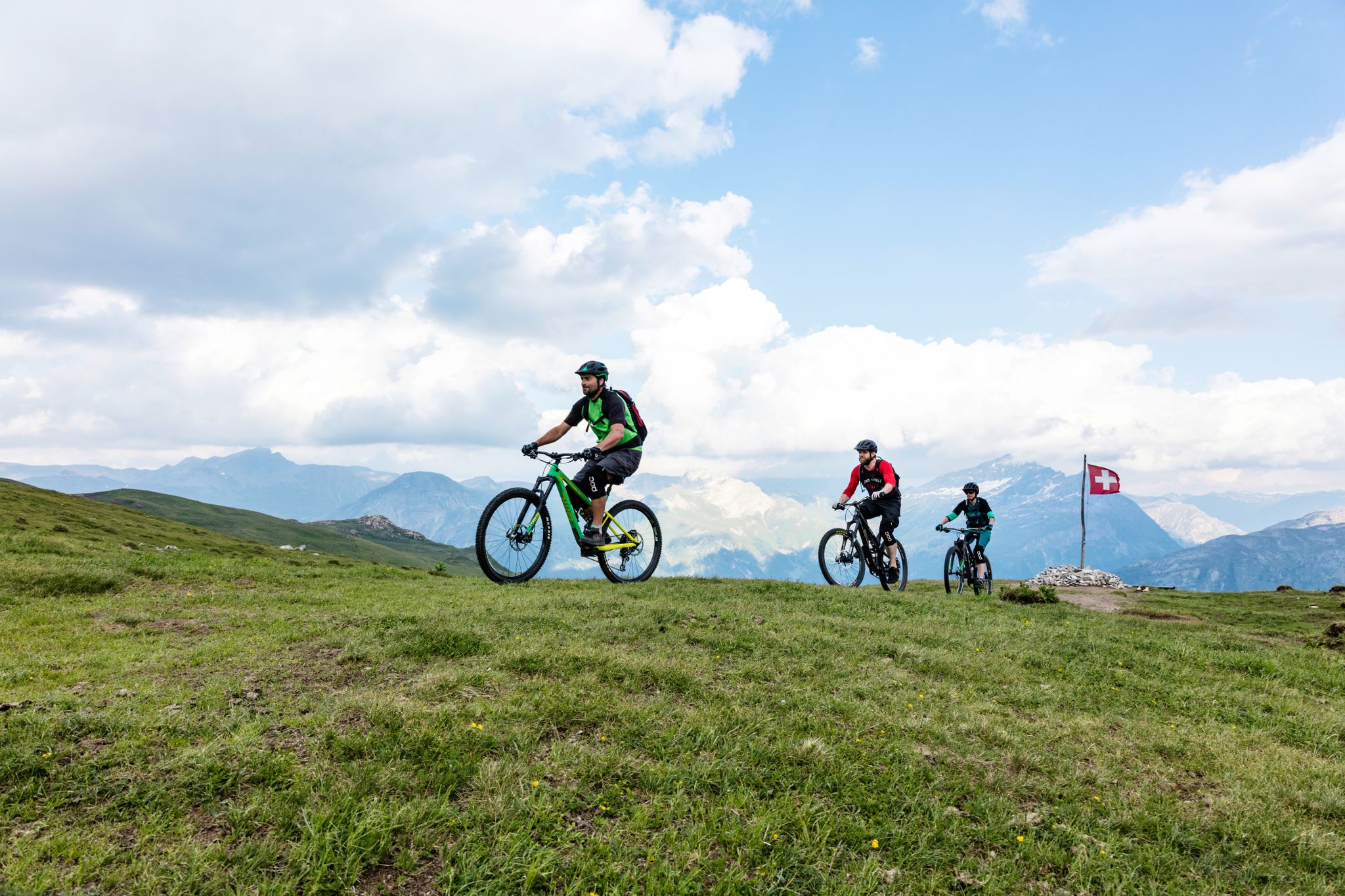
Destination Viamala – discover Switzerland’s best nature by bicycle
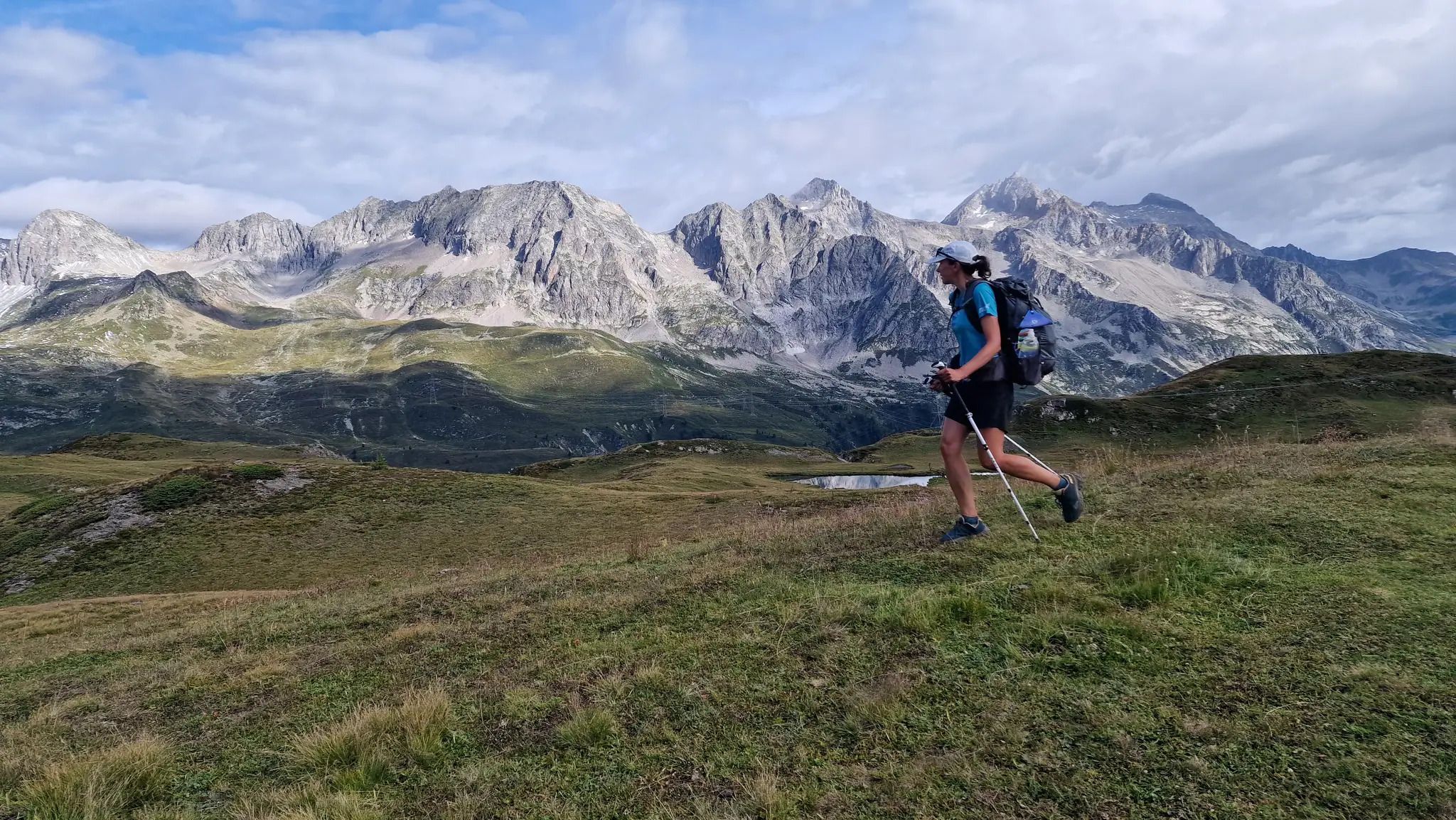
Alpine Passes Trail - サウファーシラールトリアルド 700km インスラールト
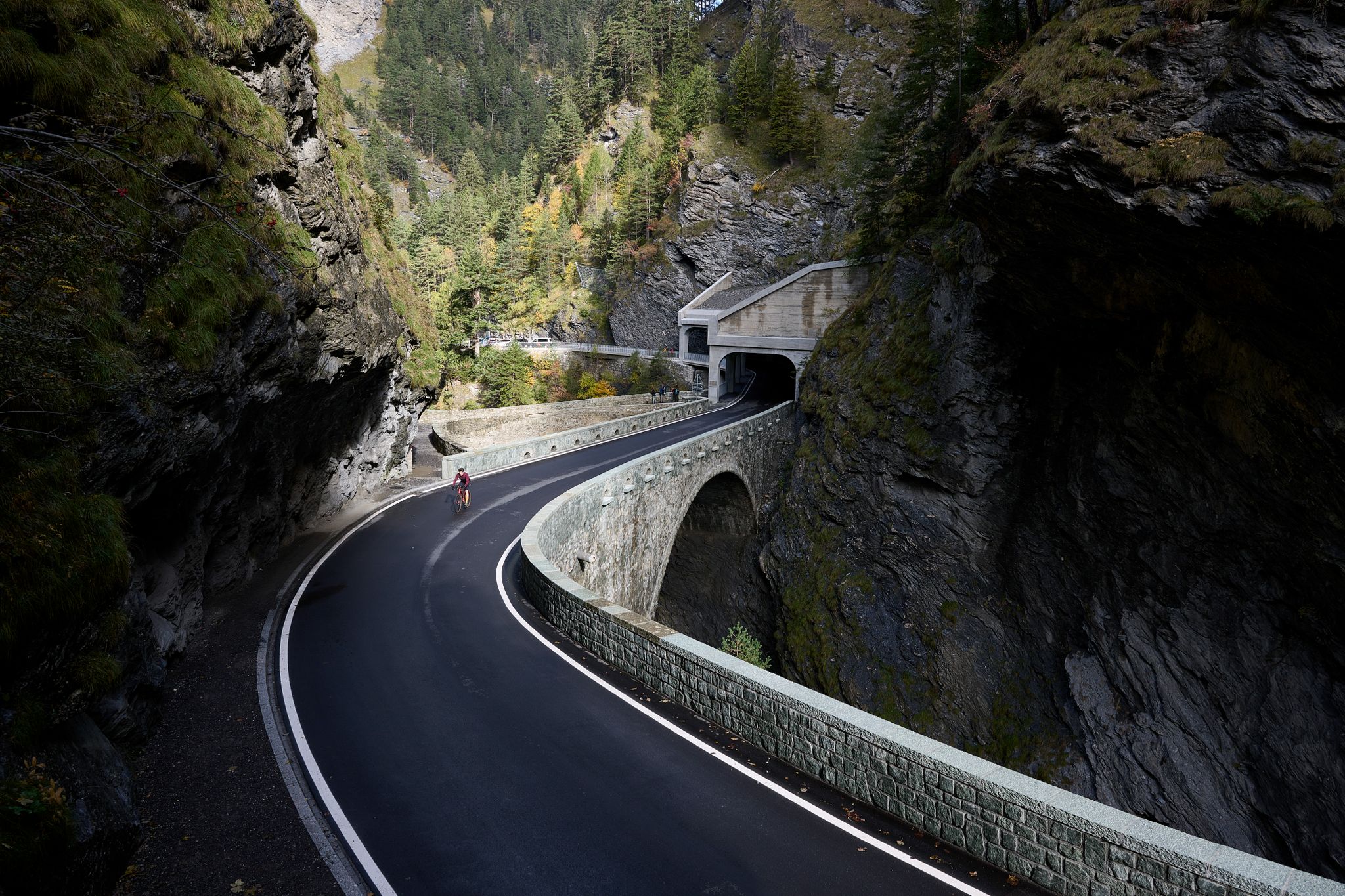
Gravel bike experiences in Viamala: Between gorges, passes, and castles
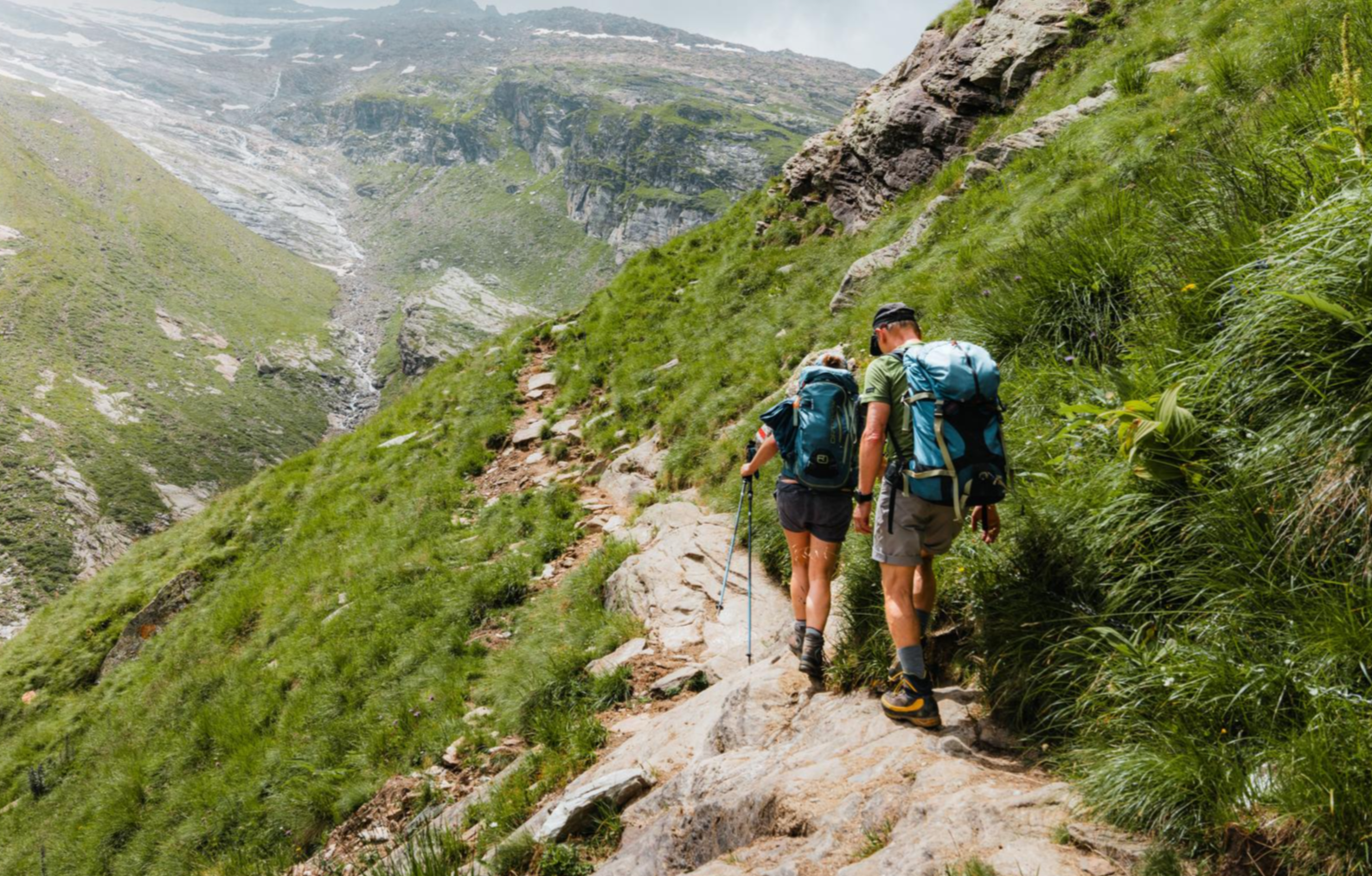
Mountain worlds and gorge magic – adventure hikes in the Viamala Region
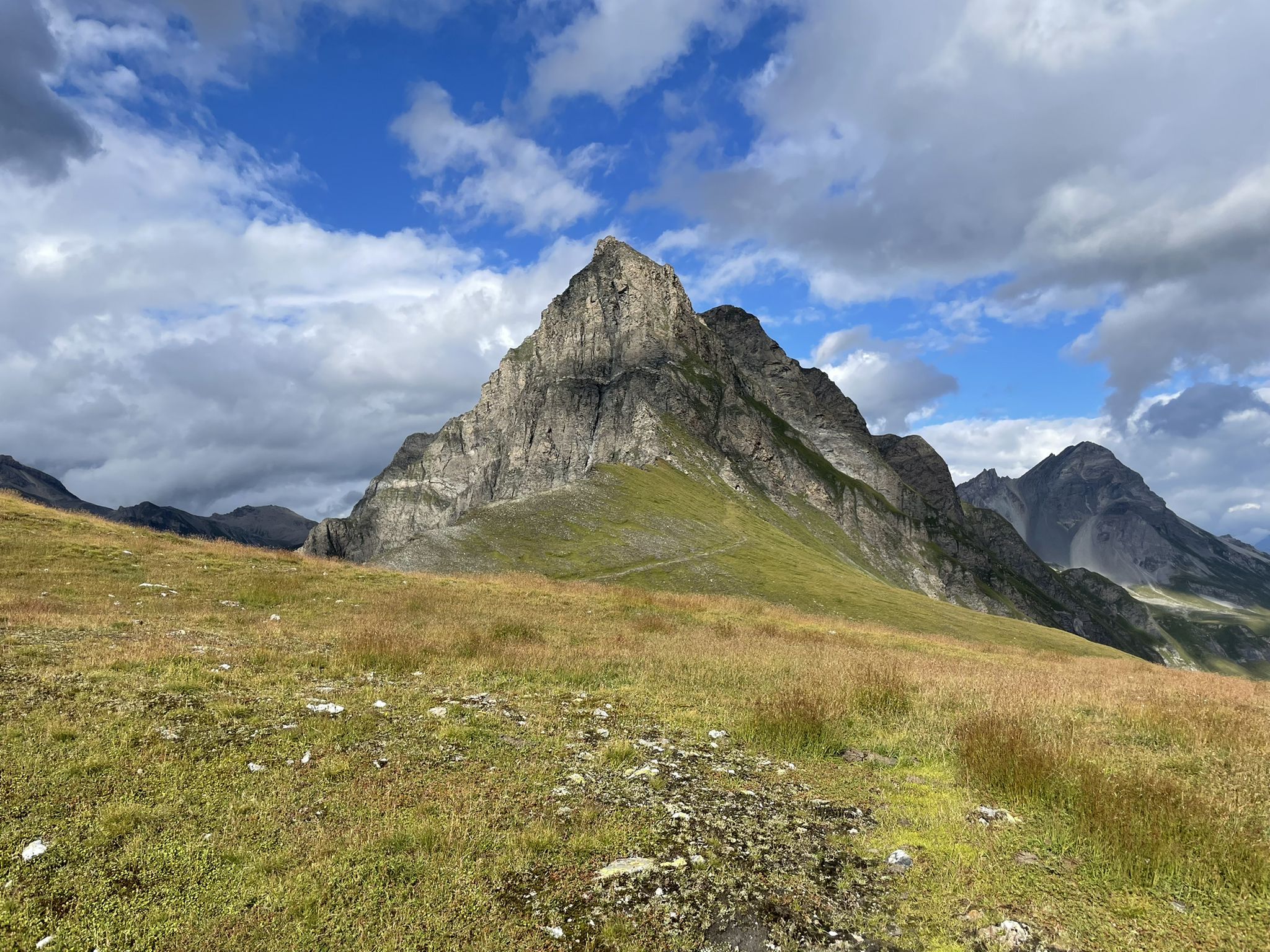
グラウビュンデンの壮大な自然公園 – バル・スルーゼからザフィエンタル
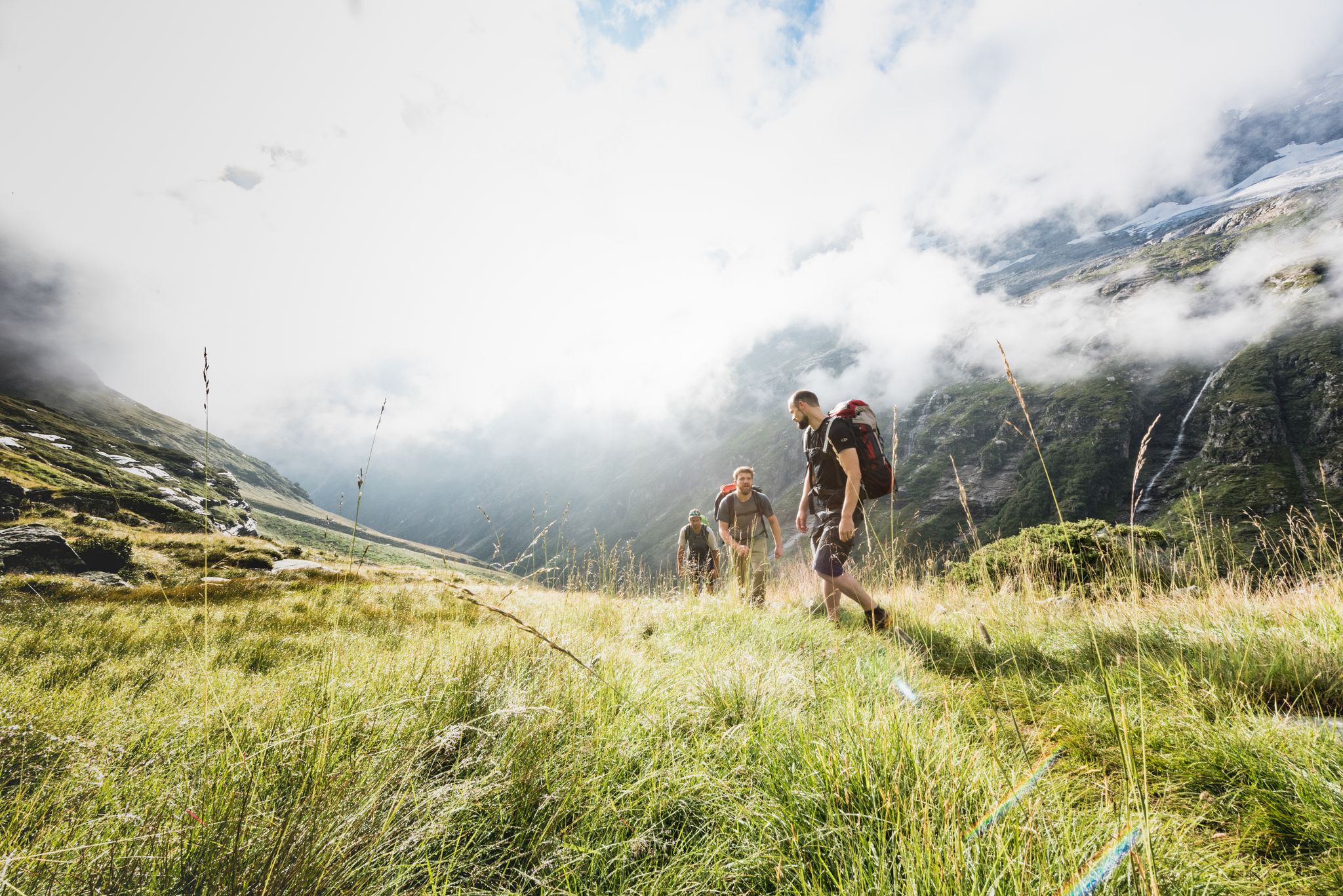
Over hill & dale – Viamala Hiking Paradise
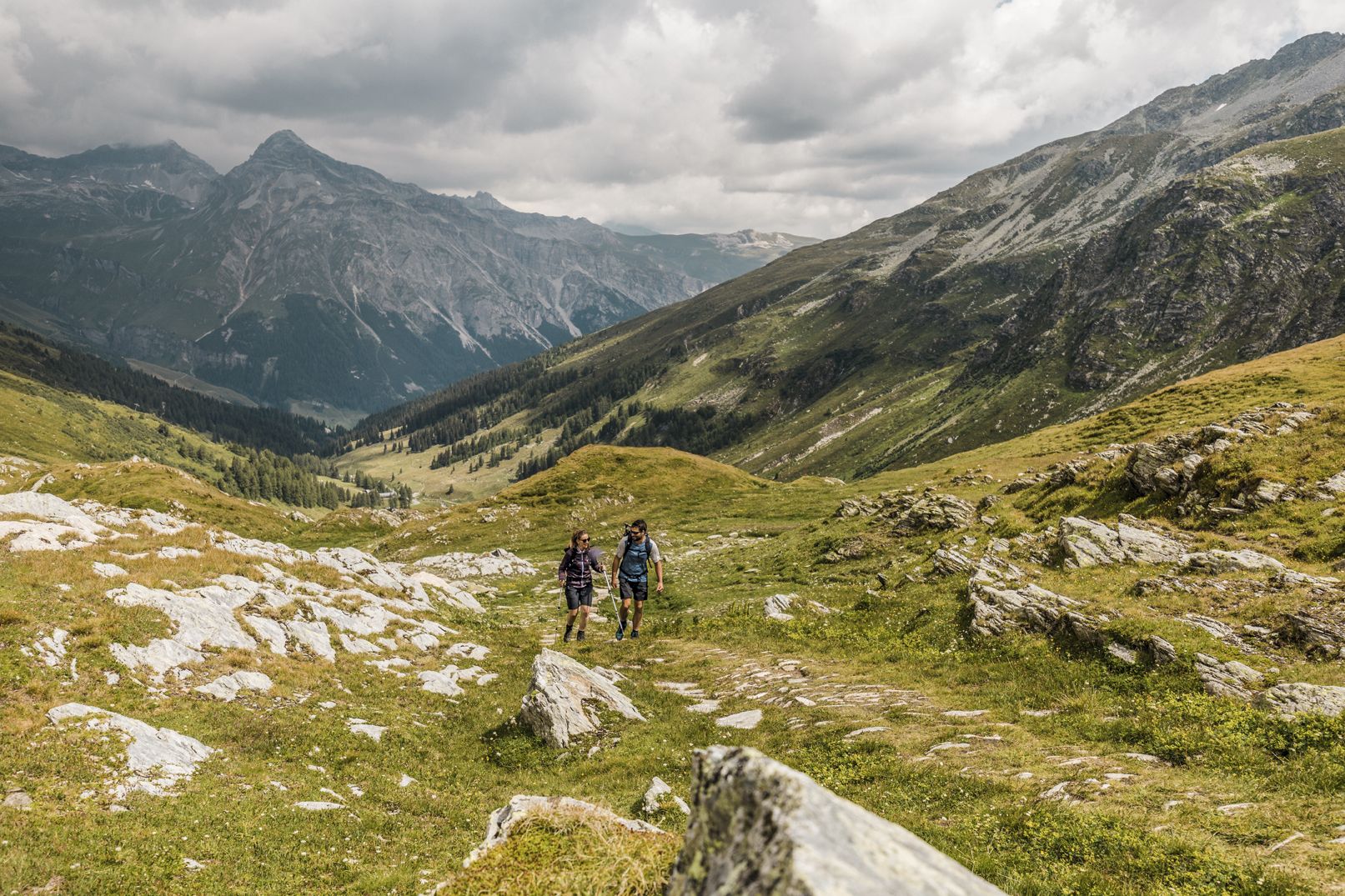
深い峡谷、滝とターコイズブルーの湖の間 - ヴィア・スプラーガ
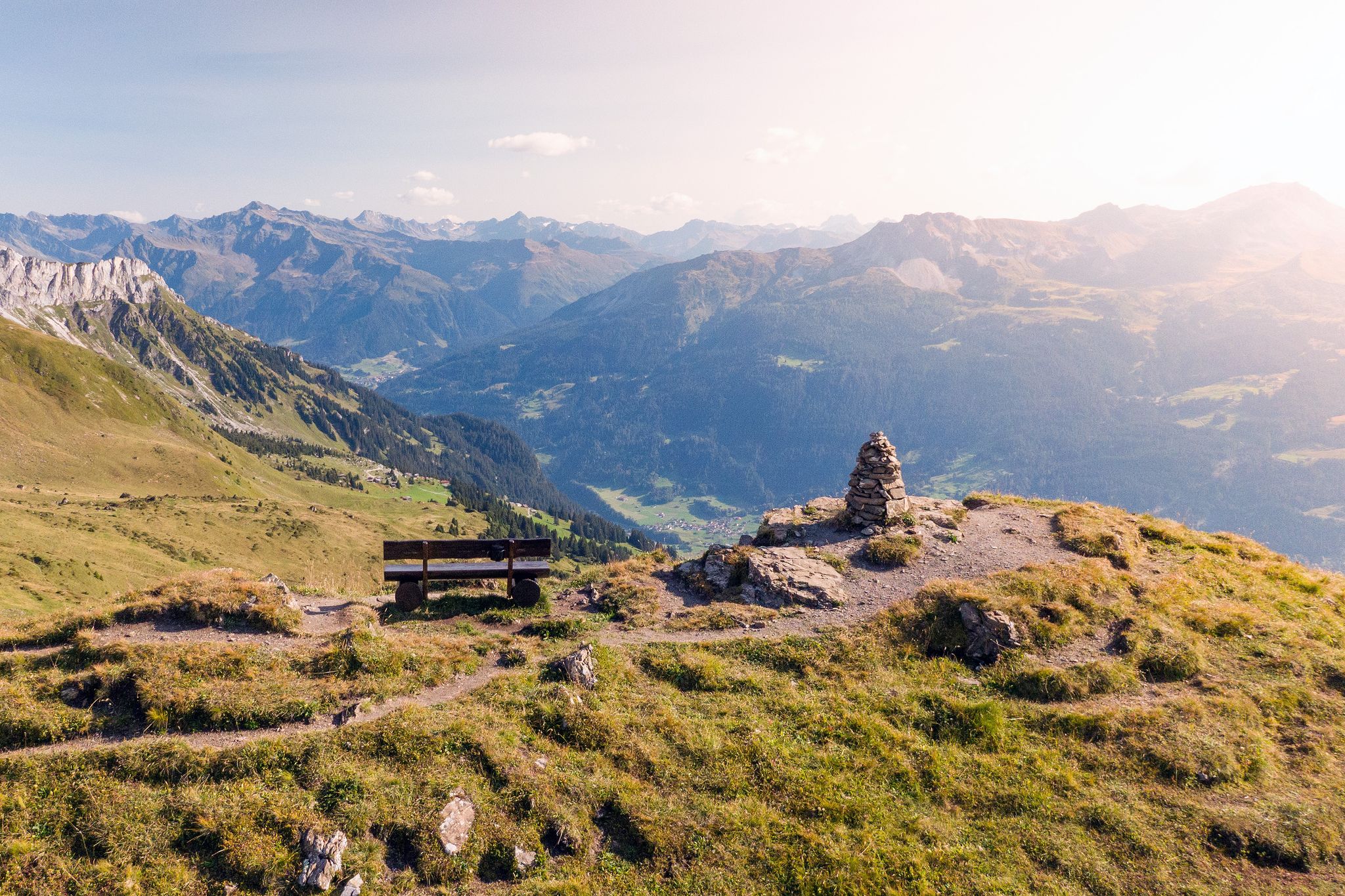
Long-distance hiking in the Grisons — 3 routes in Switzerland
On the viaSpluga from Thusis to Chiavenna
Viamala – a hiking paradise in the heart of the Grisons in Switzerland
シュプリューゲンでのの他の冒険


コミュニティからのヒント


Hotel Bodenhaus, Splügen in the Rheinwald The Bodenhaus has been the solitaire of Splügen since it was built in 1722. The building originally served as a storage room for transported goods, contained the post office and offered accommodation and food for travelers. In 1822 the Bodenhaus was converted into a comfortable hotel. The guest books contain famous names such as: Albert Einstein, Friedrich Nietzsche, Wilhelm Conrad Röntgen, William Turner, Napoleon III and Archduke Ferdinand Maximilian of Austria. Text / Source: Hôtel Bodenhaus, Splügen https://www.hotel-bodenhaus.ch/entdecken#:~:text=Das%20Bodenhaus%20ist%20seit%20seiner,zu%20einem%20komfortablen%20Hotel%20umgebaut.
17
0

Nice dirt road variant to reach Seebärga.
1
0
Easily accessible along a dirt road. Impressive view of Pizzo Tambo.
0
0
Steep but without difficulty. Here in winter the ski slope descends.
0
0
モンテスプルガ SO モンテスプルガの山村は、標高1908mに位置し、ヴァル・サン・ジャコモ(ヴァッレ・スプルガとも呼ばれる)の始まりにあり、スプルガ峠の峠から約3kmの地点にあります。この場所は、ピッツォ・タンボのようなこの地域の国境の頂の近く、ヴァル・サン・ジャコモとヴァル・ロガが出会う、水と牧草が豊富な盆地に形成されました。1927年、モンテスプルガの約2km南に位置するダムの建設により、トリエンテ・リロが村の下にあるモンテスプルガ湖にせき止められました。 峠道沿いの数軒の家、レストラン、ホテル、店、そして古い税関の建物「ラ・カーサ」があるこの村は、ほとんど変わっていません。1841年まで、ここにはスプルガ峠唯一の宿場と、唯一の礼拝堂であるサン・フランチェスコ・ダッシジ礼拝堂がありました。後者は、1822年のスプルガ峠の新道路完成後、1832年に奉献されました。すでに1767年には、スイスにおける教皇大使であり、後の枢機卿であるルイージ・ヴァレンティ・ゴンザーガが、宿場に小さな礼拝堂を設置する許可を与えていました。 サン・ベルナルディーノ・トンネルが開通して以来、峠は冬の間は閉鎖されています。3つの通り(ヴィア・ドガーナ、ヴィア・フェッレ、ヴィア・ヴァル・ロガ)で構成されるこの村は、イタリアとスイスの両方から孤立する可能性があります。 モンテスプルガは、周辺の山々への数多くのハイキング、登山、スキーツアーの出発点であり、国境を越える長距離遊歩道ヴィア・スプルガの通過地点でもあります。 テキスト/出典: wikipedia.org https://de.wikipedia.org/wiki/Montespluga
11
0
Splügen Pass / Passo dello Spluga The Splügen Pass has been proven to have been used since prehistoric times. There are also references to this in Roman times, e.g. the Itinerarium Antonini, a Roman road map from around 300 AD. The very close connections between the bishoprics of Chur and Como ran over the Splügen Pass. As early as 1396, there was evidence of significant customs revenues at Splügen. The expansion of the Viamala Gorge promoted its boom. The movement of goods was carried almost exclusively by packhorses, which meant frequent reloading. Transit traffic formed an important part of the flourishing economy. As late as 1798, the Austrian Field Marshal von Bellegarde wrote: "The largest train of goods from Milan to Germany goes over this pass, but mostly on horses and mules." Between 1818 and 1823, the first road that was passable for freight wagons and stagecoaches was built at the same time as the San Bernardino, and to a large extent it still follows the same route as it was then. After that, freight volumes and international passenger traffic over the Splügen increased several times over and reached their peak in the mid-1850s. The opening of the Alpine railways (1867 Brenner, 1872 Mont Cenis) had already reduced transit traffic over the Splügen. The opening of the Gotthard Railway in 1882 brought Graubünden transit traffic to a virtual standstill. A large wave of emigration was a direct result. The decades-long efforts to build a Splügen railway ultimately failed. The construction of the national road with a car tunnel at the San Bernardino opened up new perspectives. The Splügen Pass has been closed in winter since World War II. Text / Source: Interest Group for Alpine Passes IAP, PO Box 11, 6491 Realp https://www.alpen-paesse.ch/de/alpenpaesse/spluegenpass/
11
0

komootモバイルアプリでインスピレーションを得よう


さらに探索
他の地域の最高のMTBトレイルを見てみましょう。
