ヌフェネンのおすすめMTBライド
4.4
(180)
1,282
ライダー
44
ライド
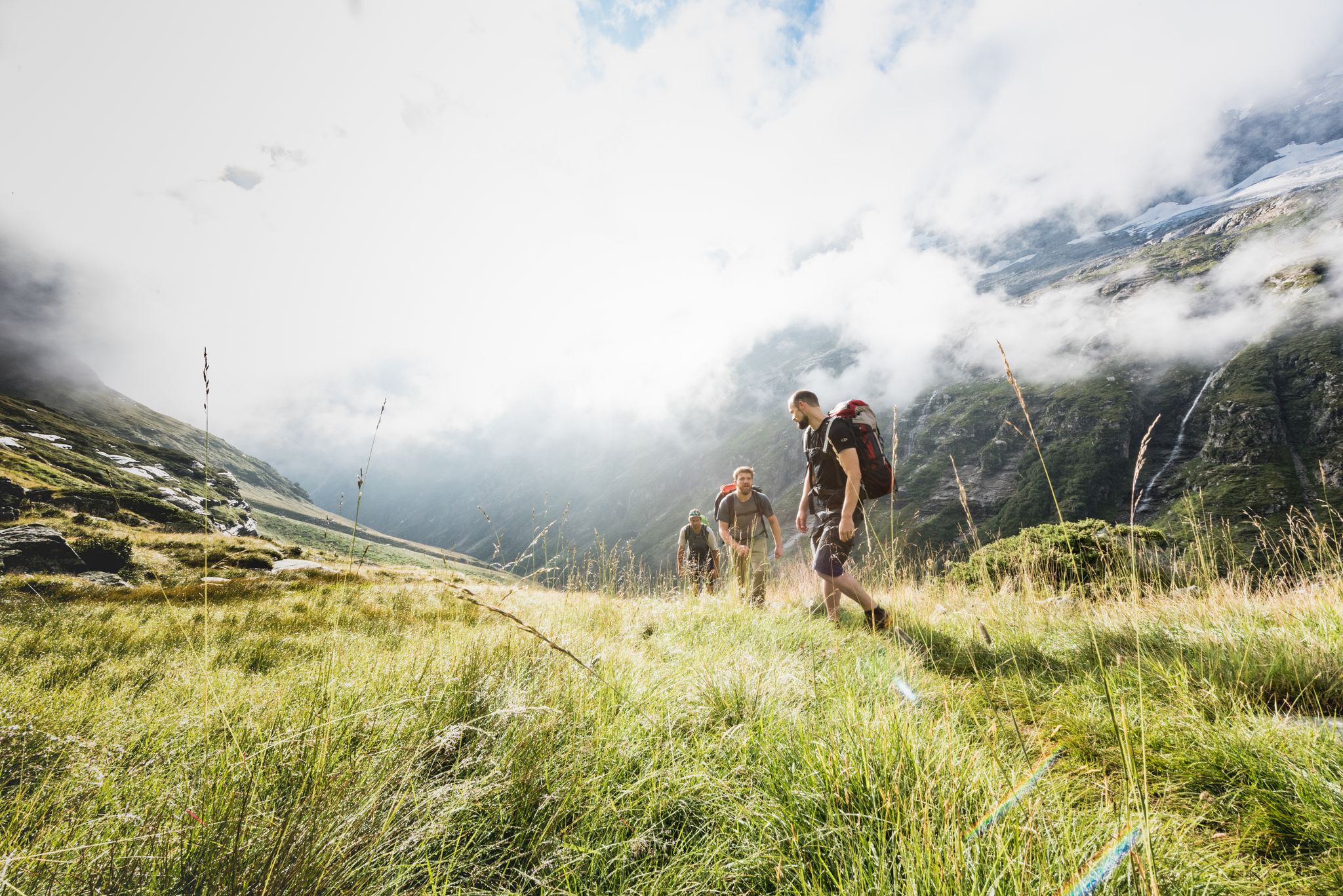
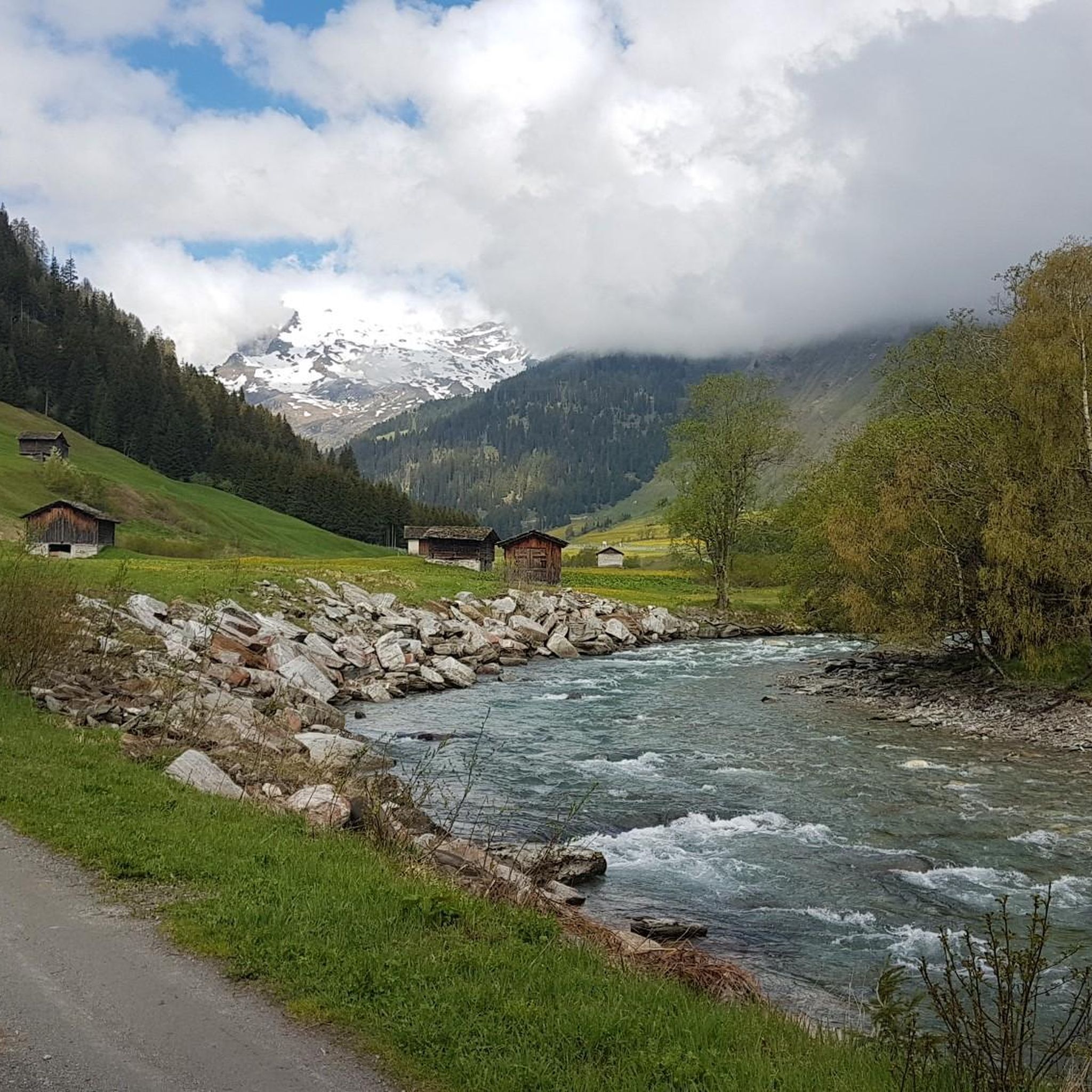
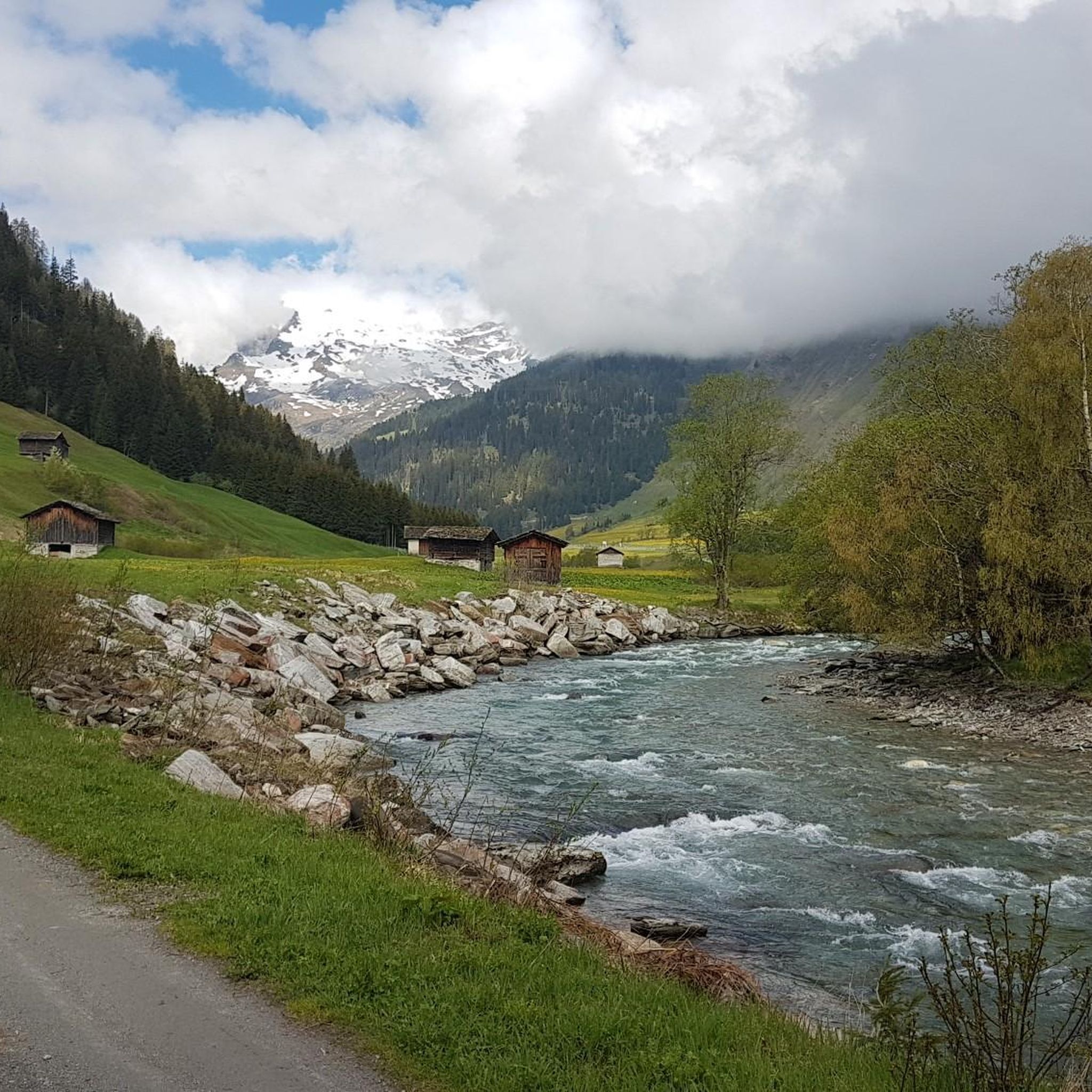
ヌフェネン周辺でのマウンテンバイクは、スイスアルプスの中心部で多様なアルペンの風景を提供します。この地域には、高山の草原、険しい岩場の斜面、静かな森林地帯を横断する挑戦的なトレイルがあります。標高2,478メートル(8,130フィート)のスイス最高峰のアルプス越えであるヌフェネン峠は、ドラマチックな背景を提供し、重要なダウンヒルの出発点となります。このエリアは、起伏に富んだ地形で知られる「サン・ゴッタルド・バイク・ラビリンス」の一部です。
ヌフェネン周辺のおすすめマウンテンバイクコース
- 最も人気のあるマウンテンバイクコースは、シュプリューゲン歴史村 – シュプリューゲン城跡ループ(シュプリューゲン発)です。これは22.6 km(14.0マイル)のコースで、所要時間は2時間22分です。シュプリューゲンからの挑戦的なループを提供します。
- 地元のマウンテンバイカーに人気のもう一つのコースは、ズフナー湖 – シュプリューゲン歴史村ループ(ヒンターライン発)です。これは35.9 km(22.3マイル)の難易度の高いコースで、ズフナー湖に向かってアルプスの風景の中を蛇行します。
- 地元のマウンテンバイカーに愛されているのは、シュプリューゲン歴史村 – シュターフェル・ヌルダグンループ(シュプリューゲン発)です。これは52.2 km(32.4マイル)のコースで、高山の草原や森林地帯を通り抜け、所要時間は約5時間40分です。
- ヌフェネン周辺のマウンテンバイクは、ドラマチックなアルプスの風景、高山の草原、険しい岩場の斜面が特徴です。このネットワークは、初級、中級、上級のルートオプションを提供し、さまざまなスキルレベルに対応しています。
- ヌフェネンのルートは、komootコミュニティから高く評価されており、100件以上のレビューで平均4.5つ星を獲得しています。1100人以上のマウンテンバイカーがkomootを利用して、ヌフェネンの多様な地形を探索しています。
最終更新日: 10月 21, 2026
4.8
(5)
54
ライダー
22.6km
02:22
860m
860m
難しいマウンテンバイクライド. ある程度のフィットネスレベルが必要です。 高度なライディングスキルが必要です。ツアーの一部で自転車を押して歩く必要があるかもしれません。
4.9
(7)
25
ライダー
52.2km
05:41
1,810m
1,810m
難しいマウンテンバイクライド. 標準以上のフィットネスレベルが必要です。 高度なライディングスキルが必要です。ツアーの一部で自転車を押して歩く必要があるかもしれません。

4.9
(8)
51
ライダー
23.7km
02:15
870m
870m
難しいマウンテンバイクライド. ある程度のフィットネスレベルが必要です。 高度なライディングスキルが必要です。ツアーの一部で自転車を押して歩く必要があるかもしれません。
3.8
(5)
28
ライダー
14.2km
01:45
670m
670m
難しいマウンテンバイクライド. ある程度のフィットネスレベルが必要です。 高度なライディングスキルが必要です。ツアーの一部で自転車を押して歩く必要があるかもしれません。
5.0
(9)
45
ライダー
36.1km
02:51
660m
660m
難しいマウンテンバイクライド. ある程度のフィットネスレベルが必要です。 高度なライディングスキルが必要です。ツアーの一部で自転車を押して歩く必要があるかもしれません。
さらに多くのルートや他のユーザーのおすすめ情報を確認できます。
すでにアカウントをお持ちですか?
おすすめのツアーは他のkomootユーザーが実際に経験した何千ものアクティビティに基づいています。
無料アカウントで今日から始めよう
次の冒険が待っています。

コミュニティからのヒント


Hotel Bodenhaus, Splügen in the Rheinwald The Bodenhaus has been the solitaire of Splügen since it was built in 1722. The building originally served as a storage room for transported goods, contained the post office and offered accommodation and food for travelers. In 1822 the Bodenhaus was converted into a comfortable hotel. The guest books contain famous names such as: Albert Einstein, Friedrich Nietzsche, Wilhelm Conrad Röntgen, William Turner, Napoleon III and Archduke Ferdinand Maximilian of Austria. Text / Source: Hôtel Bodenhaus, Splügen https://www.hotel-bodenhaus.ch/entdecken#:~:text=Das%20Bodenhaus%20ist%20seit%20seiner,zu%20einem%20komfortablen%20Hotel%20umgebaut.
17
0

Nice dirt road variant to reach Seebärga.
1
0
Easily accessible along a dirt road. Impressive view of Pizzo Tambo.
0
0
Steep but without difficulty. Here in winter the ski slope descends.
0
0
モンテスプルガ SO モンテスプルガの山村は、標高1908mに位置し、ヴァル・サン・ジャコモ(ヴァッレ・スプルガとも呼ばれる)の始まりにあり、スプルガ峠の峠から約3kmの地点にあります。この場所は、ピッツォ・タンボのようなこの地域の国境の頂の近く、ヴァル・サン・ジャコモとヴァル・ロガが出会う、水と牧草が豊富な盆地に形成されました。1927年、モンテスプルガの約2km南に位置するダムの建設により、トリエンテ・リロが村の下にあるモンテスプルガ湖にせき止められました。 峠道沿いの数軒の家、レストラン、ホテル、店、そして古い税関の建物「ラ・カーサ」があるこの村は、ほとんど変わっていません。1841年まで、ここにはスプルガ峠唯一の宿場と、唯一の礼拝堂であるサン・フランチェスコ・ダッシジ礼拝堂がありました。後者は、1822年のスプルガ峠の新道路完成後、1832年に奉献されました。すでに1767年には、スイスにおける教皇大使であり、後の枢機卿であるルイージ・ヴァレンティ・ゴンザーガが、宿場に小さな礼拝堂を設置する許可を与えていました。 サン・ベルナルディーノ・トンネルが開通して以来、峠は冬の間は閉鎖されています。3つの通り(ヴィア・ドガーナ、ヴィア・フェッレ、ヴィア・ヴァル・ロガ)で構成されるこの村は、イタリアとスイスの両方から孤立する可能性があります。 モンテスプルガは、周辺の山々への数多くのハイキング、登山、スキーツアーの出発点であり、国境を越える長距離遊歩道ヴィア・スプルガの通過地点でもあります。 テキスト/出典: wikipedia.org https://de.wikipedia.org/wiki/Montespluga
11
0

komootモバイルアプリでインスピレーションを得よう


さらに探索
他の地域の最高のMTBトレイルを見てみましょう。
