バリャドリッドのおすすめライド
4.4
(134)
8,835
ライダー
320
ライド
このガイドでご紹介するのは、komootがバリャドリッドでのロードバイクルートのコレクション全体を評価して選び抜いた、このエリアの人気バイクライドです。あなたに合ったものを見つけるには、以下のルートをクリックして標高データや舗装状態の分析などの細かな情報を把握し、さらにkomootコミュニティのメンバーが投稿した役立つ情報や写真も閲覧しましょう。
最終更新日: 10月 10, 2026
4.5
(6)
185
ライダー
71.2km
03:11
450m
440m
This moderate 44.3-mile road cycling route from Valladolid explores historical Simancas and Tordesillas, offering scenic views along the Due
3.0
(1)
115
ライダー
111km
04:45
840m
840m
Cycle 69.2 miles through Castilian landscapes, passing historic castles and ancient churches on this moderate circular route.

98
ライダー
70.0km
03:02
370m
370m
中程度のロードライド. ある程度のフィットネスレベルが必要です。 全般的に舗装状態が良好で走行しやすい道です。
4.9
(7)
85
ライダー
62.0km
02:36
430m
430m
This moderate 38.5-mile road cycling route from Tordesillas explores the rural landscapes and historical sites of Torrelobatón, Castrodeza,
41
ライダー
92.1km
03:53
630m
630m
Cycle 57.2 miles through Valladolid's wine country, visiting Castillo de Villafuerte and Pesquera de Duero on this moderate route.
20
ライダー
97.1km
04:04
560m
560m
This moderate 60.3-mile road cycling route from Valladolid explores historical sites and agricultural landscapes around Wamba, Torrelobaton,
15
ライダー
66.9km
02:40
280m
280m
中程度のロードライド. ある程度のフィットネスレベルが必要です。 全般的に舗装状態が良好で走行しやすい道です。
5.0
(1)
15
ライダー
53.3km
02:14
320m
320m
中程度のロードライド. ある程度のフィットネスレベルが必要です。 全般的に舗装状態が良好で走行しやすい道です。
16
ライダー
39.0km
01:41
220m
220m
Cycle a moderate 24.2-mile loop from Tudela de Duero, exploring the Duero Valley and the historic Castillo de Portillo.
15
ライダー
37.0km
03:17
180m
180m
中程度のロードライド. ある程度のフィットネスレベルが必要です。 全般的に舗装状態が良好で走行しやすい道です。
さらに多くのルートや他のユーザーのおすすめ情報を確認できます。
すでにアカウントをお持ちですか?
おすすめのツアーは他のkomootユーザーが実際に経験した何千ものアクティビティに基づいています。
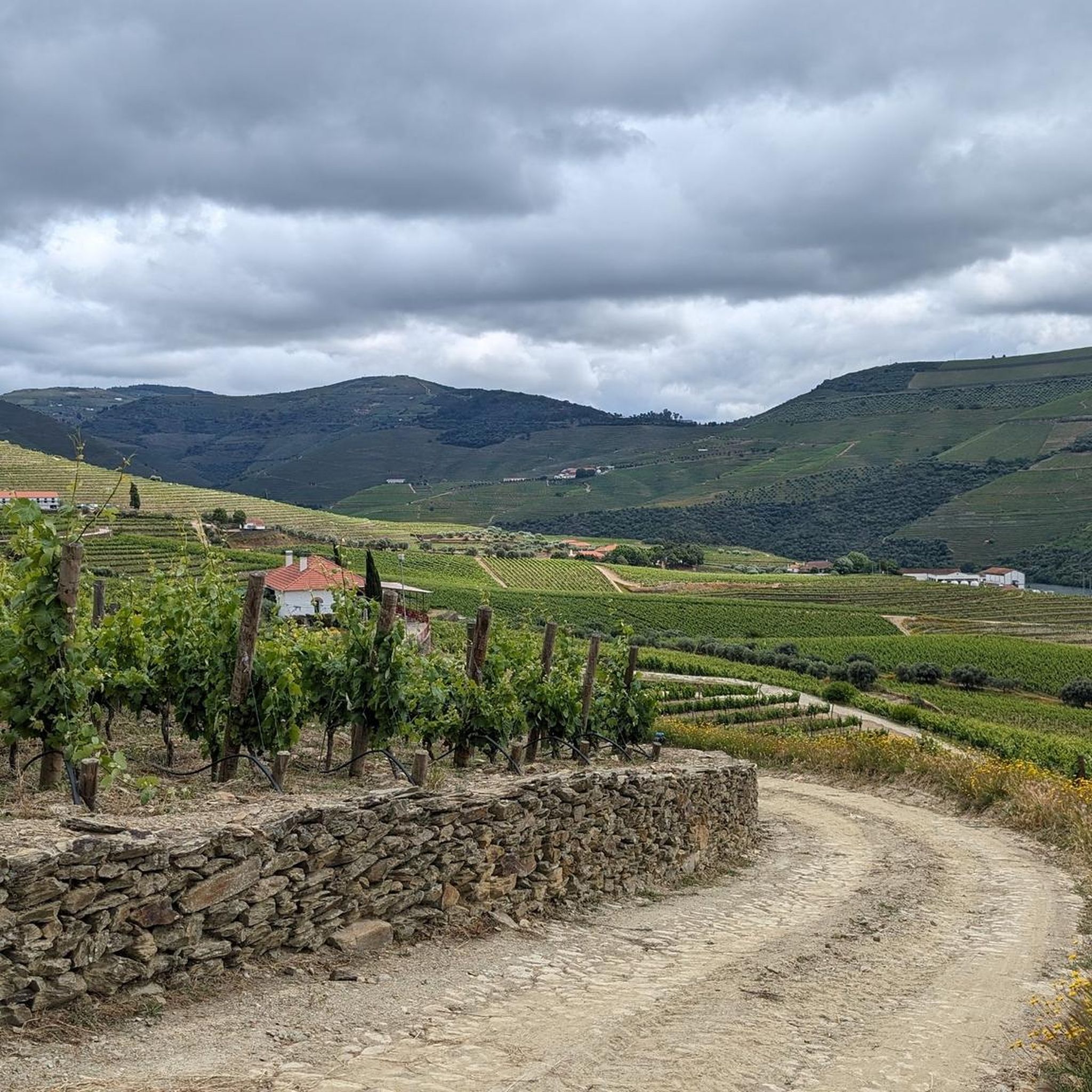
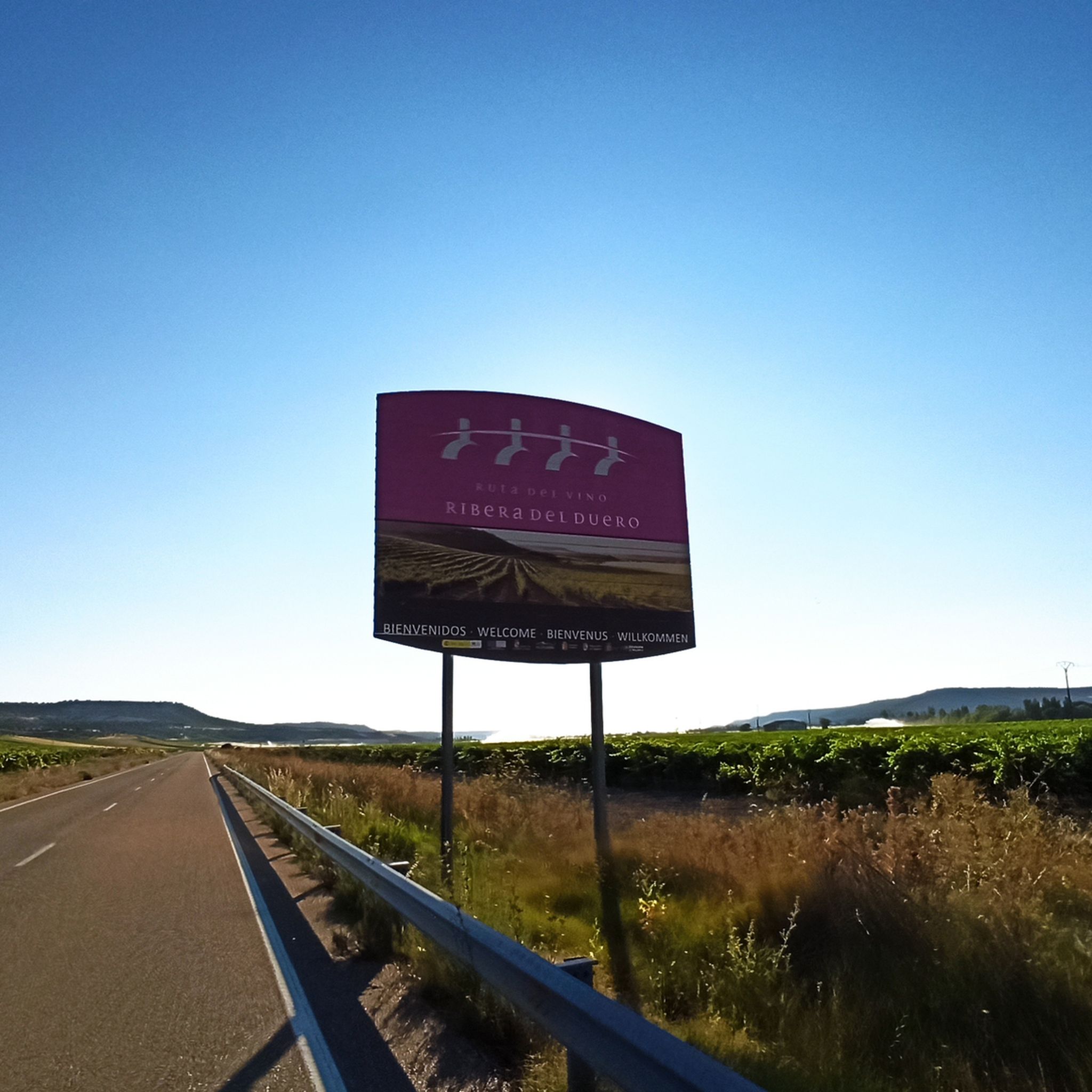
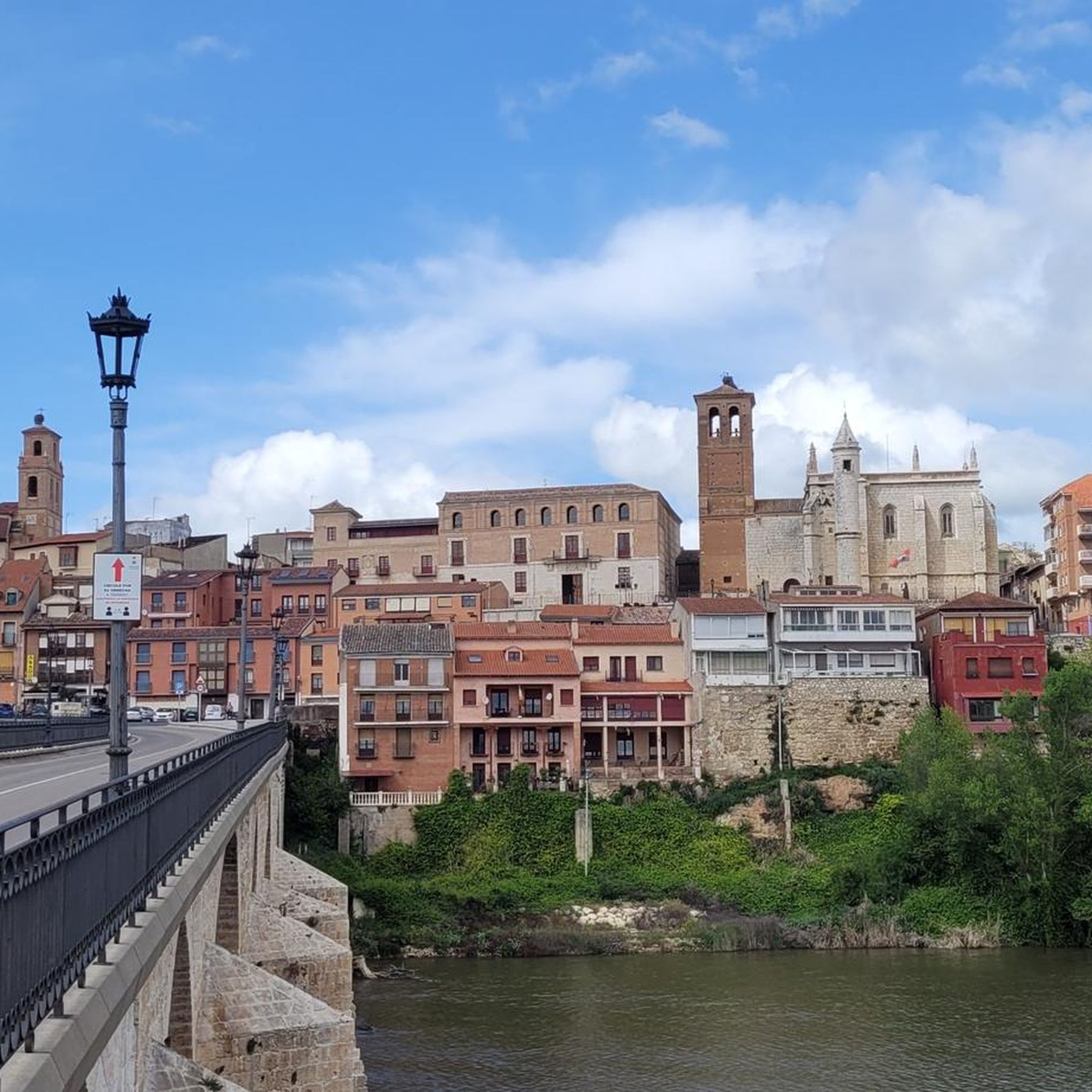
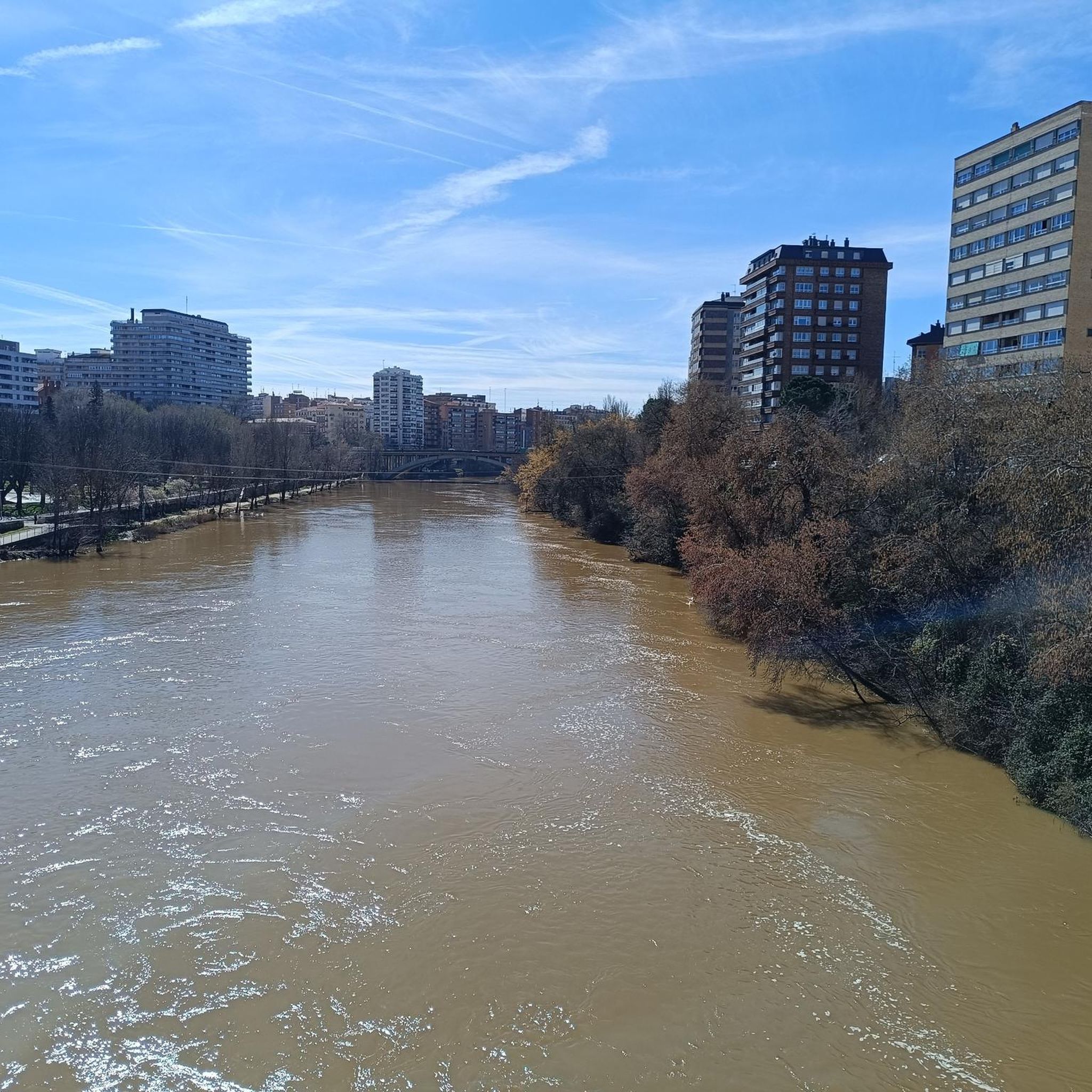
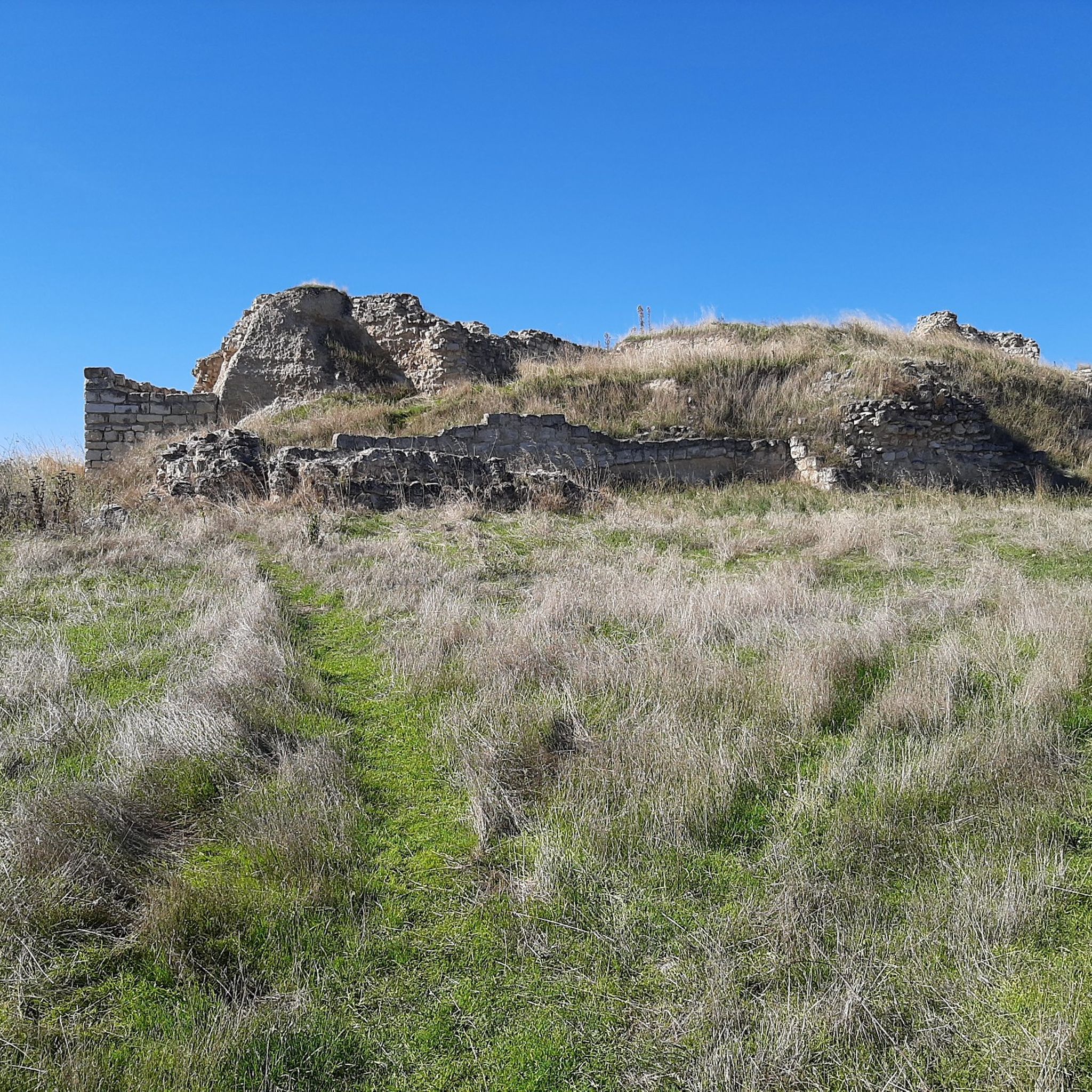
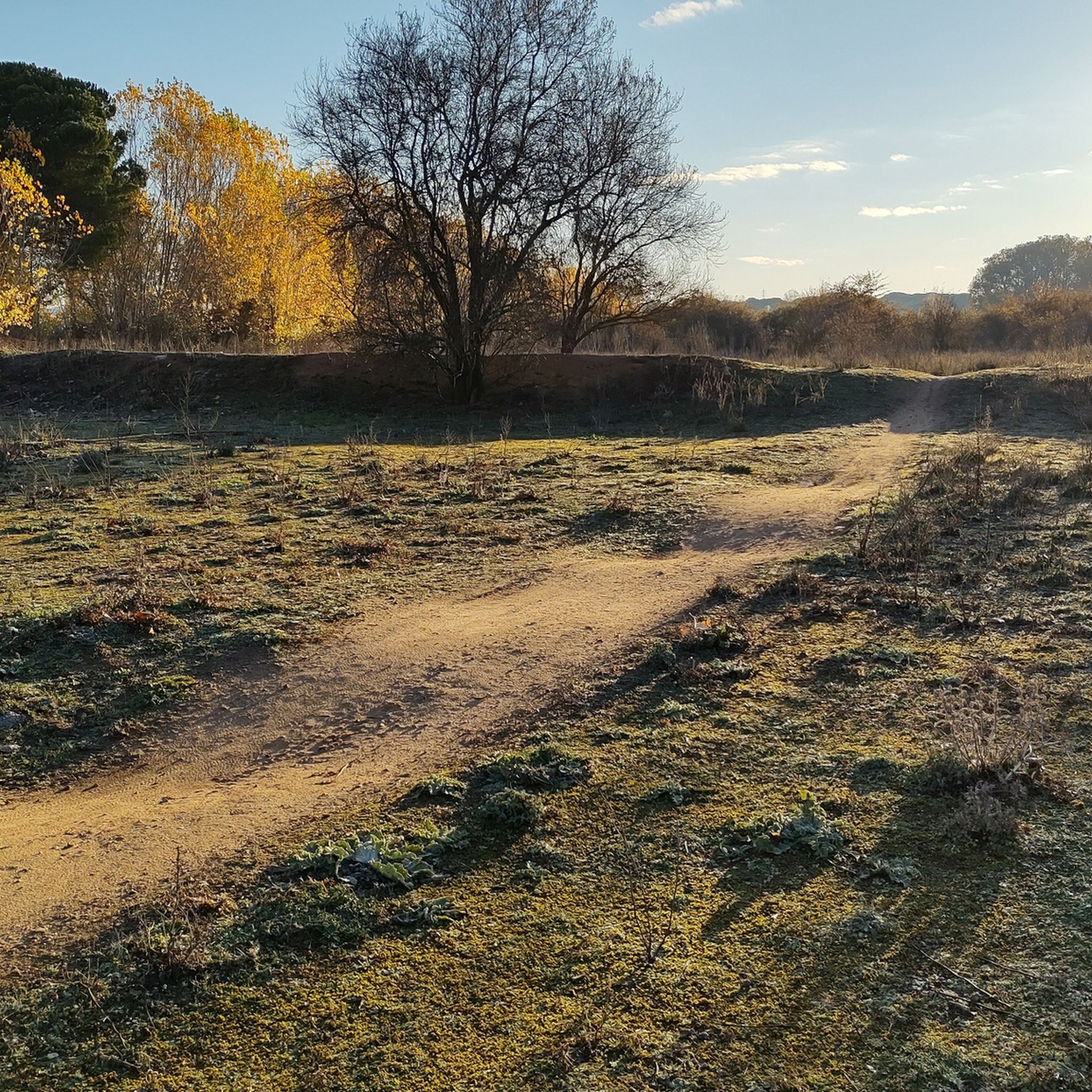


コミュニティからのヒント

Declared a Site of Cultural Interest (BIC) on December 7, 1983, this church is located in the heart of Tordesillas (Valladolid), one of the town's most iconic landmarks and the largest in the entire municipality. It is believed to have been built on the site of the former Tordesillas mosque. The main construction took place between the 16th and 17th centuries, with additions continuing into the 18th century. The church combines Gothic elements (the apse and the lower sections of the tower) with Neoclassical renovations inspired by El Escorial. Today, it serves as the headquarters for several Holy Week brotherhoods, housing processional floats such as the Virgin of Solitude and the Christ of Mercy.
5
0
The Church of Our Lady of the Assumption in Rueda (Valladolid) is a prominent 18th-century Baroque church that, together with its Renaissance tower, shines in the heart of the town. It was designed by the architect Manuel Serrano and built in the mid-18th century; the main portal and altarpiece are attributed to Pedro de Sierra. The five-tiered tower dates from the earlier Renaissance construction and was preserved in the new structure. Declared a Site of Cultural Interest (monument) on October 17, 2013.
2
0

The Plaza Mayor of Tordesillas was built in the 17th century as a perfect square, accessible from four streets. It features arcades, and the houses are two stories high, leaving space on the ground floor for shops, bars, and restaurants. The facades have large windows and balconies, ideally designed for viewing the various performances that have taken place there throughout history. Among other important buildings, the Town Hall is located in the plaza.
9
0
The building, constructed between the 16th and 18th centuries, began in the Gothic style and finished in the Neoclassical. Another striking feature is its tower, the tallest in the city. The Baroque-era organ is considered one of the finest in the region, both for its design and its state of preservation.
6
0

High on a hill near Urueña stands this Romanesque hermitage of Mozarabic origin, one of the most unique in Castile and León. What few know is that beneath its floor were found Visigothic pottery fragments and a small well used to collect rainwater, considered blessed. Local shepherds said that this water cured eyesight if applied at dawn. Today, the well remains, covered by a slab, and the hermitage continues to hold its air of mystery among the golden stones of the moor.
0
0
The Bodegas neighborhood of Mucientes, especially the one known as Cuarto de San Pedro, is one of the most unique ethnographic sites in Castile and León. The construction of wine cellars began outside the town center in the 16th century, as a measure to avoid risks within the town. In Mucientes, there are more than 200 underground wine cellars, mainly grouped in the neighborhoods of San Antón and San Pedro.
1
0

good walk
0
0

バリャドリッドでのの人気観光スポット

komootモバイルアプリでインスピレーションを得よう


探していたものは見つかりませんでしたか?
バリャドリッドの下にある他のロードサイクリングルートをチェックして、目的地で完璧なルートを見つけましょう。
