ペパンステの洞窟・トップ20
ハイキングの途中で偶然見つけた場合でも、ガイドブックに沿ってたどり着いた場合でも、いつも特別な体験をもたらしてくれる城。ペパンステには訪れるべき 20
の美しい城があります。一覧から行きたい城を見つけて、次の冒険では歴史にも触れてみましょう。
最終更新日: 10月 17, 2026
フランシモン城跡
ハイライト • 城
翻訳者 Google •
役立つ情報 は

クレルモン=シュル=ベルウィンヌ村中心部
ハイライト • 集落
The entire town center is worth seeing, but especially the church from 1695 dedicated to Saint James the Elder, the …
翻訳者 Google •
役立つ情報 は

今すぐサインアップして、こんな場所を発見しよう
最高のシングルトラック、ピーク、その他のエキサイティングなアウトドアスポットのおすすめを受け取ろう。
ランブールの歴史的中心地
ハイライト • 歴史的な場所
翻訳者 Google •
役立つ情報 は

フォール・バティス記念碑
ハイライト • 歴史的な場所
Viewing possible, see link, on the photos you can see block 1, which is a reminder and monument of Belgium.
翻訳者 Google •
役立つ情報 は

ドメーヌ・シャトー・ド・ディユパール
ハイライト • 城
Framed by an avenue of protected purple beech trees, the Château de Dieupart presents itself in a significantly altered …
翻訳者 Google •
役立つ情報 は

無料でサインアップして、さらに多くの城を発見しましょう ペパンステでの。
すでにアカウントをお持ちですか?
無料アカウントで今日から始めよう
次の冒険が待っています。


コミュニティからのヒント


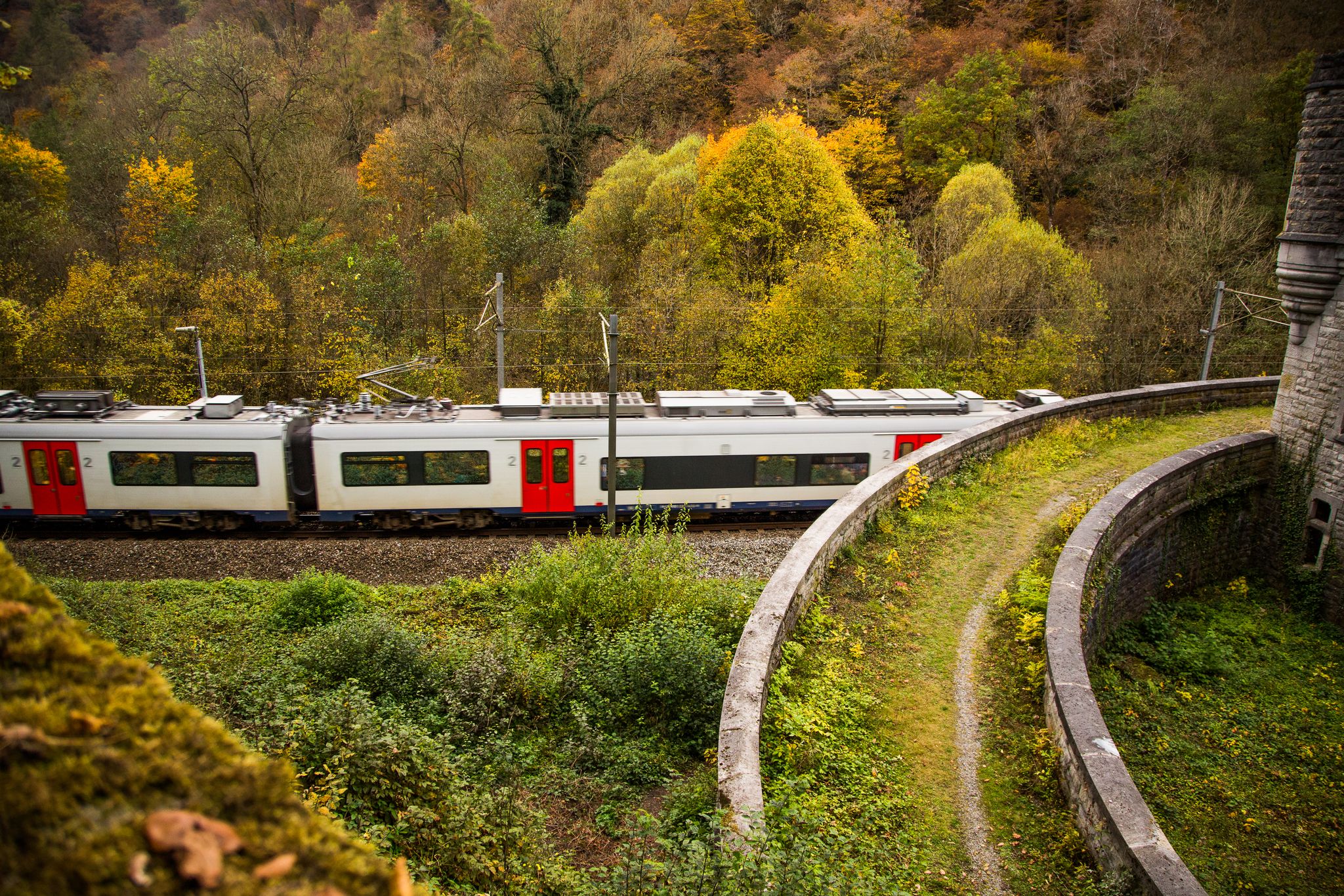
The following information is taken from an information panel on site: Framed by an avenue of protected purple beech trees, the Château de Dieupart presents itself in a significantly altered form today. Nevertheless, it retains an impressive late 17th-century façade on its southwest side, constructed of sandstone and limestone rubble. Some original architectural elements are still recognizable, including tall, round-arched windows on the ground floor and characteristic relieving arches. The history of the site begins in the 15th century, when an ironworks with a blast furnace and forge developed here. In 1889, parts of these old facilities were converted into a power station. Later, the château was repurposed and transformed into a camping and caravanning center. On the heights above Dieupart, there once stood another château, the "Vieux-Jardin" (Old Garden). This medieval structure no longer exists; it was destroyed in 1286 by John I of Brabant. According to legend, some of the limestone blocks used in the Church of Saints-Anges in Dieupart came from this former fortress. Remnants of the structure can still be found in the woods above the southern slope of Dieupart. The Château de Dieupart has been a listed historical monument since December 11, 1986.
45
0

Nice place for a coffee stop! The Château also has a campsite with Dutch owners, hence the fact that you will also find bitterballen on the menu of the chateau.
3
0
The castle's origins date back to the 11th century. It was first documented in 1155, but the first buildings probably date back to the time of Bishops Henry of Verdun (1075–1091) and Otbert (1091–1119). As one of twelve residences of the Prince-Bishop of Liège, it served to defend the eastern border of the principality.
35
0

Limburg but in Liège, with a big dash of history...
15
1


This former town hall, built between 1681 and 1687, hosts exhibitions and houses a model of Limburg from the year 1632. The portal is decorated with a shield of the Burgundian cross. In the basement you will find one of the oldest seals in the city.
6
0

komootモバイルアプリでインスピレーションを得よう


さらに探索
他の場所で最高の城を探していますか?他のガイドを発見しましょうペパンステでの:
