ロッドのおすすめウォーキング&ハイキングルート
4.5
(714)
3,153
ハイカー
134
ハイキング
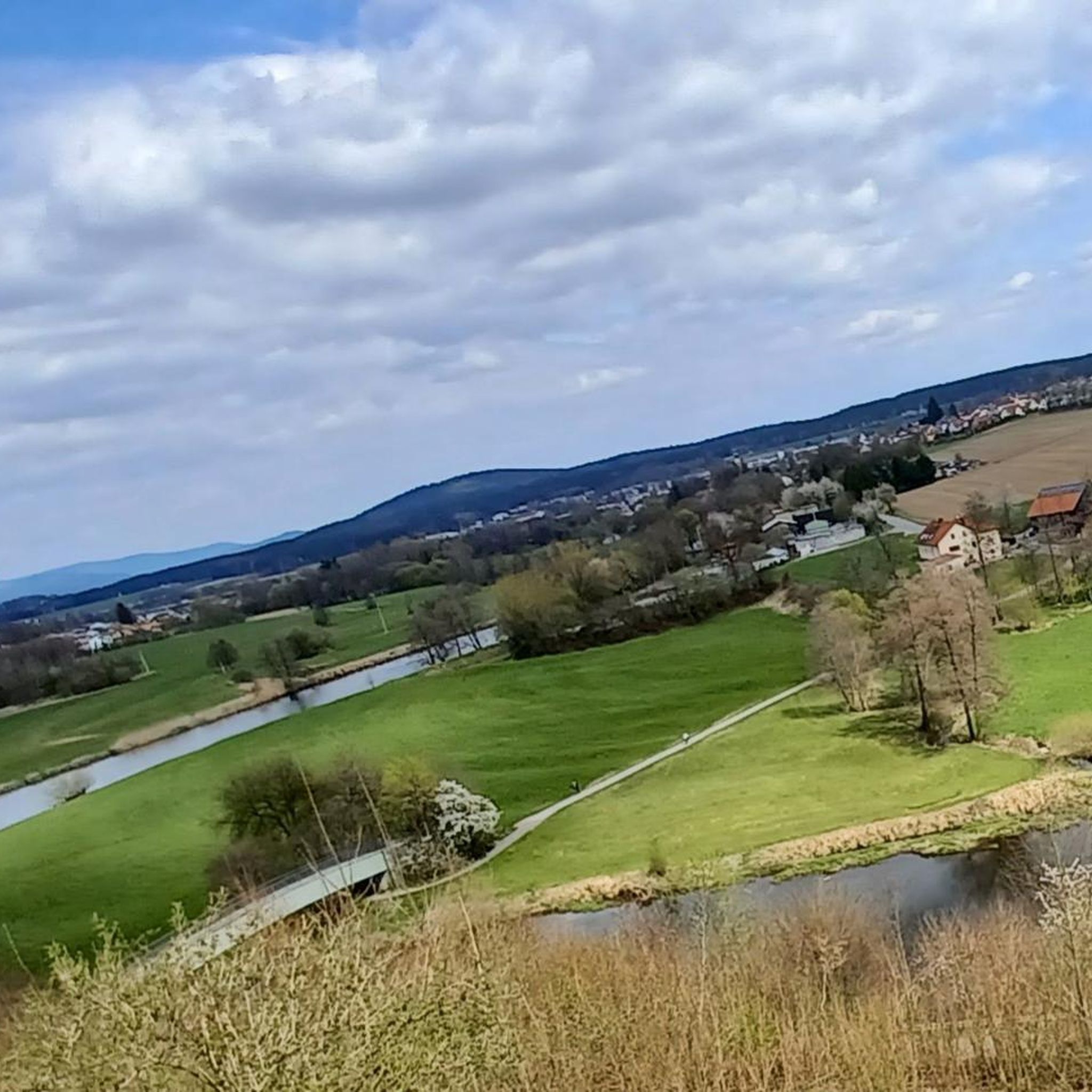
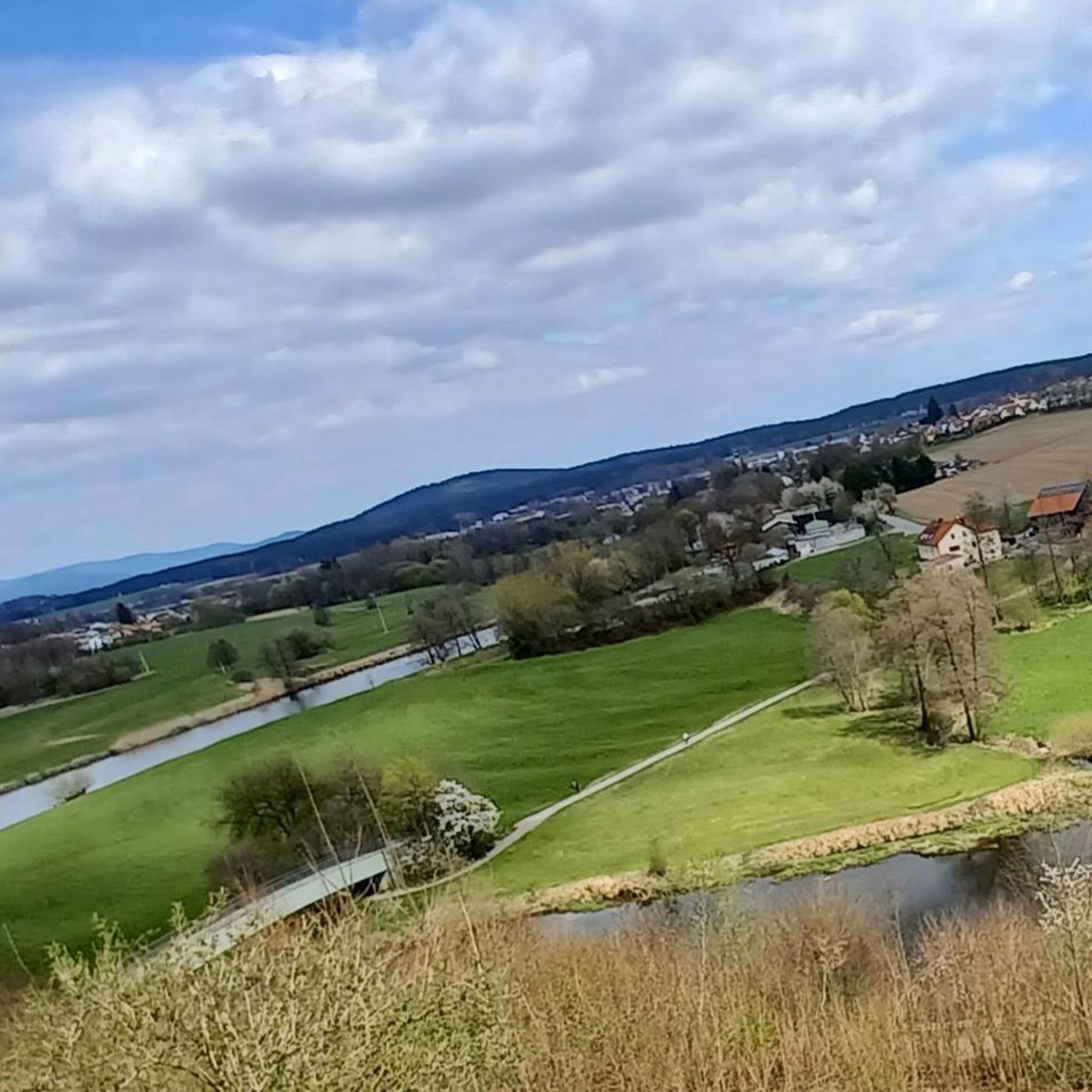
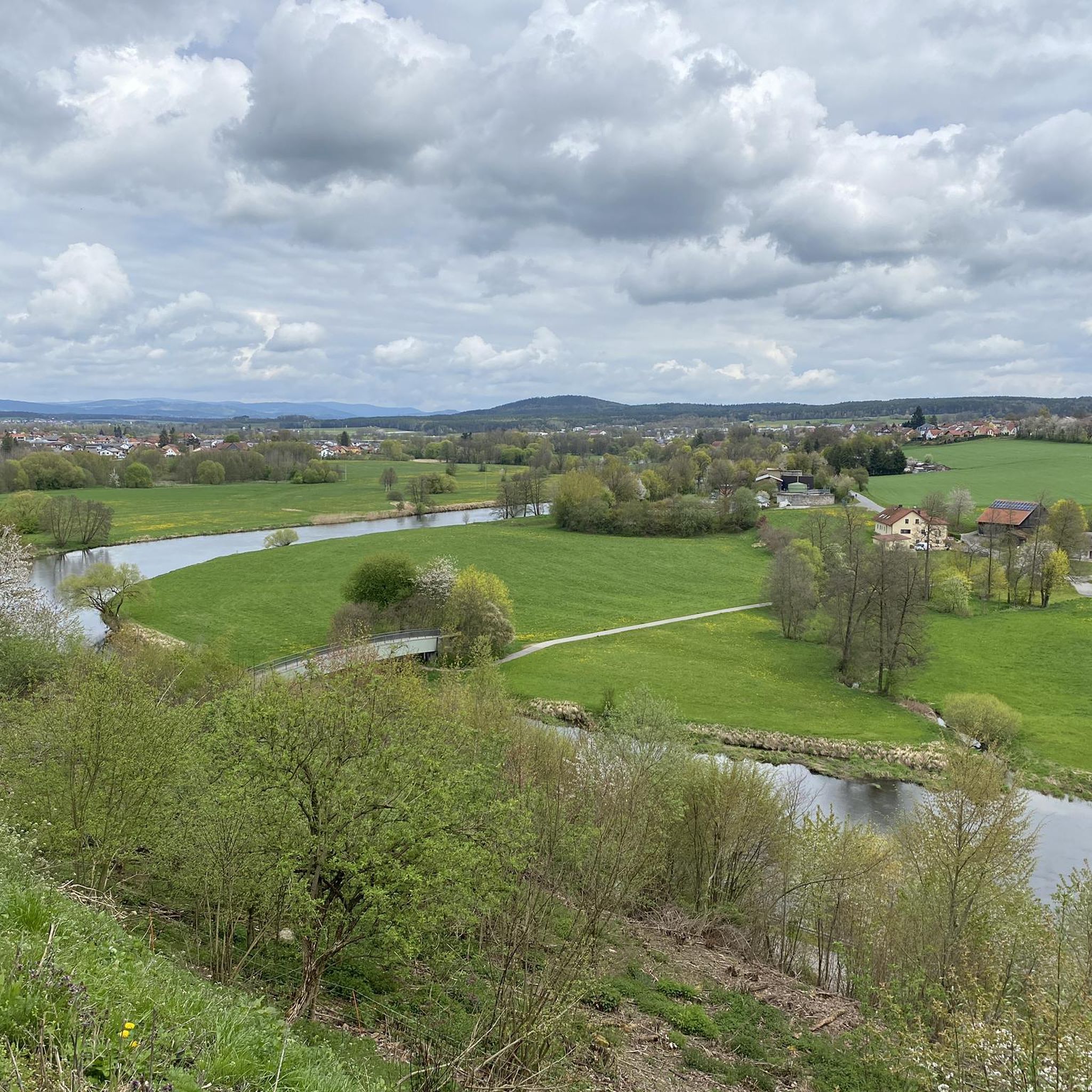
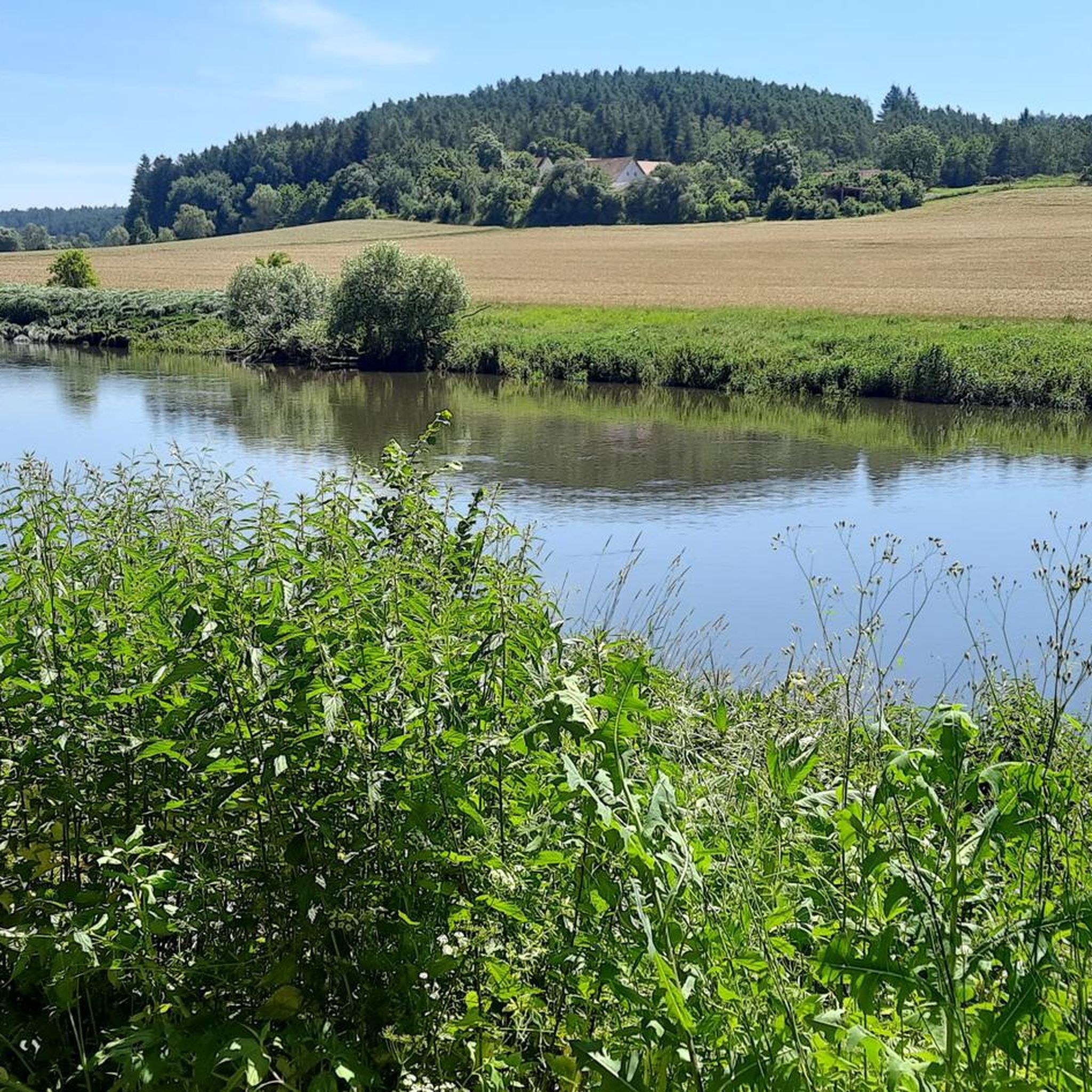
ドイツのローディング(Roding)周辺のハイキングは、アウトドア愛好家に多様な景観を提供します。この地域は、川沿いの散策を楽しめる風光明媚なレーゲン川(Regen River)と、アウトドアアクティビティの中心地である静かなノイバウアー湖(Neubäuer Lake)が特徴です。変化に富んだ地形には、木々が生い茂る丘陵地帯や森が含まれており、ゆったりとした散歩からより本格的なハイキングまで、さまざまな体験ができます。このエリアには、さまざまな体力レベルに適した、よく整備されたトレイルネットワークがあります。
ローディング周辺のベストハイキングトレイル
- 最も人気のあるハイキングコースは、ノイバウ(Neubäu)から始まる3.2マイル(5.1km)のイージートレイル、「ノイバウアー・ヴァイハー・フォレスト・プレイグラウンド – ノイバウアー池ループ」で、所要時間は1時間18分です。このループはノイバウアー池周辺を巡ります。
- 地元のハイカーに人気のもう一つのコースは、ローディング(Roding)から始まる5.9マイル(9.5km)のミディアムトレイル、「レーゲン川トレイル – ヴァルトヒルシュ・イン・ハイルブリュンル・ループ」です。このルートはレーゲン川に沿っており、かなりの標高差があります。
- 地元のハイカーには、ノイバウ・アム・ゼー(Neubäu am See)から始まる4.4マイル(7.1km)のトレイル、「ノイバウアー湖 – ノイバウアー池ループ」も人気です。このコースはノイバウアー湖周辺の景観を通り抜け、所要時間は約1時間48分です。
- ローディング周辺のハイキングは、レーゲン川、ノイバウアー湖、そして広大な木々の丘陵地帯によって特徴づけられます。このネットワークは、イージー、ミディアム、ハードのトレイルオプションを提供し、さまざまなレベルの能力に対応しています。
- ローディングのルートは、600件以上のレビューから平均4.5つ星という高評価をkomootコミュニティから受けています。2,800人以上のハイカーがkomootを利用して、ローディングの多様な地形を探索しています。
最終更新日: 9月 24, 2026
4.5
(182)
673
ハイカー
5.08km
01:18
20m
20m
初級者向けハイキング. あらゆるフィットネスレベルに適しています。 進みやすいルートです。あらゆるスキルレベルに適しています。
4.4
(146)
501
ハイカー
7.06km
01:48
20m
20m
初級者向けハイキング. あらゆるフィットネスレベルに適しています。 進みやすいルートです。あらゆるスキルレベルに適しています。

4.7
(28)
111
ハイカー
9.30km
02:38
200m
200m
中程度のハイキング. ある程度のフィットネスレベルが必要です。 進みやすいルートです。あらゆるスキルレベルに適しています。
4.6
(19)
98
ハイカー
12.2km
03:22
200m
200m
中程度のハイキング. ある程度のフィットネスレベルが必要です。 進みやすいルートです。あらゆるスキルレベルに適しています。
4.2
(21)
110
ハイカー
4.85km
01:15
20m
20m
初級者向けハイキング. あらゆるフィットネスレベルに適しています。 進みやすいルートです。あらゆるスキルレベルに適しています。
さらに多くのルートや他のユーザーのおすすめ情報を確認できます。
すでにアカウントをお持ちですか?
おすすめのツアーは他のkomootユーザーが実際に経験した何千ものアクティビティに基づいています。
無料アカウントで今日から始めよう
次の冒険が待っています。
コミュニティからのヒント

MTBでも走行可能ですが、注意して、自分の能力を過大評価しないでください。🚵
0
0


Church of Our Lady of the Nativity Around 1500, Count Fürstenberg built a castle, which presumably stood in the current village center of Neubäu. A wooden chapel was built under the caretaker Hans Georg Rotenthan after 1599. It was expanded with an annex in 1806. Neubäu belonged to the parish of Neukirchen-Balbini. Since 1817, a cooperator was responsible for pastoral care in Neubäu, thus making Neubäu a branch of Neukirchen-Balbini. In 1900, Johann Müllbauer, the parish priest of Neubäu, asked the bishop for permission to build a new church. After the foundation stone was laid by Pastor Christian Wimmer, the church was built in the Neo-Romanesque style. The architect was Johann Baptist Schott from Munich. The sandstone blocks were brought from the nearby Schwärzenberg mountain by manual labor and haulage. Despite a minor accident, construction progressed rapidly. The new church was completed in 1901. On July 20, 1907, Bishop Antonius Henle ceremoniously consecrated the new church. The church consists of a nave crossed by a transept, a church tower to the west, and a semicircular apse to the east. Its walls are articulated externally with pilaster strips and arched friezes. The top square story of the church tower houses the clock tower, while the octagonal one above, behind the bell tower arcades designed as bifora, houses the belfry, in which four church bells hang. A pointed helmet sits on top. The interior is spanned by a groined vault. The transverse arches rest on consoles. The church furnishings date from the time of construction. On the high altar, we see the crucified Jesus with Mary and John; above the crucifixion group, a pelican can be seen. According to legend, the pelican gives its blood to feed its young; this was seen as a symbol of Jesus Christ, who gave his life for us. The left side altar depicts the Sacred Heart motif, while the right side altar depicts the Holy Family. The baptismal font stands in front of the right side altar. In the vault of the apse, Christ the Judge of the World greets the high altar, filled with light and splendor. In the organ loft, Christ is depicted as the "Good Shepherd" surrounded by the four evangelists. Three special images of the Virgin Mary were retained from the old church: the image of the "Mother of God," the image of the "Heart of Mary," and the image of "Mary Help." Source: Information panel and excerpts from www.wikipedia.de
2
0
Franz Sackmann Bridge The bridge is named after Franz Sackmann. He was born on December 17, 1920, in Roding. He moved to Munich in 1933. He graduated from high school in 1939 and then began studying chemistry at the University of Munich. From January 1940, he served as a soldier, almost exclusively at the front, including Stalingrad. He was wounded four times and received numerous decorations. He was a reserve lieutenant. He escaped from Russian captivity in 1945. In 1945, he became a founding member of the CSU and the Junge Union (Young Union). He continued his chemistry studies in 1946; he passed the state examination in 1951. From 1951, he was a member of the CSU state executive committee; from 1950 to 1953, he was executive chairman of the CSU Munich. From 1952 to 1956, he was the state chairman of the Junge Union, and from 1956 to 1961, he was a member of the federal executive committee of the Junge Union of Germany. From 1956, he was the district administrator of the Roding district. He spent time studying politics in the USA, Italy, France, England, and Switzerland. He was a member of the Board of Trustees of the German Research Institute. Since December 5, 1966, he has been State Secretary in the State Ministry for Economic Affairs and Transport. He has been a member of the Bavarian State Parliament since 1954. Franz Sackmann died on October 14, 2011, in Roding. Source: www.bayern.landtag.de
3
0
Blue Grotto It is not a Marian cult site, as is often assumed. It began as a love affair, the love of a Rodinger – he later even became mayor – for a beautiful young girl named Maria Zimmerer. Unfortunately, this girl died of appendicitis at a very young age and is buried in Munich, where she had been employed. In 1929, the enamored Rodinger erected this statue in memory of his beloved, carved from sandstone by the stonemason Hofinger from Oberkreith. There was no road to the grotto at that time. So the statue and all the materials had to be transported by boat across the Regen River from Wiesing. "Dieß'n Wack" was involved in its installation and also immortalized himself with a small painting to the left of the statue. The pastor of Roding at the time had concerns about the grotto, arguing that the statue might be considered a Marian cult site and thus harm the Heilbrünnl (Holy Spring). But this concern was unfounded. In 1977, the Roding-Mitterdorf Hiking Club built a footbridge around the grotto to Fischerwinkel, making it easily accessible on foot. Members of the Wiesing Volunteer Fire Department have thinned out the trees and bushes in front of the grotto to provide a better view from Wiesing. Source: Local information
1
0
Blue Grotto It is not a Marian cult site, as is often assumed. It began as a love affair, the love of a Rodinger – he later even became mayor – for a beautiful young girl named Maria Zimmerer. Unfortunately, this girl died of appendicitis at a very young age and is buried in Munich, where she had been employed. In 1929, the enamored Rodinger erected this statue in memory of his beloved, carved from sandstone by the stonemason Hofinger from Oberkreith. There was no road to the grotto at that time. So the statue and all the materials had to be transported by boat across the Regen River from Wiesing. "Dieß'n Wack" was involved in its installation and also immortalized himself with a small painting to the left of the statue. The pastor of Roding at the time had concerns about the grotto, arguing that the statue might be considered a Marian cult site and thus harm the Heilbrünnl (Holy Spring). But this concern was unfounded. In 1977, the Roding-Mitterdorf Hiking Club built a footbridge around the grotto to Fischerwinkel, making it easily accessible on foot. Members of the Wiesing Volunteer Fire Department have thinned out the trees and bushes in front of the grotto to provide a better view from Wiesing. Source: Local information
3
0


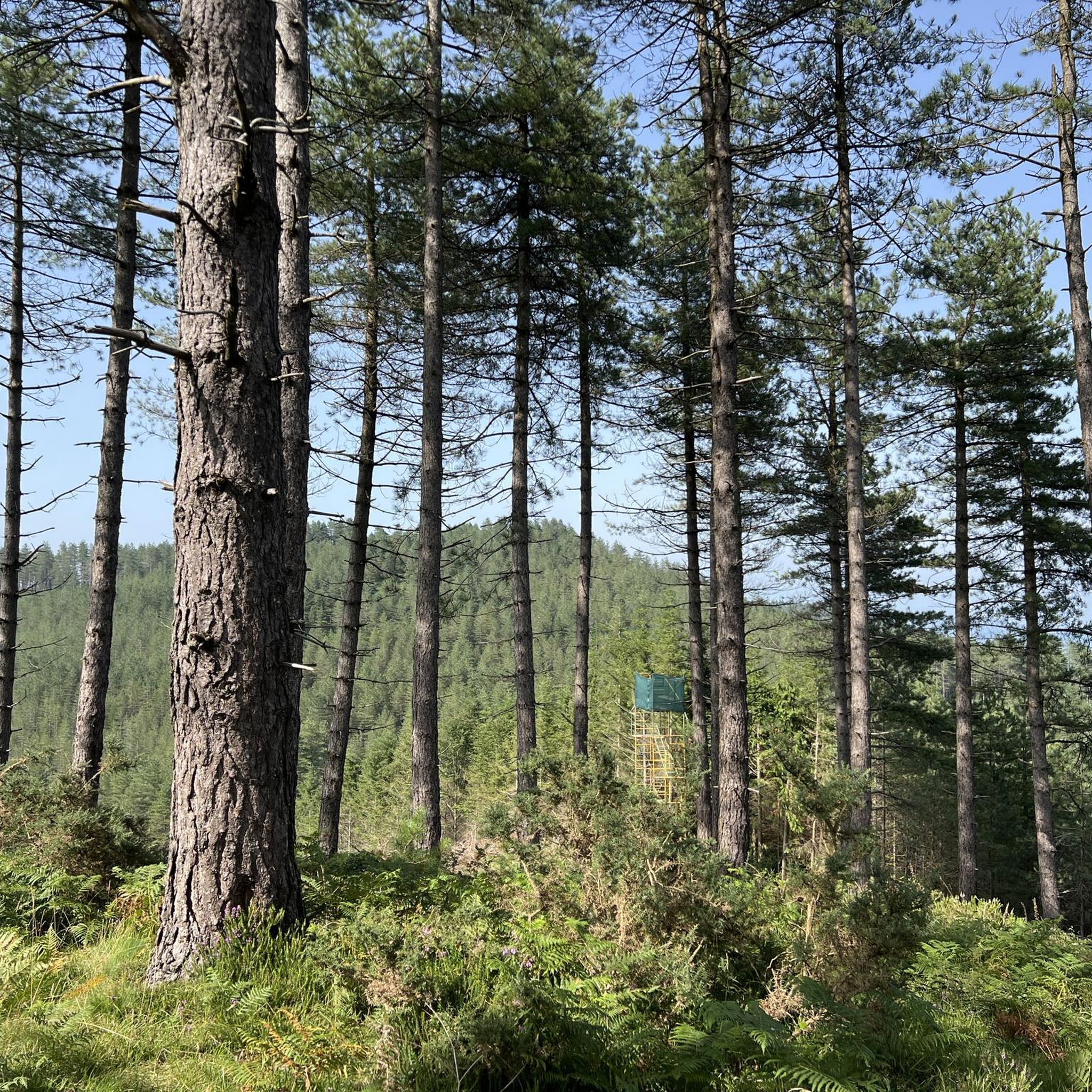
Here, you can observe the birds in a sheltered and hidden environment. There are lookouts at various heights so that even children can see something.
1
0
よくある質問
ローディングにはハイキングコースがいくつありますか?
ローディングでは、130以上のハイキングコースがあり、幅広いハイキングの機会を提供しています。これらのルートは、ゆったりとした散策から多様な景観を通るより挑戦的なトレッキングまで、さまざまな好みに対応しています。
ローディングでハイキング中にどのような風景や自然の特徴が見られますか?
ローディングのハイキングコースは、ドラマチックな岩場の森林渓谷、小川のある絵のように美しい谷、ユニークな岩石の形成といった多様な自然景観を特徴としています。特に、ヘルタール岩石群と、ワイルドでロマンチックなヘルバッハ渓谷(ヘルレ)自然保護区が際立っています。多くのコースは、景色の良いレーゲン川沿いに続いています。
ローディングには、家族向けの簡単なハイキングコースはありますか?
はい、ローディングには家族連れに適した簡単なオプションがたくさんあります。人気の選択肢の一つは、ノイバウアー池の周りを探索する、距離3.2マイルの簡単なトレイルであるノイバウアー池の森の遊び場 – ノイバウアー池ループ(ノイバウから)です。この地域には95以上の簡単なルートがあり、誰もが楽しめるものがあります。
ローディング地域で、より挑戦的なハイキングコースはどこで見つけられますか?
経験豊富なハイカーで挑戦を求めている方のために、ローディングにはいくつかのより難易度の高いオプションがあります。ヘルバッハタールトレイルは、丈夫な靴と確かな足場が必要なハイライトトレイルです。オバーシュライフェ経由のゴールドシュタイク(8.6マイル)やエンゲルベルクトレイル(19.0マイル)のようなより広範囲なオプションも、かなりの運動量を提供します。
ローディングには、周回ハイキングコースはありますか?
ローディングの多くのトレイルは周回ルートとして設計されており、同じ場所からスタートして終了することができます。素晴らしい例は、ノイバウアー湖周辺の景色の良い風景を巡る、距離4.4マイルのトレイルであるノイバウアー湖 – ノイバウアー池ループ(ノイバウアムゼーから)です。
ハイキングコース沿いには、どのような歴史的建造物やアトラクションがありますか?
自然の美しさだけでなく、ローディングのトレイルは歴史的な場所にもよく続いています。シュヴァルツヴィーアベルクにそびえるシュヴァルツェンブルク城跡は、過去への洞察を提供するだけでなく、修復されたキープから周囲の丘のパノラマビューも提供します。また、キュルンブルク城跡のような他の城跡に出会うこともあります。
レーゲン川沿いを歩くハイキングコースはありますか?
はい、レーゲン川はローディングのアウトドアアクティビティの中心的な特徴であり、いくつかのハイキングコースがその流れに沿っています。人気の適度な難易度のオプションは、川沿いの高低差もある距離5.9マイルのレーゲン川トレイル – ヴァルトヒルシュイン・ハイルブリュンルンルンループ(ローディングから)です。
ローディングでのハイキングについて、他のハイカーが最も楽しんでいる点は何ですか?
ローディングでのハイキング体験は、komootコミュニティから高く評価されており、600件以上のレビューから平均4.6つ星を獲得しています。ハイカーは、穏やかな川沿いの道から緑豊かな丘陵地帯まで、多様な地形と、さまざまな体力レベルに対応するよく整備されたトレイルネットワークをしばしば賞賛しています。
ローディングには、良い展望ポイントがあるコースはありますか?
もちろんです。特にシュヴァルツェンブルク城跡へのハイキングは、シュヴァルツヴィーアベルクからのパノラマビューが非常に価値があります。さらに、レーゲン川トレイル – レーゲン川の眺めループ(ローディングから)のようなトレイルは、川と周囲の風景の景色の良い眺めを提供します。
短いアウトドア体験のための、短い散策コースはありますか?
はい、ローディングには、自然への短い逃避行に最適な、いくつかの短くて簡単な散策コースがあります。マルク・アウレル・ウーファー(1.7マイル)やアム・ブリュッケンバザール(1.8マイル)のようなオプションは、ゆったりとした散策に最適です。フランツ・ザックマン橋 – ヴァルトヒルシュイン・ハイルブリュンルンルンループ(ローディングから)は、アクセスしやすい3.3マイルの別のルートです。

komootモバイルアプリでインスピレーションを得よう


さらに探索
他の地域の最高のハイキングを見てみましょう。
