ヴィルメリングのおすすめウォーキング&ハイキングルート
4.5
(42)
163
ハイカー
31
ハイキング
ヴィルメリング周辺でのハイキングは、景色を満喫するのに最適な手段のひとつですが、適切なハイキングルートを見つけることは簡単ではありません。 ヴィルメリング周辺の人気ハイキング&ウォーキングコースを参考にすれば、行きたいルートをすぐに見つけられます。
最終更新日: 9月 30, 2026
4.7
(26)
21
ハイカー
8.80km
02:32
220m
220m
中程度のハイキング. ある程度のフィットネスレベルが必要です。 進みやすいルートです。あらゆるスキルレベルに適しています。
5.0
(1)
12
ハイカー
6.79km
01:47
60m
60m
初級者向けハイキング. あらゆるフィットネスレベルに適しています。 進みやすいルートです。あらゆるスキルレベルに適しています。

5.0
(2)
8
ハイカー
3.78km
01:01
40m
40m
初級者向けハイキング. あらゆるフィットネスレベルに適しています。 進みやすいルートです。あらゆるスキルレベルに適しています。
3.0
(1)
10
ハイカー
4.31km
01:07
30m
30m
初級者向けハイキング. あらゆるフィットネスレベルに適しています。 進みやすいルートです。あらゆるスキルレベルに適しています。
3.0
(1)
3
ハイカー
4.18km
01:13
120m
120m
初級者向けハイキング. あらゆるフィットネスレベルに適しています。 進みやすいルートです。あらゆるスキルレベルに適しています。
さらに多くのルートや他のユーザーのおすすめ情報を確認できます。
すでにアカウントをお持ちですか?
おすすめのツアーは他のkomootユーザーが実際に経験した何千ものアクティビティに基づいています。
無料アカウントで今日から始めよう
次の冒険が待っています。
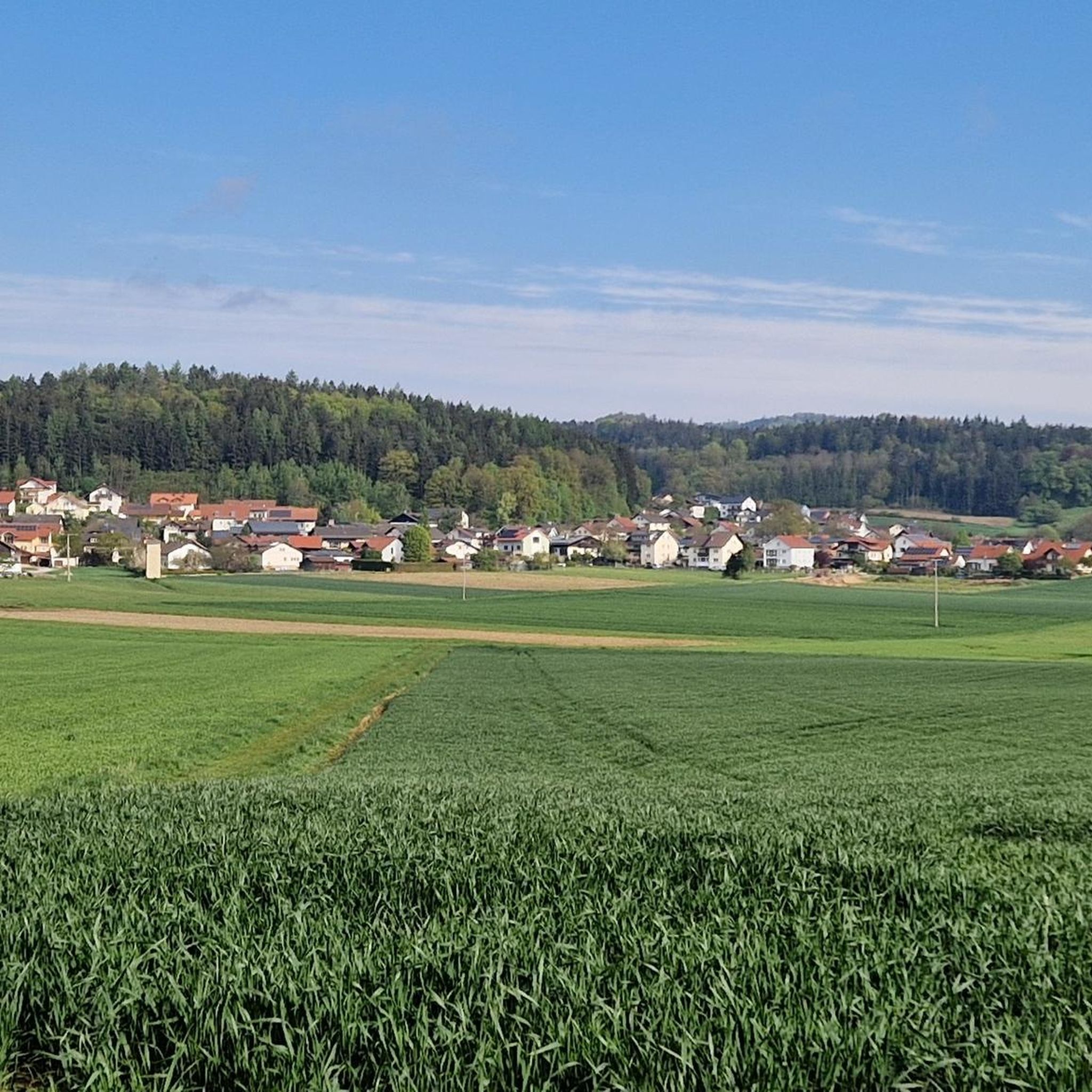
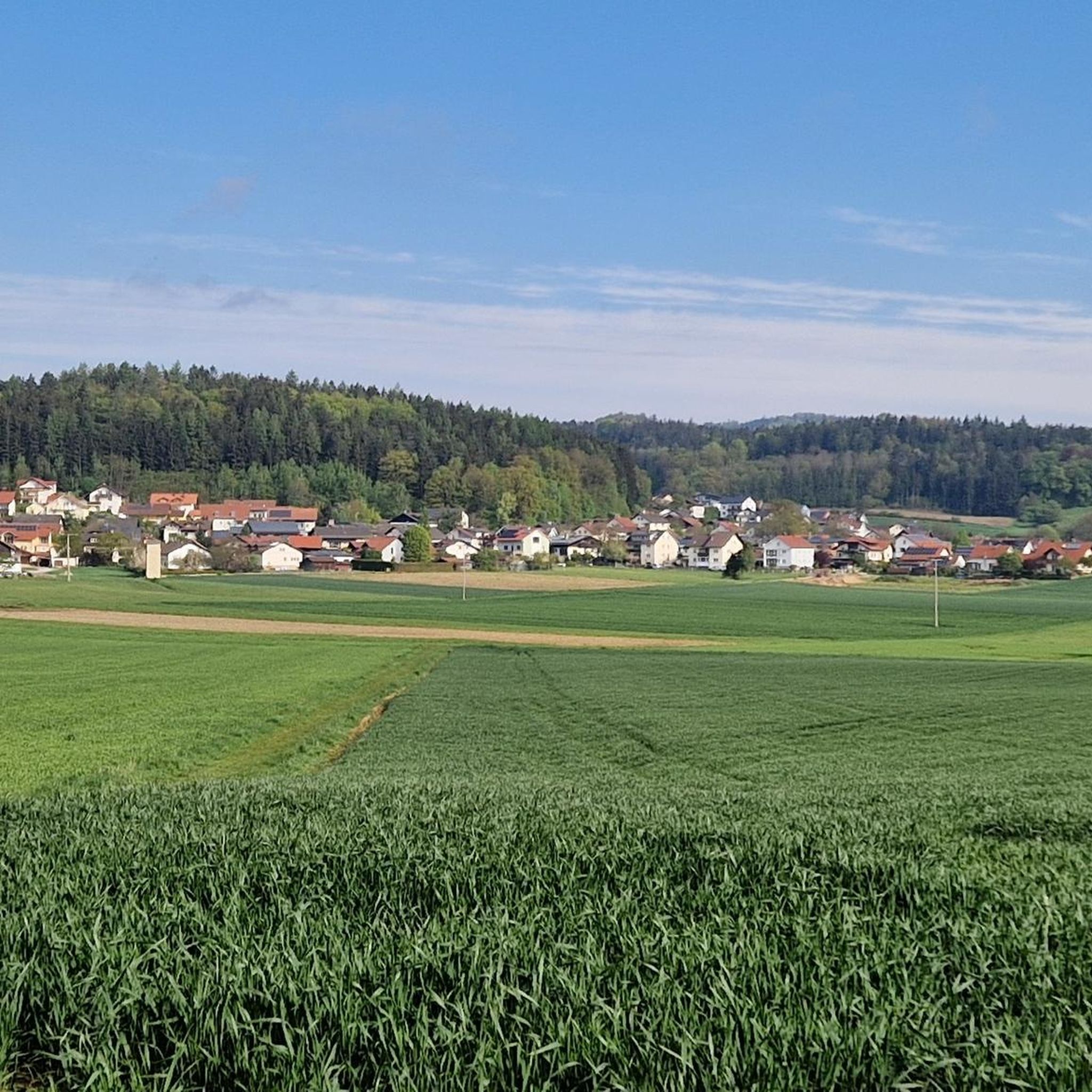
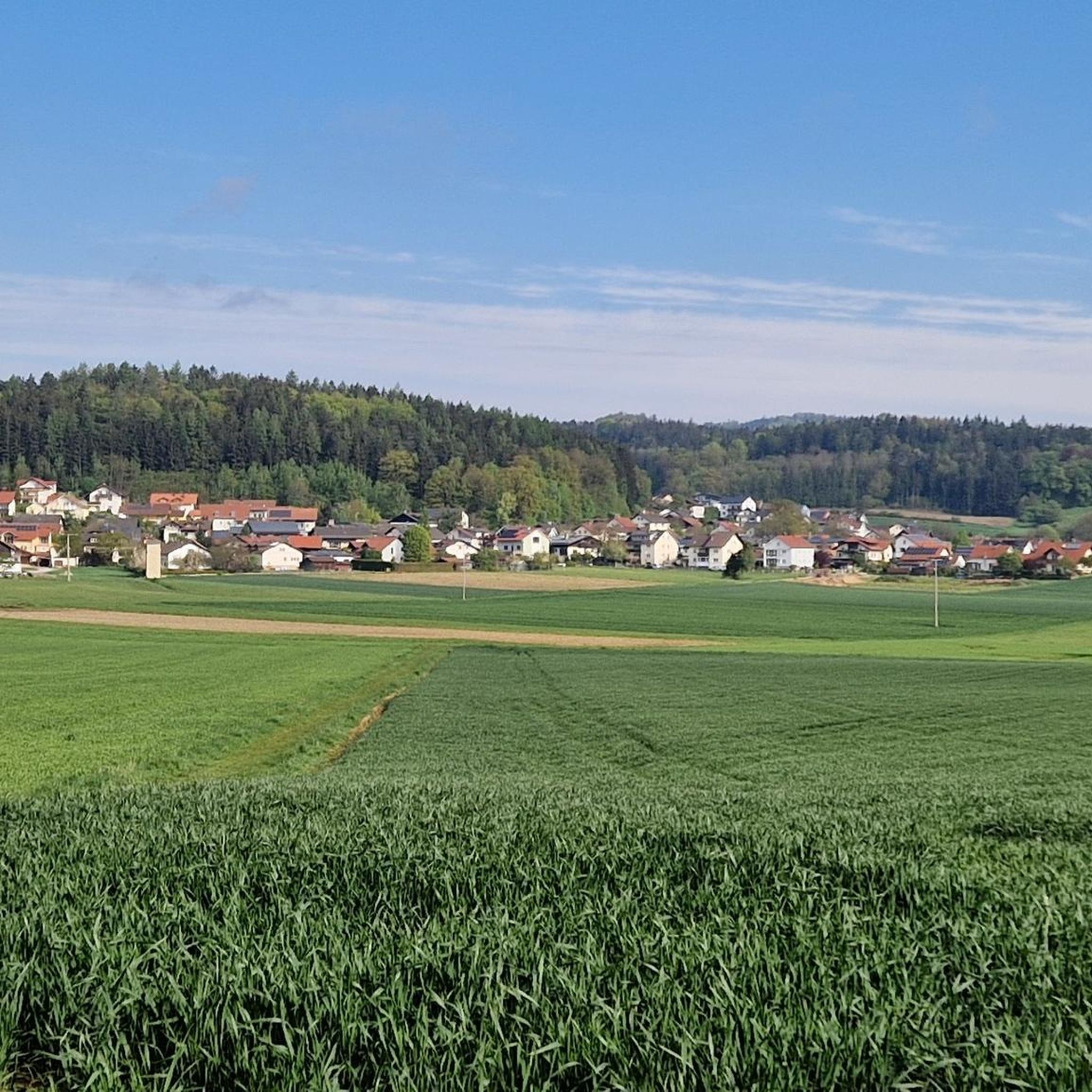

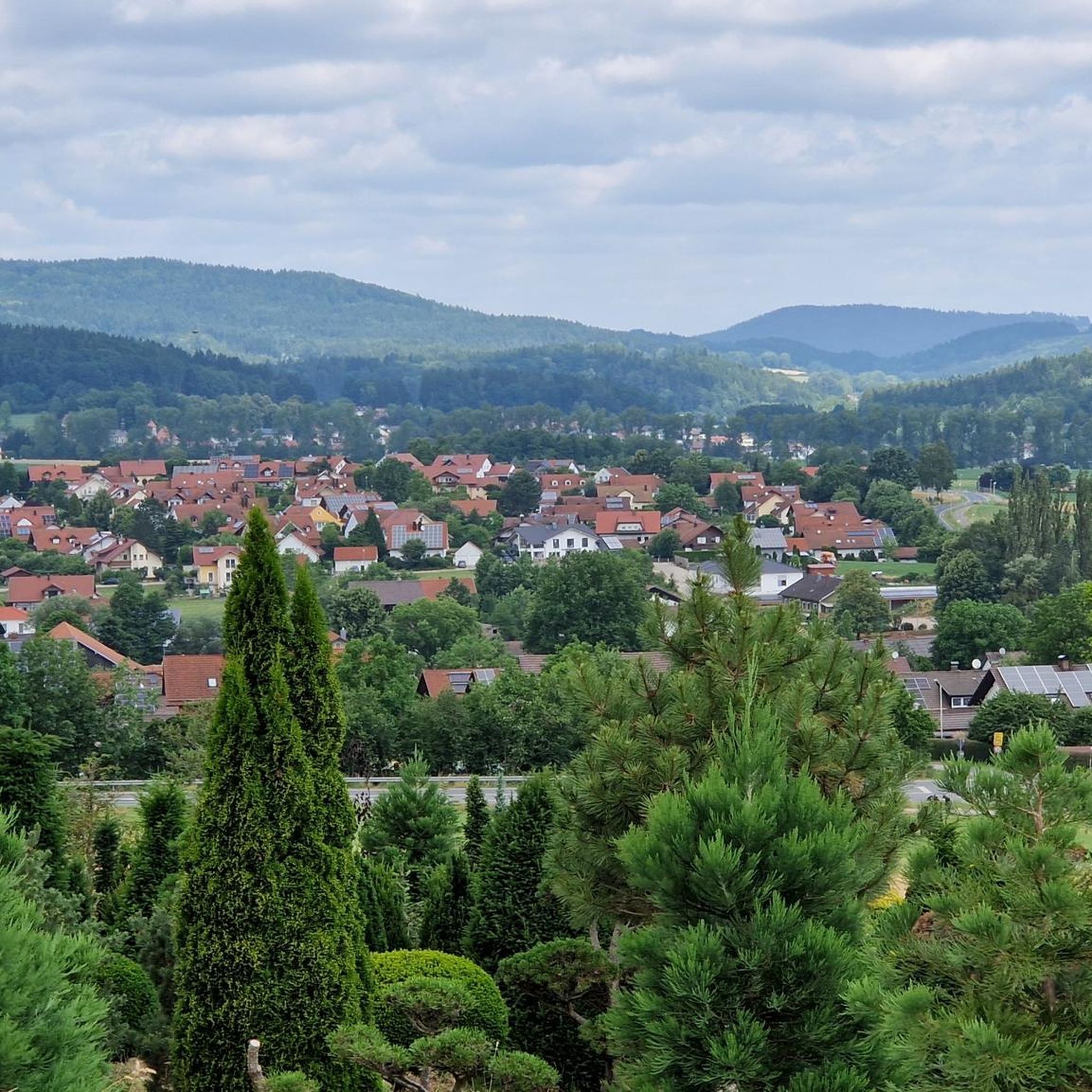
コミュニティからのヒント

身廊と2つの側廊からなるバシリカは、1922/23年に粗い破砕石で建てられました。北側には短く、引っ込んだ、三方を閉じた聖歌隊席があり、その東側には祭服室が併設されています。ピラミッド屋根で覆われた教会塔は、南側の西側側廊の隣にあります。その鐘楼には4つの教会の鐘が吊るされています。ポータルは、身廊の南側の前にある五角形の平面を持つ増築部分にあります。 身廊の内部は木造のヴォールト天井で覆われています。現代的な教会設備を除いて、いくつかのバロック様式の彫像もあります。上部ギャラリーにあるオルガンは、1927年にMichael Weiseによって製造されました。
0
0

The destination isn't worthwhile. The remains of the ruins are completely overgrown. Therefore, you don't get a complete overview and have no long-distance view.
0
0
Absolutely cool trails on the Buchberg. The last stretch to the ruins has to be covered on foot.
0
0

Parish Church of the Assumption of Mary The basilica, consisting of a central nave and two side aisles, was built from rubble stone in 1922/23. To the north there is a short, recessed choir closed on three sides, to which the sacristy is attached to the east. The church tower, which is covered with a pyramid roof, stands next to the western side aisle in the south. The portal is in an extension on a five-sided floor plan in front of the south side of the central nave. The interior of the central nave is covered with a wooden vault. The foundation stone was laid on September 10th. In 1923 the rough work on the interior was completed and construction of the tower began. The parish church was consecrated on February 14th, 1924. In the following years the interior was completed and electric lighting was installed. On March 2nd, 1927 the organ supplied by the organ building company Weise from Plattling was installed. The Stations of the Cross come from the Pfakofen parish church. It was purchased in 1930. Originally, there was a high altar in the church. This was built in 1930 from granite according to the plan of the Munich building councilor Gsänger. The tabernacle of this altar comes from the Depalz art workshop. Shortly after its completion, the parish church was consecrated on June 7, 1931. This was carried out by the Bishop of Regenburg, His Excellency Most Reverend Bishop Michael Buchberger. The other furnishings were gradually added in the following years. The statue of the Mother of God in the presbytery comes from Schlammersdorf. Statues of the apostles Peter and Paul are attached to the side of it. Their origin is no longer known. The statues were repainted in 1964 by church painter Greindl from Cham. In the same year, the church received a mission cross. This was made by the sculptor Mauermann from Weiden. During a renovation in 1980, the presbytery was also redesigned. The original high altar was removed and replaced by a people's altar. This is made of Kehlheim limestone. It was designed by the sculptor Michael Neustifter from Eggenfelden. Neustifter also created the ambo, the tabernacle column and the baptismal font from Kehlheim limestone. The altar cross and the altar candlesticks were also made by him. They are made of bronze. Source: Excerpts from www.wikipedia.de / www.pg-gpw.de/pfarrkirche-mariae-himmelfahrt/
2
0
Waffenbrunn Castle In 1297, a "Friedericus junior de Bossenbrun" appears as the first representative of this family, which is named after the place; they are documented here until after 1330. After the middle of the 14th century, the Lords of Darstein followed. In 1488, Waffenbrunn is documented as a manor. Around 1500, the manor must have passed into the possession of Gabriel von Parsberg; he is recorded here in the land register in 1503. Towards the middle of the 16th century, the Nussberg family is recorded as the owners. Through marriage to the heiress of Nussberg, the property came to Lorenz von Sparnberg in 1571, but he had to leave Waffenbrunn as a Protestant. In 1627, Johann Heinrich Nothafft von Wernberg zu Wiesenfelden took possession of the entire Sparnberg inheritance. At this time, Captain de la Haye from Brussels, father-in-law of Hans Heinrich Nothafft, lived. In 1641, Georg Adolf Schätzl von Hörmannsberg acquired the property, which was taken over by the Freinhuber family in 1669. In 1671, Waffenbrunn was sold to the family of Johann Wolfgang von Thürnitz. In 1748, Franz Peter von Paur, Imperial Knight and Court Chamberlain, acquired the Waffenbrunn estate. The residential tower built by the Waffenbrunn family is probably the oldest part of the complex. The Darstein family built the residential building in the middle of the complex and the chapel in the 15th century. The castle was also protected by a moat to the north and several ponds to the south. During the Thirty Years' War, the castle was plundered and damaged in 1633. A second plundering took place in 1641. The buildings were rebuilt by Maximilian Freinhuber, but this was destroyed again by a large fire in 1677. It was only the von Paur family that finally restored the castle, removing the fortifications and expanding it into its current form. The south-western part of Waffenbrunn Castle is now occupied by a horseshoe-shaped three-wing complex of the farmyard, which was newly built in 1926. The steep gable of the rectangular two-storey main building, which stands on a high base, is striking. To the west of it and connected to it by an intermediate building, rises the medieval, four-storey former residential tower with a half-hipped roof. To the north and west there is an enclosed castle garden in the style of a landscape garden from the late 18th and 19th centuries with remains of the castle wall. Source: Excerpts from www.wikipedia.de
3
0
Buchberg Castle Ruins The first representative of the Puchbergs, who can certainly be referred to this place, was Otto I, first mentioned in 1196. The family originally belonged to the Diepoldinger ministeriality, and from 1204 to the Wittelsbacher. Relationships with the Bogeners arose from the widely scattered family property. In 1301, Hildebrand II sold the last remaining share of the castle to Duke Otto III of Lower Bavaria. The focus of the family's possessions now shifted to southern Lower Bavaria. The ancestral castle is said to have been pledged by the dukes to Rudlant Göttlinger in 1320. It was last mentioned in 1331 during the division of Lower Bavaria. It was then possibly used by the Göttlingers as a starting point for raids and destroyed or abandoned by the citizens of Cham. As early as 1347, grazing and usage rights were mentioned on the Buchberg, and in 1470 forests and a former castle. After its abandonment or destruction after 1331, it served as a quarry until recently. The oval complex, with a total length of 150 m and a maximum width of 60 m, is divided into an outer and main castle. The former occupies the highest peak covered with granite blocks at the southern end of the castle hill. To the north-northwest it is secured by a moat up to 12 m wide with an outer rampart, some of which has been preserved. The egg-shaped interior of the main castle measures approx. 50 x 40 m. The lower western part was protected by a ring wall that made clever use of the terrain, a 17 m long section of which has been preserved. The higher part of the castle was surrounded by its own ring wall, some of which can be seen. The southern part of the area was occupied by a large, multi-room building. At the highest point is the base of the keep. To the north-northwest, the main castle is adjoined by a plateau up to 20 m wide. In front of this is a ditch-like structure about 70 m long. It runs into the slope in the east and leaves the access to the main castle free in the west. Overall, the structure of the complex is not easy to understand due to the heavy vegetation. After 1997, the few remaining parts were secured. Source: Extracts from www.ebidat.de
4
0

The Buchberg castle ruins, also known as Schlossberg, are located on a 563-meter-high hill on the Buchberg. The Counts of Bogen built the castle in the 12th century and the Lords of Puchberg joined them later. The castle was destroyed in the 14th century and today only the stump of the keep and the remains of the walls remain.
2
0

komootモバイルアプリでインスピレーションを得よう


さらに探索
他の地域の最高のハイキングを見てみましょう。
