ノイシュタットアムクルムのおすすめウォーキング&ハイキングルート
4.6
(348)
1,464
ハイカー
60
ハイキング
ノイシュタットアムクルム周辺でのハイキングは、景色を満喫するのに最適な手段のひとつですが、適切なハイキングルートを見つけることは簡単ではありません。 ノイシュタットアムクルム周辺の人気ハイキング&ウォーキングコースを参考にすれば、行きたいルートをすぐに見つけられます。
最終更新日: 10月 7, 2026
4.8
(36)
160
ハイカー
8.76km
02:33
230m
230m
中程度のハイキング. ある程度のフィットネスレベルが必要です。 進みやすいルートです。あらゆるスキルレベルに適しています。
4.6
(43)
161
ハイカー
4.61km
01:21
120m
120m
初級者向けハイキング. あらゆるフィットネスレベルに適しています。 進みやすいルートです。あらゆるスキルレベルに適しています。

4.4
(14)
37
ハイカー
9.22km
02:39
220m
220m
中程度のハイキング. ある程度のフィットネスレベルが必要です。 進みやすいルートです。あらゆるスキルレベルに適しています。
4.9
(28)
120
ハイカー
3.58km
01:03
100m
100m
初級者向けハイキング. あらゆるフィットネスレベルに適しています。 進みやすいルートです。あらゆるスキルレベルに適しています。
5.0
(4)
8
ハイカー
19.0km
05:22
410m
410m
難しいハイキング. 標準以上のフィットネスレベルが必要です。 進みやすいルートです。あらゆるスキルレベルに適しています。
さらに多くのルートや他のユーザーのおすすめ情報を確認できます。
すでにアカウントをお持ちですか?
おすすめのツアーは他のkomootユーザーが実際に経験した何千ものアクティビティに基づいています。
無料アカウントで今日から始めよう
次の冒険が待っています。
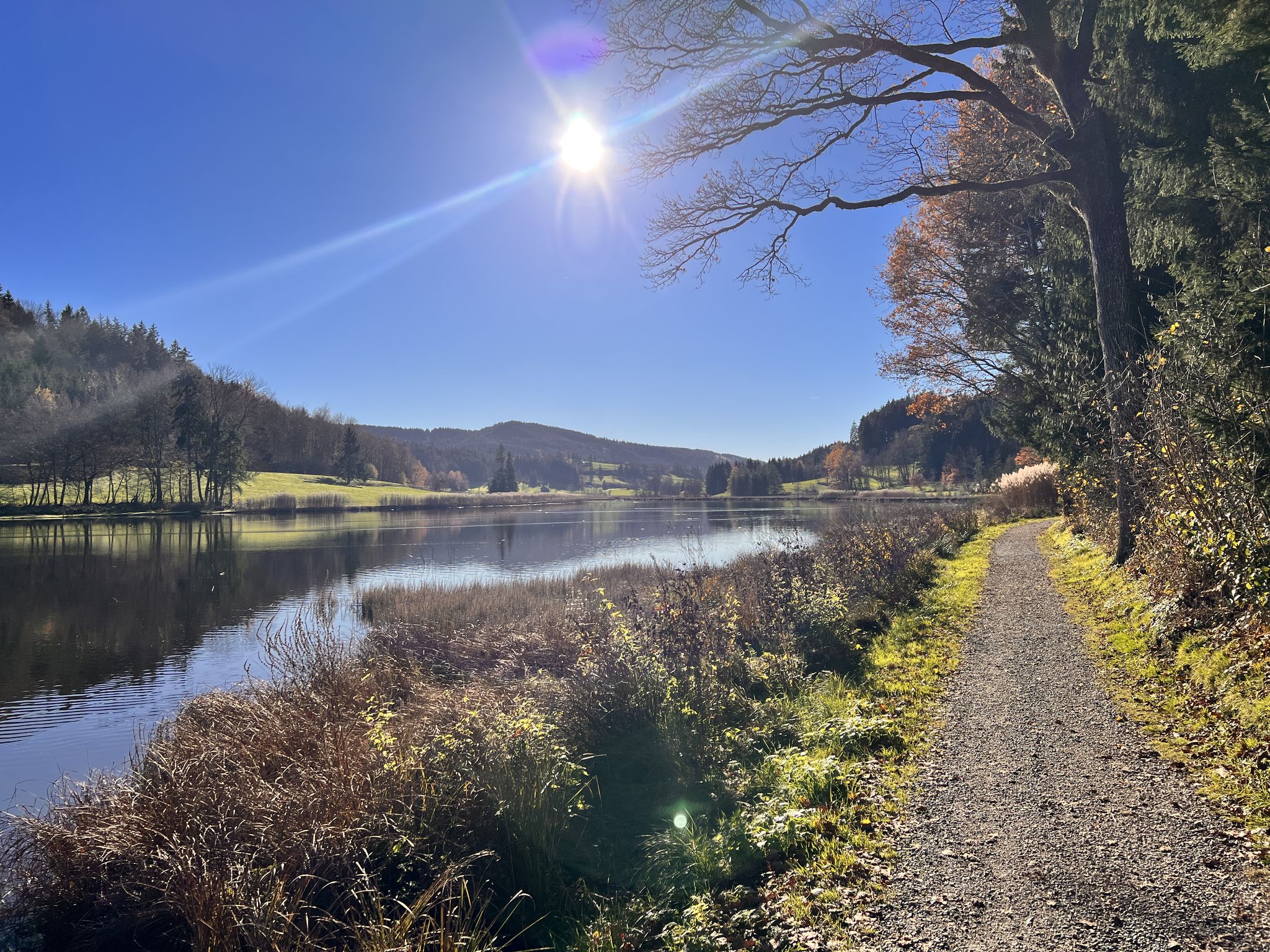
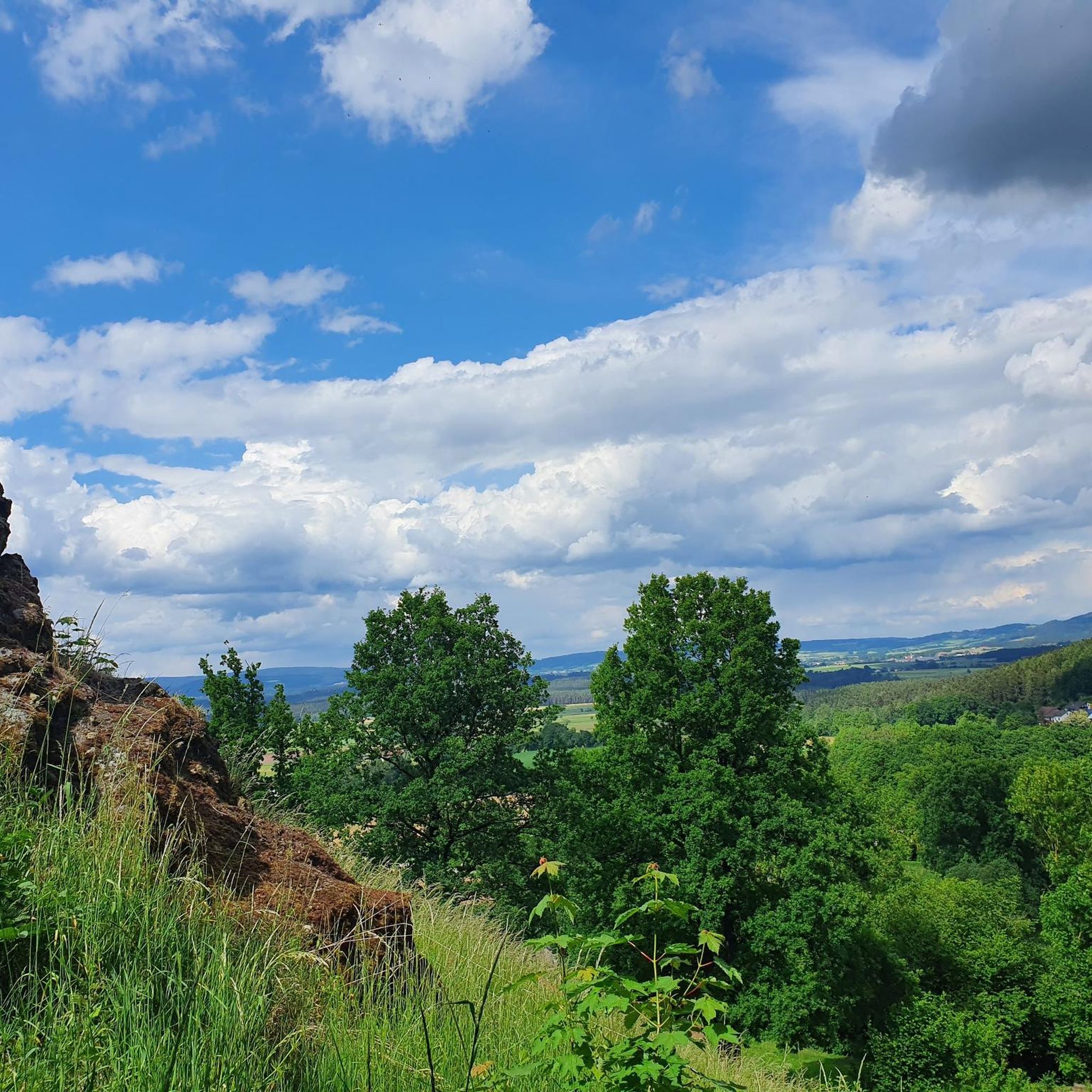
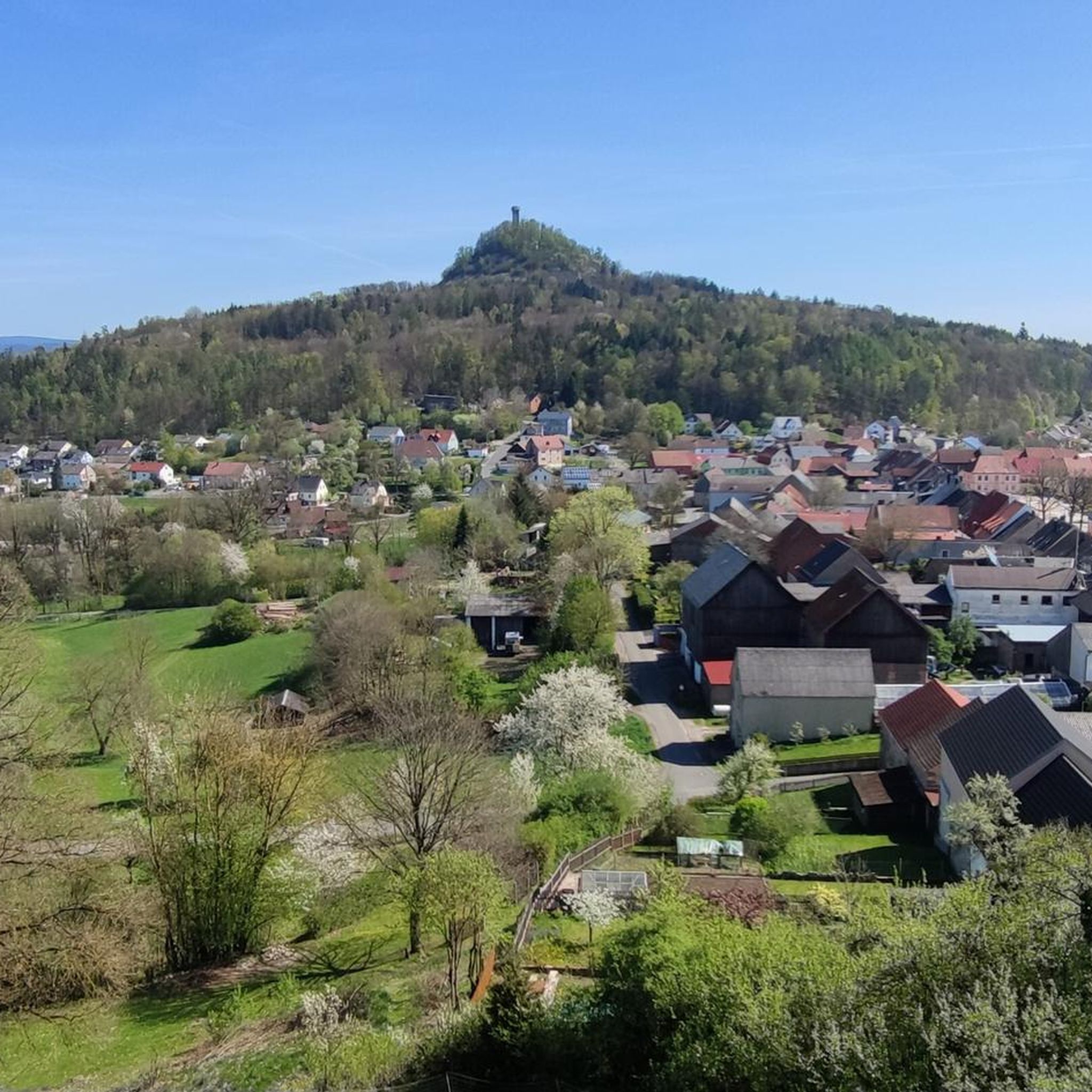
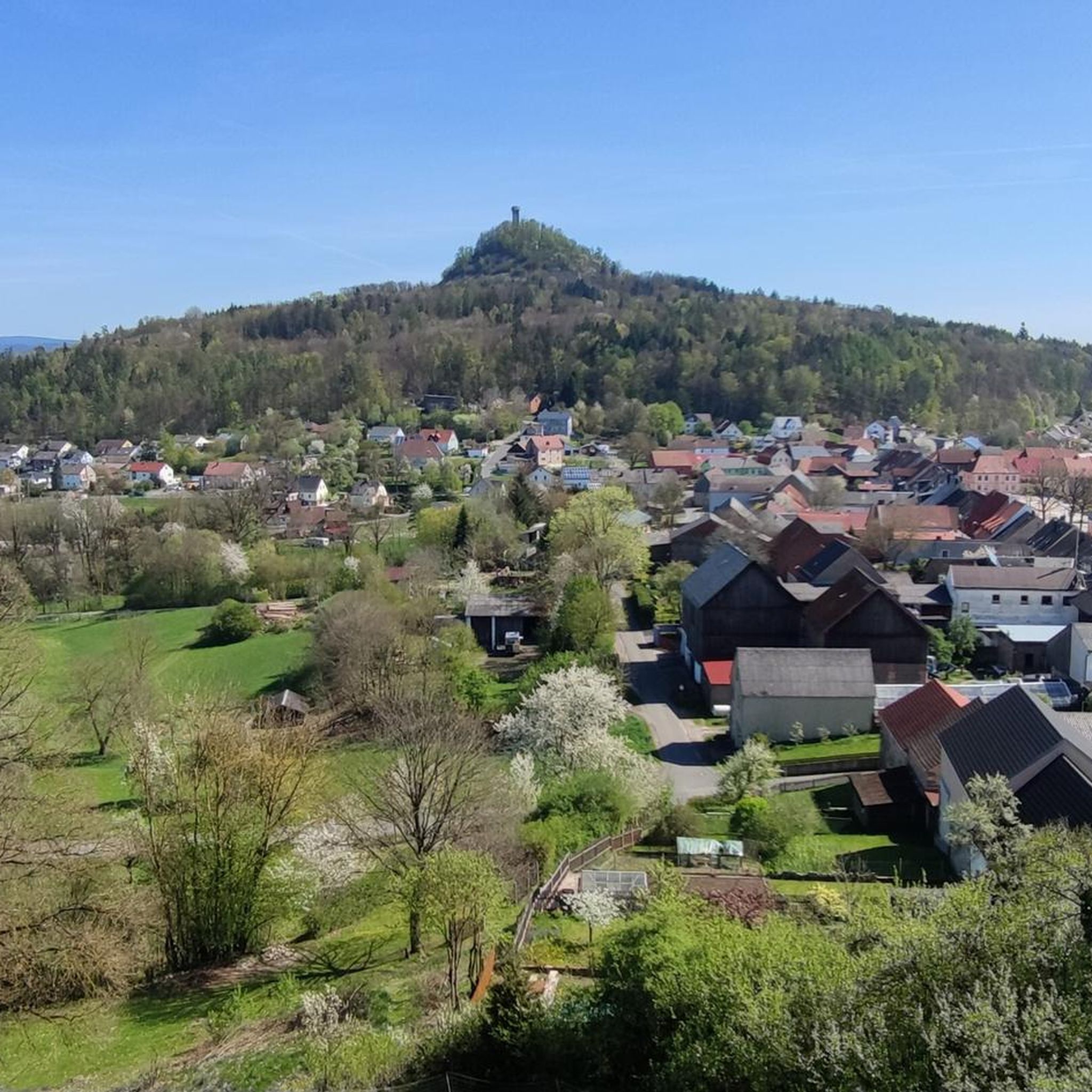

ノイシュタットアムクルムでのの他の冒険

コミュニティからのヒント

ブルクシュタル・ラウヘンクルム 中世盛期の城の起源については、確かな史料が存在しない。1119年のミヒェルフェルト修道院の設立証書からは、ロイテンベルクのブッコ・デ・クルメンが2つのクルムのいずれかに居城を持っていたことがうかがえる。彼は科学的に証明された最初の城主ということになる。しかし、ラウヘ・クルムと klienekulm のどちらを指すのかは不明である。クルマインの町にあった建物である可能性も考えられるが、可能性は低い。発掘調査では、この時代の陶器の破片、矢じり、十字架、硬貨が出土している。ローゼルトによれば、ラウハー・クルムの城壁の建設は、ハンガリーからの差し迫った脅威を封じ込めようとした神聖ローマ皇帝オットー1世の戦略の一部であったという。950年頃の城の建設には、砂岩、木骨造り、レンガが使用された。軍事利用のほか、女性や子供たちも城に住んでおり、それを証明する遺物として、糸紡ぎの錘、小さな織り刀、大きな鉄製のナイフなどが見つかっている。 ニュルンベルク城伯フリードリヒ3世は1281年、ロイヒテンベルク方伯から城とその付属地域を買い取った。かつての塔は、マルクグラーフェンの信号システムの一部であった。 第二次マルクグラーフェン戦争において、マルクグラーフェン アルブレヒト・アルキビアデスのもと、クライン・クルムのシュレヒテンクルム城と共に、この城は1554年に破壊された。破壊される前、両方の城は約1年間、ニュルンベルク、バンベルク、ヴュルツブルク、バイエルン帝国都市の軍隊によって、選帝侯領の代官ハンス・ウムゼーア・フォン・ヴァルデックの指揮のもと包囲され、住民は飢餓状態に陥った。要塞司令官フォン・ハイデナブは1554年6月28日にラウヘンクルムの要塞を引き渡した。その後、ネジで爆破され、三重の城壁は破壊され、取り壊された。後に、ノイシュタット市の城壁の補強のために、両方の城郭の中世の城壁の石材が部分的に使用された。 ラウヘンクルムの城跡からは、今日では地形の痕跡しか見られない。外周の城壁の残骸と、現在の展望塔のすぐ近くにある塔の場所が認識できる。測量士ヨハン・クリストフ・シュティーアラインは、この山とその遺跡の最初の非常に正確な地形図を作成した。 出典: www.wikipedia.de
4
0
There are no reliable sources on the origin of the high medieval castle. Although the foundation charter of the Benedictine monastery of Michelfeld from 1119 states that Bucco de Culmen of Leuchtenberg had a residence on one of the two Kulms. He would thus be the first scientifically documented castle lord. However, it is unclear whether the Rauhe Kulm or the Kleine Kulm is meant. It is conceivable, but unlikely, that it was a building in the village of Kulmain. Excavations have brought to light shards, arrowheads, crosses, and coins from this period. According to Losert, the construction of the Rauher Kulm fortification was part of the strategy of Emperor Otto I the Great, who wanted to contain the approaching danger from the Hungarians. Sandstone, half-timbering, and bricks were used in the construction of the castle around 950. In addition to military use, the castle was also inhabited by women and children, as evidenced by various finds, including several spindle whorls, a small weaving sword, and a large iron knife. Burgrave Frederick III of Nuremberg acquired the castle, including the associated places, from the Landgraves of Leuchtenberg in 1281. The former tower was part of the margravial signaling system. During the Second Margraves' War under Margrave Albrecht Alcibiades, the castle, as well as the Schlechtenkulm castle on the Kleine Kulm, was destroyed in 1554. Before the destruction, both castles were besieged for about a year by troops from the imperial cities of Nuremberg, Bamberg, Würzburg, and Bavaria, under the leadership of the electoral landrichter Hans Umseher von Waldeck, and the inhabitants were starved. The fortress commander Heydenab surrendered the fortress on the Rauhen Kulm on June 28, 1554. Subsequently, it was blown up with screws, the triple walls were razed and destroyed. For the reinforcement of the city walls of Neustadt, stones from the medieval ramparts of both castle sites were later used in part. Today, only traces of the terrain are visible from the Rauhenkulm castle site. Remains of the surrounding wall and the location of the tower are recognizable in the immediate vicinity of the current observation tower. The cartographer Johann Christoph Stierlein created the first very accurate topographical map of the mountain with the ruin. Source: www.wikipedia.de
4
0
Pilgrimage Church of St. Barbara Traces of prehistoric settlements can be found on the Barbaraberg. In pre-Christian times, a Slavic cemetery with 161 documented graves, discovered in 1972 during excavations, was located here. Archaeologically secured is a Romanesque hall church from around the year 1000. It is reported that pilgrimages to the "Church of St. Barbara" and to the wooden carved image of St. Barbara took place as early as the end of the 14th century. During the Reformation, these pilgrimages were forbidden, which led to decay. In 1661, at the instigation of the Kemnath parish priest Balthasar Grosch, the chapel was rebuilt and adorned with the miraculous image that had been found buried in a stable. Under Abbot Dominikus I. von Lieblein, a church in the Rococo style was built here between 1741 and 1756 in honor of St. Barbara. The church building was cruciform and had five altars. The vaults of the nave were decorated with images from the life of St. Barbara. Pilgrimages to the Barbaraberg were resumed. In the course of secularization, the Barbara Church was also closed and sold in 1803. The miraculous image and the relics of St. Barbara remained on site, while the rest of the furnishings were sold to other parishes. The church space was converted into a barn. Due to damage to the roof, the crossing dome and the interior were demolished in 1888. In 1914, the church was partially incinerated by a lightning strike. The Barbara statue in the gable of the facade, which has been headless ever since, still commemorates this. In 1919, the Munich cathedral chapter canon Michael Hartig acquired the remains and had a small chapel built, which was consecrated in 1921. Originally, he wanted to establish a recreational home for the diocesan priests of Munich here. However, the association founded for this purpose was dissolved in 1929. He then donated the buildings to the Speinshart Monastery, in whose possession they remain to this day. In 1976/77, an external renovation took place, followed by interior restoration from 1992 to 1994. What remains of the church is the still magnificent facade, flanked by buildings that formerly served for the accommodation of monastery members and later for agricultural purposes. Sparse remains of the walls of the former church are still preserved. Source: Excerpts from www.wikipedia.de
4
0


It's best combined with a tour of Speinshart Monastery. The Stations of the Cross and Barbaraberg Church are well worth seeing.
1
0

very beautifully laid out path
1
0
challenging climb - respect to our little miniature pinscher lady that she always found a way to overcome it
0
0
ノイシュタットアムクルムでのの人気観光スポット

komootモバイルアプリでインスピレーションを得よう


さらに探索
他の地域の最高のハイキングを見てみましょう。
