ドンクメア周辺のアトラクション&必見スポット - トップ11
ドンクメアには必見のスポットがたくさんあります。ハイキング愛好家やサイクリング愛好家の方は、ぜひドンクメアを探索してこのエリアにある11
の隠れたスポットを訪れてみてください。このエリアの必見スポットを確認し、次の冒険に出かける計画を立てましょう。
最終更新日: 10月 23, 2026
ドンクメール
ハイライト • 湖
翻訳者 Google •
役立つ情報 は

ドンクメールのアヒル捕獲施設と管理小屋
ハイライト • 歴史的な場所
翻訳者 Google •
役立つ情報 は

今すぐサインアップして、こんな場所を発見しよう
最高のシングルトラック、ピーク、その他のエキサイティングなアウトドアスポットのおすすめを受け取ろう。
ドンクメールの泥炭採取者像
ハイライト • 記念碑
翻訳者 Google •
役立つ情報 は

’t Weiken
ハイライト • カフェ
翻訳者 Google •
役立つ情報 は
ドンクメーア自然保護区のアオサギ繁殖地
ハイライト • 自然
翻訳者 Google •
役立つ情報 は
無料でサインアップして、さらに多くの観光スポットを発見しましょう ドンクメアでの。
すでにアカウントをお持ちですか?
無料アカウントで今日から始めよう
次の冒険が待っています。


コミュニティからのヒント

Besides herons, you can spot many other (water) birds there. We saw herons, ducks, moorhens, storks, pheasants, and many more.
0
0

オーフェルメールのドンクメールは、単なる絵のように美しい水面ではありません。それは、何世紀にもわたる労働と人間の忍耐の静かな証人です。かつてこの地域は広大な泥炭地であり、燃料として使用された乾燥泥炭である泥炭を手で切り出していました。その泥炭の採掘が景観を形作りました。泥炭が取り除かれた場所に深い穴ができ、後に水が溜まり、ドンクメールができました。 湖のほとりには、この仕事に従事した男性への力強い賛辞である、青銅のTurfstekerstandbeeld(泥炭採掘者像)が立っています。ミシェル・ペレマンによって制作されたこの像は、泥炭採掘者が仕事に打ち込む姿を描いています。粗末な衣服と道具を身に着け、仕事に身をかがめています。泥炭が主要な暖房手段であり、労働者がわずかな賃金のために日々重労働に従事していた時代を思い出させます。彼らは湖の周りの質素な小屋に住んでいましたが、彼らのボスは泥炭取引で莫大な財産を築いていました。
6
0
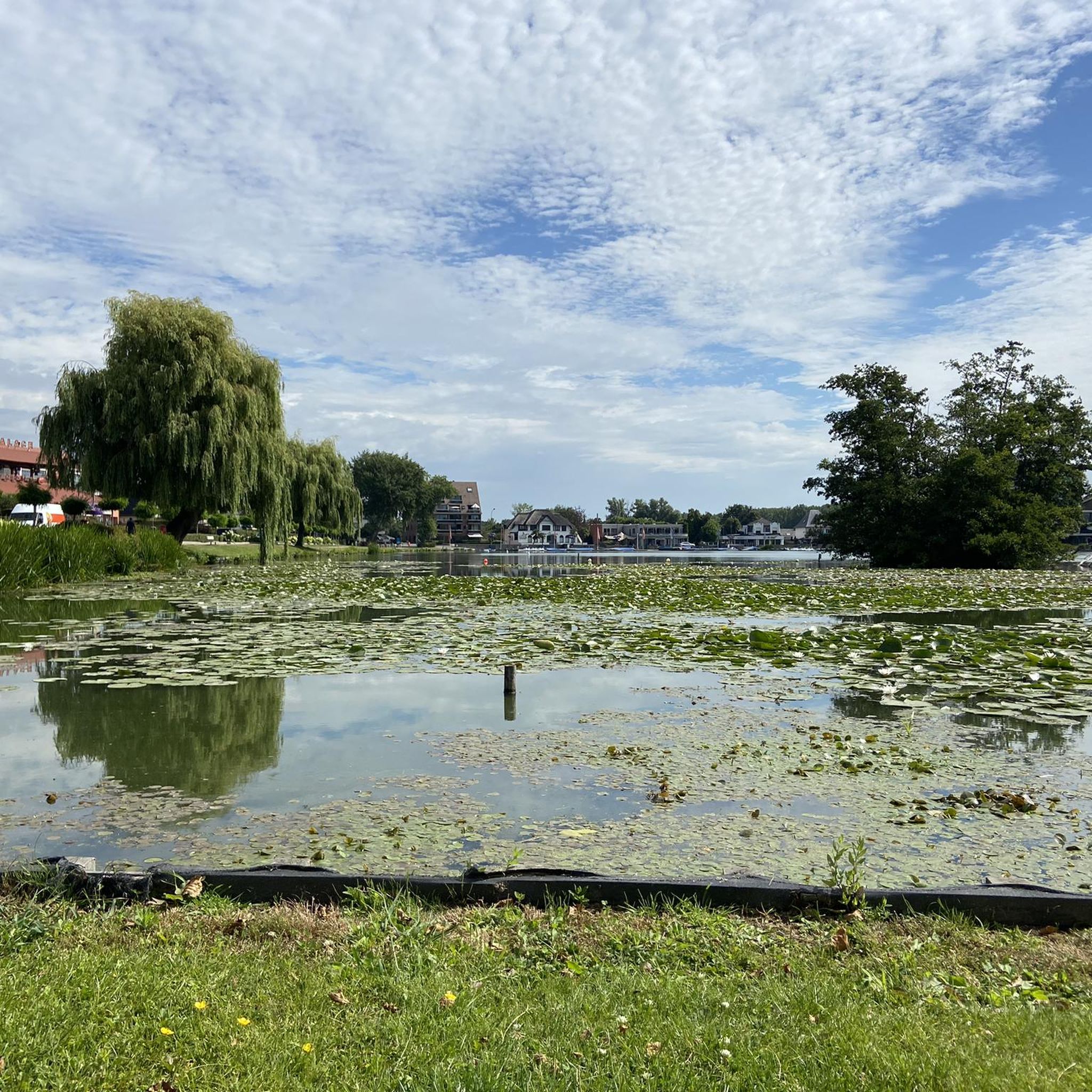
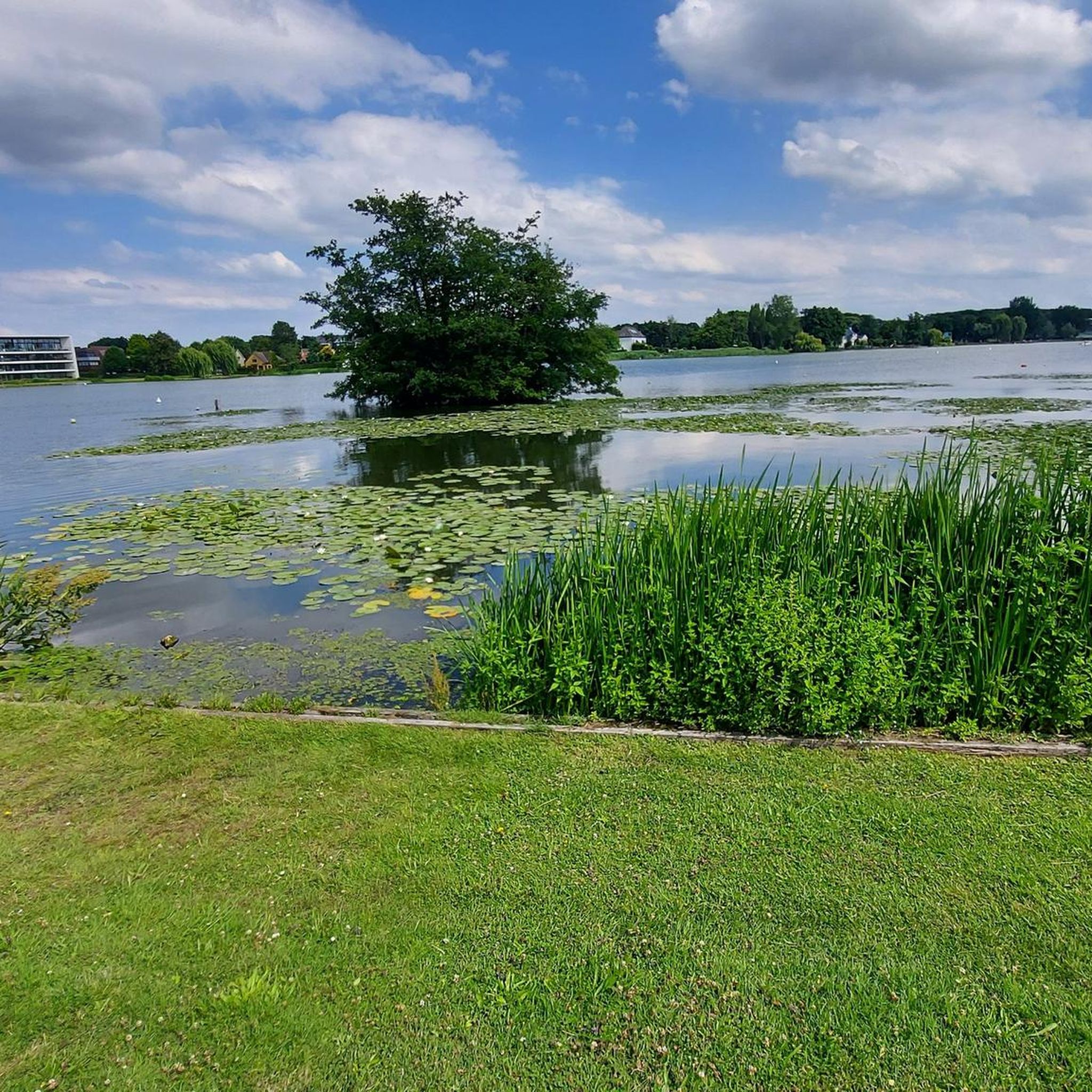
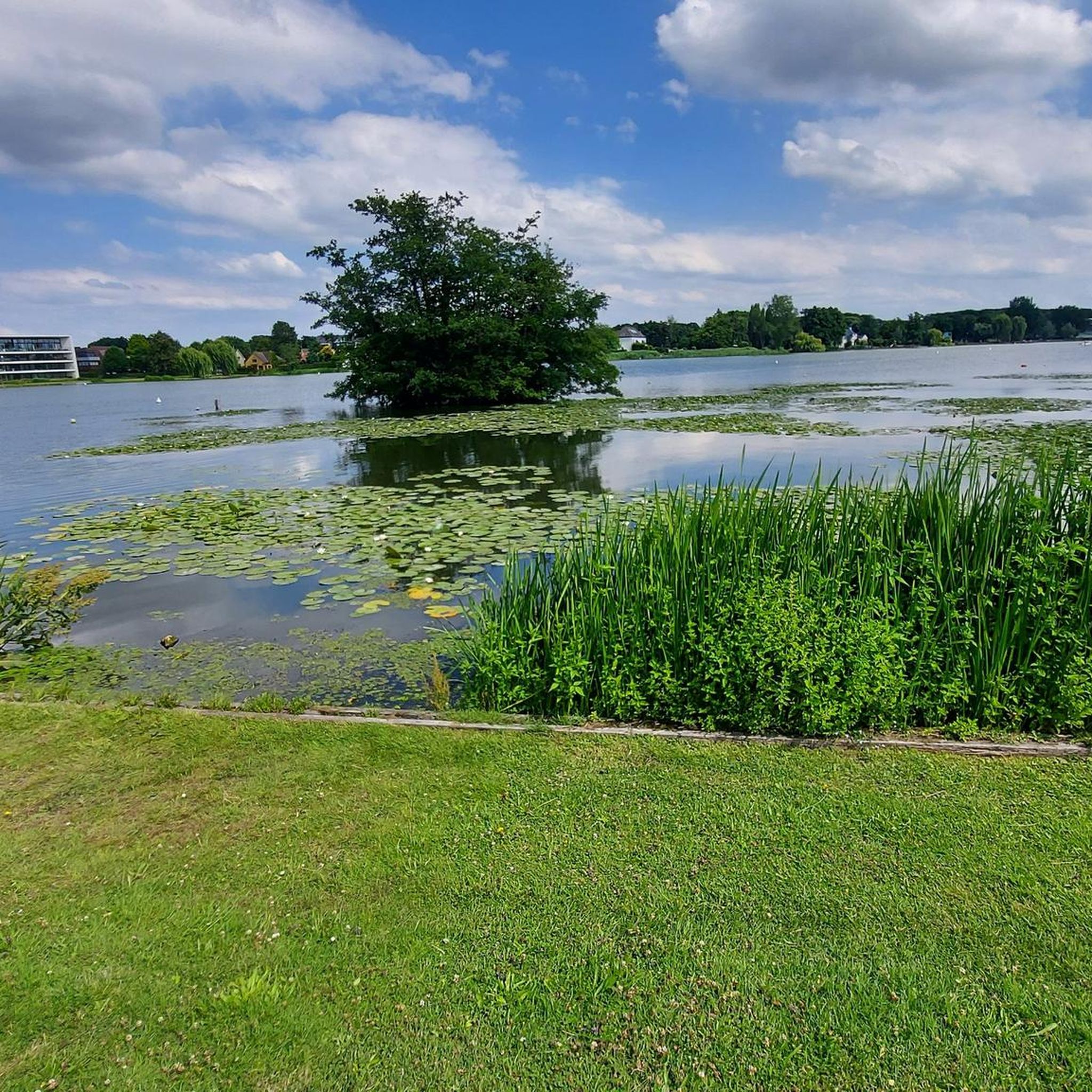
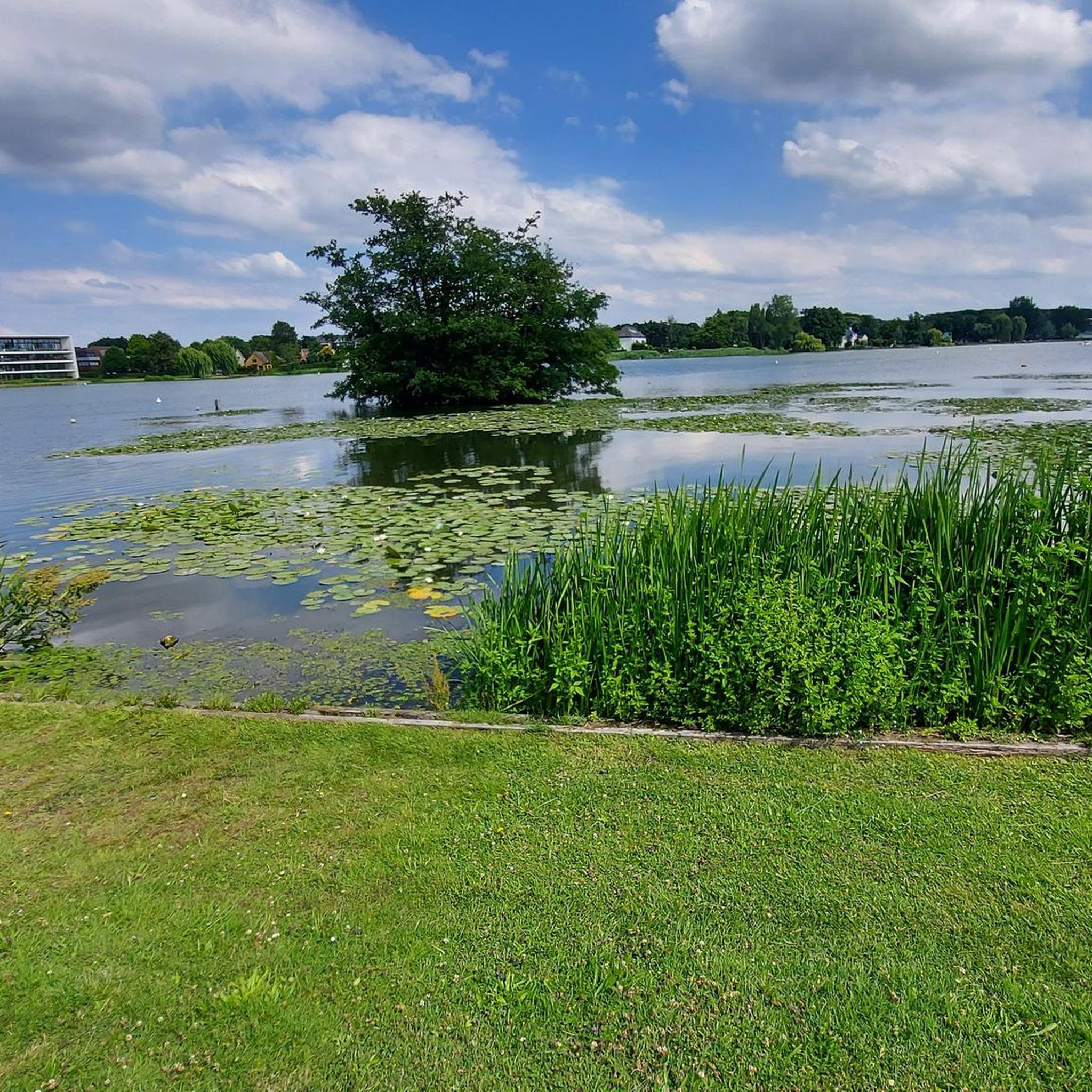
ベルラーレのドンクメールは、フランドル地方最大の湖の1つで、多様な自然とレクリエーションの中心地となっています。古い泥炭採掘坑から生まれたこの湖は、86ヘクタールに広がり、そのうち約30%が自然保護区となっています。周辺地域は、畑、森林、湿地、豊かな生物多様性など、スヘルデ川の美しい自然の景観を提供しています。 ドンクメールはバードウォッチャーにも人気の場所で、水辺とその周辺には多くの珍しい鳥が生息しています。湖畔には、ウナギ料理で有名なレストランなど、居心地の良い飲食店があります。
6
0

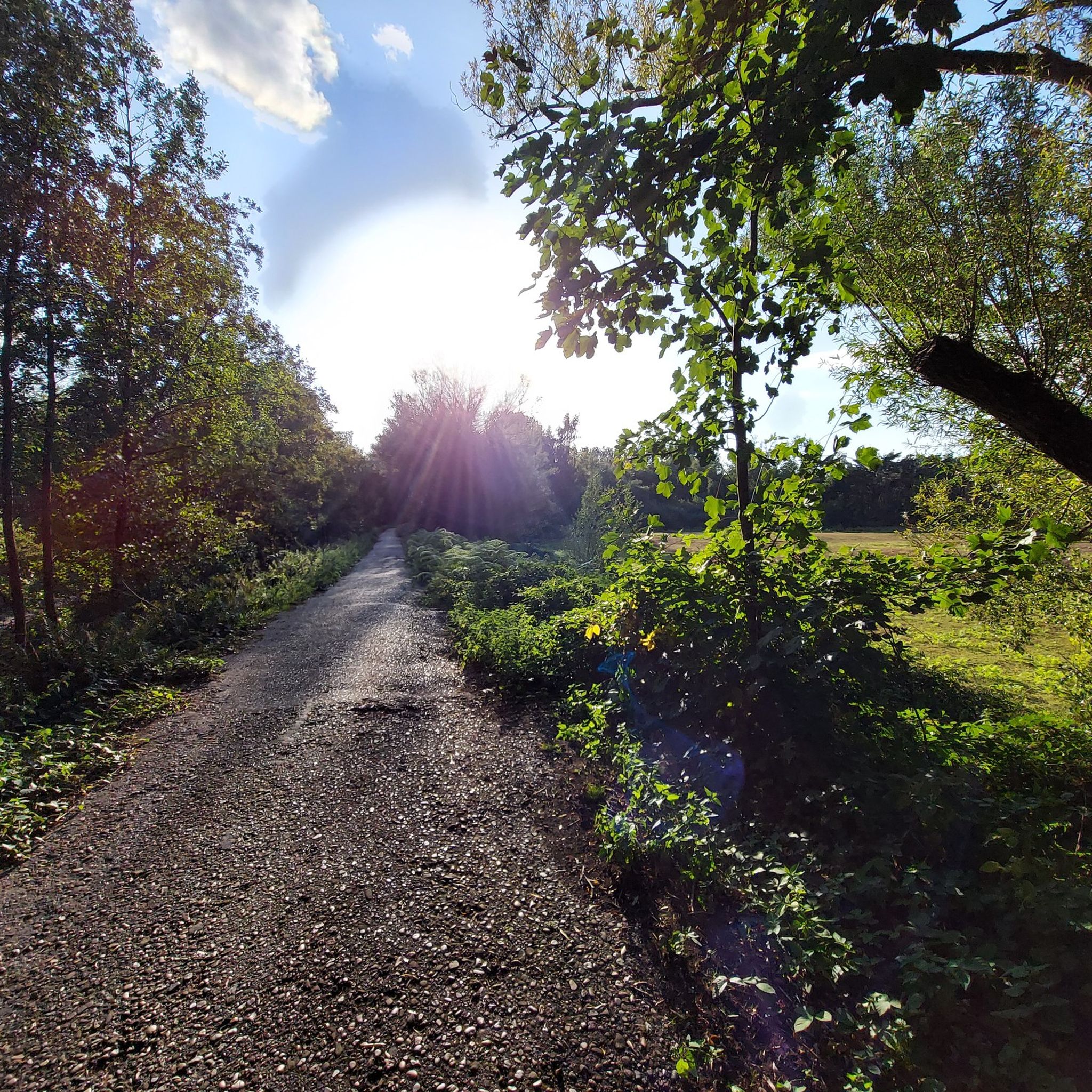
Nice to walk through with water on both sides.
14
1
The redevelopment of the duck decoy is part of the Berlare Broek-Donkmeer nature development project. This project fits in with the vision of the Berlare municipal council to give the popular Donkmeer and its surroundings a contemporary look. The site of the duck decoy was given a thorough makeover. It was redeveloped with respect for the most vulnerable zones and remains open to the public. (Public space database)
15
0
Reserve zone Donkmeer is of regional ornithological importance because of the presence of the only large breeding colony of grey herons in the Scheldt valley between Ghent and Dendermonde. The number of occupied nests in this colony is subject to quite strong fluctuations but has averaged around 60 since 1994. (Durme VZW)
17
0
This statue of a peat cutter represents a profession from pre-modern times. In the 17th century, the demand for peat rose, which made the Donkmeer more important. This lake turned out to be one big peat pit. The work as a peat cutter was very intensive. Day in, day out, one had to do heavy manual labor for a meager wage. The bosses, on the other hand, did get rich from the peat that they sold for a lot of money. In contrast to the workers who lived in huts around the lake, the bosses could afford mansions. At that time, there was still no talk of good working conditions and quality work. (Standbeelden.be)
18
0

ドンクメアでのの人気観光スポット

komootモバイルアプリでインスピレーションを得よう


さらに探索
まだ探しているハイライトが見つかりませんか?他の地域のトップアトラクションのガイドを見てみましょう:
