ルチャイ周辺のおすすめ交通量の少ないサイクリングルート
4.4
(802)
6,123
ライダー
85
ライド
交通量の少ないサイクリングルートは、フランスのシャラント=マリティーム地域にあるレイ・シャイ周辺の静かな田園風景を巡ります。この地域は、広大な農耕地、穀物畑、ブドウ畑が特徴の平和な田園地帯を特徴としています。北には、穏やかなシュドル川がのどかな川沿いの景色を提供し、町の中心部を低木地帯が横切っています。この地域は、牧歌的な魅力と多様な自然環境へのアクセスを、より広範なサイクリングルートネットワークに統合したものです。
レイ・シャイ周辺の交通量の少ないサイクリングルート
- 最も人気のある交通量の少ないサイクリングルートは、ポワント・デギール – リベルー・ポルトのシュジョンからのループです。このルートは12.6マイル(20.2 km)で、所要時間は1時間22分です。シュドル川と沿岸地域の景色を楽しめます。
- 地元のサイクリストに人気のもう一つのルートは、モルナック=シュル=シュドルのかつての市場小屋 – リベルー・ポルトのシュジョンからのループです。これは適度な難易度の20.5マイル(33.0 km)のルートです。このルートは、魅力的な町と川沿いの風景を探索します。
- 地元のサイクリストは、シュジョンからのバイクループも気に入っています。この15.2マイル(24.5 km)のルートは、田園地帯と農耕地を通り抜けます。所要時間は約1時間29分です。
- レイ・シャイ周辺のサイクリングは、静かな田園風景、シュドル川沿いの川沿いの道、そして広大な農耕地によって特徴づけられます。このネットワークは、さまざまな体力レベルに適した、変化に富んだ景色の中を簡単に走れるオプションを提供します。
- レイ・シャイのルートは、700件以上のレビューから平均4.3つ星という高い評価をkomootコミュニティから受けています。6000人以上のサイクリストがkomootを利用して、レイ・シャイの多様な地形を探索しました。
最終更新日: 10月 6, 2026
4.5
(12)
65
ライダー
20.8km
01:24
30m
30m
初級者向けバイクライド. あらゆるフィットネスレベルに適しています。 全般的に舗装された状態です。あらゆるスキルレベルに適しています。
3.8
(4)
15
ライダー
22.0km
01:20
50m
50m
初級者向けバイクライド. あらゆるフィットネスレベルに適しています。 全般的に舗装された状態です。あらゆるスキルレベルに適しています。

3.0
(1)
14
ライダー
32.1km
02:02
50m
50m
中程度の自転車ライド. ある程度のフィットネスレベルが必要です。 全般的に舗装された状態です。あらゆるスキルレベルに適しています。
4.0
(2)
10
ライダー
24.8km
01:31
120m
120m
初級者向けバイクライド. あらゆるフィットネスレベルに適しています。 全般的に舗装された状態です。あらゆるスキルレベルに適しています。
11
ライダー
113km
06:19
410m
410m
難しい自転車ライド. 標準以上のフィットネスレベルが必要です。 ツアーの一部で自転車を押して歩く必要があるかもしれません。
さらに多くのルートや他のユーザーのおすすめ情報を確認できます。
すでにアカウントをお持ちですか?
おすすめのツアーは他のkomootユーザーが実際に経験した何千ものアクティビティに基づいています。
無料アカウントで今日から始めよう
次の冒険が待っています。
ルチャイ周辺で人気

コミュニティからのヒント

Les Halles de Mornac は中世に出現しました。その存在を証明する最初の書面による証拠は1664年になってからです。 おそらくそれらはより古く、1550年代にさかのぼる可能性があります。 Les Hallesは通常、石柱で支えられ、瓦で覆われた木骨造りの避難所です。CozesやPisanyのものと同様に、宗教戦争の変遷を経験し、損傷を受けたり、破壊されたりした後、平和が戻ったときに再建されたと考えることができます。Les Halles de Mornacの場所は有名な見本市の会場であり、住民が領主に支払う権利と引き換えに製品を販売することを可能にしました。それは彼にとって重要な収入源であり、彼にこれらのLes Hallesを完璧な状態に維持することを義務付けていました。領主と売り手を拘束する行為は、商品の販売権と上記のLes Hallesの維持を意味する契約を封印しました。
0
0

The port of Ribérou is a major heritage site in Saujon, bearing witness to a prosperous maritime past linked to the salt and wine trade. Transformed in the 19th century by ambitious works, it has now been reinvented as a place for living, relaxation, and preserving local history. 🛶 Origins and the Middle Ages The port of Ribérou takes its name from the Latin word ripa ("riverbank") or the Occitan word ribèira ("river"). It is located at the head of the Seudre estuary. It existed as early as the 11th century and became an important river and sea port thanks to its strategic position at the head of the estuary, used particularly for the salt trade—then called "white gold"—a highly sought-after product for preserving food. 🚢 Medieval Period and International Trade With the opening of British markets during the reigns of Eleanor of Aquitaine and Henry II Plantagenet, ships laden with wool, salt, wine, and other goods flocked to Ribérou. In the 16th century, the port exported local wines (such as cognac and pineau) throughout Europe. In 1577, during the Wars of Religion, the port was a strategic site: troops were stationed there, and battles took place. 🏗️ Decline, Reconstruction, and the 19th Century The estuary gradually silted up, making navigation difficult. By 1691, only smaller vessels could dock there. During the French Revolution, the sale of the tidal mill, which helped remove sediment, worsened the silting, leading to the port's decline. A modernization project began in 1822, but it wasn't until 1839 that an ambitious program was launched under the impetus of Jules Dufaure—a native of Saujon and Minister of Public Works—with the construction of sturdy quays, slipways, a lock bridge (marking the boundary between fresh and salt water), and reception facilities. In 1842, the work was completed, and the main quay was named Quai Dufaure in honor of this political support. 📉 Gradual Decline and Modernization The arrival of the railway in 1876 and the persistent problems of silting led to a decline in the port's traditional commercial activity, already facing competition from other transport networks. In the 20th century, the port gradually lost its economic importance but remained active for traditional fishing and became a place for pleasure boating, leisure, and local culture. Urban and tourism development projects (particularly in 2011–2012) modernized the port while preserving its historical charm. 🌊 Today The port of Ribérou is now a small fishing and pleasure port, much appreciated for its walks along the Seudre River, water sports (canoeing, kayaking, paddleboarding, etc.), and seasonal events.
0
0

The flushing lock is located at the head of the port, between the north bank's embankment and the south bank's quay. A retention basin, occupying the non-navigable Seudre riverbed as far as Saujon, follows the flushing lock. Within the retention basin, rubble stone embankments extend the lock's return walls for a few meters. The lock itself forms a bridge carrying a road. The lock bridge consists of two piers, forming three arches, each housing two gates. On the upstream side of the lock, the piers have semicircular cutwaters. The three bands are stacked and terminate in clamps. The lock ends with a cornice resting on modillions. The cornice follows the shape of the cutwaters. A metal balustrade, also semicircular in shape, is fixed to the top of the lock. This balustrade is framed by two stone moldings. The sluice gate and its upstream and downstream return walls are constructed of dressed stone. The masonry is of medium and regular quality, except for the coping of the return walls, which features large and regular masonry. The upstream north return wall is lower than the one on the south bank. A small parapet of recently constructed white rubble masonry surmounts it. The sluice gate is equipped with metal gates, the modern racks of which are visible. The first sluice gate was built around 1825 on the site of a former tidal mill. During the works carried out between 1839 and 1842, the sluice gate's embankment was modified to allow the passage of vehicles. Between 1847 and 1853, the lock was enlarged to allow for larger flushes, and the reservoir was excavated. Return walls were also built to connect the flushing lock to the riprap. It was then restored in 1865 and completely rebuilt between 1868 and 1869. The lock is 10.50 m wide, and its gates are each 1.50 m wide. The reservoir is 700 m long and has an average width of 30 m.
0
0


Long sandy beach and beautiful sunset
1
0
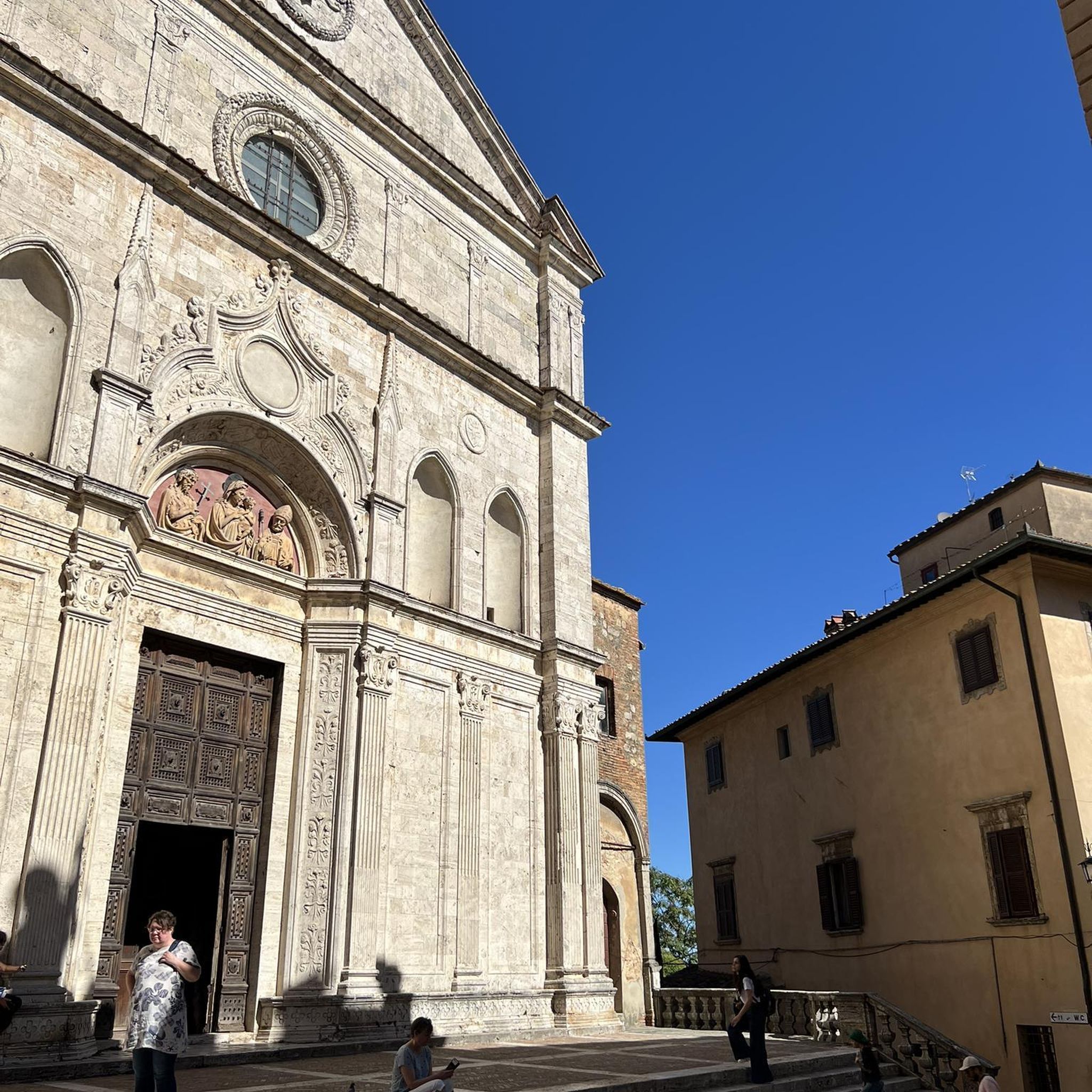
The church suffered little damage during the Hundred Years' War and the Wars of Religion. From the end of the 18th century, maintenance work was undertaken mainly inside the church. In 1822, the reconstruction of the bell tower framework began, followed in 1852 by the restoration of the west facade. A further restoration took place around 1860, and the sacristy was enlarged by the construction of a semicircular annex extending the Romanesque apse. Beginning in 1880, a roof repair campaign began, and a new belfry was installed in the bell tower. From 1890 to 1900, the cemetery surrounding the church was moved to the "Fief des Rentes," and the former burial site was transformed into a public square. Starting in 1926, the choir roof was replaced and the bell tower was made watertight. In 1971, the work program included the renovation of the exterior walls, the demolition of the false apse and the sacristy that concealed the apse of the south transept. In 1990, the main door was replaced with oak leaves, the stones were repointed, and the collapsed arch keystone was reinstalled. In the 2000s, the municipality repaired the mechanism of the two belfry bells, and the building was illuminated and maintenance work was carried out.
0
0
よくある質問
Le Chay周辺には、交通量の少ないサイクリングルートがいくつありますか?
Komootでは、Le Chay周辺に75以上の交通量の少ないサイクリングルートを提供しています。これらのルートは、車両交通から離れたシャラント=マリティームの静かな風景の中を、穏やかな体験を提供します。
Le Chay近郊の交通量の少ないサイクリングルートでは、どのような地形が期待できますか?
Le Chay周辺の地形は一般的に穏やかで、広大な農耕地、穀物畑、ブドウ畑のある平和で保存状態の良い田園地帯が特徴です。多くのルートは舗装された路面が中心で、様々なサイクリングレベルに対応しています。シュドル川沿いののどかな川沿いの景色も楽しめます。
Le Chayには、家族向けの交通量の少ないサイクリングルートはありますか?
はい、Le Chay周辺の交通量の少ないルートの多くは家族連れに適しています。45以上の簡単なルートがあり、高低差が少なく距離も短いオプションを見つけることができ、リラックスした家族のアウトドア活動に最適です。この地域のグリーンウェイと専用自転車道は、あらゆる年齢層に安全で楽しい体験を保証します。
Le Chayエリアで、周回型の交通量の少ないサイクリングルートを見つけることはできますか?
もちろんです。Le Chay周辺のサイクリングルートの多くはループ状に設計されており、同じ地点からスタートしてフィニッシュすることができます。例えば、ザウジョン発のポワント・デギール – リベロウ・ポルト ループは、変化に富んだ風景の中を20kmの快適なライドを提供します。
これらの交通量の少ないルート沿いでは、どのような景色の良い展望台やランドマークを発見できますか?
ルートはしばしば魅力的な田園風景の中やシュドル川沿いを通過します。伝統的なサントンジュ様式の家屋や、古いモルガール水車のような歴史的な水車小屋に出会うかもしれません。ユニークな植物体験のために、'注目すべき庭園'として認められているリオレット庭園も近くにあります。海岸沿いのルートからは、大西洋岸やジロンド川河口を垣間見ることができるかもしれません。
交通量の少ないルートでは、様々な体力レベルに対応したオプションはありますか?
はい、ルートは幅広い体力レベルに対応しています。45以上の簡単なルート、約25の中程度のルート、そして数個のより挑戦的なオプションがあります。この多様性により、初心者から経験豊富なサイクリストまで、適切な交通量の少ないアドベンチャーを見つけることができます。中程度の挑戦には、ザウジョン発のモルナック=シュル=シュドルのかもめ市場~リベロウ・ポルト ループをお試しください。
Le Chayでサイクリングツアーを楽しむのに最適な時期はいつですか?
シャラント=マリティーム地域は一般的に穏やかな気候に恵まれており、春と秋がサイクリングツアーに最適です。これらの季節は天候が快適で、自然の風景は特に鮮やかになり、夏のピーク時よりも混雑が少なくなります。夏も楽しめますが、特に海岸沿いのルートでは、より暖かい気温に備えてください。
La VélodysséeやLa Flow Véloのような主要なサイクリングネットワークに接続するルートはありますか?
Le Chayの立地は、主要なサイクリングネットワークに接続するのに最適です。この地域は、シャラント川沿いを蛇行するLa Flow Vélo、そしてフランス大西洋岸に沿った(ユーロヴェロ1)La Vélodysséeと統合されています。これらのネットワークは、専用のグリーンウェイや交通量の少ない道路をしばしば利用しながら、広範囲なツアーの機会を提供します。
これらの交通量の少ないサイクリングルートにアクセスするために、車をどこに駐車できますか?
各ルートの具体的な駐車エリアは異なりますが、Le Chayやザウジョンなどの周辺の町には公共の駐車場があります。特に町から始まるルートの多くは、近くにアクセス可能な駐車場があります。Komootで選択したルートの出発点を確認して、より正確な駐車情報を見つけることをお勧めします。
交通量の少ないルート沿いには、休憩場所や宿泊施設はありますか?
はい、シャラント=マリティーム地域にはサイクリスト向けの設備が充実しています。ルート沿いの魅力的な村や町には、カフェ、レストラン、宿泊施設があります。例えば、Le Chayにあるオーベルジュ・デュ・ムーランは、シュドル川沿いのレストラン兼宿泊施設に改装されており、快適な休憩場所を提供しています。
Le Chayの交通量の少ないルートについて、他のサイクリストが最も楽しんでいる点は何ですか?
komootコミュニティはLe Chayでのサイクリングツアーを高く評価しており、745件以上の評価から平均4.28つ星を獲得しています。レビューでは、ルートの静けさ、美しい田園風景、交通から離れた場所で見つけられる平和な感覚がしばしば称賛されています。手入れの行き届いた道と、自然と歴史的な景観の融合が、楽しい側面として頻繁に挙げられています。
地元の牡蠣養殖文化を垣間見ることができるルートはありますか?
はい、「二つの河口の間」という標識のあるサーキットのような一部のローカルループでは、サイクリストは甘いシュドル川をたどり、ラギューユの牡蠣港に到達することができます。これにより、この地域の有名な牡蠣養殖文化を体験し、道中の変化に富んだ風景を楽しむユニークな機会が得られます。
ルチャイでのの人気観光スポット

komootモバイルアプリでインスピレーションを得よう


さらに探索
他の地域の最高のサイクリングルートを見てみましょう。
