メディス周辺のおすすめ交通量の少ないサイクリングルート
4.4
(1278)
10,343
ライダー
112
ライド
Médis周辺の交通量の少ないサイクリングルートは、フランス南西部のシャラント=マリティーム県に位置し、海岸と田園風景のブレンドを提供しています。この地域は平坦から緩やかに起伏のある地形が特徴で、ゆったりとしたライドに適しています。サイクリストは、集落、森林、湿地帯を含む多様な景観を探索でき、ジロンド川河口や大西洋のビーチにも近いです。この地域は、農地を横切り、景色の良い展望台へと続く小道のネットワークを提供しています。
Médis周辺の交通量の少ないサイクリングルート ベスト
- 最も人気のある交通量の少ないサイクリングルートは、サウジョン発ポワント・デギール~リベルー港ループで、走行距離は12.6マイル(20.2 km)、所要時間は1時間22分です。このイージーなルートからは河口の景色を眺めることができ、田園風景の中を走ります。
- 地元のサイクリストに人気のもう一つのルートは、モルナック=シュル=セードルのかつての市場~マレンヌ運河ループ(ル・トラン・デ・ムエット~サウジョン発)で、中程度の難易度の40.2マイル(64.8 km)のルートです。このルートは、海岸と湿地の風景が混在し、魅力的な村々を結んでいます。
- 地元のサイクリストは、ル・トラン・デ・ムエット~リベルー港ループ(ル・トラン・デ・ムエット~サウジョン発)も気に入っています。この13.9マイル(22.3 km)のルートは、海岸沿いのエリアやセードル川河口に沿って走り、所要時間は約1時間20分です。
- Médis周辺のサイクリングは、田園風景、海岸沿いの道、湿地帯が特徴です。このネットワークは、イージーなループから中程度の距離まで、さまざまなレベルのサイクリストに対応するオプションを提供しています。
- Médisのルートは、1200件以上のレビューから平均4.3つ星の評価を得ており、komootコミュニティから高く評価されています。10,000人以上のサイクリストがkomootを利用して、Médisの多様な地形を探索しています。
最終更新日: 10月 20, 2026
4.5
(12)
65
ライダー
20.8km
01:24
30m
30m
初級者向けバイクライド. あらゆるフィットネスレベルに適しています。 全般的に舗装された状態です。あらゆるスキルレベルに適しています。
4.4
(9)
30
ライダー
63.9km
03:48
100m
100m
中程度の自転車ライド. ある程度のフィットネスレベルが必要です。 全般的に舗装された状態です。あらゆるスキルレベルに適しています。

3.0
(1)
14
ライダー
32.1km
02:02
50m
50m
中程度の自転車ライド. ある程度のフィットネスレベルが必要です。 全般的に舗装された状態です。あらゆるスキルレベルに適しています。
4.0
(2)
10
ライダー
24.8km
01:31
120m
120m
初級者向けバイクライド. あらゆるフィットネスレベルに適しています。 全般的に舗装された状態です。あらゆるスキルレベルに適しています。
11
ライダー
113km
06:19
410m
410m
難しい自転車ライド. 標準以上のフィットネスレベルが必要です。 ツアーの一部で自転車を押して歩く必要があるかもしれません。
さらに多くのルートや他のユーザーのおすすめ情報を確認できます。
すでにアカウントをお持ちですか?
おすすめのツアーは他のkomootユーザーが実際に経験した何千ものアクティビティに基づいています。
無料アカウントで今日から始めよう
次の冒険が待っています。
メディス周辺で人気
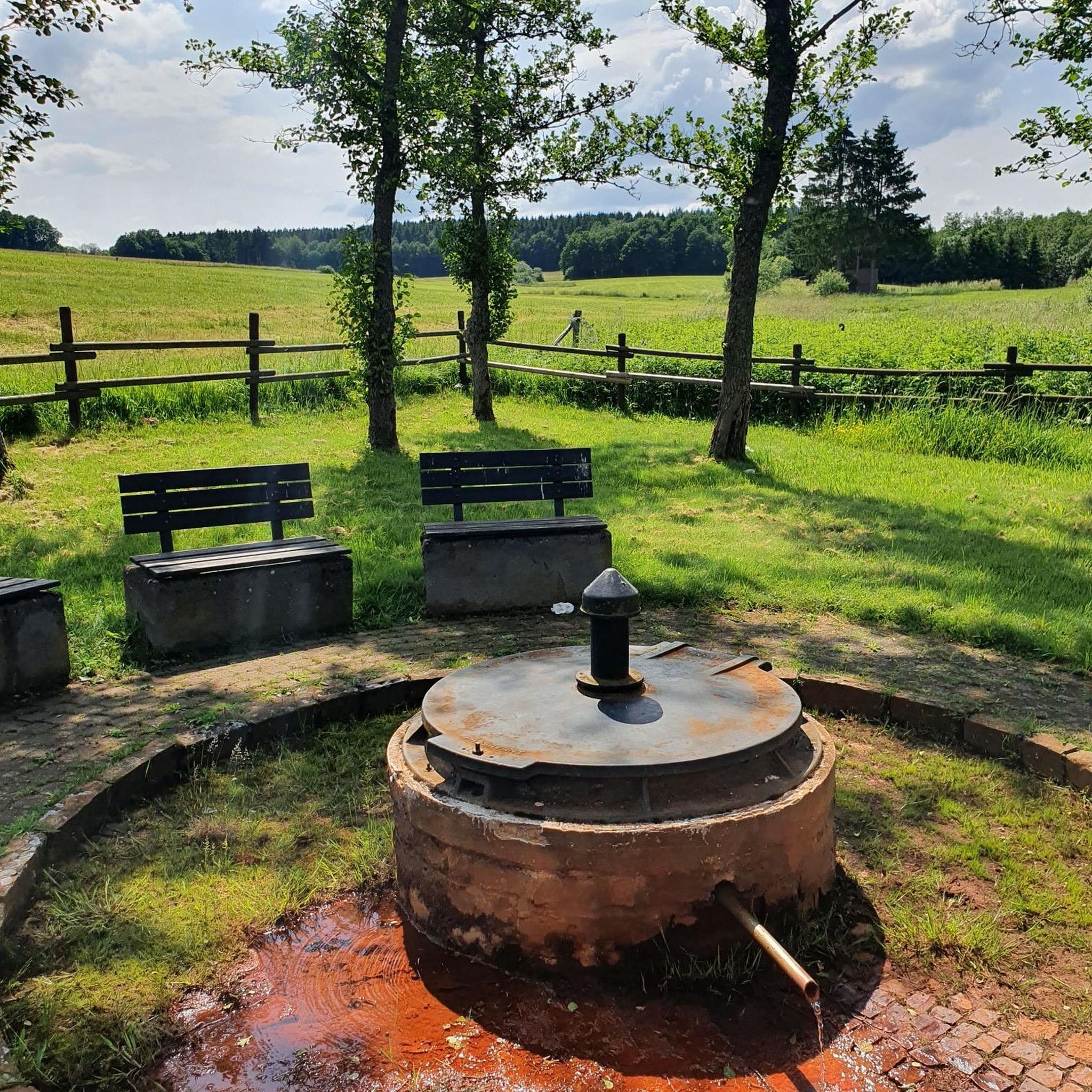

コミュニティからのヒント

Les Halles de Mornac は中世に出現しました。その存在を証明する最初の書面による証拠は1664年になってからです。 おそらくそれらはより古く、1550年代にさかのぼる可能性があります。 Les Hallesは通常、石柱で支えられ、瓦で覆われた木骨造りの避難所です。CozesやPisanyのものと同様に、宗教戦争の変遷を経験し、損傷を受けたり、破壊されたりした後、平和が戻ったときに再建されたと考えることができます。Les Halles de Mornacの場所は有名な見本市の会場であり、住民が領主に支払う権利と引き換えに製品を販売することを可能にしました。それは彼にとって重要な収入源であり、彼にこれらのLes Hallesを完璧な状態に維持することを義務付けていました。領主と売り手を拘束する行為は、商品の販売権と上記のLes Hallesの維持を意味する契約を封印しました。
0
0

注意:フェリーはカード払いができません!現金がない場合は、交通量の多い橋を迂回するしかありません。2026年の料金は3ユーロです。
1
0

The port of Ribérou is a major heritage site in Saujon, bearing witness to a prosperous maritime past linked to the salt and wine trade. Transformed in the 19th century by ambitious works, it has now been reinvented as a place for living, relaxation, and preserving local history. 🛶 Origins and the Middle Ages The port of Ribérou takes its name from the Latin word ripa ("riverbank") or the Occitan word ribèira ("river"). It is located at the head of the Seudre estuary. It existed as early as the 11th century and became an important river and sea port thanks to its strategic position at the head of the estuary, used particularly for the salt trade—then called "white gold"—a highly sought-after product for preserving food. 🚢 Medieval Period and International Trade With the opening of British markets during the reigns of Eleanor of Aquitaine and Henry II Plantagenet, ships laden with wool, salt, wine, and other goods flocked to Ribérou. In the 16th century, the port exported local wines (such as cognac and pineau) throughout Europe. In 1577, during the Wars of Religion, the port was a strategic site: troops were stationed there, and battles took place. 🏗️ Decline, Reconstruction, and the 19th Century The estuary gradually silted up, making navigation difficult. By 1691, only smaller vessels could dock there. During the French Revolution, the sale of the tidal mill, which helped remove sediment, worsened the silting, leading to the port's decline. A modernization project began in 1822, but it wasn't until 1839 that an ambitious program was launched under the impetus of Jules Dufaure—a native of Saujon and Minister of Public Works—with the construction of sturdy quays, slipways, a lock bridge (marking the boundary between fresh and salt water), and reception facilities. In 1842, the work was completed, and the main quay was named Quai Dufaure in honor of this political support. 📉 Gradual Decline and Modernization The arrival of the railway in 1876 and the persistent problems of silting led to a decline in the port's traditional commercial activity, already facing competition from other transport networks. In the 20th century, the port gradually lost its economic importance but remained active for traditional fishing and became a place for pleasure boating, leisure, and local culture. Urban and tourism development projects (particularly in 2011–2012) modernized the port while preserving its historical charm. 🌊 Today The port of Ribérou is now a small fishing and pleasure port, much appreciated for its walks along the Seudre River, water sports (canoeing, kayaking, paddleboarding, etc.), and seasonal events.
0
0

The flushing lock is located at the head of the port, between the north bank's embankment and the south bank's quay. A retention basin, occupying the non-navigable Seudre riverbed as far as Saujon, follows the flushing lock. Within the retention basin, rubble stone embankments extend the lock's return walls for a few meters. The lock itself forms a bridge carrying a road. The lock bridge consists of two piers, forming three arches, each housing two gates. On the upstream side of the lock, the piers have semicircular cutwaters. The three bands are stacked and terminate in clamps. The lock ends with a cornice resting on modillions. The cornice follows the shape of the cutwaters. A metal balustrade, also semicircular in shape, is fixed to the top of the lock. This balustrade is framed by two stone moldings. The sluice gate and its upstream and downstream return walls are constructed of dressed stone. The masonry is of medium and regular quality, except for the coping of the return walls, which features large and regular masonry. The upstream north return wall is lower than the one on the south bank. A small parapet of recently constructed white rubble masonry surmounts it. The sluice gate is equipped with metal gates, the modern racks of which are visible. The first sluice gate was built around 1825 on the site of a former tidal mill. During the works carried out between 1839 and 1842, the sluice gate's embankment was modified to allow the passage of vehicles. Between 1847 and 1853, the lock was enlarged to allow for larger flushes, and the reservoir was excavated. Return walls were also built to connect the flushing lock to the riprap. It was then restored in 1865 and completely rebuilt between 1868 and 1869. The lock is 10.50 m wide, and its gates are each 1.50 m wide. The reservoir is 700 m long and has an average width of 30 m.
0
0


Long sandy beach and beautiful sunset
1
0
よくある質問
メディス周辺には、交通規制のないサイクリングルートが何件ありますか?
メディス周辺には、100件以上の交通規制のないサイクリングルートがあり、あらゆるスキルレベルに対応する幅広い選択肢を提供しています。景色の良いシャラント=マリティーム地方の田園地帯を巡る、短くて簡単なライドから、長くて挑戦的なツアーまで、あらゆるものが見つかります。
これらの交通規制のないルートでは、どのような風景が期待できますか?
メディス周辺のルートでは、多様な風景が楽しめます。静かな小集落、平和な森、そして絵のように美しい湿地帯をサイクリングします。多くのルートからは海岸にも簡単にアクセスでき、メディス自体は少し内陸にありますが、ジロンド川河口と近くのビーチの素晴らしい景色を眺めることができます。
メディスには、家族向けの交通規制のないサイクリングルートはありますか?
はい、メディスは家族でのサイクリングに最適なエリアです。64件の簡単な評価のルートの多くは家族に適しており、穏やかな地形と安全な交通規制のない道を提供しています。これらのルートはしばしば魅力的な田園地帯を通り抜けるため、子供たちとのリラックスした一日を過ごすのに最適です。
これらのサイクリングルートに犬を連れて行ってもいいですか?
ガイドには犬に優しいルートが具体的に記載されていませんが、森や田園地帯を通る交通規制のない道の多くは、地域の規制を遵守している限り、首輪をつけたおとなしい犬と一緒にサイクリングするのに適しています。常に犬が距離と地形に快適であることを確認し、あなたと犬の両方に十分な水を持参してください。
ルート沿いには、どのような興味深いランドマークやアトラクションがありますか?
いくつかの見どころを発見できます。例えば、歴史的な18世紀のムーラン・ド・ラ・ジューディエールは、メディス地方の田園地帯にある注目すべき文化的なランドマークです。また、サン=ジョルジュ=ド=ディドンヌ・ビーチ、グロット・ド・マタタ、またはメシュ=シュル=ジロンドの湿地帯サイクリングロードのような自然の特徴に出会うこともあり、ユニークな生態系の風景を提供しています。
交通規制のない周回ルートはありますか?
はい、多くのルートはループとして設計されており、同じ地点からスタートして、同じ道を戻ることなくフィニッシュできます。例として、ソーゾン発の簡単な評価のポワント・デギール – リベロウ港ループがあり、約20kmをカバーしています。
メディスでサイクリングツアーをするのに最適な時期はいつですか?
シャラント=マリティーム地方は一般的に温暖な気候に恵まれており、春と秋がサイクリングツアーに最適です。天候は快適で、自然の風景は活気に満ちています。夏も楽しめますが、特に海岸沿いのライドを好む場合は、より暑く混雑する可能性があります。
他のサイクリストは、メディス周辺の交通規制のないルートのどのような点を最も楽しんでいますか?
komootコミュニティはメディス周辺のサイクリング体験を高く評価しており、平均スコアは4.3つ星です。レビューでは、交通規制のない道の静けさ、田園地帯と海岸の景色の美しい融合、そして様々なスキルレベルに対応できるルートのアクセシビリティがしばしば称賛されています。
経験豊富なサイクリスト向けの、長くてより挑戦的な交通規制のないルートはありますか?
もちろんです。簡単なオプションがたくさんある一方で、メディスはより挑戦的なルートも提供しています。例えば、モルナック=シュル=スードルの市場ホールからル・トラン・デ・ムエット – ソーゾン発のシェナル・ド・マレンヌループは64kmを超え、多様な風景を巡る長い冒険を提供します。
これらの交通規制のないサイクリングルートにアクセスする際、車はどこに駐車できますか?
多くのルートはソーゾンなどの町や村から始まっており、通常は公共駐車場があります。より田園地帯で始まるルートの場合は、トレイルヘッドや地元の観光スポットの近くにある指定された駐車スペースを探してください。推奨される駐車場所については、特定のルートの詳細を確認することをお勧めします。
自転車と一緒にこれらの交通規制のないルートの出発点に公共交通機関でアクセスできますか?
メディスおよび周辺のロワイヤン・アトランティック地域は、一般的に良好な接続性があります。特定の自転車輸送ポリシーは公共交通機関のプロバイダー(例:地方の列車やバス)によって異なりますが、ピーク時間を除けば、一部のサービスで自転車を運ぶことが可能な場合が多いです。旅を効果的に計画するために、地元の交通機関に現在の自転車持ち込み規則とスケジュールを確認するのが最善です。
メディスでのの人気観光スポット

komootモバイルアプリでインスピレーションを得よう


さらに探索
他の地域の最高のサイクリングルートを見てみましょう。
