ジェティニエ周辺のおすすめ交通量の少ないサイクリングルート
4.1
(181)
2,372
ライダー
141
ライド
Gétigné周辺の交通量の少ないロードサイクリングルートは、Moine川とSèvre Nantaise川によって形作られた景観を横切り、様々なサイクリング体験に適した起伏を提供します。この地域は、絵のように美しい川沿いの谷、広大なブドウ畑、歴史的な水車小屋が特徴です。サイクリストは、自然地域を縫うように走るルートを期待でき、しばしば周囲の田園風景や近くのClissonのユニークなイタリア風建築の眺めを楽しむことができます。
Gétigné周辺の最高の交通量の少ないロードサイクリングルート
- 最も人気のある交通量の少ないロードサイクリングルートは、3つの州の谷 – Clisson発 Hellfest Rock Cityループで、距離は32.4マイル(52.1 km)、所要時間は2時間21分です。このルートは、Sèvre Nantaise川が3つの歴史的な州の合流点で橋を渡る、静かな自然環境を探検します。
- 地元のロードサイクリストに人気のもう一つのルートは、Clisson城 – Cugand発 Hellfest Rock Cityループで、イージーな16.9マイル(27.3 km)のコースです。このルートからは、中世のClisson城とSèvre川の眺めが楽しめます。
- 地元のロードサイクリストに愛されているのは、Clisson城 – 谷の橋ループ(Clisson発)で、距離は24.3マイル(39.1 km)です。このルートは川沿いの谷を抜け、Clissonのイタリア風建築を通り過ぎ、所要時間は約1時間45分です。
- Gétigné周辺のロードサイクリングは、景色の良い川沿いの谷、広大なブドウ畑、Clisson城のような歴史的な場所が特徴です。このネットワークは、イージー、ミディアム、チャレンジングなルートのオプションを提供し、様々なレベルのサイクリストに対応します。
- Gétignéのルートは、160件以上のレビューから平均4.0つ星の評価を得ており、komootコミュニティから高く評価されています。2,000人以上のロードサイクリストがkomootを利用して、Gétignéの多様な地形を探索しています。
最終更新日: 8月 12, 2026
4.0
(3)
27
ライダー
51.9km
02:26
430m
430m
中程度のロードライド. ある程度のフィットネスレベルが必要です。 ツアーの一部に、未舗装のため走行が難しい箇所があるかもしれません。
4.0
(4)
20
ライダー
27.3km
01:19
270m
270m
初級者向けロードバイクライド. あらゆるフィットネスレベルに適しています。 全般的に舗装状態が良好で走行しやすい道です。

無料新規登録
5.0
(1)
17
ライダー
30.3km
01:16
130m
130m
中程度のロードライド. あらゆるフィットネスレベルに適しています。 ツアーの一部に、未舗装のため走行が難しい箇所があるかもしれません。
3.5
(2)
11
ライダー
67.4km
02:59
450m
440m
中程度のロードライド. ある程度のフィットネスレベルが必要です。 全般的に舗装状態が良好で走行しやすい道です。
17
ライダー
94.1km
04:30
720m
720m
中程度のロードライド. ある程度のフィットネスレベルが必要です。 全般的に舗装状態が良好で走行しやすい道です。
さらに多くのルートや他のユーザーのおすすめ情報を確認できます。
無料新規登録
すでにアカウントをお持ちですか?
おすすめのツアーは他のkomootユーザーが実際に経験した何千ものアクティビティに基づいています。
無料アカウントで今日から始めよう
次の冒険が待っています。
ログインまたは登録
ジェティニエ周辺で人気
コミュニティからのヒント

From 1805 to 1827, the sculptor François-Frédéric Lemot (winner of the Prix de Rome in 1790) transformed a former hunting forest belonging to the lords of Clisson into an idealized landscape. Influenced by the gardens of Ermenonville and Méréville, guided by his classical education and the memory of Tivoli, Lemot freely designed his garden whenever his official duties in Paris allowed. It is now a park managed by the department, freely accessible for a relaxing break with a beautiful view of the château.
0
0

Clisson Castle has quite a story to tell: first an impregnable fortress overlooking the Sèvre, then a ducal residence, and finally a romantic ruin. In the 12th century, the powerful lordship of Clisson built this stone castle with highly elaborate defensive architectural systems: arrow slits, gun ports, and slits. A strategic point protecting the border of the Duchy of Brittany in the 15th century, it was abandoned by its owners from the second half of the 17th century onward before being burned down by Republican troops in 1793. But, beyond its grand history, this castle also has a more historic significance! In 1807, François-Frédéric Lemot, creator of the Garenne Lemot estate (a picturesque landscape located on the other side of the river), was captivated by these ruins and purchased it to turn it into an ornamental factory. The château was declared a historic monument in 1924, before being acquired by the Loire-Atlantique department in 1962. Today, visitors can visit it, take a guided tour, or simply experience its history. A stop on the Journey through the Vineyard, it's a stopover during the wine tourism tour of Nantes' wine country, featuring natural sites, heritage features, characterful villages, and unique cellars.
1
0
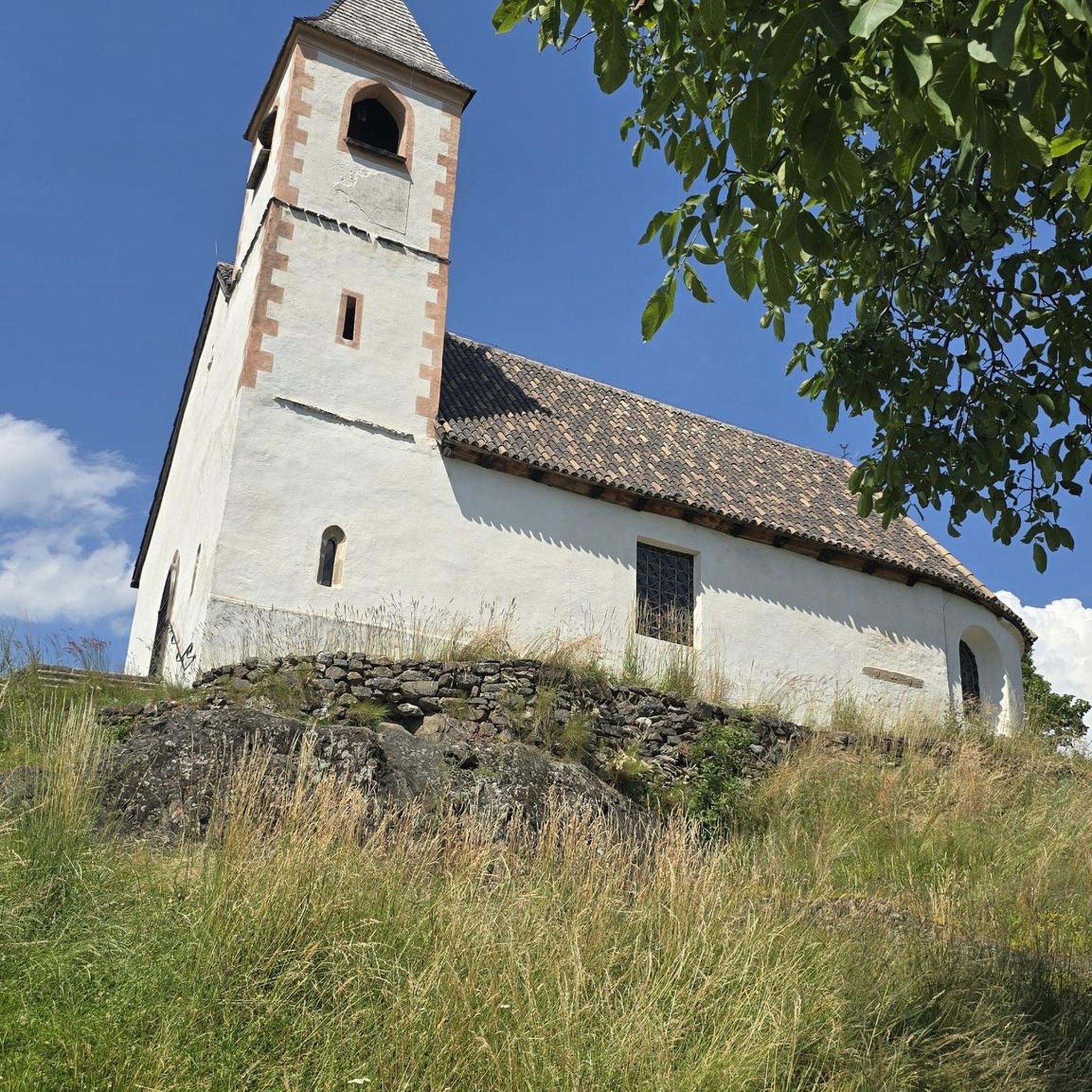
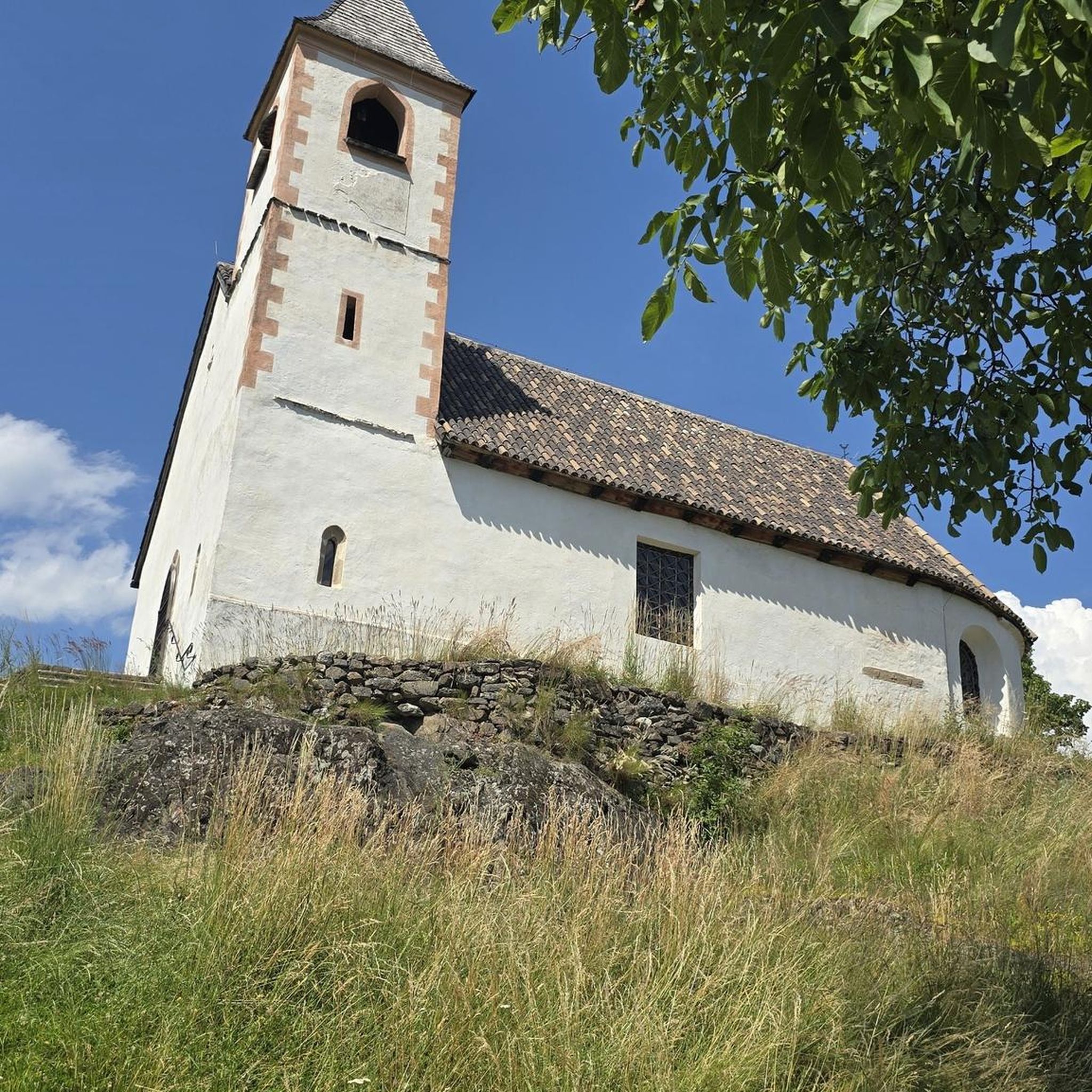
The modest Chapel of Saint Anne is the last vestige of the parish church of Saint Vincent. In the second half of the 11th century, the Chapel of Saint Anne was built. It adjoins the southern flank of a pre-existing castle chapel, probably contemporary with the keep, which dates from the late 10th or early 11th century. At an undetermined date, the two chapels were extended westward and became the chevet of the parish church of Saint Vincent. This extension was completed before 1646, the date at which a drawing by L. Doomer, preserved at the Dobrée Museum in Nantes, shows the complete building. In 1683, Archdeacon Binet described the dilapidated Church of Saint Vincent and the choir on the verge of ruin. No one dared touch it because it belonged to the lord of La Galissonnière and Le Pallet. We can therefore assume that the nave itself belongs to the parish, which is responsible for its upkeep. The choir, a former castle chapel, disappeared during the Revolution. The old church was razed in 1853, and only the Sainte-Anne chapel was spared thanks to the intervention of Prosper Mérimée. A new church was built on a new site in the village, reusing the stones from the old building. In addition to its dilapidated condition, the old church had the disadvantage of being located far from the village. The chapel was listed as a historical monument in 1941 (decree of August 9). It was restored in 1957. NOTE: THE CHURCH HAS BEEN CLOSED SINCE JULY 23, 2018, FOR INDEFINITE WORK.
1
0
The Trinity Church is getting a makeover in the heart of Clisson Off-limits since 2018, the Trinity Church in Clisson is undergoing extensive restoration work until 2027, accompanied by reinforcement and safety work. The Trinity Church in Clisson has been off-limits since 2018 due to pieces of tufa stone found on the floor of the building, raising concerns about safety issues. The restoration has been decided upon, along with reinforcement and safety work. This work is expected to continue until 2027. The construction site will soon be explained to the residents of Clisson, using signs. The artwork and furnishings have been protected and stored, tarpaulins protect the building and the workers, the vaults and framework will be restored, and the wall plasterwork will be examined and redone where necessary. The work will concern the side aisles until next summer, the nave for the following twelve months. Then it will be the turn of the choir and transepts between January 2026 and spring 2027, then the sacristy, the bell tower and the outbuildings.
2
0
The Church of the Trinity was originally a Benedictine priory, with a parish, dependent on the abbeys of Saint-Martin-de-Vertou and Saint-Jouin-de-Marnes. In the 11th century, it was occupied by the canons regular of the Order of Saint Augustine. In 1645, Fontevrist nuns from La Regrippière en Vallet settled there. The convent burned down in 1794 by the infernal columns of the Republican armies. From the 11th century onwards, the church had a choir with an apse, side chapels, and a square bell tower. In the 17th century, the Benedictine nuns replaced the Romanesque choir with an elongated one, featuring a remarkable Baroque altarpiece. They demolished the southern part of the choir to build their oratory. During the French Revolution, the church returned to the parish. Around 1867/1868, work was undertaken. The façade was redone in a neo-Romanesque style, while the neo-Gothic style was preferred for the interior of the religious monument.
1
0

Another beautiful site on the Sèvre Nantaise, with the unusual feature this time: it's not only at the crossroads of three departments (LA, Vendée, and M&L), a rather common occurrence, but also of three former provinces: Brittany, Poitou, and Anjou. The crossroads is formed by the Sèvre on one side and its tributary, the Bon Débit, on the other. The inn of the same name looks very nice; in any case, the setting is splendid.
0
0


Using the power of moving water to drive a mill wheel is an ancient invention that dates back to pre-Christian times. Thanks to such a construction, human or animal muscle power could be easily replaced by a watercourse - natural or artificially created - in order to grind grain into corn, for example. There are essentially two different ways of driving watermills: either the water simply hits the blades of the water wheel from below to set it in motion; or the water is guided above the wheel and falls onto the blades; this type of construction is more efficient due to natural gravity.
1
0
よくある質問
ジェティニェ周辺には、交通量のないロードサイクリングルートはいくつありますか?
ジェティニェ周辺には、130以上の専用の交通量のないロードサイクリングルートがあり、幅広い体験を提供しています。これらのルートはkomootコミュニティから高く評価されており、160件以上のレビューで平均4.0つ星を獲得しています。
これらの交通量のないロードサイクリングルートでは、どのような風景が期待できますか?
ジェティニェ周辺のルートは、主に絵のように美しいナントのブドウ畑地方を横断し、モワン川とセーヴル・ナンテーズ川沿いのブドウ畑、川沿いの谷、歴史的な水車小屋の景色を楽しめます。自然の美しさと文化遺産の融合は、穏やかなサイクリングに最適です。
初心者や家族連れに適した、交通量のない簡単なロードサイクリングルートはありますか?
はい、ジェティニェには簡単なルートが豊富にあります。例えば、クガン発、クリッソン城 – ヘルフェスト・ロック・シティ周回ルートは、緩やかな高低差の簡単な27.3kmのライドで、リラックスした外出に最適です。全体として、44の簡単なルートから選ぶことができます。
経験豊富なサイクリスト向けの、交通量のない挑戦的なロードサイクリングルートはありますか?
ほとんどのルートは中程度ですが、より挑戦的なオプションがいくつかあります。特に川沿いの谷の起伏のある地形は、より急な登りを提供することがあります。より長く中程度の挑戦には、94kmを超える距離とかなりの高低差があるクリッソン発、ヘルフェスト・ロック・シティ – クリッソン城周回ルートを検討してください。
交通量のないルート沿いには、どのような興味深いランドマークやアトラクションがありますか?
多くのルートは、重要な歴史的および自然的な場所を通過します。印象的な中世のクリッソン城を通り抜けたり、景色の良い三つの州の谷を探索したり、古い水車場である歴史的なアルセナルを発見したりできます。ロマネスク様式のテンプル騎士団の礼拝堂も近くにあります。
ジェティニェ周辺には、交通量のないロードサイクリングの周回ルートはありますか?
はい、多くのルートはループとして設計されており、同じ場所からスタートして終了できます。例として、この地域の多様な景観を紹介する中程度の52kmのライドであるクリッソン発、三つの州の谷 – ヘルフェスト・ロック・シティ周回ルートがあります。
ジェティニェでロードサイクリングを楽しむのに最適な時期はいつですか?
ナントのブドウ畑地域の一部であるジェティニェ地域は、暖かい季節を通して美しいです。特に収穫期には、春と秋は快適な気温と素晴らしいブドウ畑の景色を提供します。夏も人気がありますが、暑さに備える必要があります。
これらの交通量のないロードサイクリングルートの駐車場はどこにありますか?
多くのルートはクリッソンやクガンなどの町から始まります。これらの町には通常、公共駐車場があります。ライドの前に、利用可能な駐車オプションについて特定の出発点を確認することをお勧めします。
ルート沿いには、休憩や軽食をとれる場所はありますか?
この地域はグリーンツーリズムと魅力的な町に重点を置いているため、休憩の機会があります。イタリア風建築のクリッソンは、カフェやレストランに最適な場所です。多くのルートは、地元の施設が見つかる村を通過または近くを通ります。
ジェティニェ地域が交通量のないロードサイクリングに特に適しているのはなぜですか?
ジェティニェ地域は、「グリーンツーリズム」と、川岸やブドウ畑の道に沿って整備されたサイクリングパスのネットワークで知られており、これらは車両の交通量を最小限に抑えるように特別に設計されています。これにより、サイクリストはセーヴル・ナンテーズ川とモワン川の谷の自然の美しさと歴史的な場所を静かな環境で楽しむことができます。
ジェティニェ地域でロードサイクリングと他のアクティビティを組み合わせることはできますか?
もちろんです!多くのサイクリングルートが通るセーヴル・ナンテーズ川は、カヌーやカヤックにも人気があり、地元の動植物を異なる視点から楽しめます。また、ムーラン・ド・ジェルヴォワのような史跡を探索したり、ジェティニェのヴァロン公園のような静かな場所で散策を楽しんだりすることもできます。
ジェティニエでのの人気観光スポット

komootモバイルアプリでインスピレーションを得よう


さらに探索
他の地域の最高のロードサイクリングルートを見てみましょう。
