ラベルヴァインティングのおすすめウォーキング&ハイキングルート
4.6
(449)
1,750
ハイカー
28
ハイキング
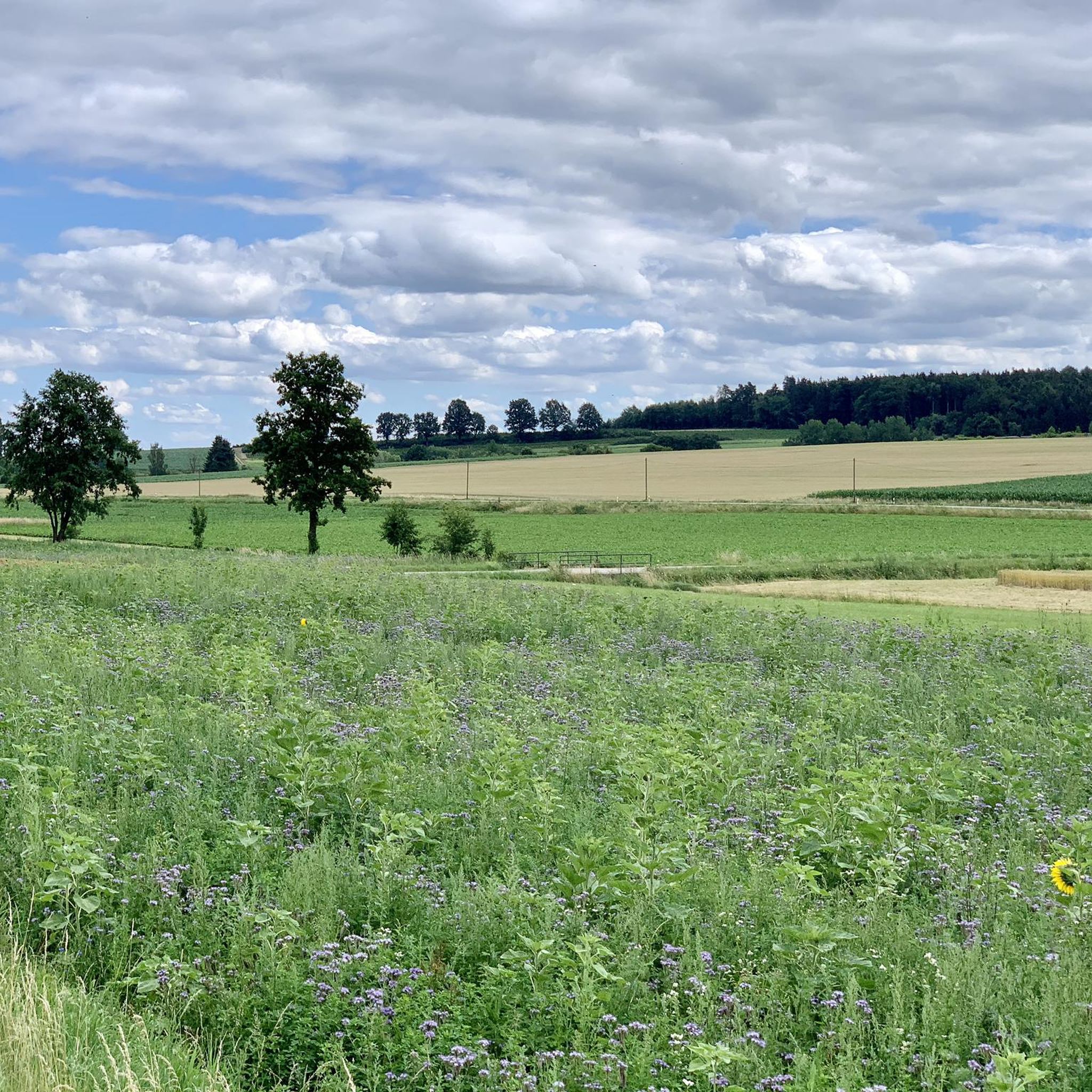
ラバーヴァインティング周辺のハイキングは、ラバー川とドナウ川、そして広大な森林や畑に囲まれた多様な景観が特徴です。この組み合わせが、探検に適した変化に富んだ自然環境を作り出しています。この地域では、ゆったりとした散策から、田園地帯を巡るより挑戦的なルートまで、数多くのハイキングの可能性が提供されています。
ラバーヴァインティング周辺のベストハイキングトレイル
- 最も人気のあるハイキングルートは、アイルティング発の「ケルトの囲い跡~鹿の囲いループ」(Keltenschanze – Deer Enclosure loop from Eitting)で、距離5.5マイル(8.9 km)、所要時間2時間22分です。この適度な難易度のルートは、歴史的なケルトの囲い跡があるクライネ・ラバー川の谷を巡ります。
- 地元のハイカーに人気のもう一つのルートは、グラフェントラウバッハ発の「森の端の十字架~マラーシュドルフ修道院ループ」(Crucifix at the Forest Edge – Mallersdorf Abbey loop from Grafentraubach)で、距離4.6マイル(7.3 km)の簡単なコースです。このトレイルからはマラーシュドルフ修道院の景色を眺めることができ、変化に富んだ森林と畑の地形を通り抜けます。
- ラバーヴァインティングの地元ハイカーに愛されているのは、「ラバーヴァインティング発の十字架のある休憩所ループ」(Rest area with crucifix loop from Laberweinting)で、距離3.4マイル(5.5 km)のトレイルは、地元の畑や森を巡り、所要時間は約1時間24分です。
- ラバーヴァインティング周辺のハイキングは、川の谷、広大な森林、そして開けた畑によって特徴づけられています。このネットワークは、簡単なコースから適度な難易度のルートまで、様々なレベルのハイカーに対応するオプションを提供しています。
- ラバーヴァインティングのルートは、約400件のレビューから平均4.6つ星という高い評価をkomootコミュニティから受けています。1,700人以上のハイカーがkomootを利用して、ラバーヴァインティングの多様な地形を探検しています。
最終更新日: 10月 7, 2026
4.5
(2)
9
ハイカー
8.88km
02:22
100m
100m
中程度のハイキング. ある程度のフィットネスレベルが必要です。 進みやすいルートです。あらゆるスキルレベルに適しています。
5.0
(1)
11
ハイカー
7.33km
01:56
60m
60m
初級者向けハイキング. あらゆるフィットネスレベルに適しています。 進みやすいルートです。あらゆるスキルレベルに適しています。

4.3
(4)
11
ハイカー
5.52km
01:24
10m
10m
初級者向けハイキング. あらゆるフィットネスレベルに適しています。 進みやすいルートです。あらゆるスキルレベルに適しています。
5.0
(2)
10
ハイカー
6.65km
01:41
20m
20m
初級者向けハイキング. あらゆるフィットネスレベルに適しています。 進みやすいルートです。あらゆるスキルレベルに適しています。
5.0
(2)
10
ハイカー
13.1km
03:29
130m
130m
中程度のハイキング. ある程度のフィットネスレベルが必要です。 進みやすいルートです。あらゆるスキルレベルに適しています。
さらに多くのルートや他のユーザーのおすすめ情報を確認できます。
すでにアカウントをお持ちですか?
おすすめのツアーは他のkomootユーザーが実際に経験した何千ものアクティビティに基づいています。
無料アカウントで今日から始めよう
次の冒険が待っています。
コミュニティからのヒント


Monastery Church of St. John the Evangelist - Mallersdorf On the site of the current church, a new building was built in the 12th century and consecrated in 1177. This was significantly rebuilt in the late Romanesque style in the middle of the 13th century and re-consecrated in 1265. It was a three-aisled basilica without a transept. Its double tower front with the west portal is largely preserved, and the core of the nave is also likely to date back to this building. The spacious late Gothic choir was built between 1460 and 1463. From 1613 onwards, it was redesigned to its current form as a wall pillar church. Around 1670, it was refitted in the Baroque style. From 1740 onwards, it was redesigned in the Rococo style. The high altar is considered one of the main works of the Rococo sculptor Ignaz Günther. The vaulted structure with four light grey-reddish marbled columns contains an altarpiece painted in 1749 by Martin Speer, which shows the Evangelist John on Patmos hurling lightning at unbelievers lying on the ground. Flanked: on the left, St. Emperor Henry II and St. Benedict, on the right, St. Scholastica and St. Cunigunde. The altarpiece shows the Apocalypse. In the centre is the Apocalyptic Woman, a symbol of the church fleeing from the seven-headed dragon. Above her is the Archangel Michael with a flaming sword, who is about to wrestle the dragon down. The two four-column altars in the first niche are the cross altar (left) with an altarpiece of the crucifixion of Christ, flanked by figures of St. Clara and Pope Gregory the Great, and an excerpt of the Last Supper, as well as the Annunciation Altar (right) with an altarpiece of the Annunciation scene, and an excerpt of God the Father and the Holy Spirit. In the second chapel there are now only two-column altars, namely the Guardian Angel Altar (right), in the excerpt of which the Apostle James the Elder is depicted, and the Benedict Altar (left) with the only side altarpiece signed by Speer and an excerpt of John the Baptist. In the third niche there is the Sebastian Altar on the left and the Mary Altar on the right. The two rear side altars are the Vitus Altar (left) with a depiction of St. Christopher in the excerpt and the Florian Altar (right) with an altarpiece of the weather saints John and Paul. Source: Excerpt from www.wikipedia.de
0
0
Mallersdorf Monastery The monastery dedicated to St. John the Evangelist was founded in 1107 by Heinrich von Kirchberg, a ministerial of the Imperial Abbey of Niedermünster in Regensburg. In 1109, Bishop Hartwig consecrated the St. John Chapel, which had already been consecrated by Bishop Wolfgang, as Mallersdorf's first monastery church. In 1136, Abbot Eppo dissolved the double monastery (as a community of men and women) that had probably existed in Mallersdorf up to that point, and the women's convent moved to neighboring Eitting. Romanesque church buildings in the 12th century, a religious heyday in the 13th century, and the Kastler Reformation in the 15th century shaped the later Middle Ages. The abbey was on the verge of dissolution in the middle of the 16th century. The monastery's position was consolidated when the monks from the Ebersberg Benedictine Abbey, which had been abolished by Pope Clement VIII in 1595, moved there. Under Abbot Anton Schelshorn (1665–1695), the central training center of the Bavarian Benedictine Congregation was established in Mallersdorf. In the 18th century, the monastery experienced another cultural, scientific and religious heyday. This was expressed in the redesign of the monastery church, which culminated in the construction of the artistically outstanding high altar by the Munich sculptor Ignaz Günther. The Latin school run by monks in the monastery on the Johannisberg enjoyed an excellent reputation. In 1803, the monastery was dissolved as part of the secularization in Bavaria. The goods were auctioned off, and from 1807 onwards the monastery buildings were used as offices for the district authorities and as official residences. Since 1869, sisters from the order of the Poor Franciscan Sisters of the Holy Family have lived in the monastery. Today they run a monastery brewery there, which brews around 60 hectoliters of beer per week. The monastery also runs the "Specialist Academy for Social Pedagogy of the Poor Franciscan Sisters of Mallersdorf". There is also the Nardini Secondary School, named after the founder of the community. In August 2014, it was reported that Sister Doris Engelhard, a nun at the abbey and certified master brewer, is the last beer-brewing nun in Europe. She has been brewing beer in the abbey for over 40 years. Brewing in the abbey was revived in 1881. On brewing days, she is exempt from morning prayers and begins work in the abbey's brewery at 3:30 a.m. Source: www.wikipedia.de
2
0

Hall church with recessed choir, essentially medieval. New building 1896/ 1897. Choir flank tower with onion dome
0
0
On the Nardiniweg towards the monastery
0
0
よくある質問
ラバーヴァインティング周辺のハイキングでは、どのような地形が予想されますか?
ラバーヴァインティングの景観は、なだらかな丘陵地帯、広大な森林、開けた野原が混在し、しばしばラバー川とドナウ川が流れています。これにより、変化に富んだ地形が生まれ、川沿いのゆったりとした散策から、多少の標高差がある中程度の難易度のルートまで楽しめます。
ラバーヴァインティングには初心者向けの簡単なハイキングコースはありますか?
はい、ラバーヴァインティングにはいくつかの簡単なコースがあります。人気のある選択肢は、グラフェントラウバッハ発の「森の端のキリスト像 – マラーシュドルフ修道院ループ」で、マラーシュドルフ修道院の景色を眺めながら、変化に富んだ森林や野原の地形を通る、距離7.3km(4.6マイル)の簡単なコースです。
ハイキング中に歴史的または文化的なランドマークを見ることはできますか?
もちろんです。この地域は歴史が豊かです。例えば、エッティング発の「ケルト人の砦 – ディアーエンクロージャー ループ」は、クライネ・ラバー川の谷を通り、ワインガルテン近くの歴史的なケルト人の長方形の囲いや環状壁があり、古代の歴史を垣間見ることができます。
ラバーヴァインティングで周回ハイキングコースを見つけることはできますか?
ラバーヴァインティングの多くのコースは周回コースとして設計されており、同じ場所からスタートして終了することができます。例としては、ラバーヴァインティング発の「キリスト像のある休憩所 ループ」があり、地元の野原や森林を巡る5.5km(3.4マイル)のコースです。
ラバーヴァインティングでハイキングするのに最適な時期はいつですか?
春はラバーヴァインティングでのハイキングに特に美しく、自然環境が満開になり、川沿いの谷は息をのむような景色を提供します。晩春と初秋の穏やかな気候も、トレイルを探索するのに理想的な条件を提供します。
家族向けのハイキングオプションはありますか?
はい、この地域の多くの整備された森林や野原を通るハイキングコースは、家族連れに適しています。なだらかな丘陵地帯と多様な風景は、あらゆる年齢層にとって楽しいアウトドア体験を提供します。
ラバーヴァインティングのハイキングコースでは犬を連れて行っても良いですか?
ラバーヴァインティングの多くのコースは犬連れに優しく、愛犬と一緒に自然の美しさを楽しむことができます。特に農耕地帯や野生動物の近くでは、常にリードにつないでおくこと、および地域の規制を尊重することが推奨されます。
ハイキングコース沿いに湖や水辺はありますか?
この地域はラバー川とドナウ川が流れており、その岸辺に沿った景色の良いルートがあります。さらに、近くのシュタインベルク湖(Steinbergsee)は、澄んだ水とピクニックスポットのある周回コースで知られています。また、「ゴルトバッハの自然体験エリア」や「森の端の小さな池」のようなハイライトを探索することもできます。
ハイキング中に休憩したり食事をしたりできる場所はどこで見つけられますか?
ハイキング中には、休憩できるさまざまな場所に出会うかもしれません。例えば、ホーフキルヘン発の「ベルクマイヤーの洞窟 – ラッテンブルン泉 ループ」は、自然の興味深いポイントを提供します。軽食については、ラバーヴァインティングまたは近隣の村にある地元の飲食店を探すことができます。一部のルートでは、「ヴァッカースタール・アルムヒュッテ」や「アルムシェンケ」のような山小屋の近くを通ることもあります。
ラバーヴァインティングのトレイルについて、他のハイカーはどのように評価していますか?
ラバーヴァインティングのハイキングコースは、komootコミュニティから高く評価されており、約400件のレビューから平均4.6つ星を獲得しています。ハイカーは、多様な景観、森林の静けさ、そして様々な体力レベルに対応する手入れの行き届いたトレイルをしばしば賞賛しています。
ラバーヴァインティングのハイキングコースの登山口に公共交通機関でアクセスできますか?
ラバーヴァインティングは主に車でアクセスされますが、地域のバスサービスが自治体と周辺地域を結んでいます。登山口へのアクセスに便利な特定のルートや停留所については、地元の公共交通機関の時刻表を確認することをお勧めします。
経験豊富なハイカー向けの挑戦的なハイキングはありますか?
ほとんどのコースは簡単から中程度ですが、より大きな標高差を伴う長いルート、例えばホーフキルヘン発の「ベルクマイヤーの洞窟 – ラッテンブルン泉 ループ」(13.1km / 8.2マイル)は、より大きな挑戦を求める方にとって、より長く魅力的な体験を提供します。
ラベルヴァインティングでのの人気観光スポット

komootモバイルアプリでインスピレーションを得よう


さらに探索
他の地域の最高のハイキングを見てみましょう。
