クラップホルツのおすすめツーリングルート
4.6
(2339)
8,573
ライダー
752
ライド
クラップホルツ周辺でのおすすめのサイクリングルートを参考にして、このエリアを最大限に楽しみましょう。ここでご紹介するのは、クラップホルツ周辺の人気バイクライドです。ぜひ、自分に合ったルートを見つけてください。
最終更新日: 11月 11, 2026
4.4
(50)
196
ライダー
81.4km
04:57
400m
400m
中程度の自転車ライド. ある程度のフィットネスレベルが必要です。 ほとんどが舗装路です。
4.0
(6)
44
ライダー
30.4km
01:44
120m
120m
初級者向けバイクライド. ほとんどが舗装路です。

4.5
(6)
9
ライダー
23.8km
01:28
120m
120m
初級者向けバイクライド. ほとんどが舗装路です。
4.0
(1)
6
ライダー
17.0km
01:03
60m
60m
初級者向けバイクライド. ほとんどが舗装路です。
3.3
(3)
6
ライダー
29.7km
01:41
70m
70m
初級者向けバイクライド. ほとんどが舗装路です。
さらに多くのルートや他のユーザーのおすすめ情報を確認できます。
すでにアカウントをお持ちですか?
おすすめのツアーは他のkomootユーザーが実際に経験した何千ものアクティビティに基づいています。
無料アカウントで今日から始めよう
次の冒険が待っています。
コミュニティからのヒント


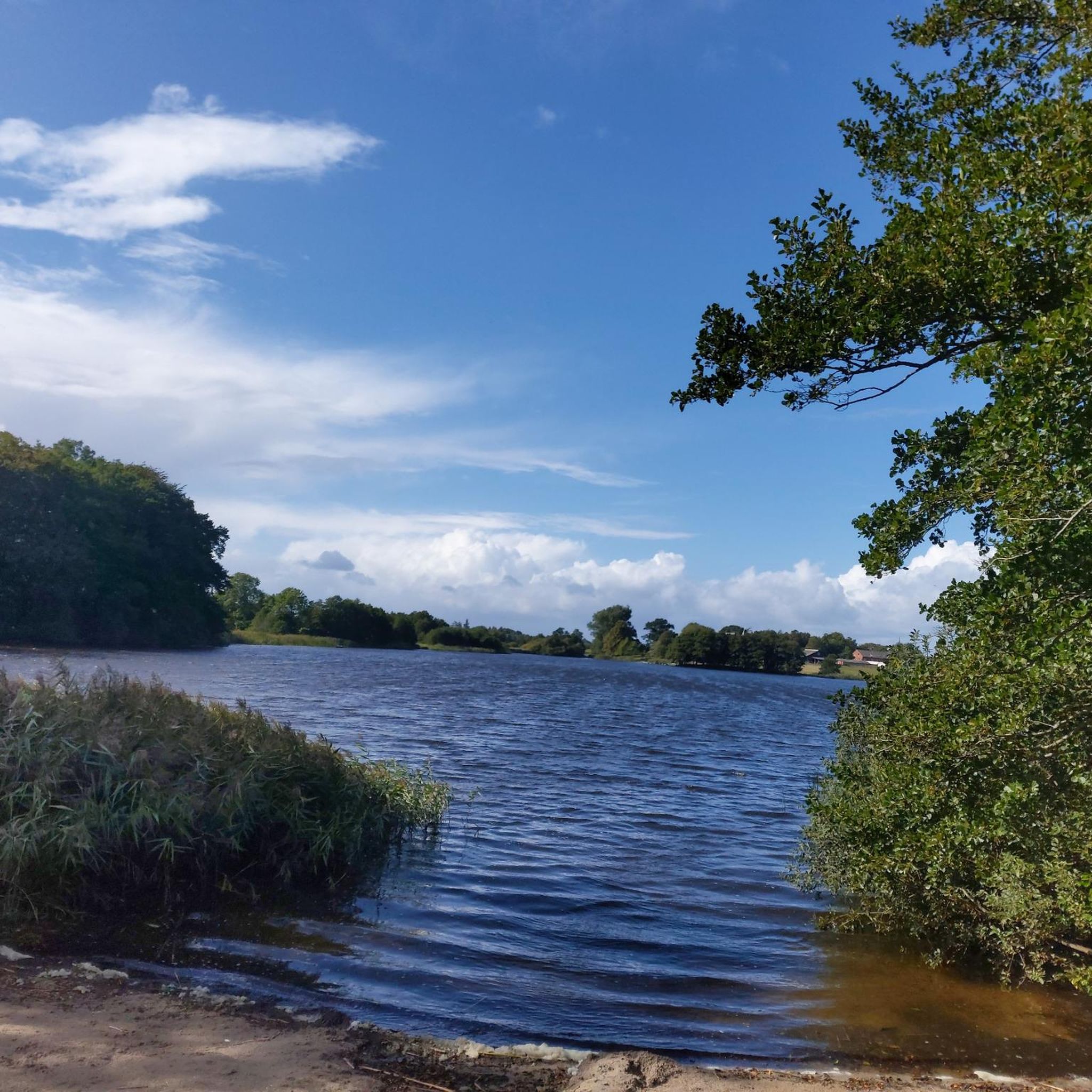
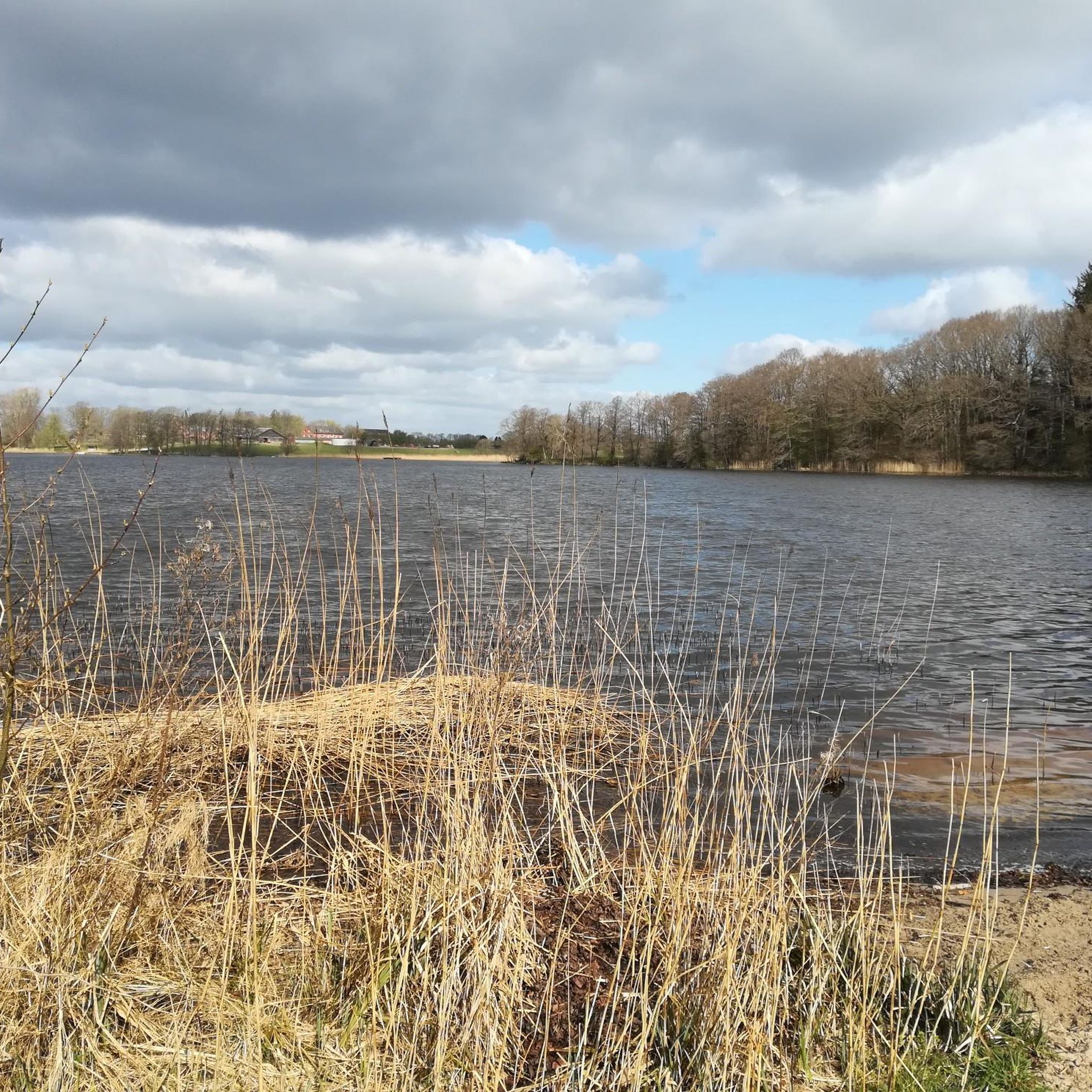
A stable viewing platform above the lake... just a few meters from the water... the short detour is worthwhile and offers a magnificent view across the lake.
2
0
Impressive replica ox horns... This artwork is meant to commemorate the historic ox trail that used to run along this route.
2
0
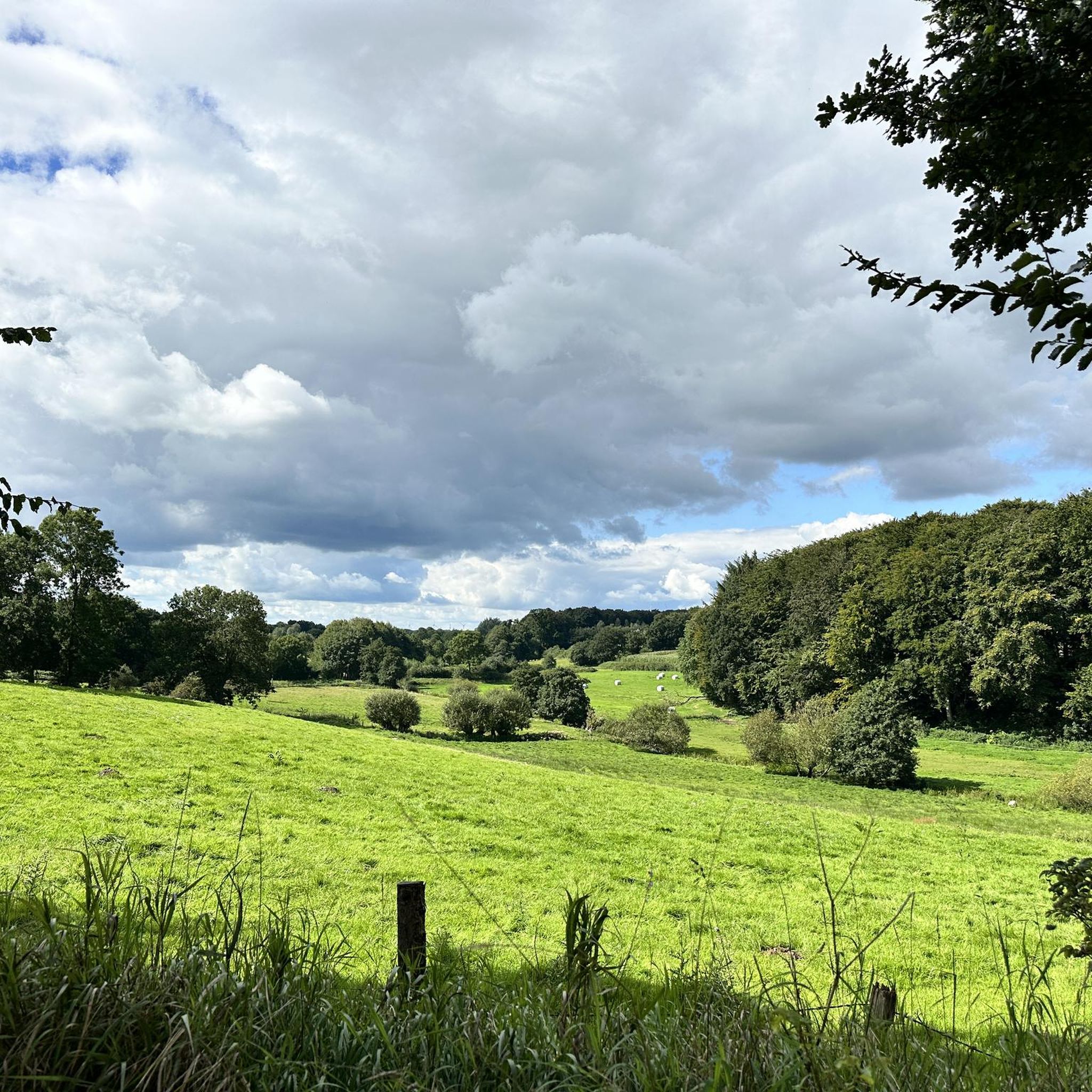
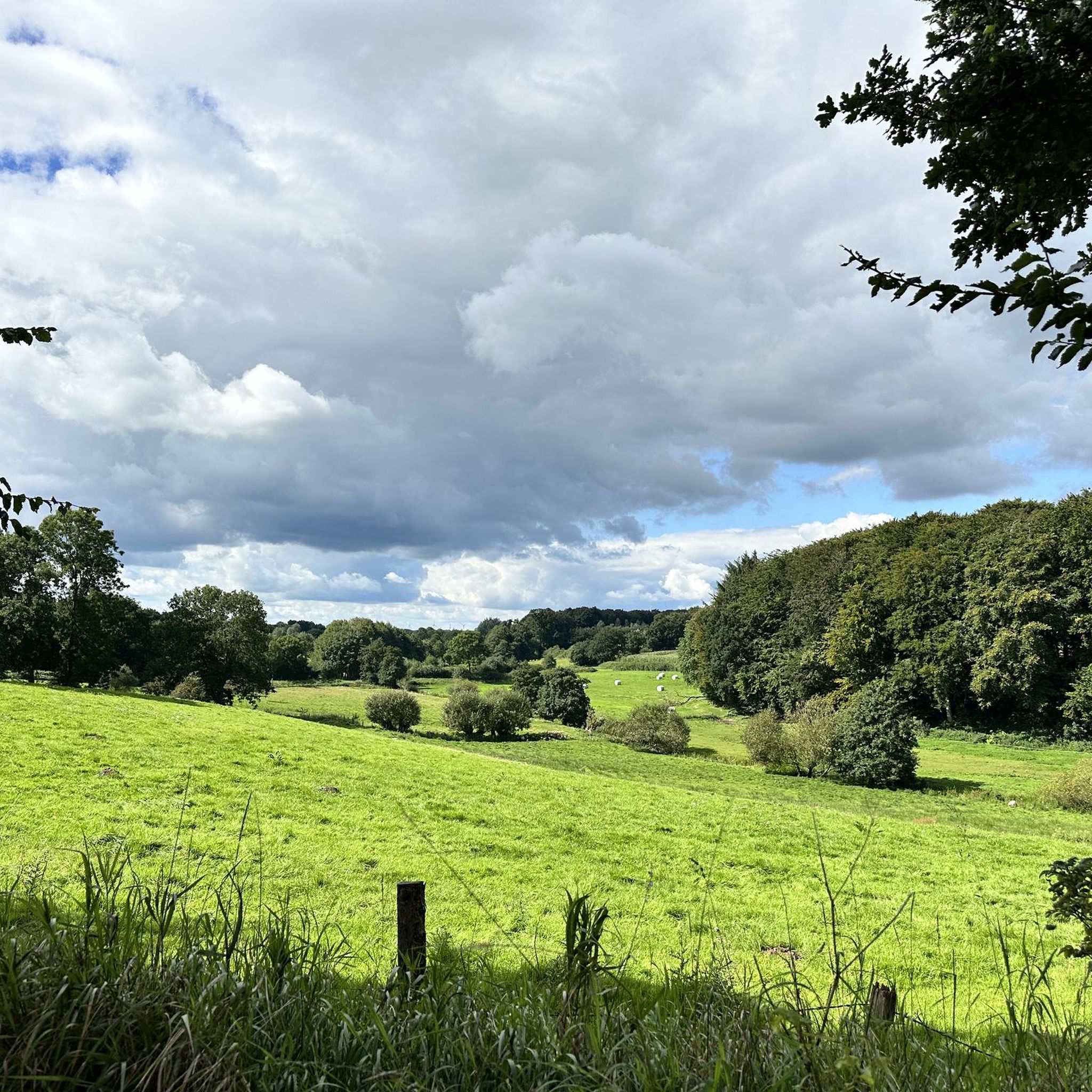
A beautiful farm in a magnificent landscape of heaths and moors. Countless sheep, as well as donkeys, welcome visitors.
1
0

The Großsolt Church is a Romanesque fieldstone church, built at the end of the 12th century as a single-nave fieldstone building with a box chancel. At that time, the church and village lay directly on the Treßsee. Neither the exact year of construction nor the saint it was originally dedicated to is known. In the late Gothic period, the chancel was vaulted. The chancel arch was given a Gothic pointed arch. At about the same time, the vestibule in front of the south portal, the so-called armory, was added. The striking, tall fieldstone tower was only built in 1920. Previously, the church had a wooden bell tower leaning against the nave. The oldest piece of equipment, like that of many churches in Angeln, is a granite font dating from around the time of its construction. However, the Großsolt church is not an imported baptismal font, but the work of a local stonemason. The cupola features relief figures of Peter, Paul, and the symbols of the Evangelists. Its base is an inverted cube capital with corner heads and legendary figures (a dragon). The triumphal cross in the chancel arch dates from the end of the 15th century. The Renaissance-style pulpit, created in 1614, is the work of an unknown woodcarver associated with the workshop of Heinrich Ringerink. The gallery pulpit, with herm pilasters, corresponds to the so-called Angler type. The reliefs depict scenes from the history of salvation (Annunciation, Birth of Jesus, Crucifixion, Resurrection, Ascension), explained by Latin texts. The Baroque altarpiece, with its rich acanthus carvings, came to the church around 1700. The altarpiece from 1920 depicts the Raising of Lazarus. H. Bruhn painted it in 1920 based on a model by Rubens. The votive ship "Urania" was donated in 1719 by the Detleffsen family of sailors. The original is now housed in the Flensburg Maritime Museum. The organ was donated by a farmer from the village of Kollerup, which belongs to the parish. https://de.wikipedia.org/wiki/Kirche_Gro%C3%9Fsolt
2
0
Frörup has an old water-powered mill, driven by the Treene River and used for grinding grain. It was probably established in the 13th century. Later, the mill belonged to the Cistercian monastery of Rüde. The abbot there ceded the mill to the King of Denmark in 1543. Today, the mill is privately owned, and the waterwheel is used only for generating electricity. Unfortunately, visits are not possible. https://de.wikipedia.org/wiki/Fr%C3%B6rup
2
1
Hidden in the rolling hills west of Idstedt lies the Poppostein – an extended dolmen from the Neolithic period (c. 4200–1700 BC), once part of an earth-covered burial mound. Despite partial destruction, several supporting stones, a capstone, and a possible passage are still visible today. The burial chamber is surrounded by six historic boundary stones bearing the coat of arms of the Danish King Frederick VII, who acquired the site in 1859. But it's not just the Stone Age architecture that fascinates. The Poppostein is also a place of legend: Bishop Poppo is said to have baptized the famous Viking King Harald Bluetooth here – an episode deeply rooted in regional history. This king, in turn, inspired the inventors of wireless Bluetooth technology, which was named after him, around 1,000 years later. Thus, the Poppostein combines archaeological monument, spiritual symbolism, and the digital present in a unique way. The site is not directly on the hiking trail, but is easily accessible via a short footpath from the parking lot on the L317 state road – a worthwhile detour for anyone who wants to experience history. https://www.ochsenweg.de/poppostein?type=5100
2
0
クラップホルツでのの人気観光スポット

komootモバイルアプリでインスピレーションを得よう


さらに探索
他の地域の最高のサイクリングルートを見てみましょう。
