4.7
(29)
254
ライダー
33
ライド
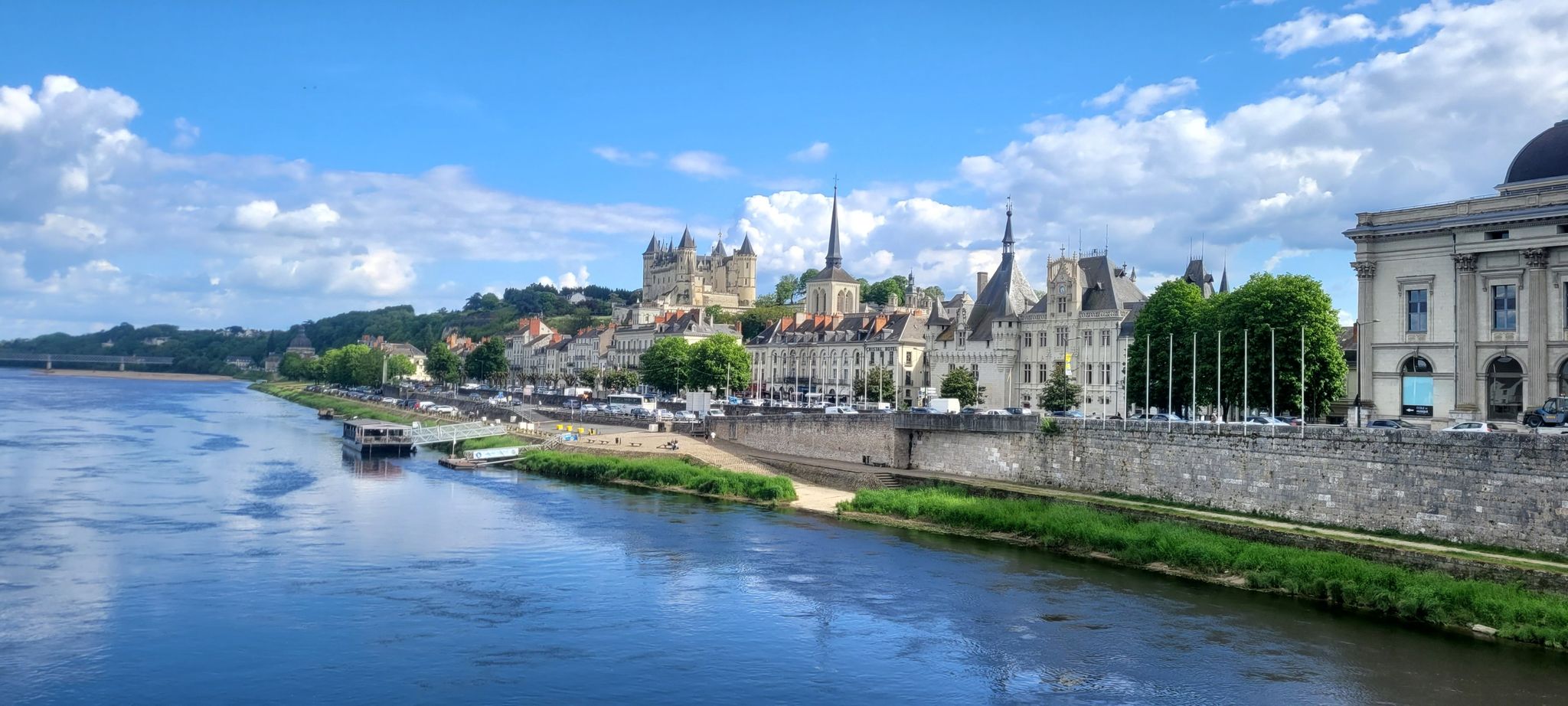
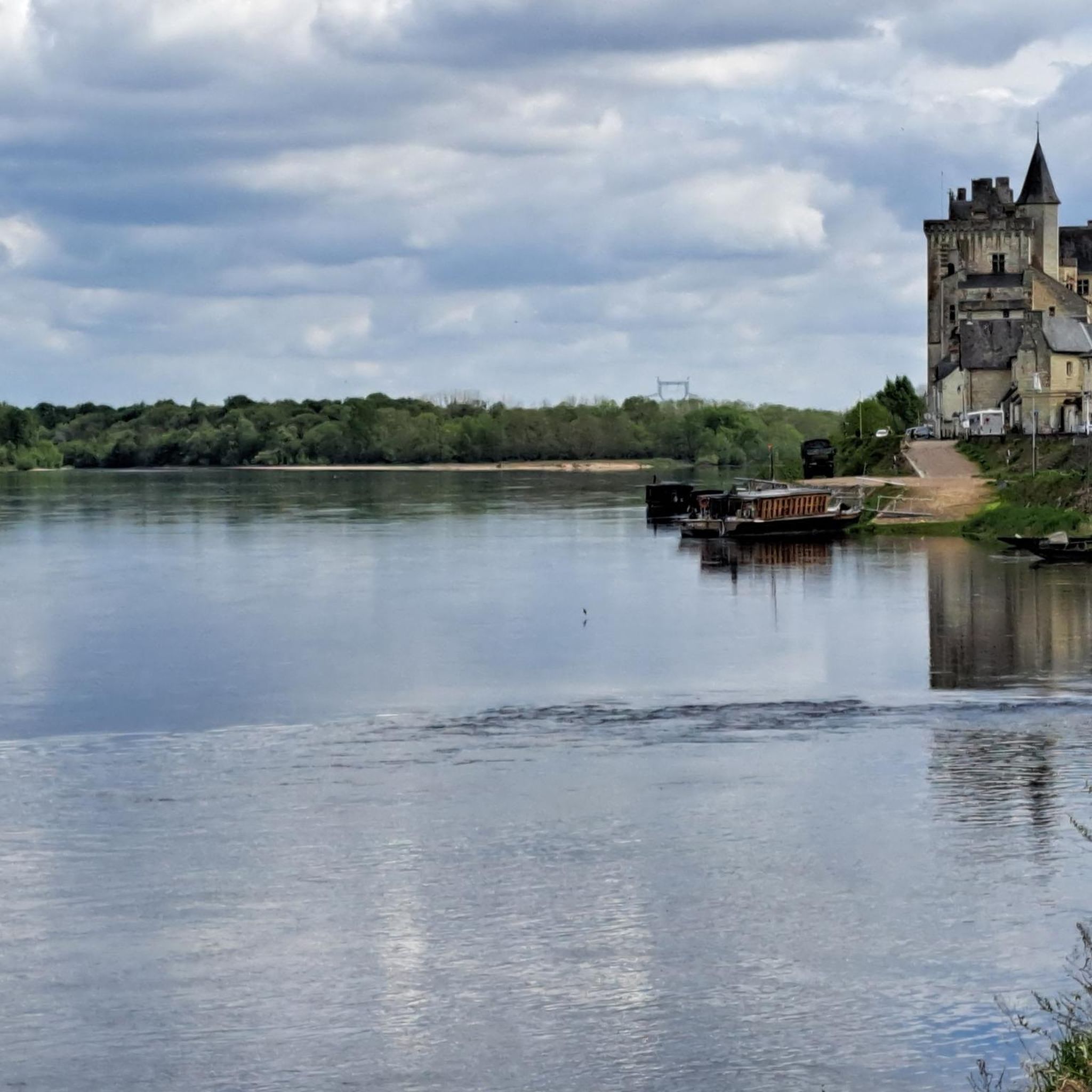
モンソーロー周辺のグラベルバイクライドは、主にロワール川沿いのルートが特徴で、平坦から緩やかな起伏のある地形が広がっています。この地域はロワール・アンジュー・トゥーレーヌ地域自然公園内にあり、ブドウ畑や川沿いの道など、多様な景観を楽しめます。断崖に建つモンソーローの洞窟住居は、景観に独特の要素を加えています。獲得標高は一般的に適度であるため、様々なスキルレベルの方がアクセスしやすいエリアです。
最終更新日: 4月 4, 2026
4.1
(9)
75
ライダー
25.8km
01:24
140m
140m
難しいグラベルライド. あらゆるフィットネスレベルに適しています。 ツアーの一部で自転車を押して歩く必要があるかもしれません。
4.8
(8)
55
ライダー
56.4km
03:17
420m
420m
難しいグラベルライド. ある程度のフィットネスレベルが必要です。 ツアーの一部で自転車を押して歩く必要があるかもしれません。
無料新規登録
8
ライダー
55.7km
03:43
380m
380m
難しいグラベルライド. ある程度のフィットネスレベルが必要です。 ツアーの一部で自転車を押して歩く必要があるかもしれません。
5.0
(2)
11
ライダー
47.7km
03:03
330m
330m
中程度のグラベルライド. ある程度のフィットネスレベルが必要です。 全般的に舗装された状態です。あらゆるスキルレベルに適しています。
6
ライダー
57.3km
03:35
140m
140m
中程度のグラベルライド. ある程度のフィットネスレベルが必要です。 全般的に舗装された状態です。あらゆるスキルレベルに適しています。
さらに多くのルートや他のユーザーのおすすめ情報を確認できます。
無料新規登録
すでにアカウントをお持ちですか?
おすすめのツアーは他のkomootユーザーが実際に経験した何千ものアクティビティに基づいています。
無料アカウントで今日から始めよう
次の冒険が待っています。
ログインまたは登録
The sights are good but the terrain is not especially after high winds and heavy rain. Some people might find it tricky to navigate.
0
0
History: In 1454, while ploughing his field, a farmer discovered in the "ardille" (clay, a word that according to legend gave its name to Notre-Dame-des-Ardilliers) a stone statuette about thirty centimetres high representing a Pietà. The farmer took it home. Twice he discovered that the Pietà returned to its place of discovery, near a fountain that was already known for its healing properties. From that moment on, devotions developed around this statuette, which was placed in a niche under a stone arch. Jean Olivier, Bishop of Angers, laid the foundations of the Notre-Dame-des-Ardilliers chapel. Bishop Gabriel Bouvery, Bishop of Angers, opened the new church on 30 July 1553. It was a place of pilgrimage. The fountain was said to perform miracles. In 1614, thanks to the support of Marie de Medici, the management of the sanctuary was entrusted to the Order of Oratorians. In 1619, they settled in Ardilliers and founded a royal college in 1624. Louis XIII granted it the status of royal chapel and, from 1628 to 1643, the Oratorians built the buildings to the east of the chapel that would house their community, the classrooms and the students' dormitories. From 1634, Richelieu had a chapel built on the north wall of the chapel for votive and funeral purposes. The chapel was closed during the Revolution. The Oratorian house became a barracks and the rotunda was converted into an ammunition store. In 1796, the Sisters of Sainte-Anne-de-la-Providence opened a hospice there for the expelled. In 1798, the hospice became the property of the city of Saumur. The chapel was put back into use in 1799, but was damaged by damp. From 1849, architect Charles Joly-Leterme began restoring the building. The Sisters of Sainte-Anne-de-la-Providence became the owners of the former Oratorian House in 1866. During the Battle of the Cadets, in June 1940, the bombing destroyed the roof structures of the chapel and the Oratorian House. The vault of the nave collapsed. The buildings were restored between 1947 and 1957. The oak frame of the dome was replaced by a concrete shell to reduce the pressure on the walls. The Oratorian House was converted into a school in 1953. In February 2025, a fire broke out. Source Wikipedia
4
0
History: In 1454, while ploughing his field, a farmer discovered in the "ardille" (clay, a word that according to legend gave its name to Notre-Dame-des-Ardilliers) a stone statuette about thirty centimetres high representing a Pietà. The farmer took it home. Twice he discovered that the Pietà returned to its place of discovery, near a fountain that was already known for its healing properties. From that moment on, devotions developed around this statuette, which was placed in a niche under a stone arch. Jean Olivier, Bishop of Angers, laid the foundations of the Notre-Dame-des-Ardilliers chapel. Bishop Gabriel Bouvery, Bishop of Angers, opened the new church on 30 July 1553. It was a place of pilgrimage. The fountain was said to perform miracles. In 1614, thanks to the support of Marie de Medici, the management of the sanctuary was entrusted to the Order of Oratorians. In 1619, they settled in Ardilliers and founded a royal college in 1624. Louis XIII granted it the status of royal chapel and, from 1628 to 1643, the Oratorians built the buildings to the east of the chapel that would house their community, the classrooms and the students' dormitories. From 1634, Richelieu had a chapel built on the north wall of the chapel for votive and funeral purposes. The chapel was closed during the Revolution. The Oratorian house became a barracks and the rotunda was converted into an ammunition store. In 1796, the Sisters of Sainte-Anne-de-la-Providence opened a hospice for the expelled. In 1798, the hospice became the property of the city of Saumur. The chapel was put back into use in 1799, but was damaged by damp. From 1849, architect Charles Joly-Leterme began restoring the building. The Sisters of Sainte-Anne-de-la-Providence became the owners of the former Oratorian House in 1866. During the Battle of the Cadets, in June 1940, the bombing destroyed the roof structures of the chapel and the Oratorian House. The vault of the nave collapsed. The buildings were restored between 1947 and 1957. The oak frame of the dome was replaced by a concrete shell to reduce the pressure on the walls. The Oratorian House was converted into a school in 1953. A fire broke out in February 2025. Source Wikipedia
4
0
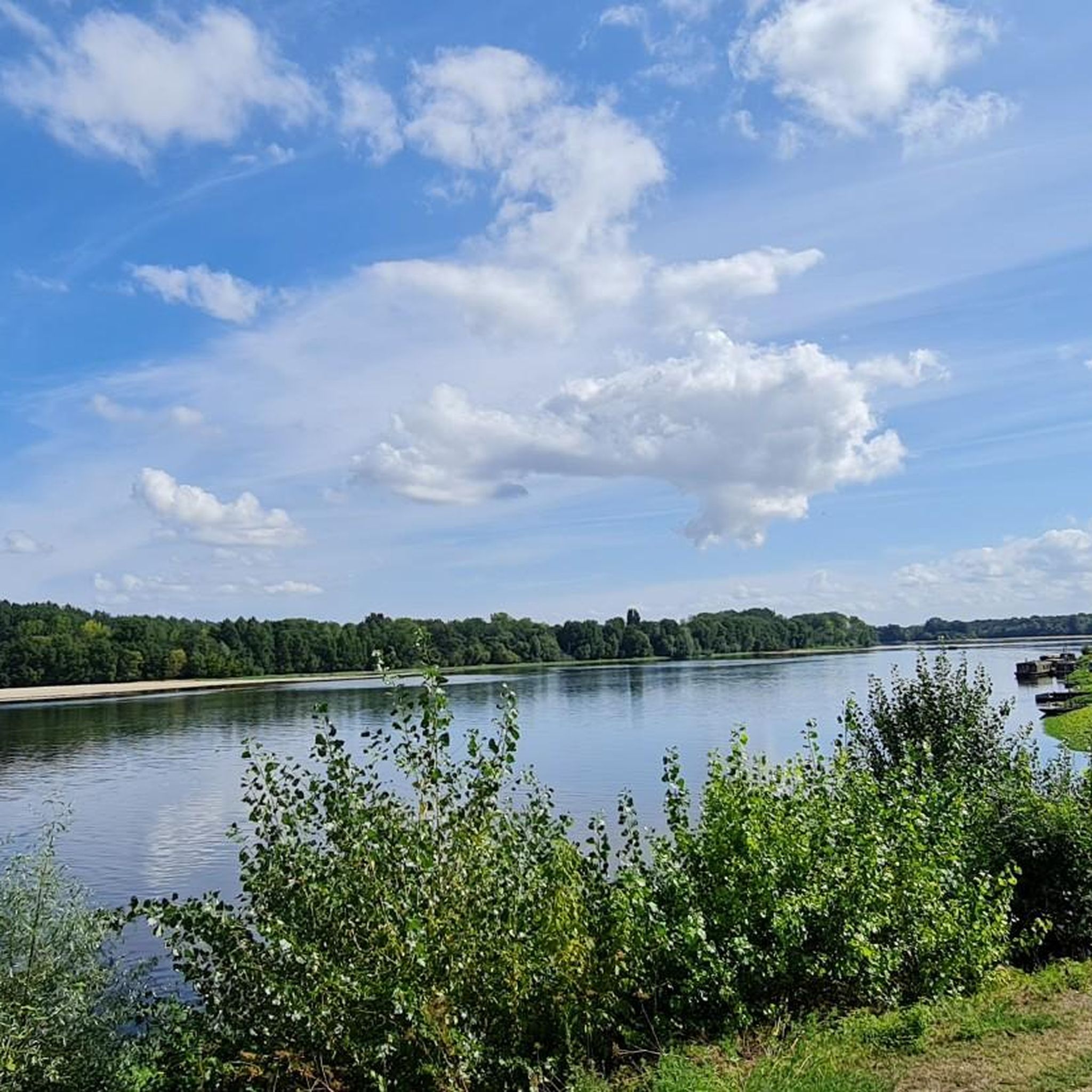
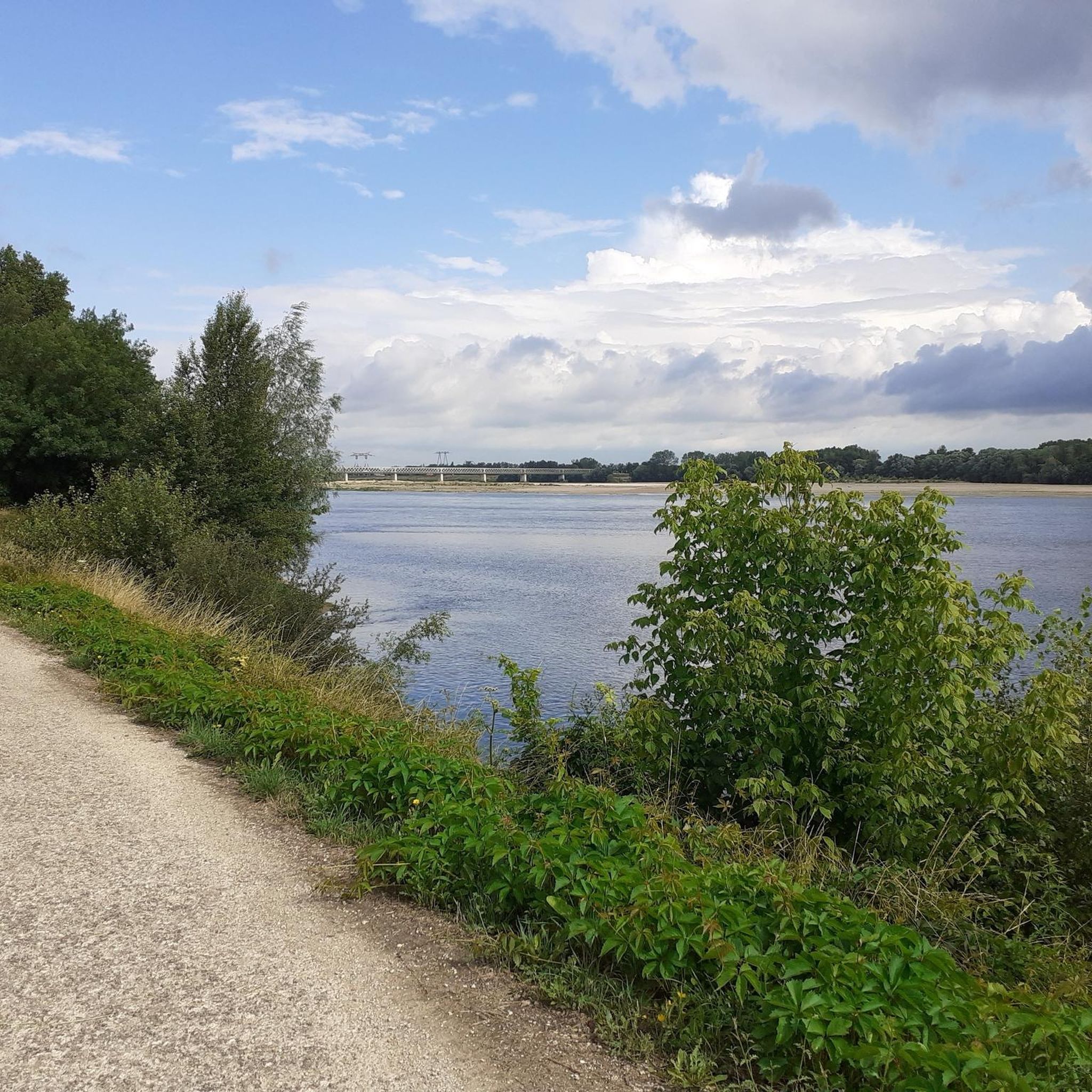
Very nice gravel along the banks of the Loire. Know that you are not alone here. Enjoy together, each at their own pace.
3
0
This bridge connects over the Loire. Use it but leave it for those who come after you.
2
0
At this location you are in the middle of an underground labyrinth of Souzay-Champigny. Explanation: underground, in the cliffs and hills, the troglodytes of Saumurois form an enormous underground network. These are unique in France. More than 1 km of tunnels have been dug by man over the centuries to live, shelter and work. Here you can literally dive into a cool past.
2
0
This impressive suspension bridge spans the Loire between La Chapelle-aux-Naux and Langeais and was originally completed in 1849. The bridge has been repaired and rebuilt many times and has a two-lane road over the Loire. On the Langeais side, a walk along the banks of the Loire, on both sides of the bridge, is highly recommended. The Langeais bridge is a stubborn bridge. It has been rebuilt five times! The story begins in 1848, the year in which King Louis Philippe authorised the construction of a "wire bridge", as it was then called (bridge 1). But wires are excellent lightning conductors! And 10 years after its opening in 1859, the bridge collapsed into the Loire after a heavy storm, its deck and suspension elements. Two years later in 1861, the bridge was repaired and operational again as a toll bridge (bridge 2). But shortly afterwards, in 1870, war broke out and the advance of the Prussian enemy had to be slowed down. Boom! Bridge was blown up (bridge 3) The fourth was completed in 1914, but then came the... car! They were heavy, they came and went! The bridge therefore had to be extensively rebuilt to bear the weight of modernity. This happened in the 1930s, and the opportunity was taken to decorate the bridge with its very special Gothic pillars, which reflected the Gothic style of the castle; the two form a mirror image. Bridge 4 was built! All is well, all is well... but then it is June 1940. And this time it is the Germans who have to be stopped. To stop the invader, the bridge was blown up again. After first using a ferry and then a temporary footbridge, the inhabitants waited until 1949 for a bridge over the Loire (bridge 5). The bridge of Langeais is the only bridge between Tours and Port Boulet. It is now a rather imposing bridge with a turbulent history.
2
0
他の地域の最高のグラベルライドを見てみましょう。
無料でサインアップ