ホーエンブルクの洞窟・トップ20
ハイキングの途中で偶然見つけた場合でも、ガイドブックに沿ってたどり着いた場合でも、いつも特別な体験をもたらしてくれる城。ホーエンブルクには訪れるべき 20
の美しい城があります。一覧から行きたい城を見つけて、次の冒険では歴史にも触れてみましょう。
最終更新日: 10月 10, 2026
オーベレス・シュロス・シュミートミューレン(市庁舎)
ハイライト • 城
翻訳者 Google •
役立つ情報 は

カストルの修道院城
ハイライト • 城
翻訳者 Google •
役立つ情報 は

今すぐサインアップして、こんな場所を発見しよう
最高のシングルトラック、ピーク、その他のエキサイティングなアウトドアスポットのおすすめを受け取ろう。
ファッフェンホーフェンのシュヴェッパーマンブルク城跡
ハイライト • 城
Pfaffenhofen is part of the core area of the powerful Counts of Sulzbach. The castle was part of their alodic property, so it was not taken as a fief …
翻訳者 Google •
役立つ情報 は

ロスシュタイン城跡
ハイライト • 城
Roßstein is located near Schmidmühlen and Hohenburg in the middle of the lonely Taubenbacher Forest.
Chunrad Oerelheimer named himself after the castle for the first time in 1331, …
翻訳者 Google •
役立つ情報 は
聖ペテロ修道院教会(カストル修道院)
ハイライト • 宗教的な場所
In 1098, the three monastery founders, Margrave Diepold III of Vohburg, Count Berengar of Sulzbach and Count Otto of Habsberg-Kastl, were confirmed by Pope Paschal as having founded …
翻訳者 Google •
役立つ情報 は
無料でサインアップして、さらに多くの城を発見しましょう ホーエンブルクでの。
すでにアカウントをお持ちですか?



コミュニティからのヒント

修道院教会にあるミイラは、神聖ローマ帝国の後の皇帝であるバイエルン王ルートヴィヒの娘、幼いアンナ王女です。彼女は1319年1月に18ヶ月ほどの年齢で病気になり亡くなりました。国王がオーバープファルツを訪問中のことでした。修道士たちによってミイラのように防腐処理されました。科学者たちはミイラを調査し、脳以外に心臓、胃、腸、肺が保存されていることを発見しました。今日、保存状態の良い歴史的な遺体は、かつての修道院教会の玄関である「パラディス」にある特別な保護ガラスケースの中に安らかに眠っています。 https://www.otv.de/kastl-prinzessin-anna-ist-seit-genau-700-jahren-tot-390023/ https://www.br.de/presse/inhalt/pressemitteilungen/mumie-anna-104.html https://www.merkur.de/bayern/anna-gehoert-zu-den-bedeutendsten-mumien-europas-die-geschichte-von-prinzessin-zr-93910116.html
1
0

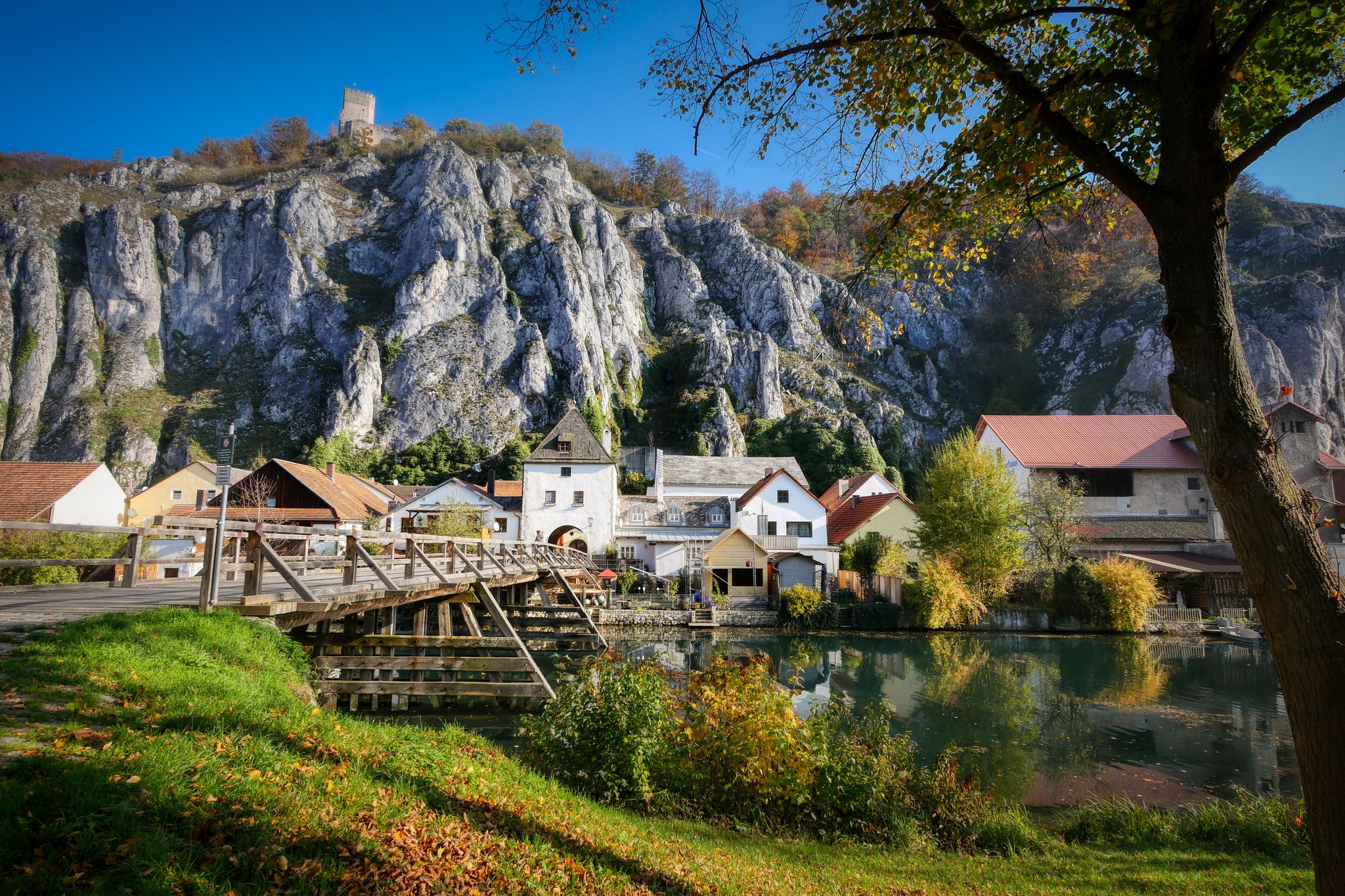
上城 上城は、シュミットミュールン家の水城として建設されました。12世紀半ばから、エルンスト・フォン・シュミットミュールン(1166–1170)に始まり、彼らがここに居住していたことが証明されています。レゲンスブルクの代官であったゲオルグ・ハウスナー・フォン・ヴィンブッフ(1595–1614)が現在の城の建設者です。1600年の年号は、騎士の間にある壮麗な扉枠の一つに見られます。 上城は、切妻屋根を持つ3階建ての漆喰塗りのがっしりした建物です。八角形の階段塔と西側にもう一つ増築部分が接続されています。この城の1階には小さな礼拝堂もありましたが、長い間埋められ、壁で塞がれていました。塔の上には、花とロゼットで描かれた丸い天井があり、繊細な木の柱で支えられています。2階全体は、その装飾からドイツルネサンスの最も興味深い遺産の一つに数えられます。そこにある世俗的な壁画は、ランツフートの公爵城トラウスニッツの壁画を彷彿とさせます。 第二次世界大戦中およびその後に、上城は占領軍による宿営により深刻な被害を受けました。例えば、2階にあった貴重な陶器製暖炉が破壊されました。1937年に、この城はシュミットミュールン市場の所有となりました。戦後、この城はシュミットミュールン市場の市庁舎として利用されています。1977年から1980年の間には徹底的な修復が行われ、城と城の庭園はその姿を変えました。改修は2003年に完了しました。城内には、シュミットミュールンの郷土・団体博物館も入っています。 城の前には、泉の上に鋳造されたモリスの踊り子の像が立っており、ミュンヘンの旧市庁舎の祝祭の間にある有名なゴシック後期のモリスの踊り子像を制作したシュミットミュールン出身の彫刻家エラスムス・グラッサーを偲ばせています。 出典: Wikipedia
4
0

An old hilltop castle, long used as a monastery by various religious orders. Today it houses the police academy. It lies on a dolomite spur above the valley. This is also where the "Hochholz Trail" begins, which is not to be missed.
0
0

The Kastl castle complex has towered over the Lauterach Valley since the 10th century. In 1098, it was decided to convert the castle into a monastery. Description: It was founded in 1103, and the choir and St. Egidius Chapel were consecrated in 1129. Construction of the monastery church was completed at the end of the 12th century. Through constant renovations and expansions, the church acquired its present appearance. In 1782, it became the property of the Knights of Malta. The basilica has been used as a parish church since 1808. A late Gothic main portal, a four-bay barrel vault, the alternating support of columns and pillars in the nave, and the Gothic stone tomb in the vestibule, which was once the tomb of the deceased Princess Anna, make the church a true gem. Princess Anna was the daughter of King Ludwig the Bavarian and died in 1319. The mummy of the one-and-a-half-year-old "Kastl Child" was preserved until the end of 2013 and can be viewed again. The antechamber also houses the sarcophagus of General Schweppermann. [ Source: https://www.ostbayern-tourismus.de/attraktionen/klosterburg-kastl-fd22a56fae ]
1
0

Very beautiful monastery castle currently serves as a police training center
0
0

Very beautiful church, great monastery castle, definitely worth a visit!
0
0
Great monastery castle with an amazing view - be sure to take the small juniper hiking trail!
0
0

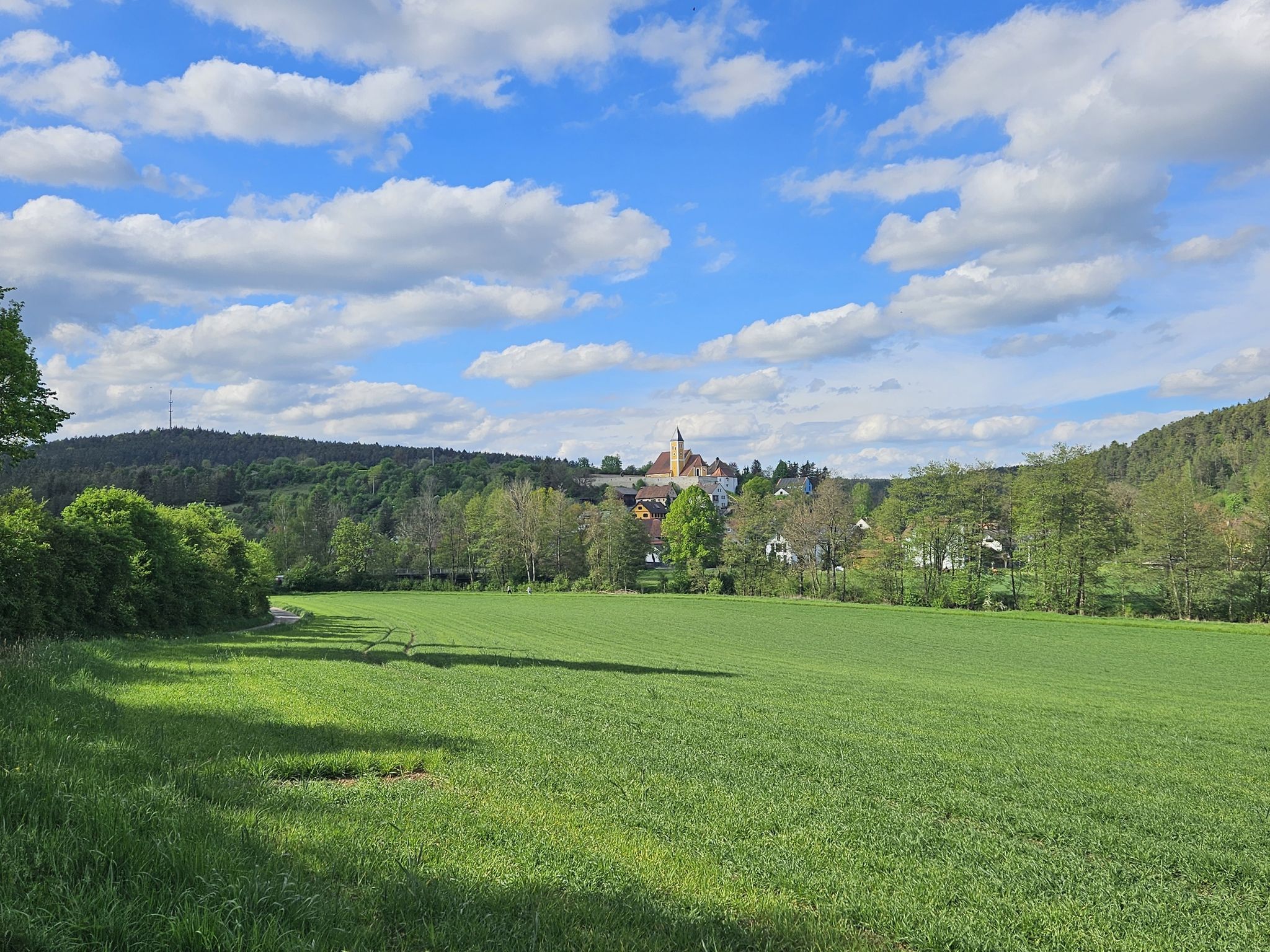
The Schweppermannsburg (also called Pfaffenhofen Castle) is a castle ruin in Pfaffenhofen, a district of the market town of Kastl (Lauterachtal) in the Upper Palatinate district of Amberg-Sulzbach in Bavaria. The complex is listed as an archaeological monument under the file number D-3-6635-0121 in the Bavaria Atlas as "archaeological findings in the area of the castle ruin "Schweppermannsburg" in Pfaffenhofen, hilltop settlements from the late Hallstatt/early La Tène period and the early Middle Ages". It is also listed as a listed building monument in Pfaffenhofen under the file number D-3-71-132-63. The outer bailey of the spur castle is freely accessible at all times, the main castle with the keep is not. The construction time of the complex is undated. Excavations in 2004 showed extensive building work in the 13th century and a few ceramic finds from the castle area indicate settlement activity as early as the 9th/10th - 11th/12th centuries. Pfaffenhofen was part of the original equipment of the Kastl monastery and has a settlement continuity that probably goes back to the 8th/9th century. Pfaffenhofen Castle was first mentioned in a document in the House Contract of Pavia in 1329, in which half of the complex went to the Duke of Bavaria, Ludwig the Bavarian. From 1335 to 1352, Hartung the Schweppermann, a son of Seyfried Schweppermann, can be proven to have been (partially) the owner of the castle. At the end of the 14th century, Ulrich the Sweppermann finally appears as the lord of the castle. The Schweppermann family subsequently gave the castle its name. In the 17th century, the complex was destroyed by Swedish troops during the Thirty Years' War and then hastily rebuilt. The castle complex fell into disrepair in the early 19th century and was only included in a renovation plan towards the end of the 20th century. Since October 24, 2007, the castle has been owned by the chairman of the Amberg section of the German Alpine Association, who purchased it from the Free State of Bavaria Source: Wikipedia
2
0
ホーエンブルクでのの人気観光スポット

komootモバイルアプリでインスピレーションを得よう


さらに探索
他の場所で最高の城を探していますか?他のガイドを発見しましょうホーエンブルクでの:
