シュミットミューレンの洞窟・トップ20
ハイキングの途中で偶然見つけた場合でも、ガイドブックに沿ってたどり着いた場合でも、いつも特別な体験をもたらしてくれる城。シュミットミューレンには訪れるべき 20
の美しい城があります。一覧から行きたい城を見つけて、次の冒険では歴史にも触れてみましょう。
最終更新日: 8月 30, 2026
カールミュンツ城跡の眺め
ハイライト • 展望台
翻訳者 Google •
役立つ情報 は

オーベレス・シュロス・シュミートミューレン(市庁舎)
ハイライト • 城
翻訳者 Google •
役立つ情報 は

今すぐサインアップして、こんな場所を発見しよう
最高のシングルトラック、ピーク、その他のエキサイティングなアウトドアスポットのおすすめを受け取ろう。
ロスシュタイン城跡
ハイライト • 城
Roßstein is located near Schmidmühlen and Hohenburg in the middle of the lonely Taubenbacher Forest.
Chunrad Oerelheimer named himself after the castle for the first time in 1331, …
翻訳者 Google •
役立つ情報 は

ミュンヒスホーフェン城
ハイライト • 城
翻訳者 Google •
役立つ情報 は

ホーエンフェルス城跡とフォレレンバッハの泉
ハイライト • 城
The Knights of Hohenfels are a branch of the Raitenbuch family. They had their ancestral castle in the hamlet of Hausraitenbuch and were ministerials of the Bishop …
翻訳者 Google •
役立つ情報 は
無料でサインアップして、さらに多くの城を発見しましょう シュミットミューレンでの。
すでにアカウントをお持ちですか?



コミュニティからのヒント

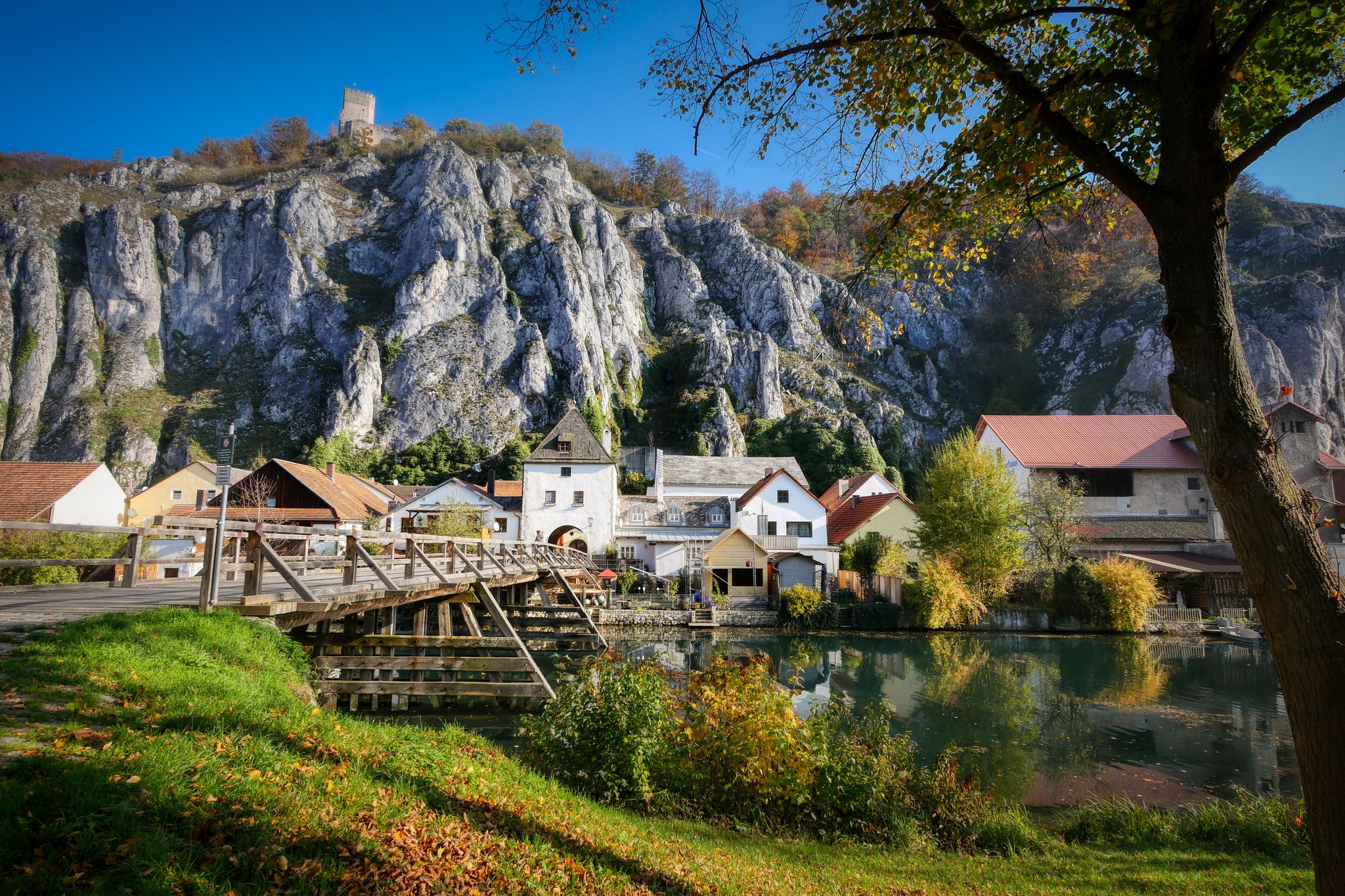
上城 上城は、シュミットミュールン家の水城として建設されました。12世紀半ばから、エルンスト・フォン・シュミットミュールン(1166–1170)に始まり、彼らがここに居住していたことが証明されています。レゲンスブルクの代官であったゲオルグ・ハウスナー・フォン・ヴィンブッフ(1595–1614)が現在の城の建設者です。1600年の年号は、騎士の間にある壮麗な扉枠の一つに見られます。 上城は、切妻屋根を持つ3階建ての漆喰塗りのがっしりした建物です。八角形の階段塔と西側にもう一つ増築部分が接続されています。この城の1階には小さな礼拝堂もありましたが、長い間埋められ、壁で塞がれていました。塔の上には、花とロゼットで描かれた丸い天井があり、繊細な木の柱で支えられています。2階全体は、その装飾からドイツルネサンスの最も興味深い遺産の一つに数えられます。そこにある世俗的な壁画は、ランツフートの公爵城トラウスニッツの壁画を彷彿とさせます。 第二次世界大戦中およびその後に、上城は占領軍による宿営により深刻な被害を受けました。例えば、2階にあった貴重な陶器製暖炉が破壊されました。1937年に、この城はシュミットミュールン市場の所有となりました。戦後、この城はシュミットミュールン市場の市庁舎として利用されています。1977年から1980年の間には徹底的な修復が行われ、城と城の庭園はその姿を変えました。改修は2003年に完了しました。城内には、シュミットミュールンの郷土・団体博物館も入っています。 城の前には、泉の上に鋳造されたモリスの踊り子の像が立っており、ミュンヘンの旧市庁舎の祝祭の間にある有名なゴシック後期のモリスの踊り子像を制作したシュミットミュールン出身の彫刻家エラスムス・グラッサーを偲ばせています。 出典: Wikipedia
4
0
シュロス・ミュンヒスホーフェン シュロス・ミュンヒスホーフェンには、少なくとも中世の先駆的な建物があり、そのうち少なくとも1つの塔は18世紀にも存在していたことが、同時代の絵図に示されています。西棟のドア枠には1597の年号が刻まれています。三十年戦争で甚大な被害を受けた後、この施設は17世紀後半に大規模に改築されました。 シュロス・ミュンヒスホーフェンは、オーバープファルツ地方において、ルネサンス様式を完全に踏襲した数少ない記念碑の一つです。オベリスクとヴォリュートは後の時代に追加されたものです。この施設は、ナーブ川に向かって3辺が閉じられた中庭を形成しています。平面図では9つの窓の軸があります。背面には、より小さな3辺のアーケードの中庭があります。ここには急峻にそびえるミュンヒスホーファーベルクがあり、2階建ての擁壁が設けられています。施設の中心には、2段の屋外階段を持つ時計塔が立っています。城はかつての城の礼拝堂と直接つながっています。経済的な中庭への門の通路、囲い壁の残骸、そして石造りの穀物小屋が保存されています。 1868年、この城はユリー・アンナ・ライヒスフライイン・フォン・アレーティンに渡り、彼女はそれをライヒスグラーフェン・フォン・アルマンスペルク家にもたらしました。1910年には、バイエルン王国の宮内長官でありバート・キッシンゲンの政府評議員であったアレクサンダー・フォン・モロー男爵がこれを購入しました。彼の息子であるマクシミリアン・フォン・モロー男爵がその遺産を引き継ぎました。今日、この城はアントニウス・フォン・モロー男爵の個人所有となっています。 この城は個人所有であり、外観のみ見学可能です。2011年9月27日の競売は不調に終わりました。シュロス・ミュンヒスホーフェンは荒廃の危機に瀕しています。 出典: www.wikipedia.deからの抜粋
2
0

You can say it out loud, it is a gem on the Naab.
4
0
Hohenfels Castle Ruins The Knights of Hohenfels are a branch of the Raitenbuch family. They had their ancestral castle in the hamlet of Hausraitenbuch and were ministerials of the Bishop of Regensburg. At the end of the 12th century, the Raitenbuch family moved their headquarters to nearby Hohenfels and called themselves "von Hohenfels" ever since. They owned their castle in Hohenfels as independent property, and later they were also found in Falkenstein and Helfenberg. One Hohenfelser even achieved international fame: On December 28, 1250, Konrad von Hohenfels attempted to murder King Konrad IV on behalf of the Bishop of Regensburg, but had to flee after the failed assassination attempt. King Konrad IV had the castle destroyed, but the attack initially did little harm to the Hohenfelsers: another Konrad even became mayor of the imperial city of Regensburg in 1258. They owe their downfall to another, less spectacular development: the impoverishment of the knights at the end of the 14th century. During this time they repeatedly tried to improve their finances with feuds and raids. In 1366 they placed their rule under the Bohemian king as a fief. The corresponding document speaks of the castle and town of Hohenfels, so the place at the foot of the castle had developed well. Nevertheless, money was still lacking. In 1375 the Hohenfelsers mortgaged their castle to the Palatinate. In 1383 they had to sell it for good: Count Palatine Ruprecht paid them 17,700 guilders. In 1393 the last Hohenfelser Hilpolt died. The castle was occupied by the Palatinate Wittelsbachs with guardians. In 1427 it was destroyed by the Hussites. It was rebuilt, but subsequently lost all practical significance. In 1804 the Hohenfels guardianship was dissolved, the intact castle was sold for demolition and used as a quarry. The 100-meter-long Romanesque castle complex had two keeps. The round keep, built on a rocky peak on the east side to protect the castle entrance, with a high entrance made of quarry stone at a height of over 10 meters, is the only castle building that has survived. Several square castle buildings from the period between 1250 and 1427 were grouped around the square keep, which protected the entrance to the main castle. A Gothic vault that was found in the rubble probably comes from the castle chapel. Source: Excerpts from www.burgenseite.de / www.wikipedia.de
2
0

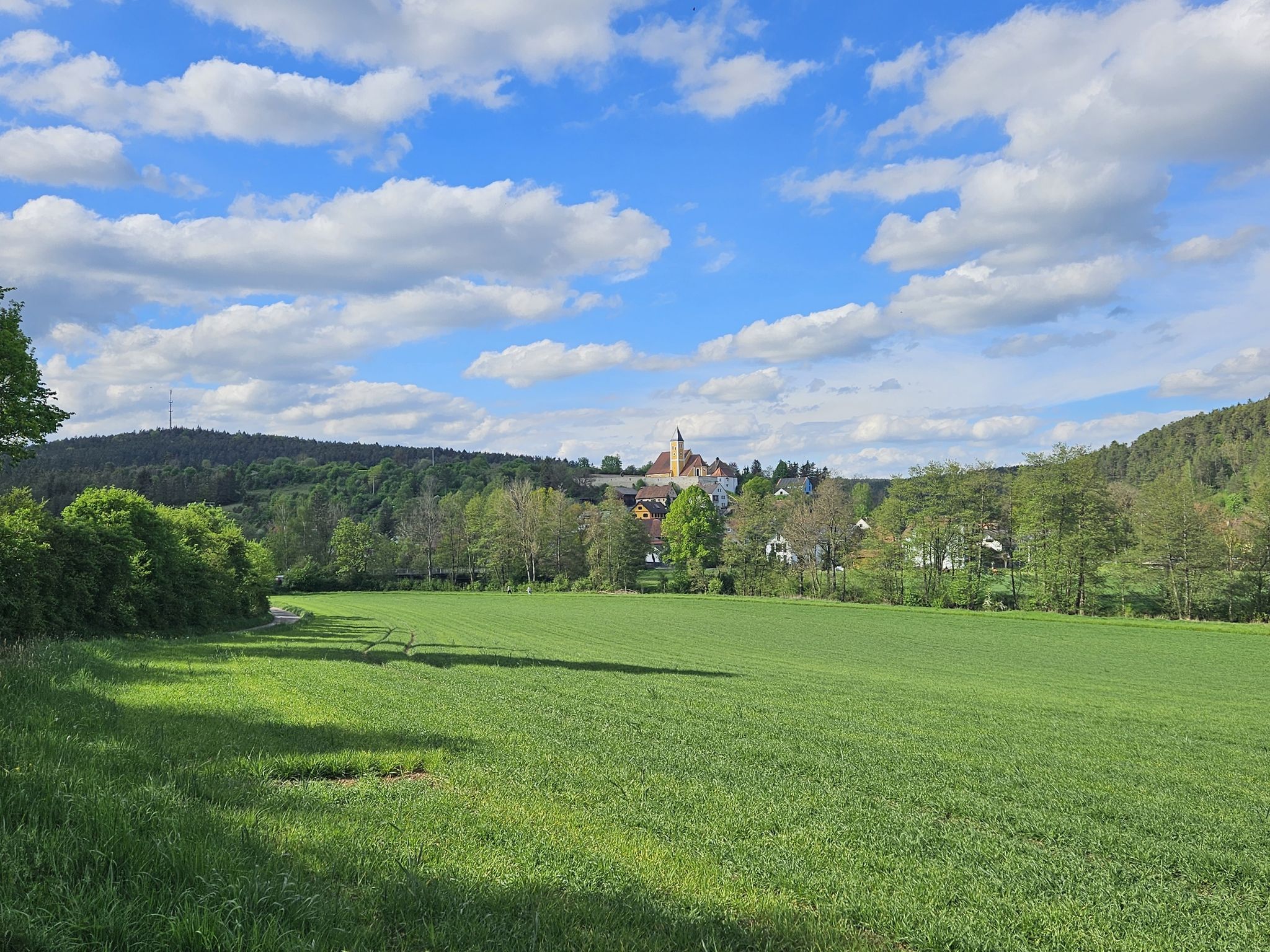
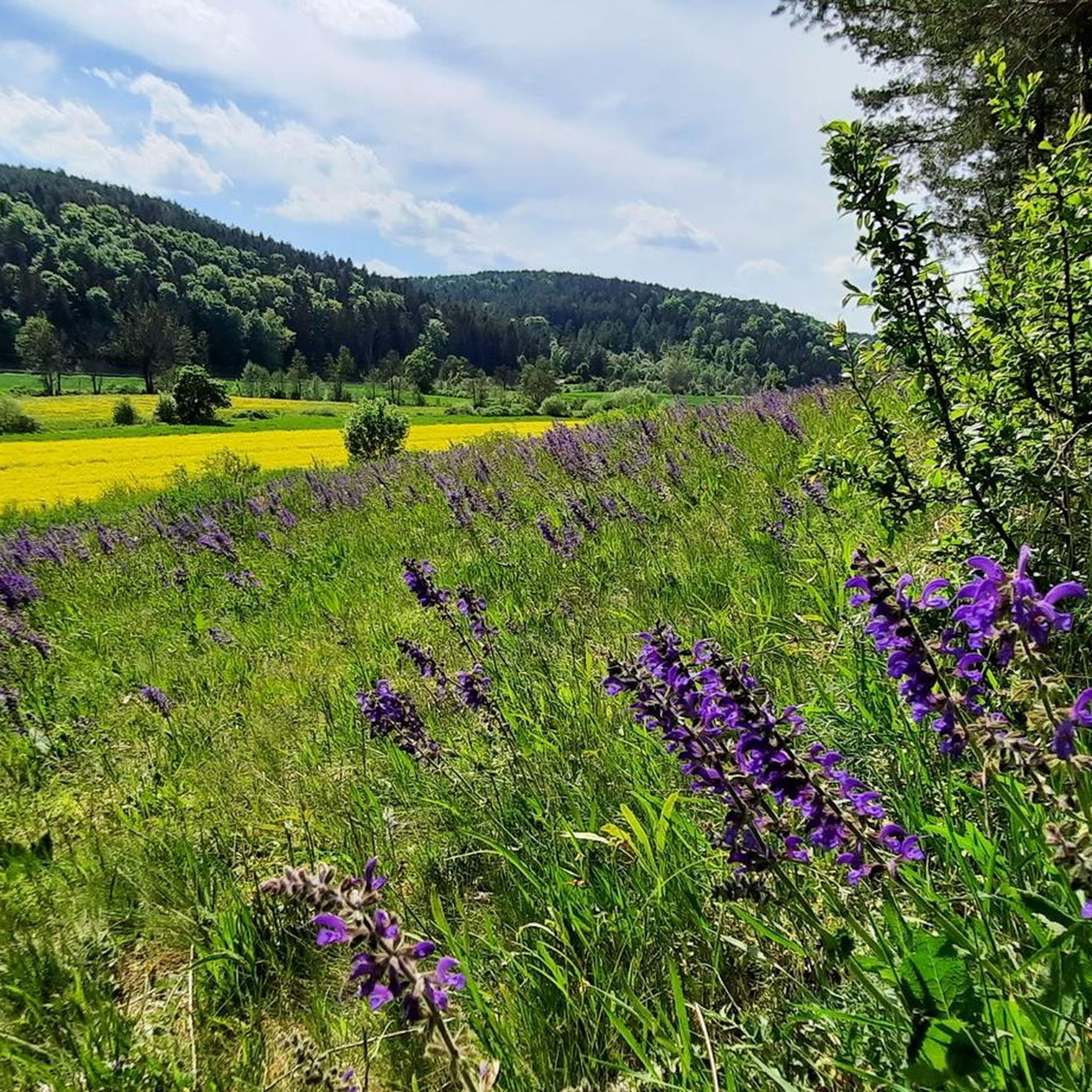
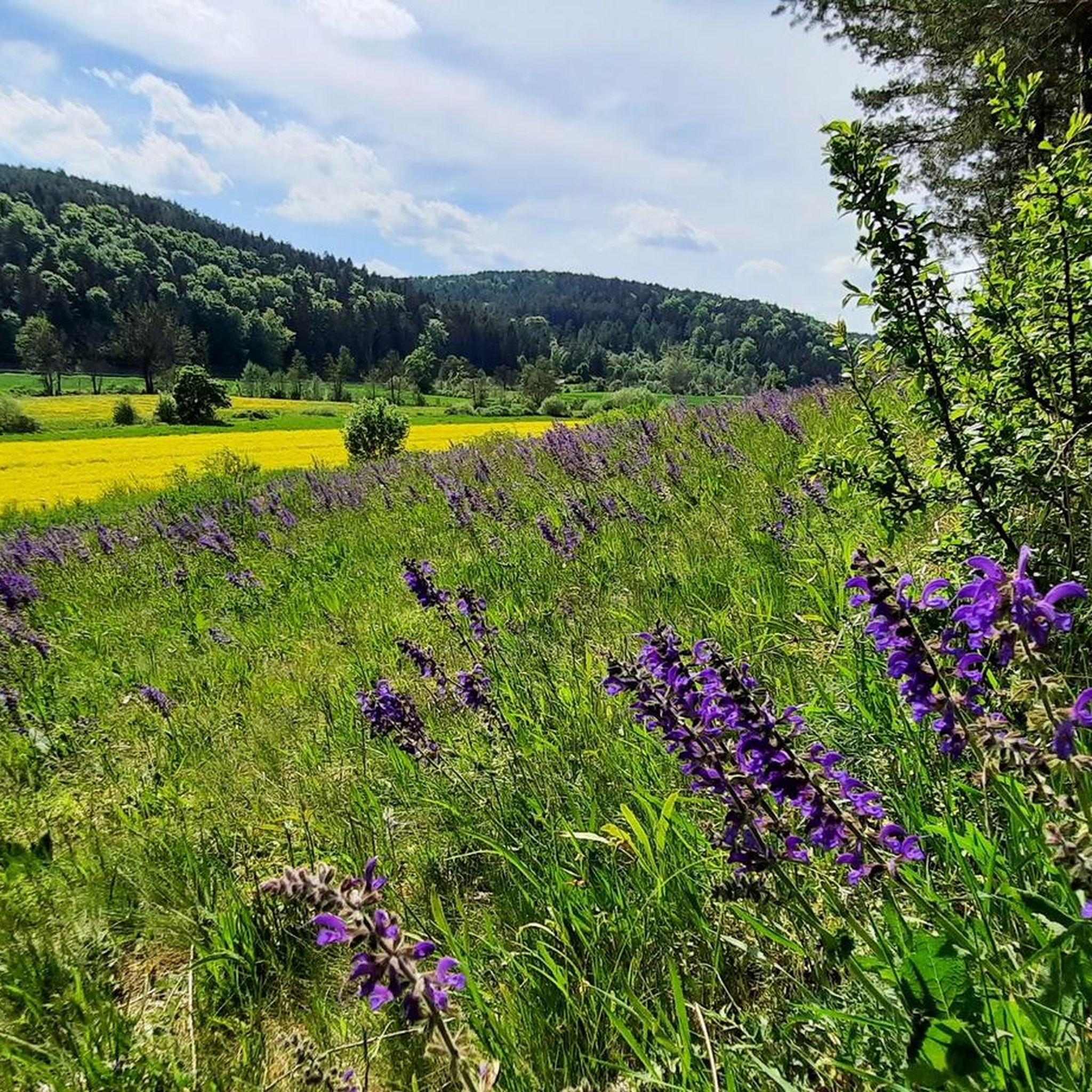
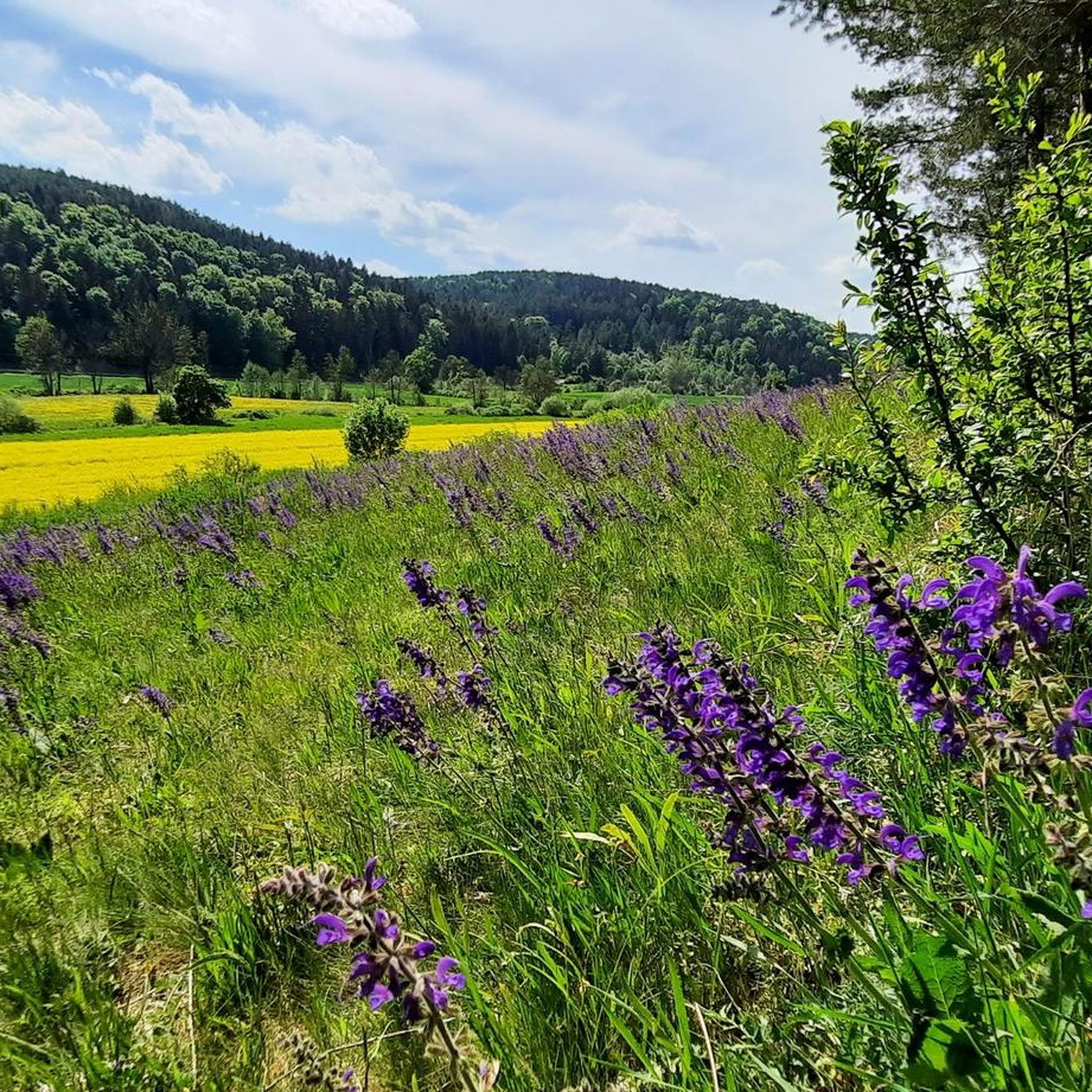
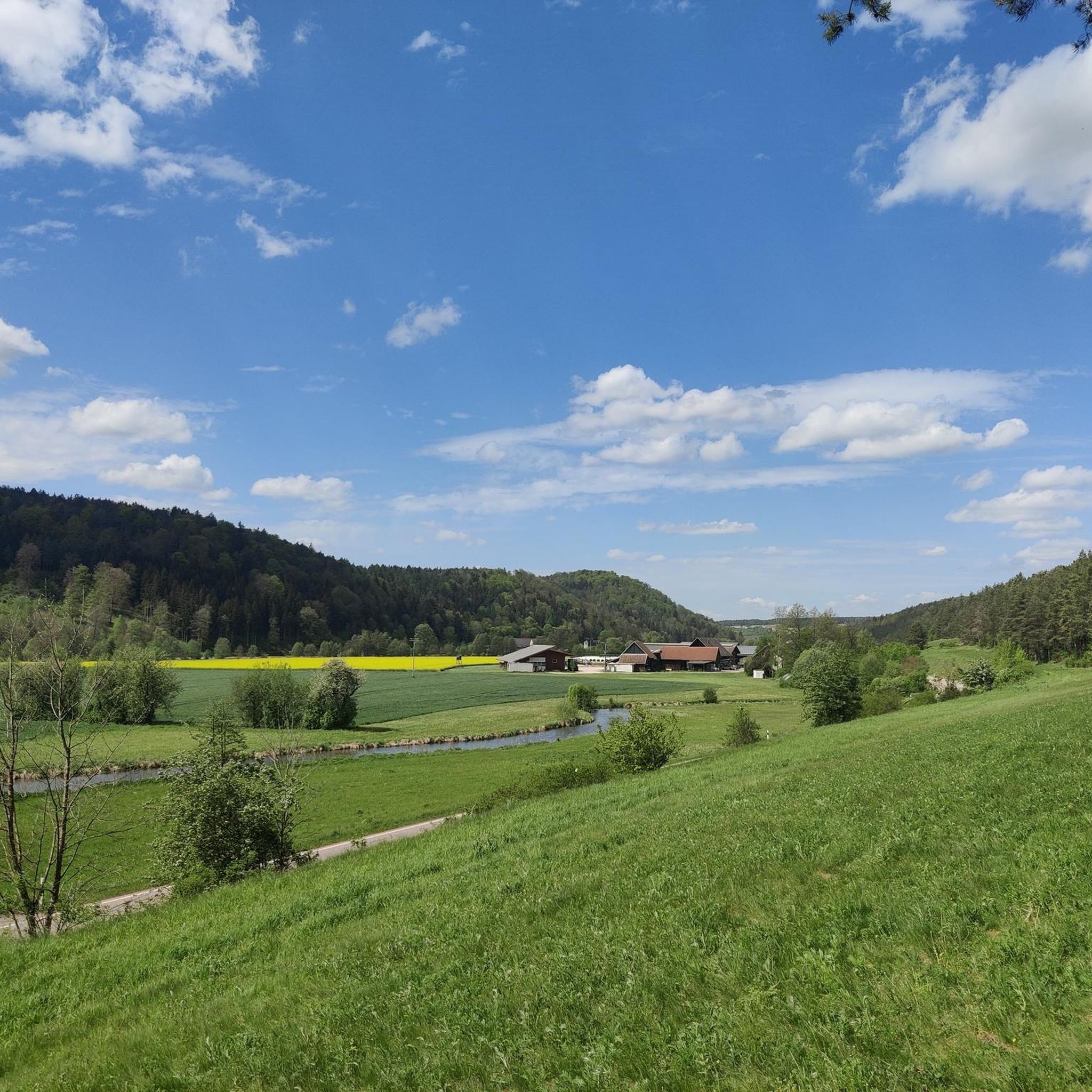
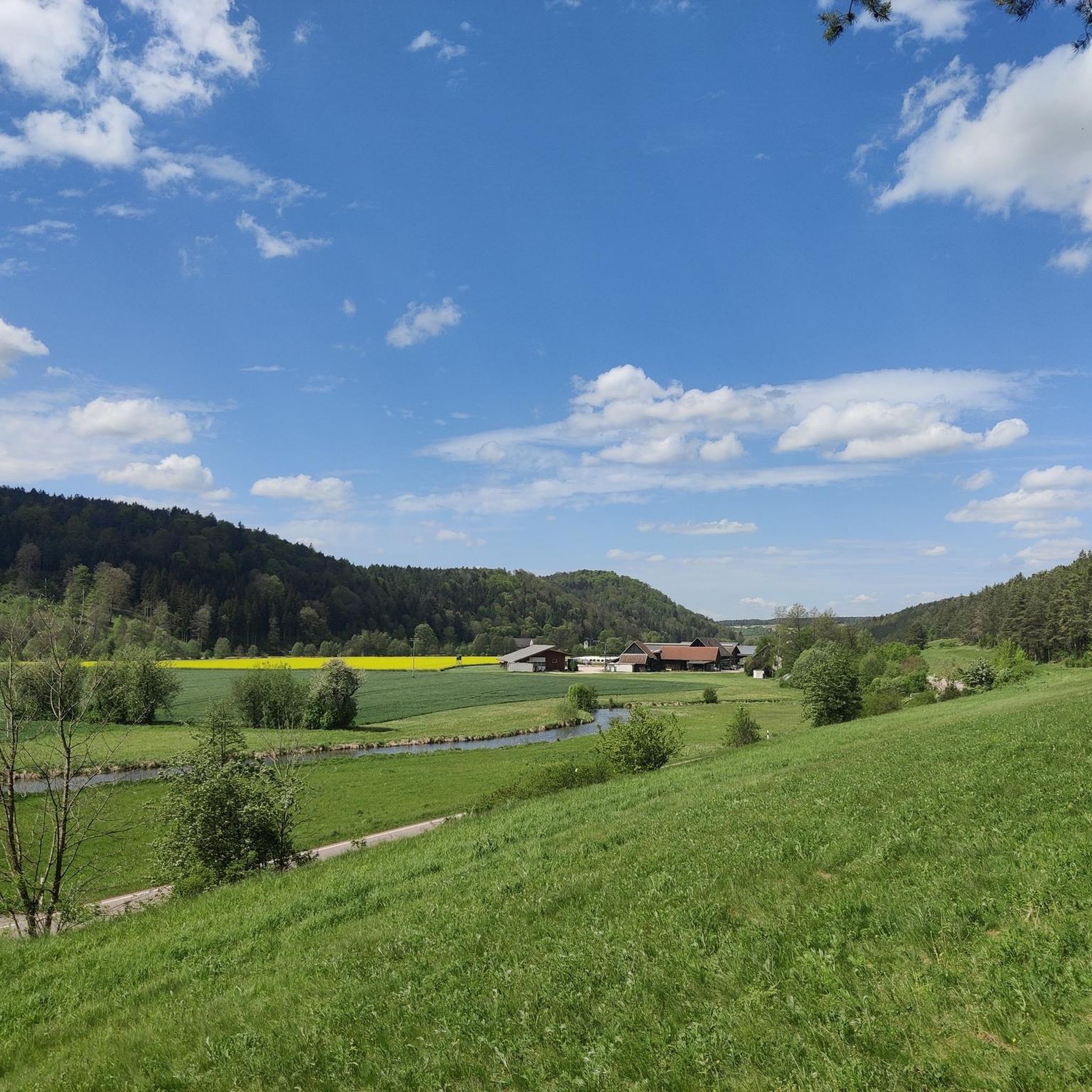
The municipality has a number of highlights to offer. Within walking distance, you can admire the juniper heaths and dry grassland slopes, karst rocks give the valley a rough feel and the hospitable town centre invites you to feast.
0
0

Beautiful view of the Naab and the Kallmünz castle ruins.
4
0

Very beautiful former Hofmarkburg, which was probably built on the walls of a moated castle, essentially from the 13th century. In the 20th century the chateau was used as a warehouse for hops and grain. The market town has belonged to it since 1937 and has since been used as the town hall. There is a charging station for e-bikes.
5
0
Rossstein ruins Roßstein is located near Schmidmühlen and Hohenburg in the middle of the lonely Taubenbacher Forest. Chunrad Oerelheimer named himself after the castle for the first time in 1331, so he could be the builder. At that time it was conveniently located on the Bistumer Steig, a trade route from the Eger region. In 1357 the castle came to Rüdiger Punzinger, who was in the service of the Wittelsbach Count Palatine, as a dowry to a daughter of Konrad. Rüdiger made a career and became a nurse in Hohenfels around 1375. After his death, his brother Georg Punzinger succeeded him in 1381 - a pugnacious spirit. He came into conflict with the city of Regensburg around 1400: Apparently he housed shady rabble in his castle, who had repeatedly attacked Regensburg merchants on the street. In the course of this feud, the castle was set on fire by the Regensburgers in 1411, but was rebuilt by Andreas Punzinger. Nevertheless, the Punzinger did not lose their important position. However, the family gradually loses interest in the now remote Roßstein Castle. The Counts Palatine want to buy Roßstein back from the last Punzinger named Mathes, but he refuses. After his death, Roßstein was only inspected by a forester from the Palatinate. In 1550 it caught fire due to carelessness. Lienhart Spieß, appointed as administrator in 1563, no longer renews it, but resides in the Spießhof, which still exists today, at the foot of the castle hill. Since then decay up to our days, around 2000 securing of the remains. The main castle consists of a large, almost rectangular residential tower made of quarry stone. The corners are made of ashlars, one can even find a few hump ashlars. The residential tower has a vaulted basement, a low ground floor with light slits and two spacious upper floors with windows and two head-high, vaulted entrances. Access to the east could be blocked with a locking bar. Even if the castle ruins are rather small, a visit is worthwhile, especially if you combine it with a hike through the beautiful Taubenbach valley and the lonely Taubenbach forest. Far away from major roads, the Upper Palatinate Jura can be experienced in a unique way. Source: Excerpts from www.Burgen-seite.de
8
0
シュミットミューレンでのの人気観光スポット

komootモバイルアプリでインスピレーションを得よう


さらに探索
他の場所で最高の城を探していますか?他のガイドを発見しましょうシュミットミューレンでの:
