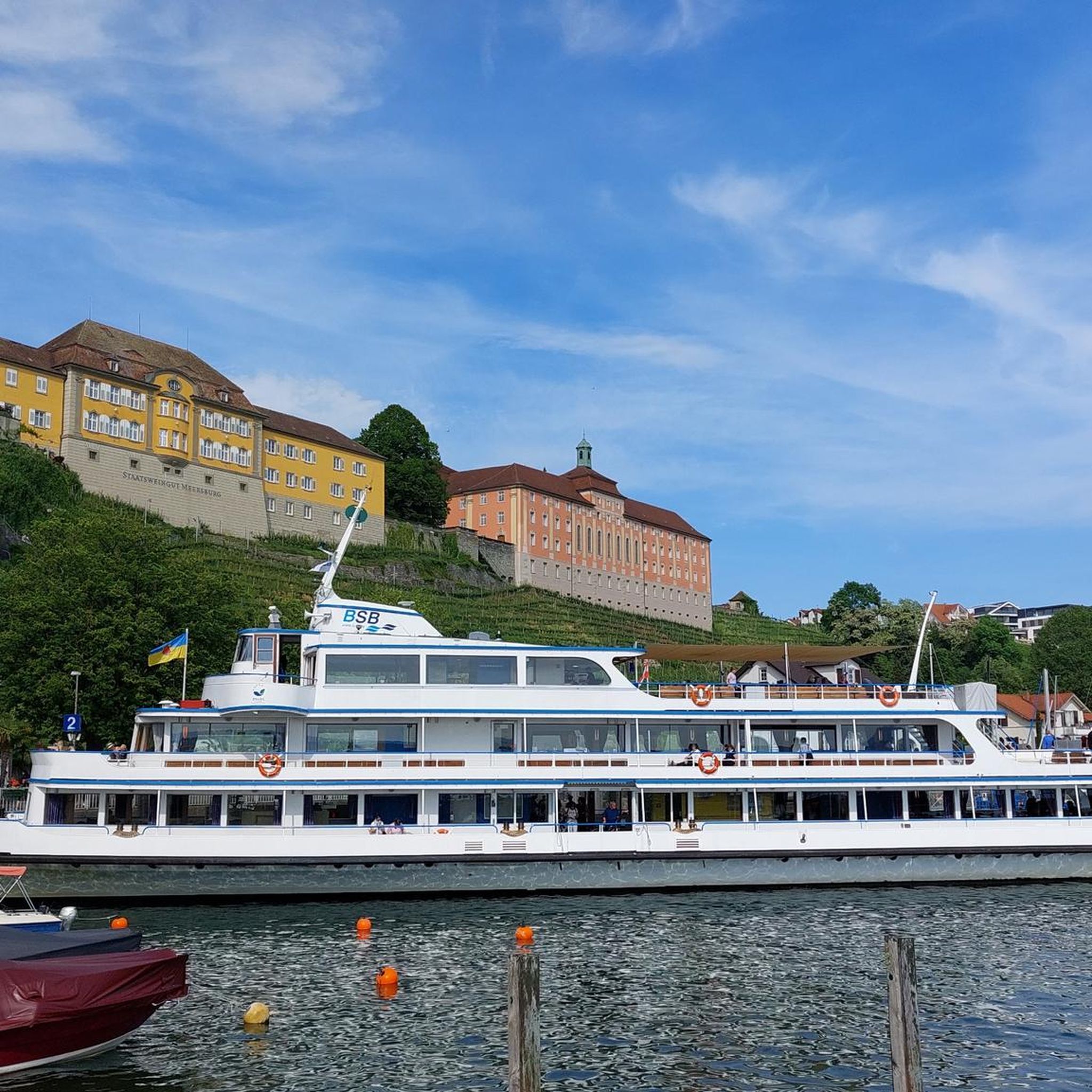
ペーターハーゲン/エガースドルフ周辺の最高の城は近郊にあり、史跡や城のような邸宅を提供しています。ベルリンの東に位置するこの地域では、重要な歴史的建造物を探索する機会があります。これらの史跡には、かつての王宮やマナーハウスが含まれ、新ゴシック様式からバロック様式まで様々な建築様式が展示されています。この地域は、歴史探訪と文化体験の融合を提供します。
最終更新日: 7月 19, 2026
ハイライト • 歴史的な場所
翻訳者 Google •
役立つ情報 は
ハイライト • 歴史的な場所
翻訳者 Google •
役立つ情報 は
今すぐサインアップして、こんな場所を発見しよう
最高のシングルトラック、ピーク、その他のエキサイティングなアウトドアスポットのおすすめを受け取ろう。
無料新規登録
ハイライト • 城
翻訳者 Google •
役立つ情報 は
ハイライト • 城
翻訳者 Google •
役立つ情報 は
ハイライト • 宗教的な場所
翻訳者 Google •
役立つ情報 は
無料でサインアップして、さらに多くの城を発見しましょう パータースハーゲン/エガースドルフでの。
無料新規登録
すでにアカウントをお持ちですか?
無料アカウントで今日から始めよう
次の冒険が待っています。
ログインまたは登録
Right next door is a lovely café with ice cream and cakes. The castle park is also highly recommended.
1
0
The building catches your eye as you drive past.
0
0
Unfortunately not accessible for us cyclists.
0
0
Privately owned and not open to the public.
0
0
George Leopold Dotti, an Italian-born merchant and leather goods manufacturer from Berlin, acquired the estate in Neuenhagen in 1885 for 570,000 marks and had his manor house built here with a representative driveway, outside staircase, half-timbered gables and a round-arched main portal. Dotti himself was involved in the design of the manor park and had an artificial mountain raised, from which an artificial spring gushed into a moat and emptied into a park pond. The main avenue of the park, lined with linden trees, can still be seen today. Dotti, like many landowners in Brandenburg at the time, became the chief of Neuenhagen. As early as 1898 he sold his mansion to the Union-Klub (owner of the Hoppegarten racecourse) and created a new home on Königsallee (today Hauptstrasse). Later, the Dotti Castle, owned by the Union Club, played an inglorious role during the Kapp Putsch against the Weimar Republic in 1920 as a secret weapons store for the Freikorps supporters who were involved in the putsch. During the Nazi era, executives of the NSDAP appropriated the castle and converted it into a district training center. After the war, the Union Club was expropriated by land reform. After several conversions, the castle was set up as a hospital in 1948, later as the surgical department of the district hospital. In 1994 the Neuenhagen hospital was closed. The Dotti Castle and the surrounding park are now privately owned.
0
0
Wilkendorf Castle is a listed aristocratic residence in the town of the same name north of Strausberg, which served as a guest house for the Ministry of Defense during GDR times. Since 1536 the property has belonged to members of the traditional Brandenburg aristocratic family Pfuel (Pfuel auf Wilkendorf line). It was not until 1852 that Gustav Felix Bertram von Pfuel, the fifth child of the von Pfuel family, had the castle built. Theodor Fontane developed the idea for his novel Effi Briest at Wilkendorf Castle. Two thirds of the castle burned down in 1891, and the castle was partially rebuilt in 1892/93. In 1905 the industrialist Georg von Caro (1849–1913) acquired the castle with the 1193 hectare manor. The new lord of the castle had the von Pfuel coat of arms above the main entrance removed and replaced it with the coat of arms of the von Caro family. After 1945, Wilkendorf Castle became the guest house of the GDR Ministry of Defense. The "Operational Group of the Ministry of National Defense" met there on August 9, 1961 to determine the detailed plans for the deployment of the East German NVA with regard to the construction of the Berlin Wall from August 13, 1961. The castle has been empty since 1990. In 2005 the buildings were sold to Russian investors who (wanted) to extensively renovate the dilapidated building and convert it into a luxury hotel, the author's note. “Schloss Wilkendorf Liegenschaften GmbH”, founded at the end of 2005, had taken on these tasks. The luxury hotel was planned to open in 2019. Source: https://de.wikipedia.org/wiki/Schloss_Wilkendorf The house has obviously been refurbished. When will be opened is written in the stars. If you are interested in the ambitious plans, follow the link below: http://www.schloss-wilkendorf.de/index.php?lang=de&id=85
0
0
Since 1536 the property has belonged to members of the traditional Brandenburg aristocratic family Pfuel. In the last years of the war, the Spanish ambassador was quartered in Wilkendorf Palace due to the constant heavy air raids on Berlin. After 1945, Wilkendorf Castle became the guest house of the GDR Ministry of Defense. There, on August 9, 1961, the “operational group” of the “Ministry of National Defense” set up the detailed plans for the deployment of the GDR's National People's Army in connection with the construction of the Berlin Wall from August 13, 1961. The castle has been empty since 1990. In 2005 the buildings were sold to Russian investors who had the dilapidated building extensively renovated and converted into a luxury hotel. “Schloss Wilkendorf Liegenschaften GmbH”, founded at the end of 2005, has taken on these tasks. The luxury hotel in the castle is planned to open in 2019. It probably stayed with the planning.
0
0


他の場所で最高の城を探していますか?他のガイドを発見しましょうパータースハーゲン/エガースドルフでの: