コンツ周辺のアトラクション&必見スポット - トップ20
コンツには必見のスポットがたくさんあります。ハイキング愛好家やサイクリング愛好家の方は、ぜひコンツを探索してこのエリアにある20
の隠れたスポットを訪れてみてください。このエリアの必見スポットを確認し、次の冒険に出かける計画を立てましょう。
最終更新日: 10月 23, 2026
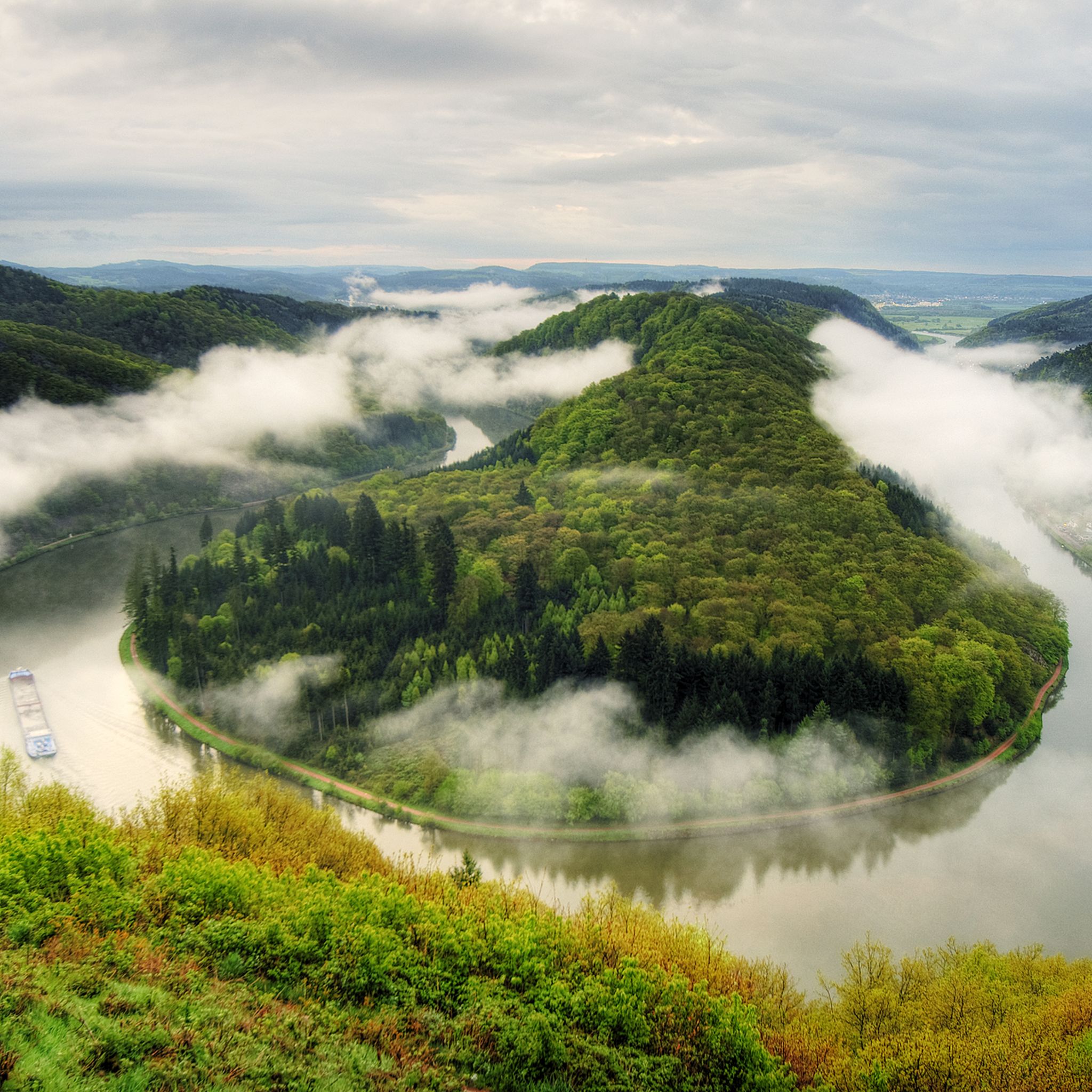
ザールブルクとザールブルク城の眺め
ハイライト • 展望台
翻訳者 Google •
役立つ情報 は

ザール川とモーゼル川の合流点
ハイライト • 川
翻訳者 Google •
役立つ情報 は

今すぐサインアップして、こんな場所を発見しよう
最高のシングルトラック、ピーク、その他のエキサイティングなアウトドアスポットのおすすめを受け取ろう。
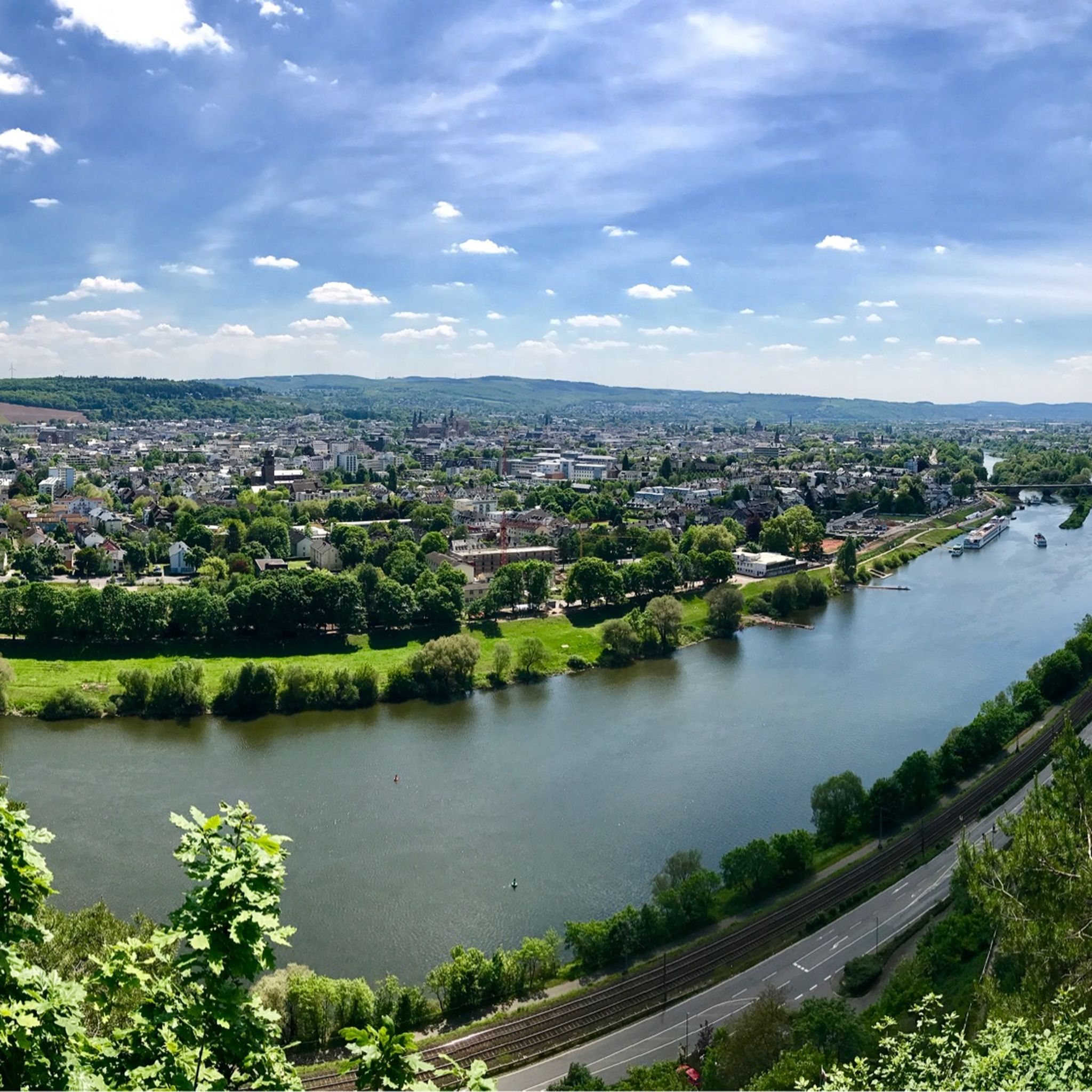
ポルタ・ニグラ
ハイライト • 歴史的な場所
翻訳を表示中
役立つ情報 は

トリーア中央広場
ハイライト • 歴史的な場所
翻訳を表示中
役立つ情報 は


無料アカウントで今日から始めよう
次の冒険が待っています。
コンツでのの他の冒険


コミュニティからのヒント

西暦2000年近く前にローマの都市の門として建てられたポルタ・ニグラは、ほぼ無傷で何世紀にもわたってその姿を保ってきました。 7,200個の石材ブロックで造られ、高さは29メートルです。 中世には教会として使用されていましたが、800年を経て再び都市の門としての機能を果たしています。 今日、その名の意味である「黒い門」は、ユネスコ世界遺産に登録されており、トリーアのランドマークとなっています。 https://www.urlaub-in-rheinland-pfalz.de/urlaub/766/Porta_Nigra/index.htm
23
2

The Porta Nigra (Latin for "Black Gate"; formerly also Porta Martis and Römertor) is a former Roman city gate built from 170 AD on Porta Nigra Square and is a symbol of the city of Trier. The name Porta Nigra comes from the Middle Ages. The inhabitants of Trier usually only call the gate "Porta". The Porta Nigra has been part of the UNESCO World Heritage in Trier since 1986. Furthermore, it is a protected cultural asset under the Hague Convention. The Porta Nigra is the best preserved Roman city gate in Germany.
26
2
Where the Saar and Moselle meet The Moselle and Saar originate in France and meet in Konz after a long journey through varied landscapes. The two rivers give our holiday region its name and have shaped a unique landscape. At the mouth of the Saar there is a triangular sculpture as a place of peace and meditation. You can sit in the stone, shielded from external influences. It is quieter in the stone and the sound of the water is amplified.
15
0

Here the Saar flows into the Moselle and forms a small German Corner. There is a pyramid-shaped stone here as a monument to Kaiser Wilhelm.
12
0

With a length of 235 kilometers, the Saar is the longest tributary of the Moselle. more: https://de.wikipedia.org/wiki/Saar#:~:text=Mit%20235%20Kilometern%20Flie%C3%9Fstrecke%20ist,mit%202.569%2C69%20km%C2%B2%20Fl%C3%A4che.
8
0
The main market of Trier is the central and one of the largest squares in the city. It is located in the historic city center directly in front of the cathedral city in today's Mitte/Gartenfeld district. The most important urban commercial streets come together here. In 958, Archbishop Henry I equipped the main market with the market cross as a symbol of sovereignty. The main market was a place for selling goods and trading in the medieval city.
17
0

The Porta Nigra, Trier's landmark, is the best preserved Roman city gate north of the Alps and is a UNESCO World Heritage Site. The city gate now serves as the central information center on the Roman city, which is shown there in an impressive model. Multimedia guides bring the history of the Porta Nigra to life from its beginnings in antiquity to its use as a church complex. Alternatively, the content of the multimedia guide can be accessed on site free of charge using your own smartphone. Visitors to the Porta Nigra experience a new generation of digital guidance. A multimedia installation illustrates how the ancient city gate could become a place of veneration of saints in the Middle Ages. The city gate was built from approx. 7200 stone blocks around 170 AD, and thanks to the massive construction it has been preserved to this day. With the end of the Roman Empire and the change of time, the city gate was used in a variety of ways. In the 11th century, the building served as a dwelling for the monk Simeon, who lived as a hermit. With his death, the city gate was converted into a church complex - another reason why it has been preserved to this day. The following centuries were marked by renovation and maintenance measures. Under Napoleon's rule, the church was dissolved in 1803 and a restoration of the ancient design was ordered. Even today, measures for the renovation and maintenance of the Porta Nigra are taking place.
29
3

Ideal place to have a picnic and enjoy the view. Think about the fact that the Saar is the longest tributary of the Moselle with over 230 km and flows through this into the Rhine into the North Sea👍
11
0

komootモバイルアプリでインスピレーションを得よう


さらに探索
まだ探しているハイライトが見つかりませんか?他の地域のトップアトラクションのガイドを見てみましょう:
