ノースヘッセの洞窟・トップ20
ハイキングの途中で偶然見つけた場合でも、ガイドブックに沿ってたどり着いた場合でも、いつも特別な体験をもたらしてくれる城。ノースヘッセには訪れるべき 20
の美しい城があります。一覧から行きたい城を見つけて、次の冒険では歴史にも触れてみましょう。
最終更新日: 10月 23, 2026
ヴィルヘルムスヘーエ城
ハイライト • 城
翻訳者 Google •
役立つ情報 は

レーヴェンブルク(ベルクパーク・ヴィルヘルムスヘーエ)
ハイライト • 城
It represents an …
翻訳者 Google •
役立つ情報 は

今すぐサインアップして、こんな場所を発見しよう
最高のシングルトラック、ピーク、その他のエキサイティングなアウトドアスポットのおすすめを受け取ろう。
ロッホバッハクラム渓谷
ハイライト (セグメント) • 峡谷
翻訳者 Google •
役立つ情報 は

ビーバーシュタイン城の眺め
ハイライト • 城
翻訳者 Google •
役立つ情報 は

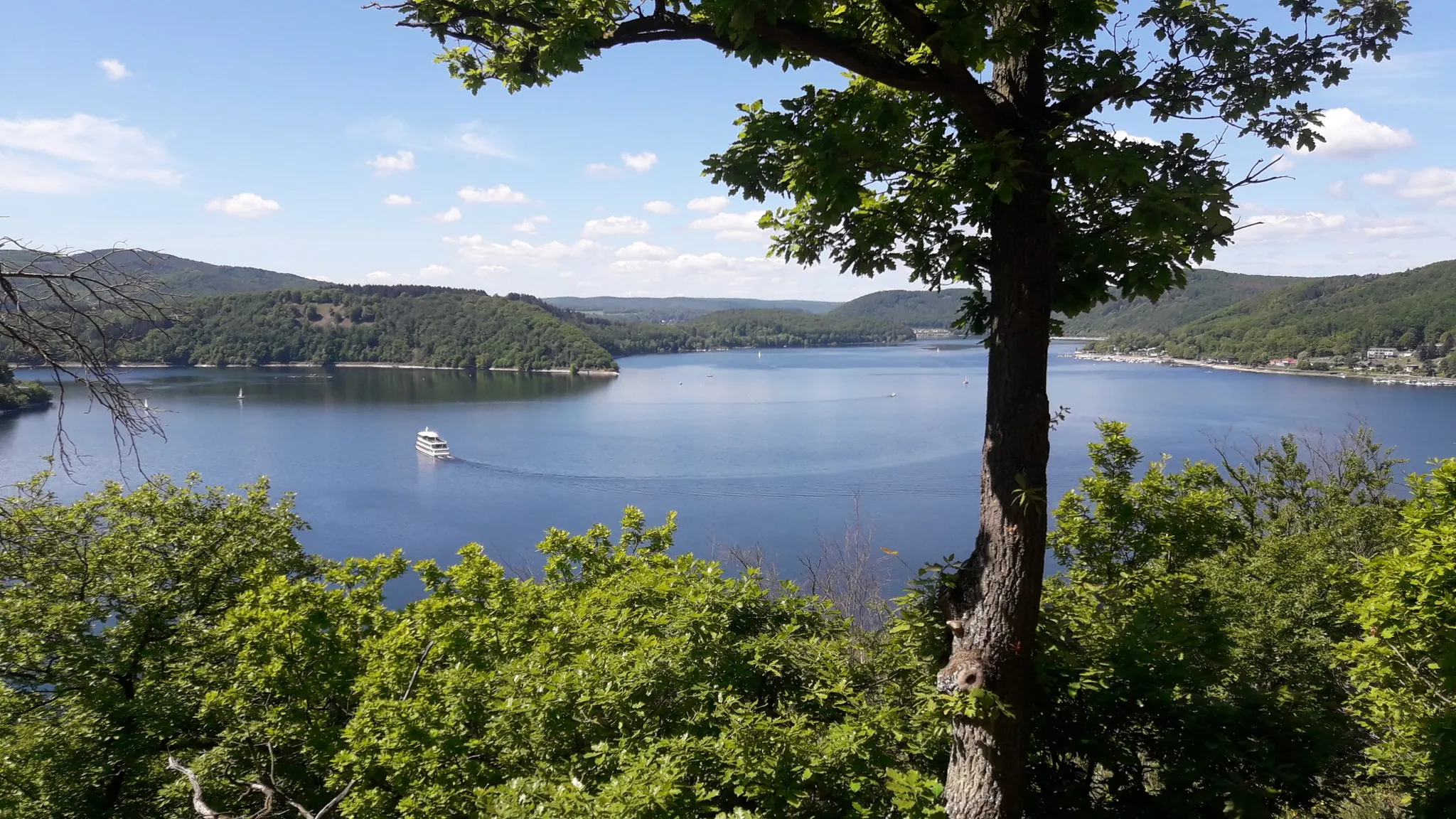
カンツェル展望台:エーダーゼーとヴァルデック城の眺め
ハイライト • 展望台
翻訳者 Google •
役立つ情報 は

フルダ城公園
ハイライト • 記念碑
翻訳者 Google •
役立つ情報 は
フルダ市宮殿(シュタットシュロス・フルダ)
ハイライト • 城
翻訳者 Google •
役立つ情報 は

ヴァイデルスブルク城跡
ハイライト • 城
翻訳者 Google •
役立つ情報 は
アウアースブルク城跡
ハイライト • 城
翻訳者 Google •
役立つ情報 は

ファルケンシュタイン城跡(バート・エムスタール)
ハイライト • 城
翻訳者 Google •
役立つ情報 は
無料でサインアップして、さらに多くの城を発見しましょう ノースヘッセでの。
すでにアカウントをお持ちですか?
無料アカウントで今日から始めよう
次の冒険が待っています。

ノースヘッセでのの他の冒険


コミュニティからのヒント

Fantastically beautiful view.. priceless
9
0

Memorial stone for Justice Counsel Julius Türck.
12
0
Chronicle of the Rhönclub Hilders due to construction work and changes
13
0

The city palace, with its preserved historical rooms, offers insights into the princely living culture of the Baroque and Classicism periods. Its predecessors were an abbot's castle (around 1300) and a four-wing Renaissance palace built between 1607 and 1612, which was redesigned from 1706 to 1721 according to plans by Johannes Dientzenhofer and served as the Baroque residence of the prince-abbots and prince-bishops of Fulda.
9
0

Well-preserved castle ruins with a great observation tower. From there you can see as far as Milseburg and Wasserkuppe.
13
1
At the castle ruins you can climb a tower and enjoy the wonderful view. You can see as far as the Milseburg and the Wasserkuppe.
16
0

The Fulda City Palace, now the seat of the city administration, was built between 1708 and 1714 as the residence of the Prince Abbots of Fulda and later the Prince Bishops. The City Palace is a four-wing complex with two side wings in front, which enclose a courtyard of honor. The foundation walls and tower of the four-wing complex partly date from the previous buildings, the old Abbot's Castle and a Renaissance palace from the 17th century. Inside, many historical rooms have been preserved true to the original and can be visited. They impressively document the life and living culture of the absolutist rulers. There is, for example, the magnificent Prince's Hall, which is regularly used for classical concerts or other cultural events. The meetings of the city council are also held here. The heart of the palace, however, is the residential wing of the Prince Abbots and later the Prince Bishops. It was furnished around 1730 and later redesigned in the Rococo style. The most magnificent room is probably the Hall of Mirrors - the former dressing room of the prince abbot, which is equipped with hundreds of small and large mirrors. The city palace also houses a museum in which, among other things, an exquisite porcelain collection can be admired. https://www.rhoenfuehrer.de/ausflugsziele/sehenswuerdigkeiten/burgen-schloesser/stadtschloss-fulda/2950
9
1

Above Wilhelmshöhe Castle lies the artificial castle ruins of the Löwenburg. From a distance it appears like a romantic knight's castle from the Middle Ages. However, it was only built between 1793 and 1801 as the “ancestral castle” of Landgrave Wilhelm IX. of Hesse-Kassel, the later Elector Wilhelm I. His court architect Heinrich Christoph Jussow implemented the bold plans. The Löwenburg was not a fortress, but a pleasure palace, whose princely living quarters and rich furnishings with historical furniture, paintings, tapestries, glasses, bronzes as well as a magnificent collection of weapons and medieval stained glass windows reflect the great passion for collecting of its builder. The immediate surroundings of the castle were also included in the production by creating an ancient-looking castle garden, a vineyard, a tournament field and a zoo.
17
1

komootモバイルアプリでインスピレーションを得よう


