カニージャスデアセイトゥノのおすすめツーリングルート
4.4
(330)
2,771
ライダー
86
ライド
カニージャスデアセイトゥノ周辺でのおすすめのサイクリングルートを参考にして、このエリアを最大限に楽しみましょう。ここでご紹介するのは、カニージャスデアセイトゥノ周辺の人気バイクライドです。ぜひ、自分に合ったルートを見つけてください。
最終更新日: 10月 8, 2026
4.5
(2)
76
ライダー
59.4km
04:22
1,340m
1,340m
難しい自転車ライド. 標準以上のフィットネスレベルが必要です。 全般的に舗装された状態です。あらゆるスキルレベルに適しています。
4.0
(1)
39
ライダー
41.9km
03:45
990m
990m
難しい自転車ライド. 標準以上のフィットネスレベルが必要です。 全般的に舗装された状態です。あらゆるスキルレベルに適しています。

4.5
(2)
29
ライダー
57.0km
04:24
1,530m
1,530m
難しい自転車ライド. 標準以上のフィットネスレベルが必要です。 全般的に舗装された状態です。あらゆるスキルレベルに適しています。
24
ライダー
81.7km
05:43
1,590m
1,590m
難しい自転車ライド. 標準以上のフィットネスレベルが必要です。 全般的に舗装された状態です。あらゆるスキルレベルに適しています。
4.0
(1)
13
ライダー
68.7km
04:56
1,420m
1,420m
難しい自転車ライド. 標準以上のフィットネスレベルが必要です。 全般的に舗装された状態です。あらゆるスキルレベルに適しています。
さらに多くのルートや他のユーザーのおすすめ情報を確認できます。
すでにアカウントをお持ちですか?
おすすめのツアーは他のkomootユーザーが実際に経験した何千ものアクティビティに基づいています。



コミュニティからのヒント

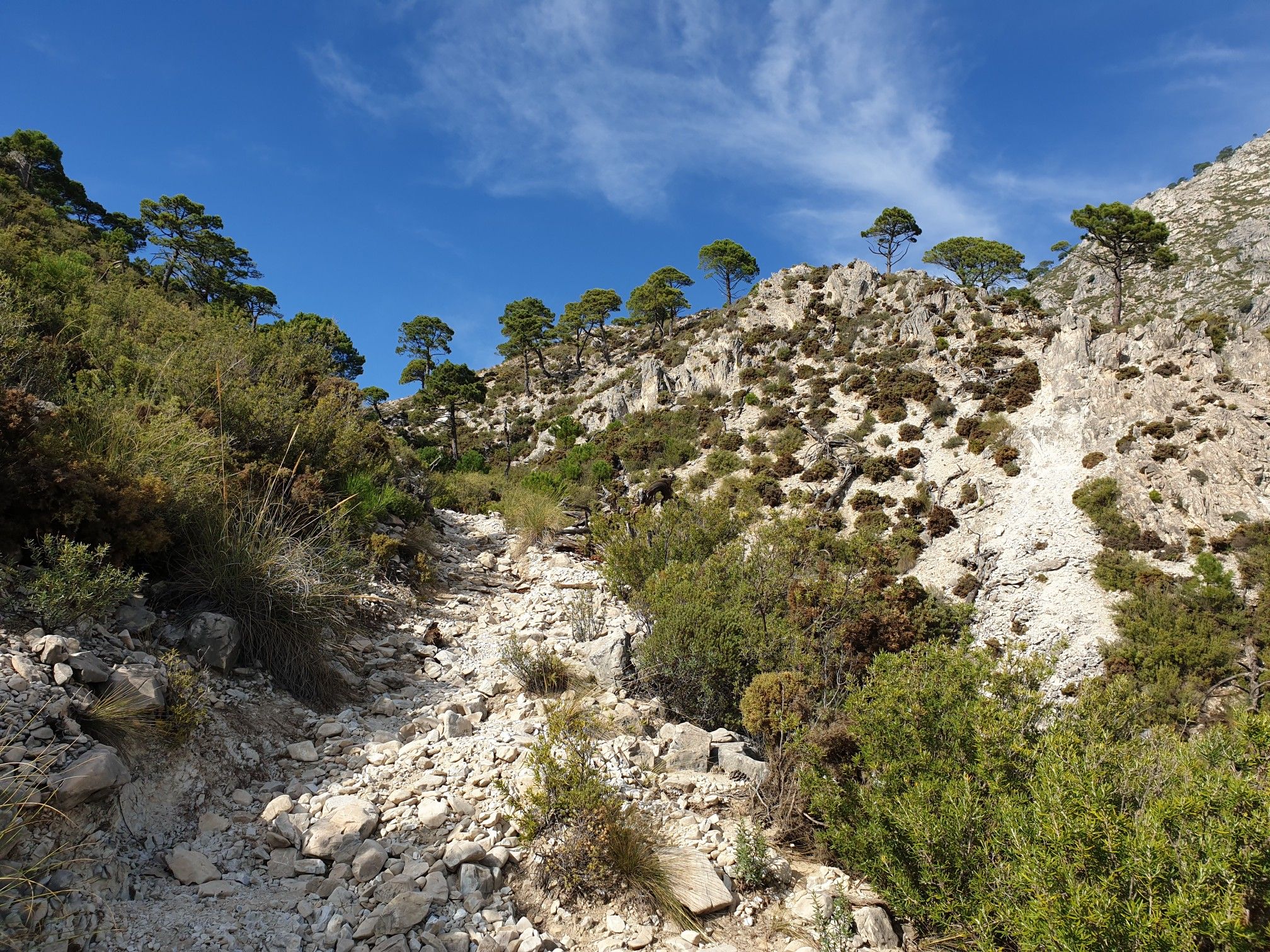
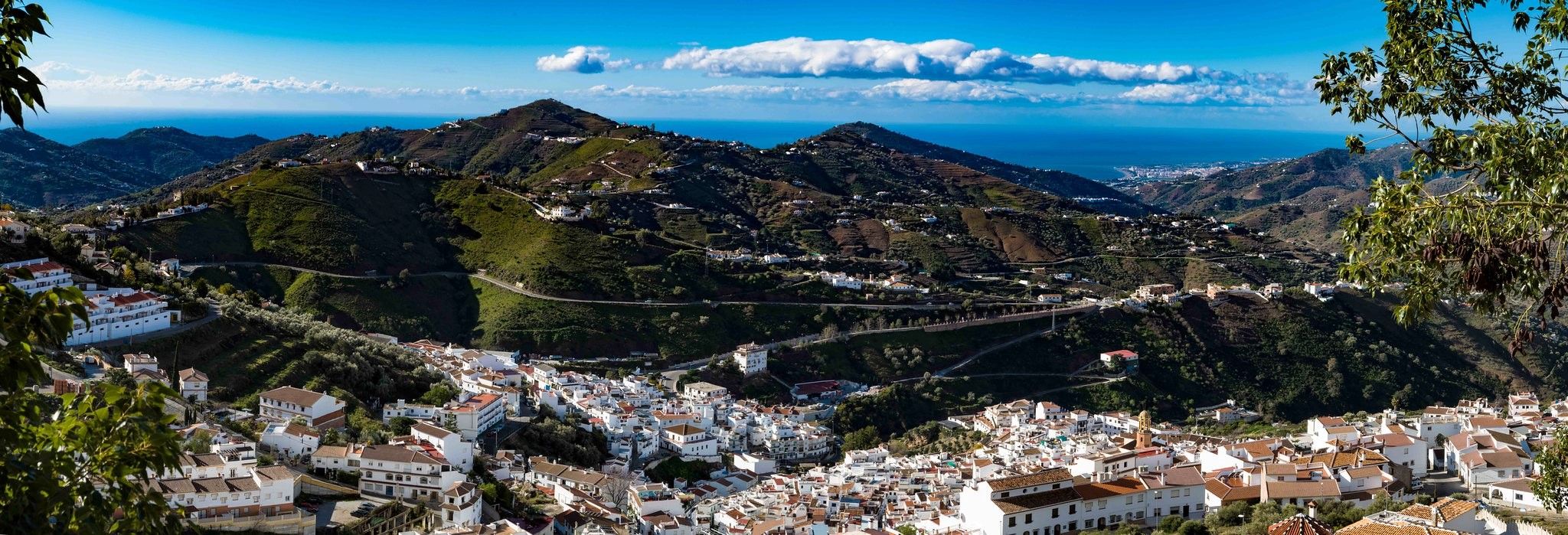
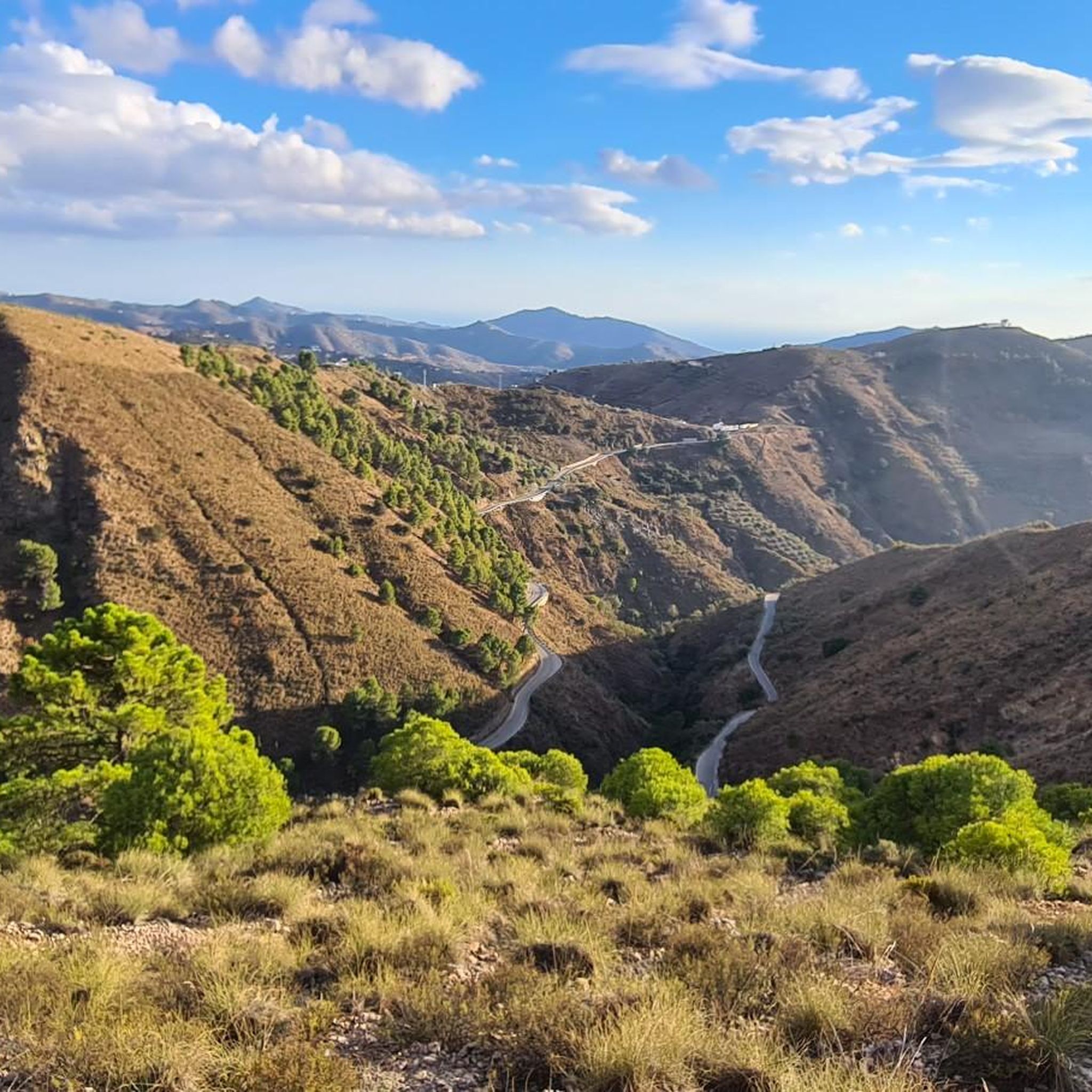
Axarquíaとマラガの海岸への壮大な展望台
0
0


The Museo de la Miel (Honey Museum) in Colmenar is dedicated to beekeeping and honey production. It showcases honey making from antiquity to the present day, explains how beehives work, and the role of bees in nature. The museum is organized thematically, displaying the life of bees, different types of beehives, honey production, and beekeeping tools. Interactive screens supplement the exhibition with information on pollination, beekeeping practices, and products from the hive. In addition, the museum regularly hosts events such as workshops, tastings, and culinary tours that highlight regional products like honey and cheese. Visitors can purchase various types of honey, beeswax candles, and other handcrafted items in the museum shop. Thus, the Museo de la Miel offers a comprehensive insight into the world of bees and the tradition of honey production.
5
0
The Plaza de España in Colmenar is the vibrant heart of the village, reflecting the typical character of an Andalusian town center. Surrounded by white houses with wrought-iron balconies, small cafes, and orange trees, it forms the social and cultural hub of the community. At its center stands an elegant, multi-tiered stone fountain, a defining feature of the square. The water flows in gentle arcs from one basin to the next, creating a tranquil and inviting atmosphere. Particularly striking are the bees that gather around the upper part of the fountain with its intricately carved jugs—a natural phenomenon closely linked to Colmenar's history and identity. The town's name derives from the Spanish word "colmena," meaning "beehive," and the fountain seems to embody this symbolism in a truly remarkable way. Today, the Plaza de España serves as a meeting place for locals and visitors alike, a venue for celebrations, conversations, and the everyday life of the village. With its harmonious interplay of stone, water, and nature, it conveys an authentic image of the tranquil, welcoming atmosphere that characterizes Colmenar. The square thus represents not only the geographical center of the town but also the heart of its community.
0
0

Here you can eat your sandwiches at the picnic tables under the trees in the shade while enjoying the beautiful view.
7
0

Scenic vista point and accss to two parallel steeper trails above and below this remarkably gradual gravel road. Cork oaks with thick bark thrive at this elevation
1
0
Just off to both sides of the gradual Colmenares gravel road, steeper side roads and trails beckon to explore the nature reserve. Asphodelus albus flowers cover the slopes in early spring https://en.wikipedia.org/wiki/Asphodelus_albus
1
0
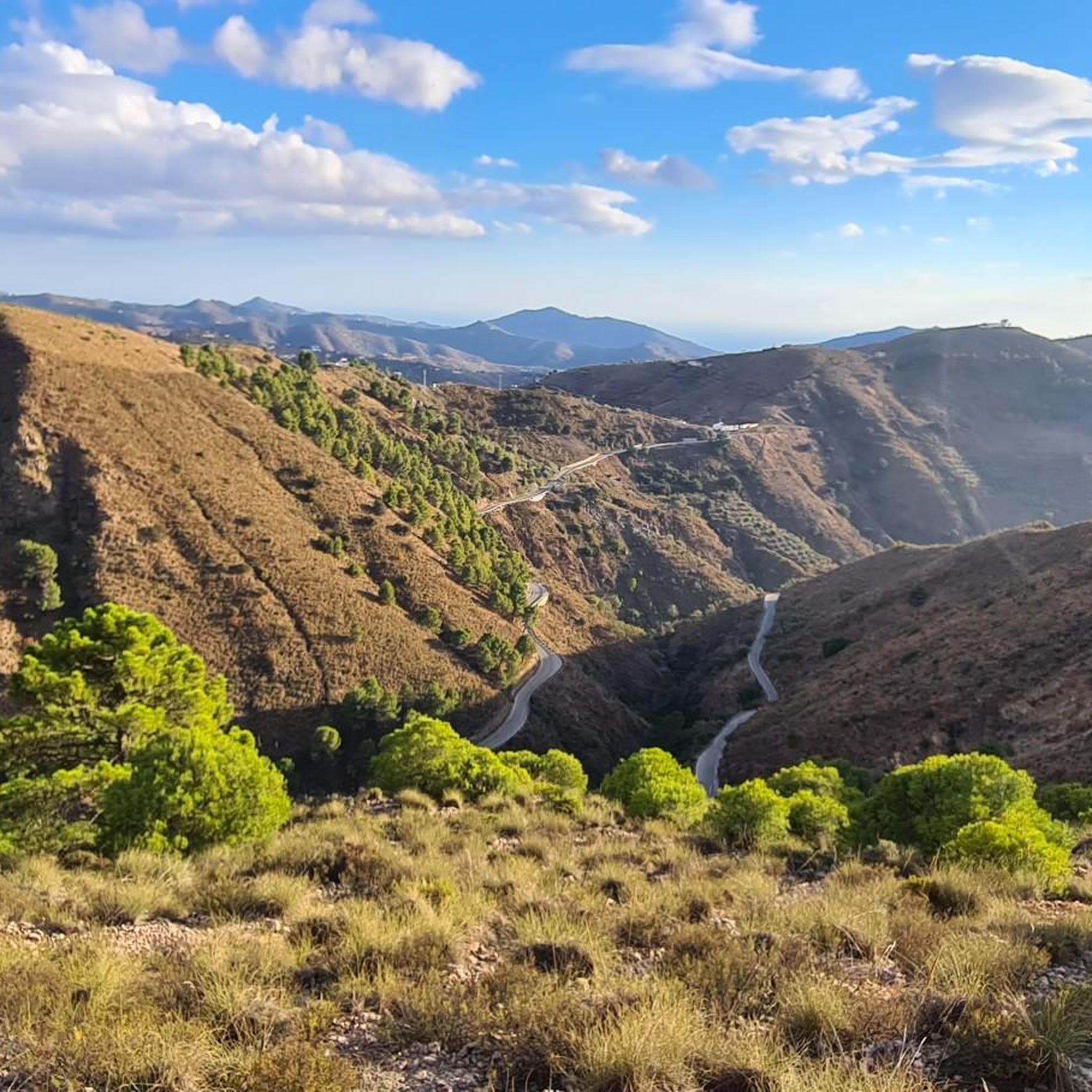
At every turn of this well-built smooth gravel road the views open up across the valley and mountains to the west.
1
0
カニージャスデアセイトゥノでのの人気観光スポット

komootモバイルアプリでインスピレーションを得よう


さらに探索
他の地域の最高のサイクリングルートを見てみましょう。
