에스네스 앙 아르곤 최고의 워킹 & 하이킹 경로
4.5
(38)
168
등산객
8
하이킹
Esnes-En-Argonne 주변의 하이킹은 아르곤 지역의 다양한 풍경을 가로지르며, 이는 울창한 삼림 지대, 완만한 언덕, 그리고 에르(Aire) 강과 센(Aisne) 강이 형성한 깊은 계곡으로 특징지어집니다. 이 지역은 독특한 "가이즈(gaize)" 지질을 특징으로 하며, 숲이 우거진 능선과 계곡을 만듭니다. 또한 이 지역에는 수많은 연못과 빽빽한 수로망이 있어 다양한 생태계를 지원하며 제1차 세계 대전의 가슴 아픈 흔적을 간직하고 있습니다.
Esnes-En-Argonne 주변 최고의 하이킹 코스
- 가장 인기 있는 하이킹 코스는 아르곤 뫼지엔 — 뉴빌리-앙-아르곤 출발 루프 코스로, 27.0km(16.8마일) 길이이며 완료하는 데 7시간 17분이 소요됩니다. 이…
마지막 업데이트: 10월 18, 2026
25
등산객
22.7km
06:21
440m
440m
어려운 하이킹. 우수한 체력 필요. 실력과 관계없이 누구나 쉽게 갈 수 있는 길.
2
등산객
5.58km
01:34
110m
110m
초급용 하이킹. 모든 체력 수준에 적합. 실력과 관계없이 누구나 쉽게 갈 수 있는 길.

1
등산객
4.14km
01:09
70m
70m
초급용 하이킹. 모든 체력 수준에 적합. 실력과 관계없이 누구나 쉽게 갈 수 있는 길.
5.0
(1)
5
등산객
6.65km
01:50
120m
110m
초급용 하이킹. 모든 체력 수준에 적합. 실력과 관계없이 누구나 쉽게 갈 수 있는 길.
4.5
(2)
5
등산객
2.94km
00:44
0m
0m
초급용 하이킹. 모든 체력 수준에 적합. 실력과 관계없이 누구나 쉽게 갈 수 있는 길.
더 다양한 경로와 다른 탐험가들의 추천을 살펴보세요.
이미 komoot 계정이 있나요?
투어 추천은 다른 사람들이 komoot에서 완료한 수천 개의 활동을 바탕으로 구성되어 있습니다.
오늘 무료 계정으로 시작하세요
다음 모험이 기다리고 있어요.



커뮤니티 팁

This impressive American WWI memorial was dedicated in 1937 to commemorate the victory of the American First Army during the Meuse-Argonne Offensive (26 September – 11 November 1918). The 54-metre-high Doric granite column, designed by John Russell Pope, is topped by a statue symbolising liberty. The monument stands on the hill of Montfaucon, where a medieval monastery once stood and where the Americans achieved a strategic victory in 1918.
9
0
This hill in the Argonne was the scene of fierce mine warfare between French and German forces during WWI. From 1915 to 1918, both sides dug extensive tunnel networks under the hill, causing hundreds of explosions and thousands of deaths. Today, impressive craters, trenches and underground passages can be seen – a poignant reminder of life and fighting underground.
7
0
Tips: Climb the 234 steps to the viewing platform for a panoramic view of the former battlefield. Read the inscriptions at the foot of the monument with the names of the participating divisions.
1
0
This impressive American WWI memorial was dedicated in 1937 to commemorate the victory of the American First Army during the Meuse-Argonne Offensive (26 September – 11 November 1918). The 54-metre-high Doric granite column, designed by John Russell Pope, is topped by a statue symbolising liberty 1 2. The monument stands on the hill of Montfaucon, where a medieval monastery once stood and where the Americans achieved a strategic victory in 1918.
1
0

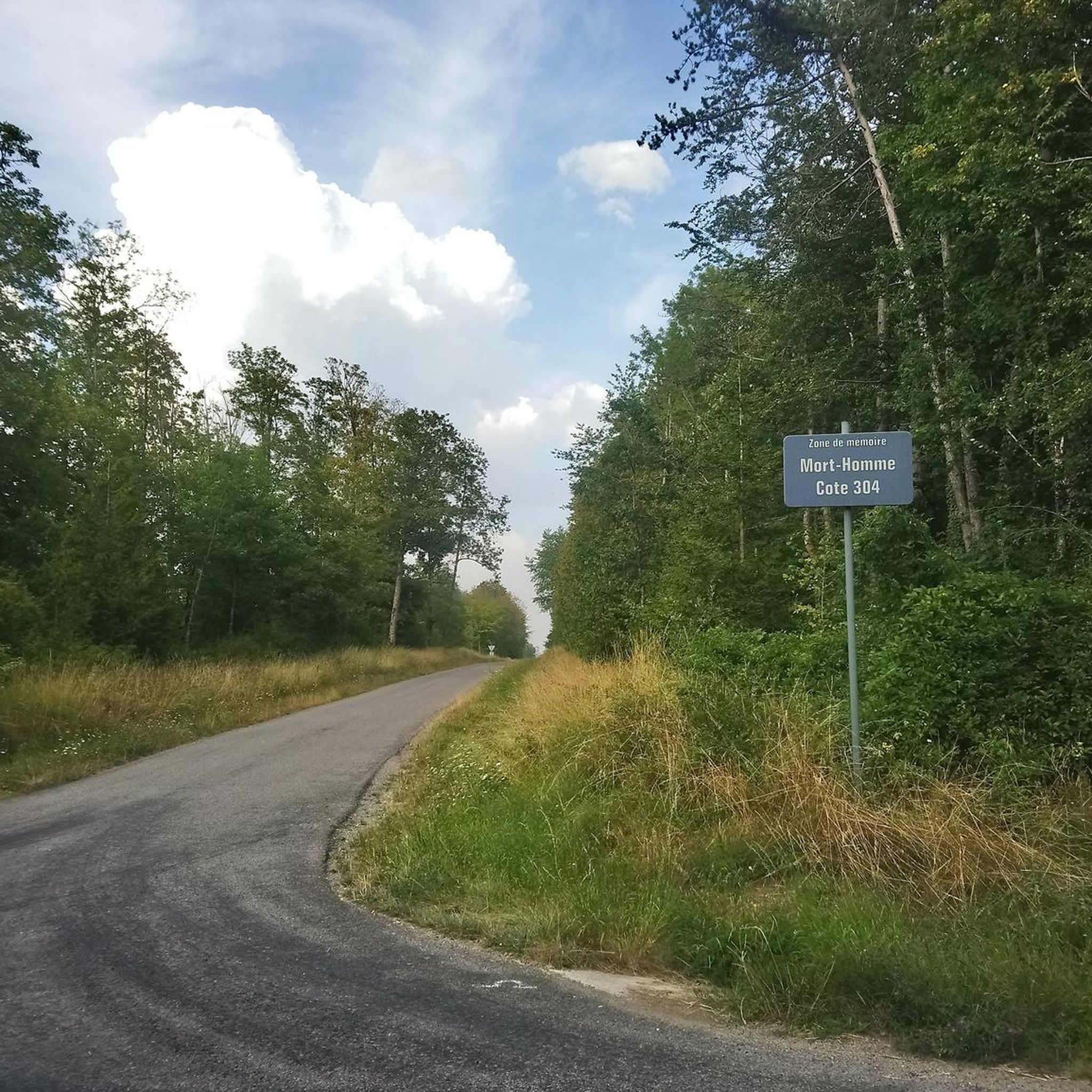
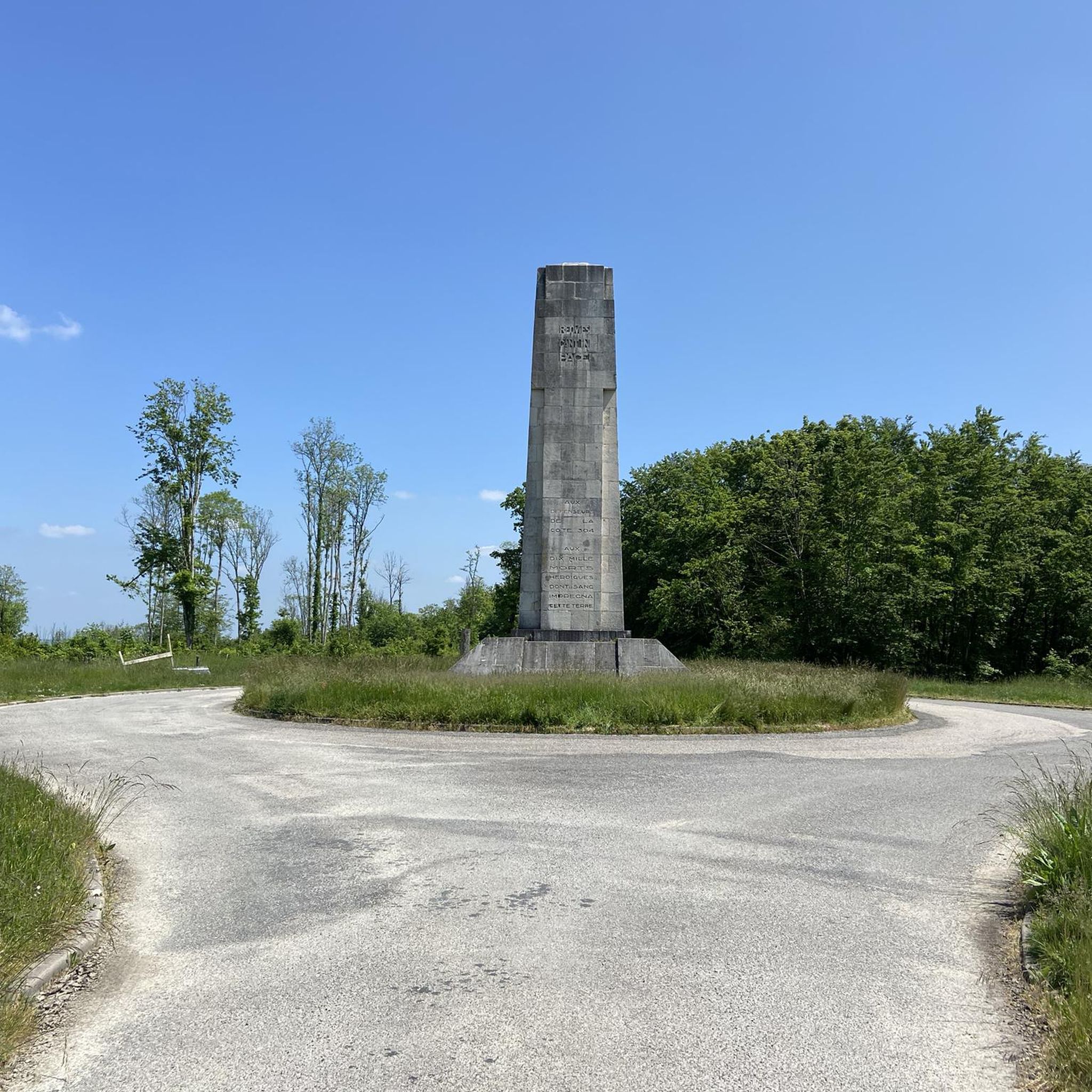
The German offensive to conquer Verdun began in February 1916. In early March, the fighting took place on the heights of Mort-Homme. The French put up a heroic resistance under a torrent of fire. In this sector, 10,000 poilus died. Monument du Mort-Homme, by sculptor Jacques Froment-Meurice. The soldier's skeleton detaches itself from its shroud and lets out its cry of victory. On one arm, he carries a flag, the symbol of the nation for which he sacrificed himself, and on the other arm, he waves the torch of victory. At the foot of the monument, the phrase "They have not passed" recalls the sacrifice of French fighters for the possession and preservation of this observation hill on the left bank of the Meuse. The village of Cumières, declared a "dead village for France", became Cumières le Mort-Homme in 1922. In memory of the village, the Saint-Rémi chapel was built with the stones of the old church, in the middle of an enclosure, preceded by a monument to remind us that there was a peaceful village here. More information on https://www.tourisme-verdun.com/decouverte/post/site-du-mort-homme
1
0

https://verdun1916.eu/?p=7570 The hill of Vauquois (Butte de Vauquois), about 25 kilometers northwest of Verdun, is 295 meters high and was, due to its location, an excellent vantage point for those who wanted to defend the northern Argonne, together with the hill of Les Eparges, which is about the same distance southeast of Verdun. The Germans had already captured the village of Vauquois and the hill without a fight in September 1914. The village and the hill were immediately fortified. Caves and underground passages were cut and dug in the limestone soil. The total length of the passages was no less than 15 km. With loopholes one could cover a large area, and one could count on artillery support from Cheppy and Montfaucon. It was an excellently built defense line. The French were keen to recapture this hill, partly because Verdun was threatened by it. First Battles for Vauquois The French attacked on 28 October 1914 without artillery support, and ran straight into a barrage of bullets and shells. Within an hour the attackers were out of action. The next day there was another attack, but this time with artillery support. It was another failure on this well-defended position. Until the end of February, attacks were made repeatedly on the village and the hill, with or without artillery support. The losses were enormous, especially on the French side.
1
0

During the First World War a 'mine war' literally pulverized the hill: the mine craters on the Butte de Vauquois. A monument marks the site of the old destroyed village.
1
0
Le Mort-Homme was one of the pivots of the defense of Verdun on the left bank. All the German assaults of March 1916 were broken on this ridge.
0
0
에스네스 앙 아르곤 주변에서 가장 인기 있는 명소


더 살펴보기
다른 지역의 최고의 하이킹를 살펴보세요.
