위틀리히 최고의 러닝 경로
4.2
(99)
2,225
달리기 하는 사람
177
러닝
위틀리히에서 하이킹하며 베른카스텔-비틀리히 구석 부분까지 살펴볼까요? 위틀리히에 있는 모든 하이킹 및 워킹 경로 컬렉션 중 가장 멋진 하이킹 경로를 엄선하여 소개해드릴게요. 다른 하이커가 공유한 실제 팁과 사진을 살펴보고 후기를 읽으며 마음에 드는 위틀리히 워킹 경로를 찾아보세요.
마지막 업데이트: 8월 23, 2026
4.6
(5)
180
달리기 하는 사람
5.28km
00:33
20m
20m
보통 조깅. 좋은 체력 필요. 대부분 포장된 지면. 실력과 관계없이 누구나 갈 수 있음.
3.0
(1)
97
달리기 하는 사람
4.69km
00:29
10m
10m
초급용 러닝. 모든 체력 수준에 적합. 대부분 포장된 지면. 실력과 관계없이 누구나 갈 수 있음.

무료 회원 가입
4.2
(5)
83
달리기 하는 사람
11.0km
01:11
150m
150m
보통 조깅. 좋은 체력 필요. 대부분 포장된 지면. 실력과 관계없이 누구나 갈 수 있음.
4.6
(5)
87
달리기 하는 사람
8.65km
00:54
30m
30m
보통 조깅. 좋은 체력 필요. 대부분 포장된 지면. 실력과 관계없이 누구나 갈 수 있음.
4.8
(6)
59
달리기 하는 사람
3.93km
00:26
40m
40m
초급용 러닝. 모든 체력 수준에 적합. 대부분 포장된 지면. 실력과 관계없이 누구나 갈 수 있음.
더 다양한 경로와 다른 탐험가들의 추천을 살펴보세요.
무료 회원 가입
이미 komoot 계정이 있나요?
투어 추천은 다른 사람들이 komoot에서 완료한 수천 개의 활동을 바탕으로 구성되어 있습니다.
오늘 무료 계정으로 시작하세요
다음 모험이 기다리고 있어요.
로그인 또는 가입하기
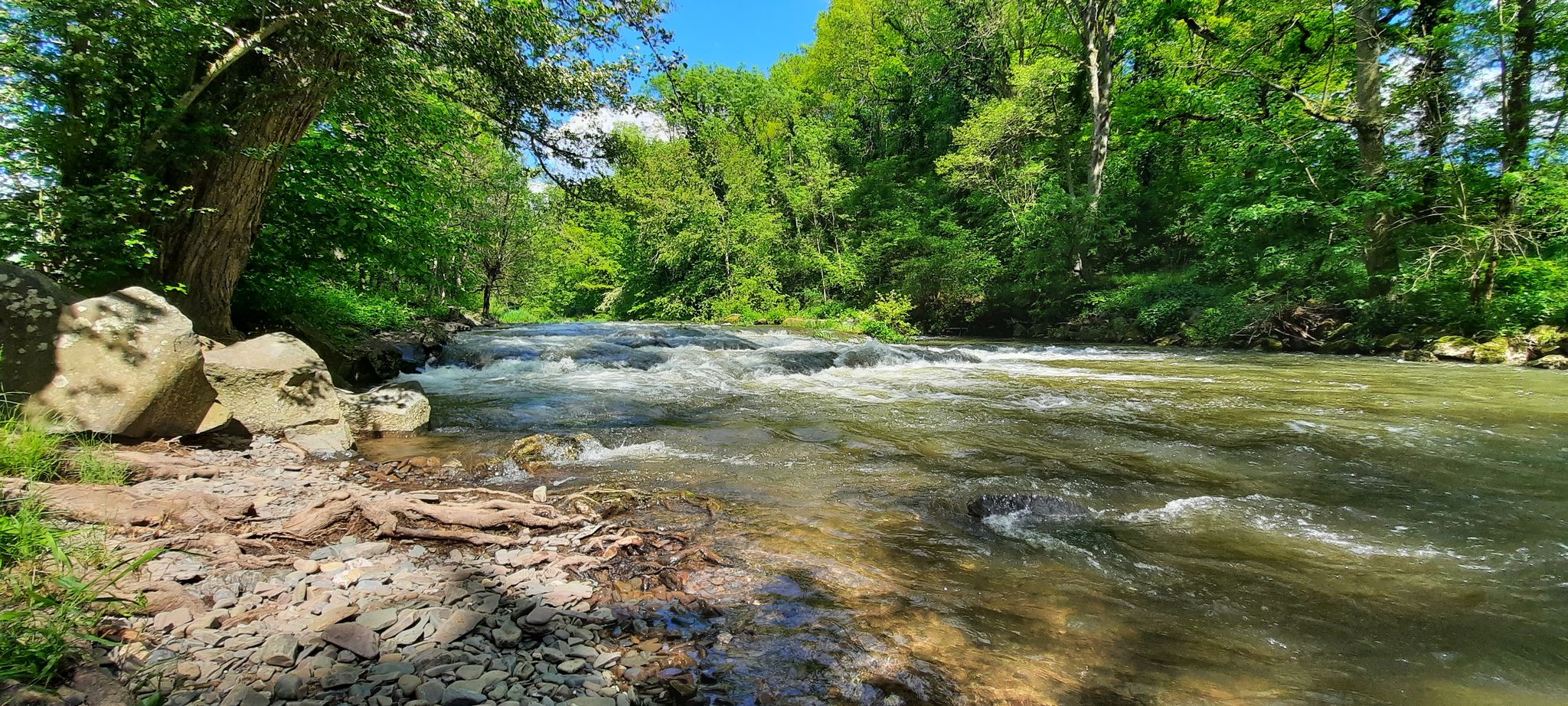
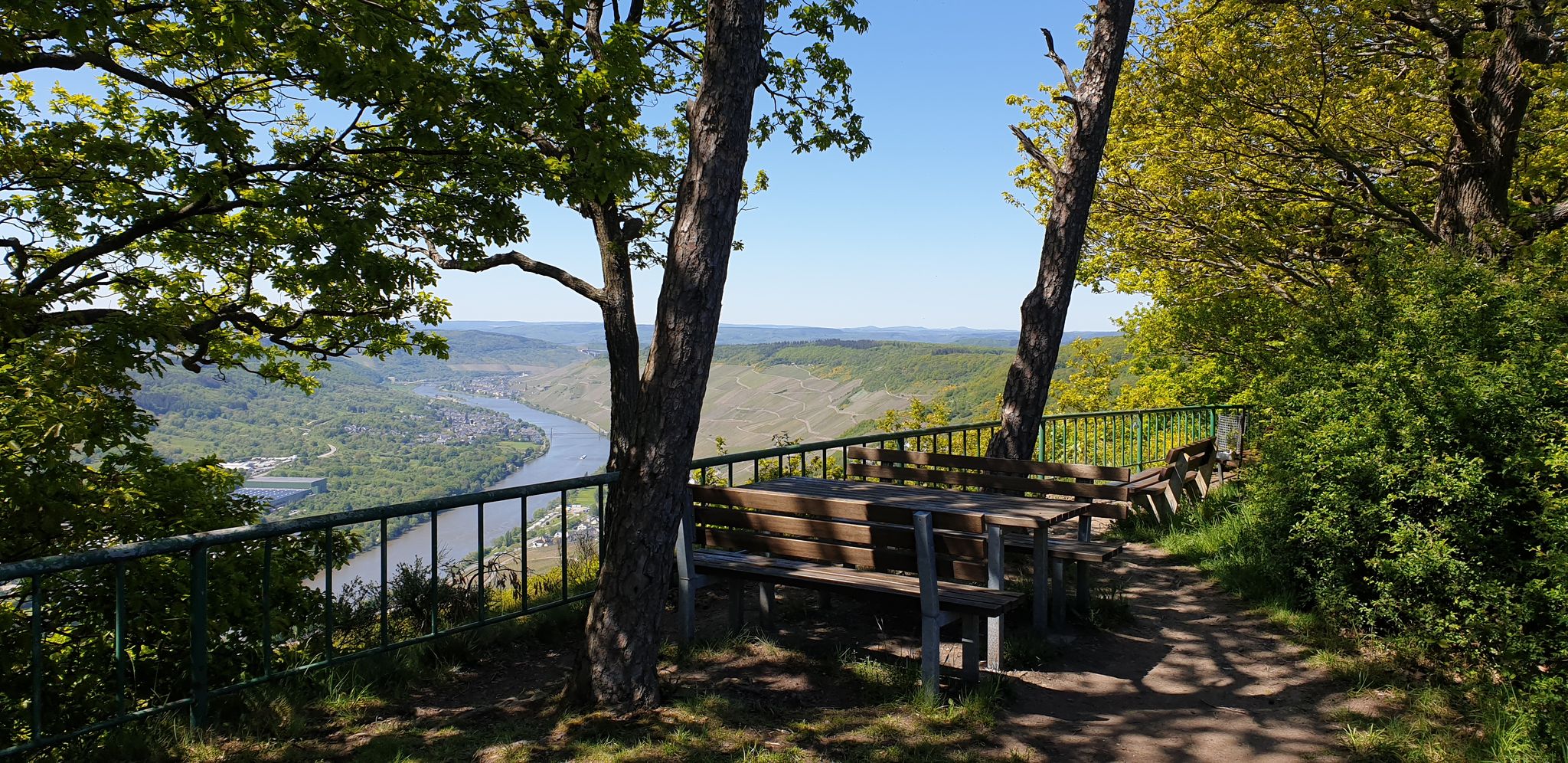
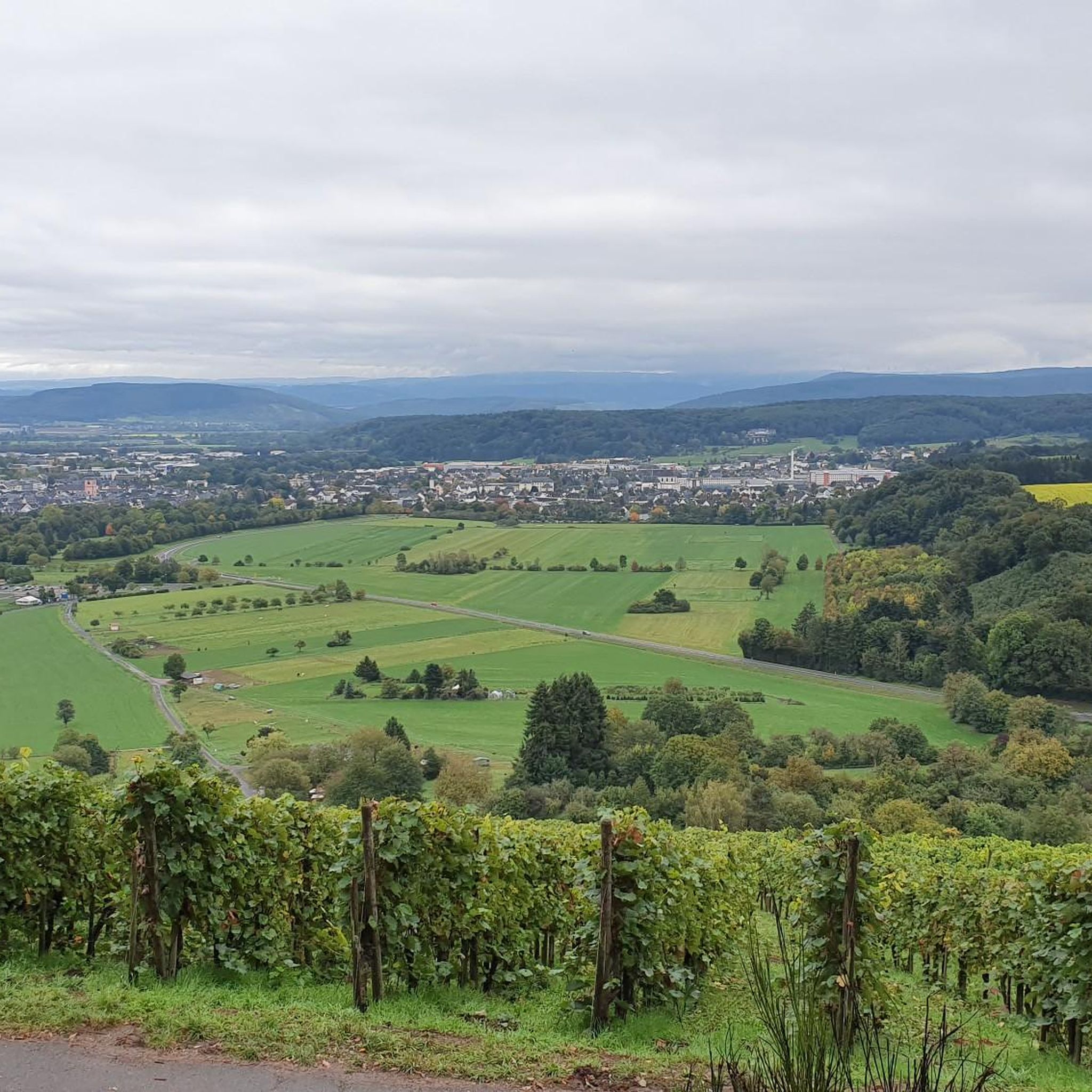
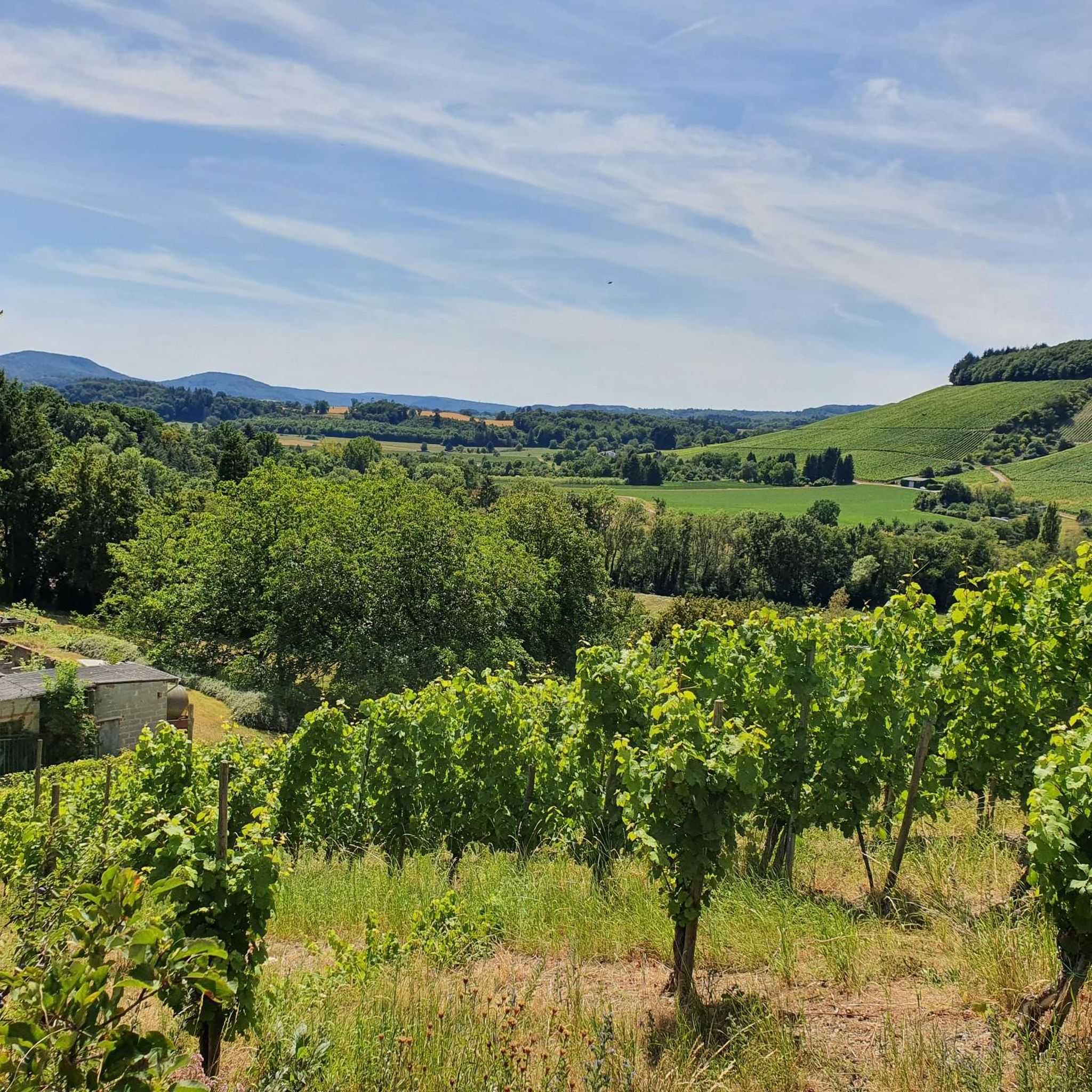
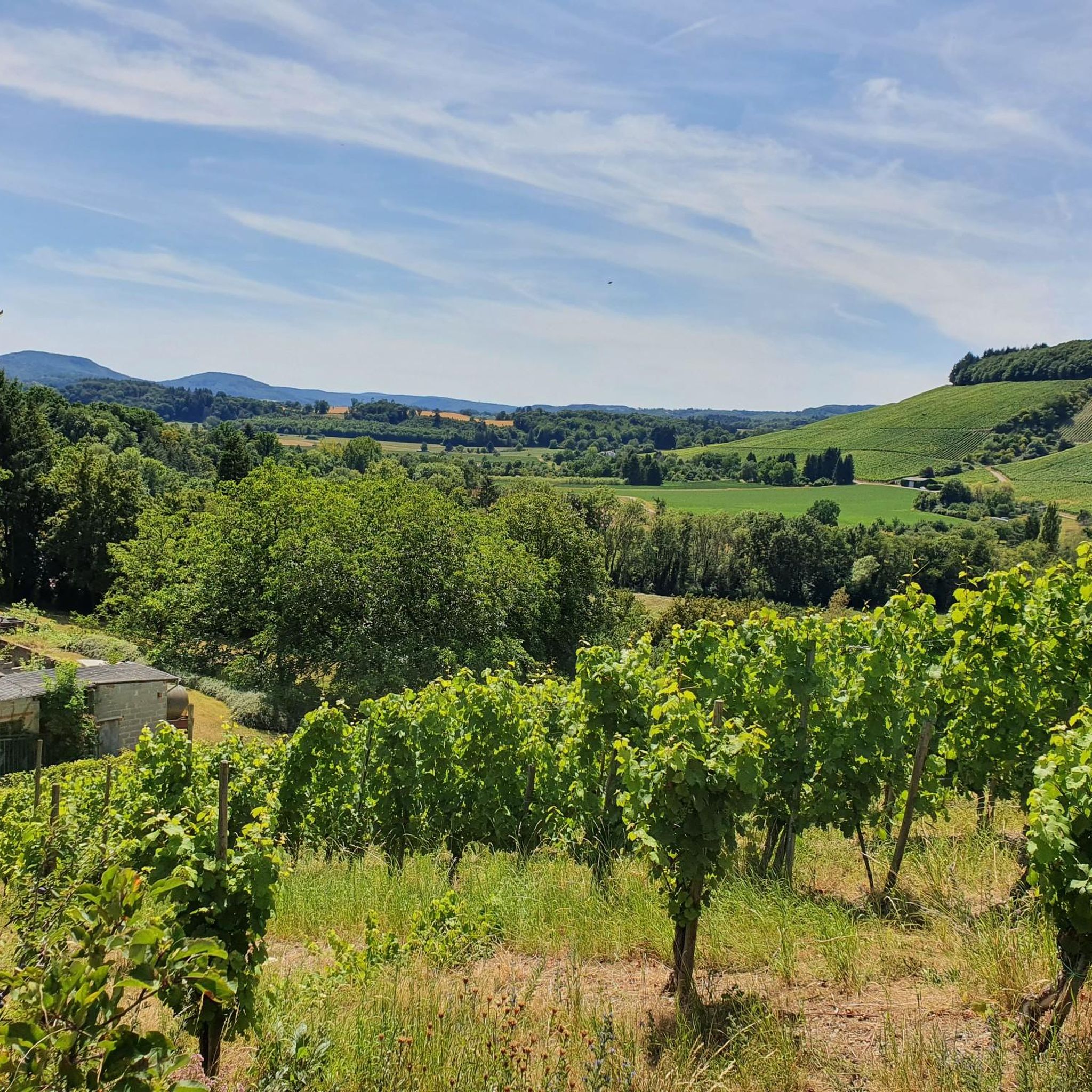
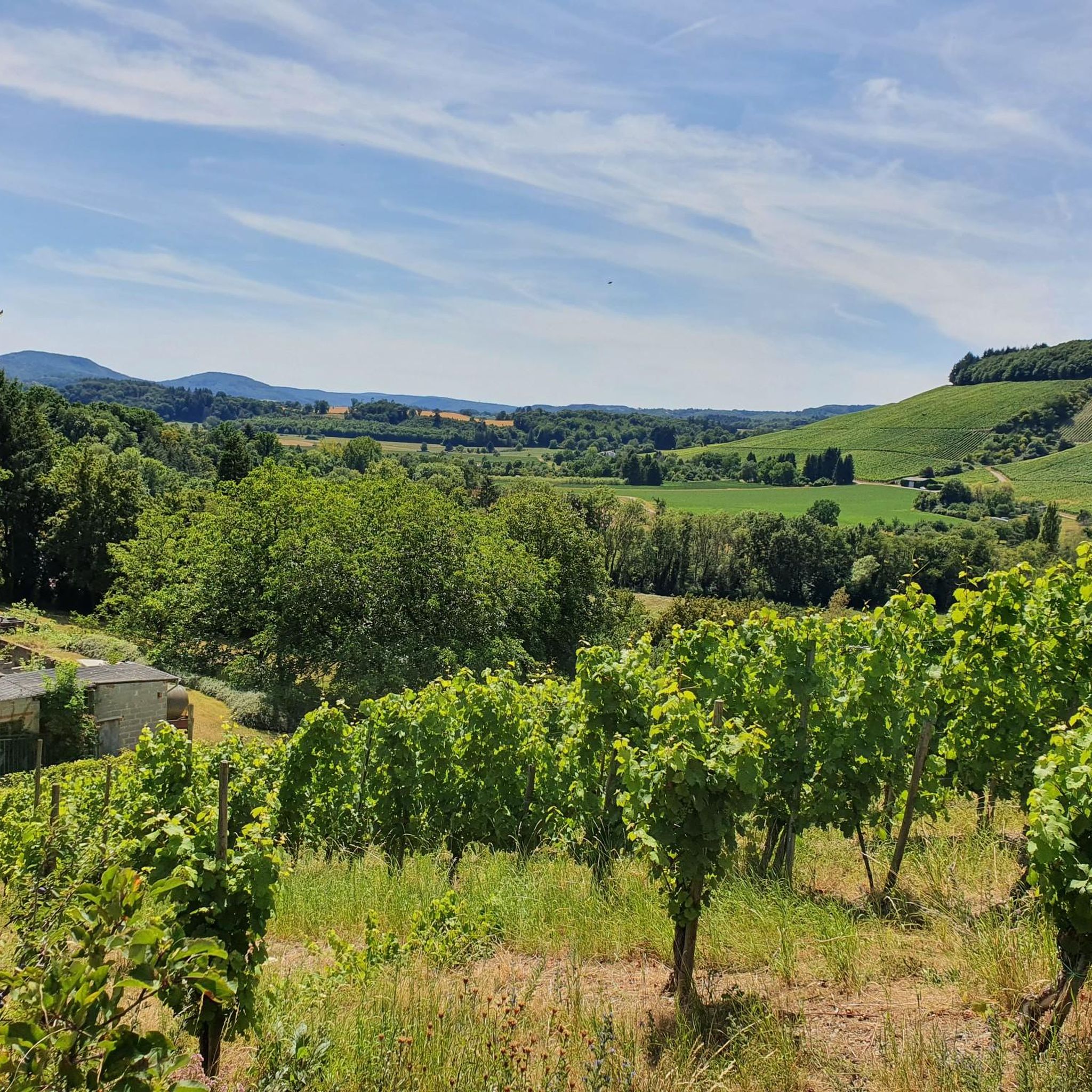
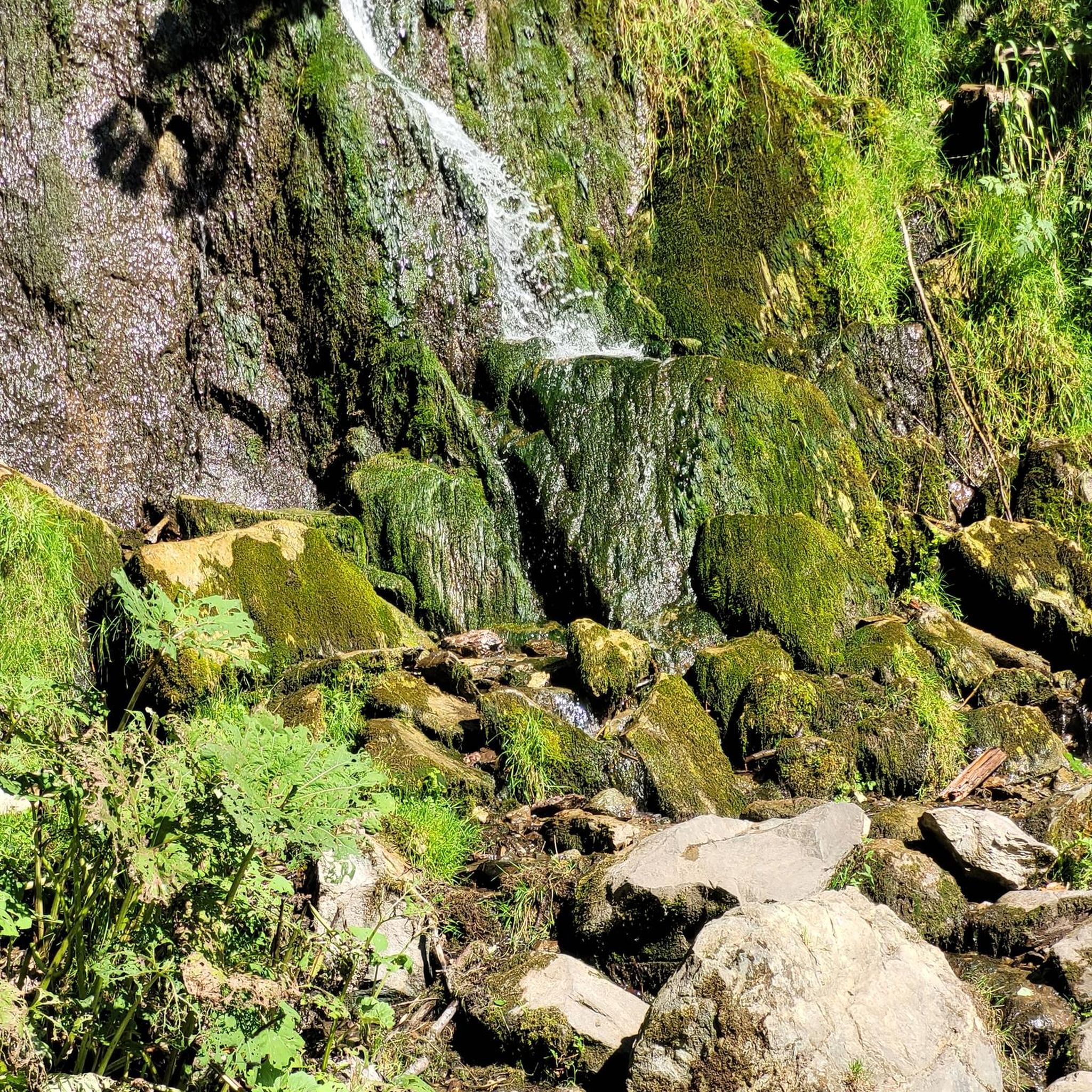



커뮤니티 팁

빌리히의 옛 회당은 현재 문화 및 컨퍼런스 장소로, 거의 매일 (14:00 - 17:00, 수요일은 9:30 - 12:00 추가 운영, 월요일 휴무) 운영됩니다. 이곳에서는 아름답고 큰 옛 예배실(= 현재 이벤트 홀)과 1910년에 지어졌으며 1938년 11월 포그롬 당시 내부가 모독당했던 이 회당의 역사에 대한 크고 매우 흥미로운 상설 전시를 볼 수 있습니다. 하지만 건물은 그 후에도 보존되었고, 시는 매우 낮은 가격으로 매입했습니다. 1940년부터 1944년까지 프랑스 전쟁 포로 및 강제 노동자를 위한 수용소로 사용되었습니다. 그 후 회당은 황폐해졌지만, 1975년 빌리히 시가 트리어 유대인 공동체로부터 매입하여 나중에 개조했습니다 (1977년 재개관). 빌리히 유대인 공동체는 홀로코스트 (빌리히에서의 추방은 1941년 10월부터 시작) 동안 완전히 소멸되었습니다. 기념물 (= 옛 토라 성궤의 둘러싸인 벽)은 회당 입구 왼쪽에 있습니다.
1
0

Here on the steps by the bridge over the Lieser river, you can sit comfortably and simply relax.
2
0

Perfect terrain for a 10 or 21.1 km run. Afterwards, you can even stop off at the Kleiner Mühle (Little Mill) thanks to the new bridge. A highlight for mountain biking, too! 🍻🚵🏃♂️ Wonderful! 😮💨
1
0
Epic fog in the morning. Amazing sunsets in the evening ☀️📯 Be sure to take the small path below, not above! 🌳🌲❤️
1
0
It always looks absolutely beautiful in winter. It's just as enjoyable to run in the snow as it is in 30-degree heat. Great trail! From the Roman villa to the Old Pleiner Mill, it's the most beautiful section for running. 🏃♂️📯❤️🙌
1
0

An information board and a ground marker indicate that the 50th parallel north crosses here. The back of the information board explains that this path is part of a hiking trail, aptly named "Gradwanderung," which crosses the 50th parallel more than 25 times.
0
0
The synagogue in Wittlich was built in 1909/10. During the pogrom on November 10, 1938, the synagogue's interior was vandalized by SA men and others. In 1939, the city of Wittlich purchased the building, which had served as a prisoner of war camp during World War II. The approximately 250 Wittlich Jews were expelled from the city, with the last deportation taking place in 1942. One-third of the members of the Jewish community were murdered in concentration camps. After the war, none of the survivors returned, meaning the synagogue lost its function. Source and further information: https://de.wikipedia.org/wiki/Synagoge_Wittlich
1
0

St. Mark's Parish Church, Wittlich The present parish church, located in the historic city center, was built between 1709 and 1723 under Archbishops Johann Hugo von Orsbeck and Franz-Ludwig von Pfalz-Neuburg and is under the protection of the parish patron, St. Mark. The church was not formally consecrated until 1727. It is a four-bay pillar basilica in a mixture of post-Gothic and simple early Baroque forms, divided into a nave and two side aisles. A three-story tower with a curved dome houses the bells at the west end. The high altar was acquired in 1749 from the Dominican Church in Koblenz. The high-quality choir stalls on the south wall were built around 1770, those on the north wall were recreated around 1820, and both were expanded again in 1927. The side altars in the side aisles, dating from 1747, were made by the court carpenter Conrad Fischer. The organ case from 1769, crafted by Peter and Nikel Schreiber, has been preserved. The organ was rebuilt in 1848 by Wilhelm Breidenfeld of Trier and in 1958 by the organ builder Johannes Klais of Bonn. It has 38 stops distributed across three manuals and the pedals. The baptismal font was created in 1727 by the Koblenz sculptor Lorenz Staudacher. Among the many figurative works of art distributed throughout the church, the 15th-century wooden figure of St. John the Baptist stands out. The freestanding altar table (1971) and the ambo (1976), with their tree of life symbolism, are works by the Wittlich sculptor Hans Scherl. The church windows were created after the war, between 1949 and 1952, as coordinated cycles. In the north aisle, they depict scenes from the Old Testament (by Alois Stettner and Prof. Heinrich Dieckmann), and in the south aisle, New Testament depictions of saints (by Prof. Dieckmann and Maurice Rocher). The choir windows by Prof. Georg Meistermann depict the high feasts of the liturgical year: Christmas, Easter, Ascension, and Pentecost. Text / Source: St. Anna Parish in Wittlich Valley, Karrstraße 14, D-54516 Wittlich https://www.pfarrei-wittlich.de/ueber-uns/st-markus
13
0


더 살펴보기
다른 지역의 최고의 러닝 트레일 & 경로를 살펴보세요.
