20의 알코바사가지 명소 & 주요 장소
알코바사에는 둘러볼 만한 장소가 많답니다. 하이킹 또는 사이클링을 좋아한다면 알코바사에 숨겨진 20
가지 보석을 만날 수 있을 거예요. 이 지역의 주요 명소를 살펴보면서 다음 모험을 계획해보세요.
마지막 업데이트: 10월 9, 2026
나자레의 거대한 파도
하이라이트 • 해변
번역자 Google •
팁에 의해

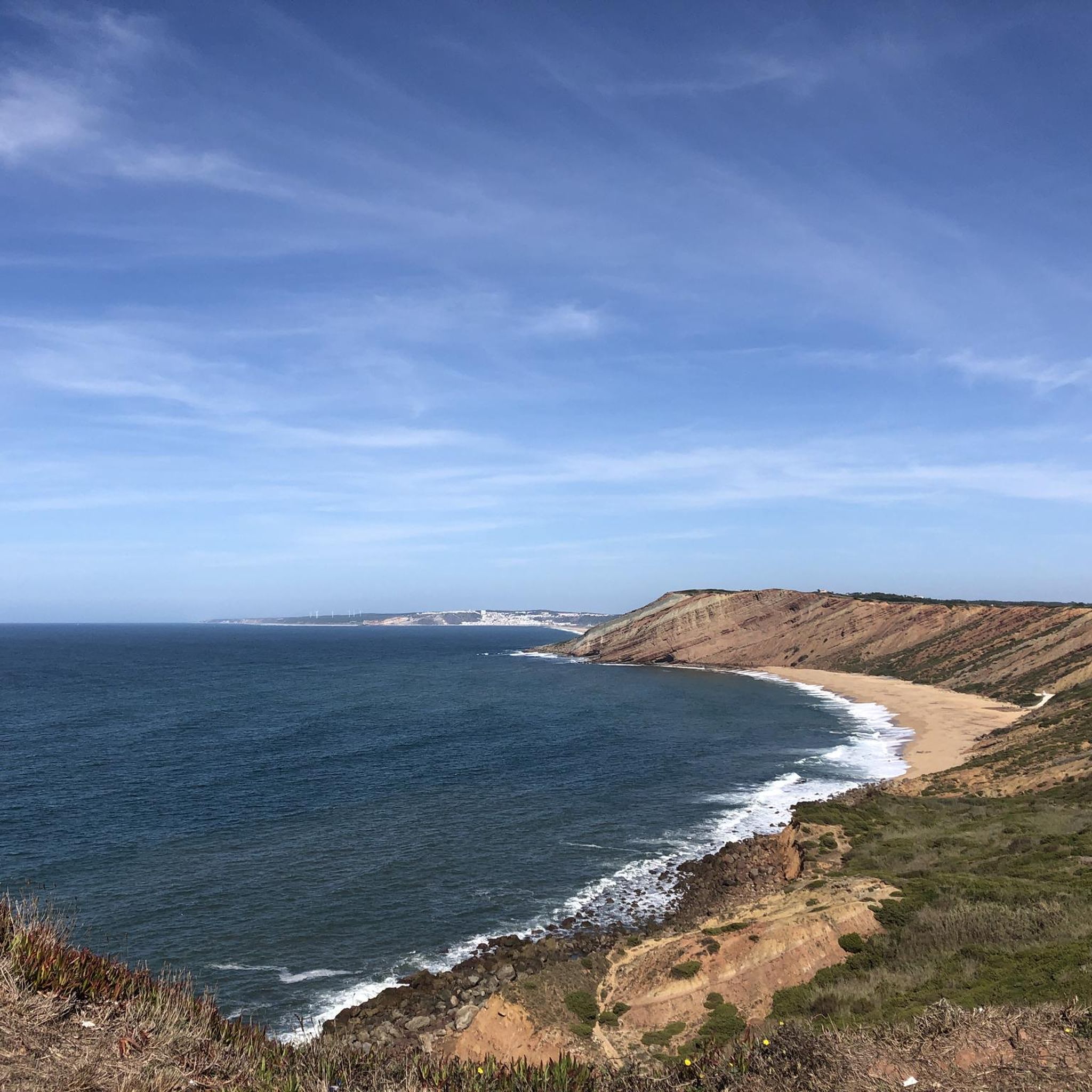
프라이아 두 노르치 절벽
하이라이트 • 해변
번역자 Google •
팁에 의해
이런 장소를 발견하려면 지금 가입하세요
최고의 싱글 트랙, 봉우리 및 다양한 흥미로운 야외 장소에 대한 추천을 받아보세요.
페네두 다 사우다지 등대 🗽
하이라이트 • 기념물
번역자 Google •
팁에 의해


아달리아 알베르토의 바도 조각상
하이라이트 • 기념물
번역자 Google •
팁에 의해

무료로 가입하여 알코바사 주변의 더 많은 명소를 발견하세요.
이미 komoot 계정이 있나요?
오늘 무료 계정으로 시작하세요
다음 모험이 기다리고 있어요.

커뮤니티 팁

나자레는 같은 이름의 도시 나자레뿐만 아니라 포르투갈의 서핑 스팟을 의미하기도 합니다. 적절한 조건에서는 이곳에서 부서지는 파도가 세계에서 가장 큰 서핑 가능한 파도 중 하나입니다.
2
0

The lighthouse is managed by the National Maritime Authority. Public visits are generally permitted on specific days and at limited times. Opening hours: Traditionally, the lighthouse is open for free visits on Wednesdays in the afternoon (between 2:00 pm and 5:00 pm, local time).
3
0
Function: It is a coastal lighthouse, with a luminous range of 30 nautical miles (approximately 55 km). Landscape: The location is a natural viewpoint of great beauty, much sought after for enjoying the ocean view and the sunset. The surrounding area has pedestrian and cycle paths that connect to other beaches in the region.
2
0
Location: Parish of São Pedro de Moel, Marinha Grande, Portugal. Establishment: Began operating on February 15, 1912. Structure: It has a quadrangular stone tower 32 meters high and an attached building. The exterior and interior are covered with reddish-brown tiles, a unique feature.
3
0
The Penedo da Saudade Lighthouse is an emblematic Portuguese lighthouse located in São Pedro de Moel, in the municipality of Marinha Grande, district of Leiria. It stands imposingly on a cliff, offering spectacular views of the Atlantic coast.
2
0
"Lighthouse and Fisherman's Bay" can refer to several locations, such as the Lighthouse of Traição Bay and the local fishing community in Paraíba, Fisherman's Beach in Itanhaém, where boats gather and seafood is sold, or Fisherman's Bay in China, also known as the Penghu Islands. Lighthouse of Traição Bay (PB): The installation of the lighthouse in 1923 was requested by the local fishing community, then presided over by Manoel Ignácio, who traveled to Rio de Janeiro to request the equipment. Fisherman's Beach (Itanhaém, SP): This beach is characterized by the concentration of fishing boats and stalls selling fresh seafood. The area has a restaurant and is also a departure point for boat trips. Fisherman's Islands (Penghu, China): This is an archipelago off the west coast of Taiwan, in the Asian continent. The archipelago is composed of 90 small islands and covers an area of 141 km². Other locations: There are other places that combine "lighthouse" and fishing activities, such as the underwater fishing area near the Barra Lighthouse in Salvador, Bahia.
2
0


알코바사 주변에서 가장 인기 있는 명소


더 살펴보기
찾고 있는 하이라이트를 아직 못 찾으셨나요? 다른 지역의 주요 명소 가이드를 확인해보세요:
