20의 국립공원 세라스 아이레와 칸디에로스가지 명소 & 주요 장소
국립공원 세라스 아이레와 칸디에로스에는 둘러볼 만한 장소가 많답니다. 하이킹 또는 사이클링을 좋아한다면 국립공원 세라스 아이레와 칸디에로스에 숨겨진 20
가지 보석을 만날 수 있을 거예요. 이 지역의 주요 명소를 살펴보면서 다음 모험을 계획해보세요.
마지막 업데이트: 10월 11, 2026
아르코 다 메모리아
하이라이트 • 기념물
On the historical aspect, it was built by the Cistercian monks, it measures 4 meters high …
번역자 Google •
팁에 의해

리우 마이오르 소금밭
하이라이트 • 기념물
번역자 Google •
팁에 의해

이런 장소를 발견하려면 지금 가입하세요
최고의 싱글 트랙, 봉우리 및 다양한 흥미로운 야외 장소에 대한 추천을 받아보세요.
알카네나 MTB 센터 - 알비엘라 수원지
하이라이트 • MTB 공원
번역자 Google •
팁에 의해

포르투 데 모스 성
하이라이트 • 성
번역자 Google •
팁에 의해
오늘 무료 계정으로 시작하세요
다음 모험이 기다리고 있어요.
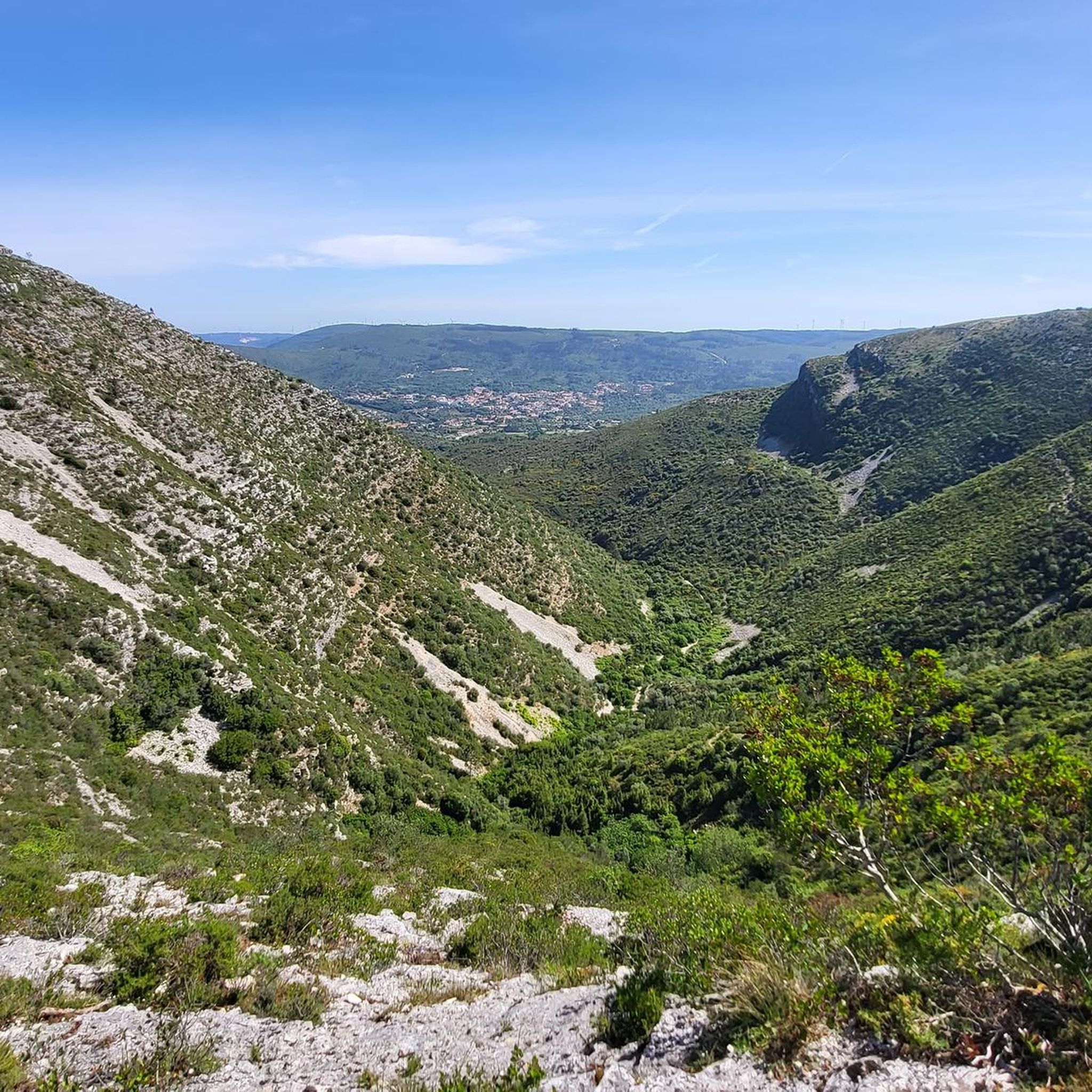
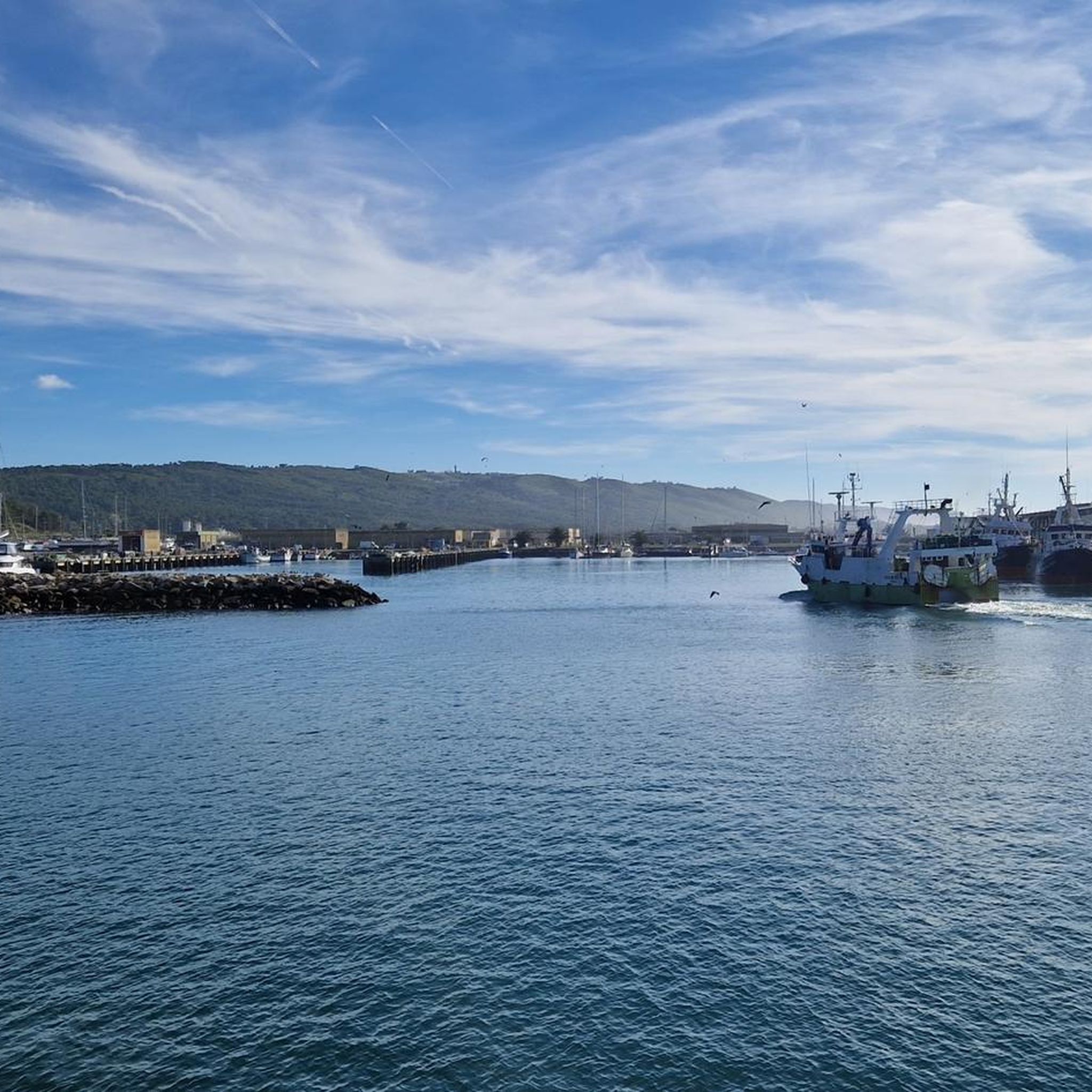
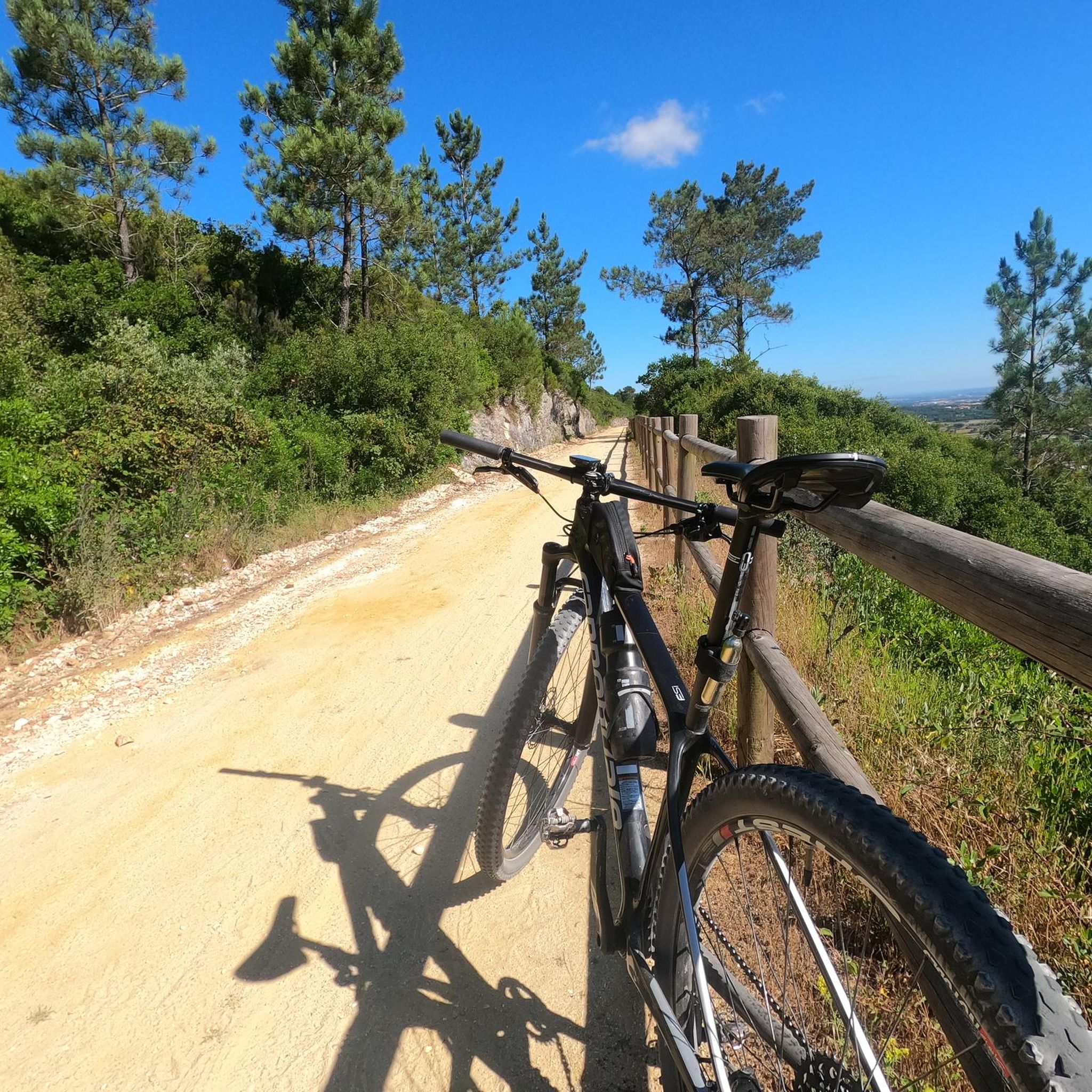
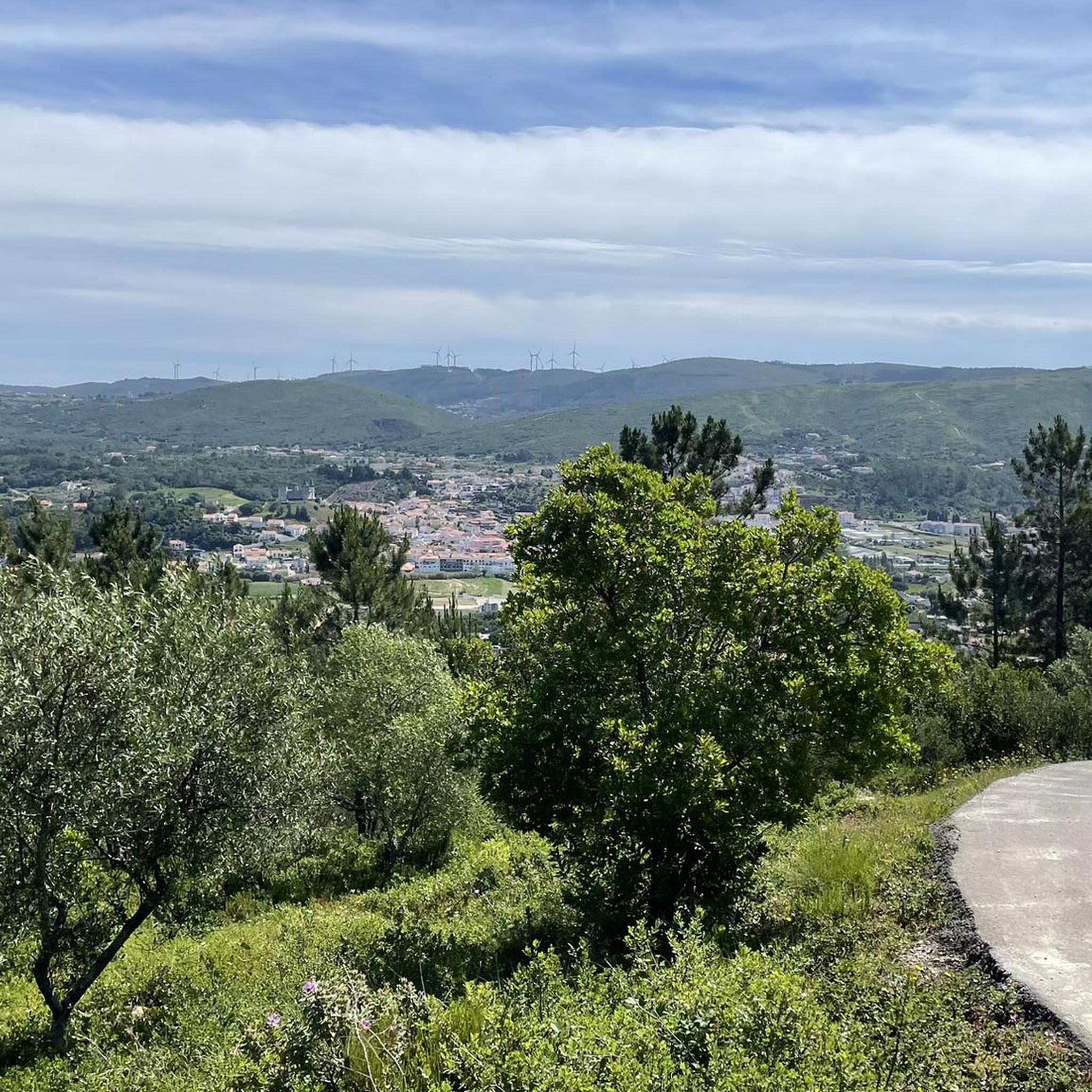

커뮤니티 팁

여러 날 동안 하이킹/자전거를 타는 경우 중앙에 침대가 있습니다.
1
0

I highly recommend Olhos de Água, a river beach 🏖️ with top trails to enjoy pure nature that can be done on foot or by mountain bike, some of which are well signposted with bars next to the beach and there is a campsite for private individuals, it only has bungalows and a hotel, a true paradise 😜🤙🏽🚴🏽💨🚶🏽🏃🏽🏊🏽
1
0

Salt is extracted from compartments – pits – made of cement or stone, of varying sizes and shallow depths, to which salt water is taken from a well through irrigation channels. Currently, the water is raised by means of a motor and distributed according to a system that is jointly accepted and respected (not always) by all the owners. The sewers, threshing floors and wooden houses for storing salt complete the set of what is called the Salt Mines of Rio Maior. According to technicians, a large and deep rock salt mine, crossed by an underground current that feeds a well, makes the water extracted from it salty, seven times saltier than that of the sea. The salt is obtained from its exposure to the sun and wind and the consequent evaporation of the water, deposited at the bottom of the pits, which is then placed in pyramid-shaped piles to dry until it is collected. The process is rudimentary and similar to that used in the salt mines on the seashore. The only difference is the picturesque valley that surrounds them, the well, the unique style of the sailors (as the men who work in the salt mines are known), the wooden houses and the country air that can be breathed.
3
0
The Fórnea Waterfall is located right in the heart of the Serras de Aire e Candeeiros Natural Park, and is fed by the Fórnea Stream, which in turn flows from the Cova da Velha cave.
2
0

Nice quiet route. No water at the waterfall, unfortunately. Because that would give a different experience, certainly worth it for the beautiful views
0
0
On the southwest hillside of Cabeço Gordo, almost coinciding with the administrative boundaries between Porto de Mos municipalities and Alcobaça, the Memory Arc it was built, probably in the late sixteenth and early seventeenth century and was restored in 1830, by King Miguel, as shown in one of its inscriptions. The bow, perfectly round, has only two inscriptions, one in Latin almost imperceptible, due to stone erosion, registered in 1758 and composed by Friar Bernardo de Brito, in the beginning of the seventeenth century at the behest of Alcobaça Monastery Abbot. According to tradition, that History denies, the monument was built by the monks of the Cistercian Order, for marking the land donated by the Portuguese first King Afonso Henriques. However, its construction only intended to give material evidences of the vow of D. Afonso Henriques, invented by Alcobaça chroniclers.
1
0

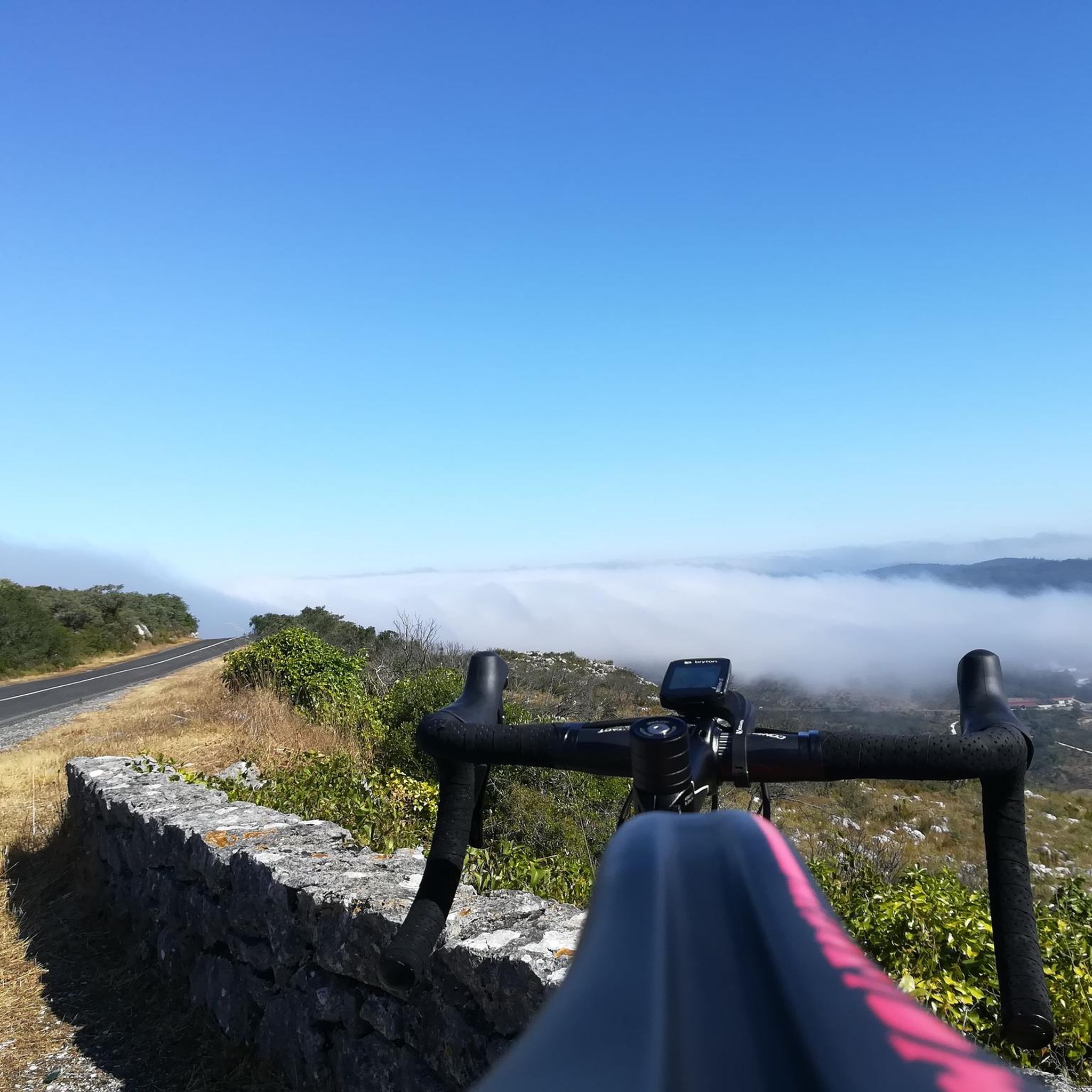
This spot offers a magnificent panorama of the coast and a 360 degree view. On the historical aspect, it was built by the Cistercian monks, it measures 4 meters high and 3.62 meters wide. The arch has no decoration, only two inscriptions: the first, the oldest written in Latin, testifies to its creation. The second inscription refers to the reconstruction of the monument, carried out by D. Michael in 1830.
1
0
Porto de Mós Castle is very original, thanks to its large green and pointed turrets, you can see it from afar! It is an architectural work with unique characteristics which stands on a small hill. Conquered from the Moors in 1148 by the first king of Portugal, Dom Afonso Henriques, the castle of Porto de Mós had an important role in the Christian reconquest and a few years later (1385) in the battle of Aljubarrota, a battle which gave definitive independence in Portugal. In the 15th century, the castle was transformed into a residential palace by D. Afonso. After his death in 1459, the palace was abandoned and partially destroyed by the great earthquake of 1755. From 1936 until 1999, the castle underwent several restorations, which allowed it to regain its former glory. It has been classified as a National Monument since 1910.
1
0
국립공원 세라스 아이레와 칸디에로스 주변에서 가장 인기 있는 경로
국립공원 세라스 아이레와 칸디에로스 주변에서 가장 인기 있는 명소


더 살펴보기
찾고 있는 하이라이트를 아직 못 찾으셨나요? 다른 지역의 주요 명소 가이드를 확인해보세요:
